All News
27283 AI-summarized articles, newest first - page 91 of 1137
Dollar May Continue Strengthening Against Euro
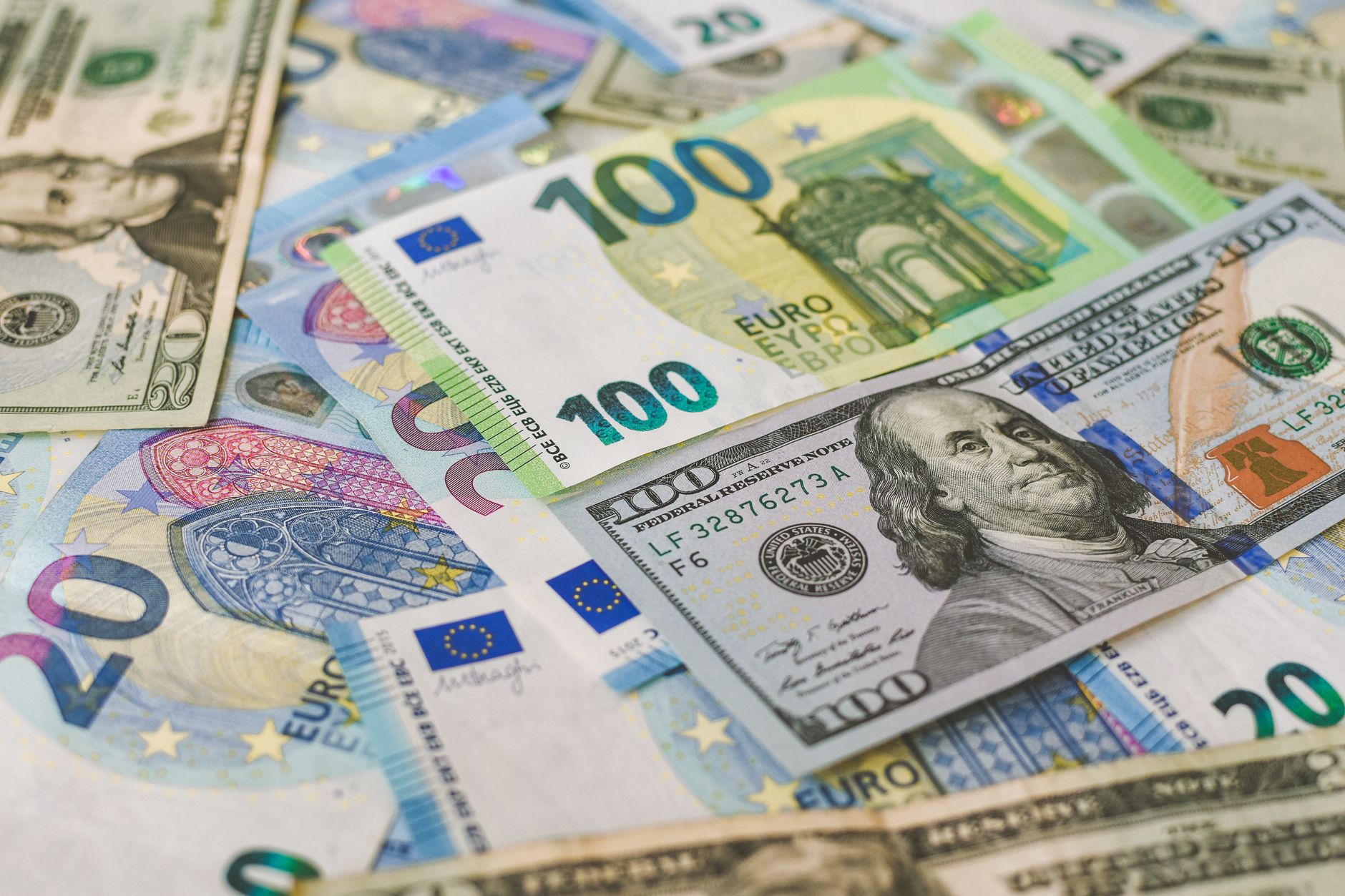
The Wall Street Journal reports that the U.S. dollar could continue its gains against the euro. While specific figures are not provided, the article discusses the potential for further strengthening based on current market conditions and trends. Currency movements can significantly impact international trade and investments, as a stronger dollar makes U.S. exports more expensive but reduces the cost of imported goods. The current trend of dollar appreciation is seen as likely to continue under present economic conditions, though the article does not cite any specific projections or official forecasts. For investors and markets, a stronger dollar can affect earnings of multinational companies by altering revenue from foreign operations when converted back into dollars. It also influences inflation expectations and monetary policy decisions.
Read More: Dollar May Continue Strengthening Against Euro
Euro Drops to 17-Month Low Amid Political Risks
The Euro has fallen to a 17-month low against the US dollar due to political uncertainty in Spain and France. Concerns over France's debt burden have also contributed to this decline. This event has created mixed reactions in European stock markets, highlighting the region's fiscal challenges and political instability. Several sources, including Bloomberg and CNBC, have reported on the declining Euro, emphasizing the economic and political issues influencing this trend. The declining value of the Euro is impacting currency markets, as the region grapples with fiscal pressures. Political uncertainties in France and Spain are central to this movement, raising concerns among investors about future economic stability in the Euro area. The combination of these factors has led to increased market volatility, with potential implications for trade and investment in the region. For investors, the declining Euro serves as a reminder of the ongoing complexities in European fiscal and political landscapes. This trend should be watched closely, as it may affect the value of European assets and influence investment decisions involving the Euro currency.
Read More: Euro Drops to 17-Month Low Amid Political Risks
Euro Falls Amid French Fiscal Concerns and Market Reaction
The euro has weakened against major currencies due to rising fiscal concerns in France. Investors are worried about the potential impact of France's fiscal policies on the broader Eurozone economy. Market analysts have noted increased apprehension as traders react to the fiscal uncertainty, which has affected the euro's performance on foreign exchange markets. The irresponsible fiscal management is feared to lead to instability and volatility within the Eurozone's financial markets. These fiscal concerns in France have driven the euro to fall, causing market participants to reassess their positions and strategies. This development is significant for investors as it highlights the sensitive relationship between government fiscal policies and currency stability.
Read More: Euro Falls Amid French Fiscal Concerns and Market Reaction
Firmus Allocates 50% of IPO Shares to Current Holders
Firmus has announced plans to allocate half of its upcoming initial public offering (IPO) shares to existing shareholders, as reported by Bloomberg. This strategy is aimed at providing current stakeholders with an opportunity to further invest in the company during the IPO. Details on the total number of shares or the valuation of the IPO have not been disclosed in the report. The allocation to existing shareholders is intended to strengthen loyalty and ensure continued support from those who are already invested in the company's growth. This move might make the firm's IPO more attractive to its current stakeholders, providing them with a sense of priority and potential benefit from future share price appreciation. The decision to offer a significant portion of the IPO to existing holders indicates an effort to maintain stability and confidence among current investors. Such measures are important for ensuring strong initial demand during an IPO, which can lead to better performance on the stock market upon debut.
Read More: Firmus Allocates 50% of IPO Shares to Current Holders
Trump Creates Super Intelligence Force for AI Oversight
President Donald Trump announced the creation of the 'Super Intelligence Force' to manage AI policy and ensure continued leadership in development. The task force, led by Director of National Intelligence Jay Clayton, aims to coordinate federal government engagement with various sectors. Trump signed an executive order on 29 September to rename AI as Super Intelligence, indicating a shift in terminology. The announcement comes as industry leaders call for tighter regulation of AI technology. The task force will include Federal Trade Commission Chair Andrew Ferguson and Undersecretary of Defense for Research, Engineering Emil Michael. It will report directly to President Trump and the White House Chief of Staff. Despite industry pressures for stricter regulation, Trump emphasizes self-regulation by AI companies. A 'morally binding' pact on AI safety was signed by top tech leaders on 29 September, coinciding with the executive order. This development is significant for investors and tech companies as it signals potential changes in AI policy and regulation. Such changes could impact AI deployment and innovation, affecting companies operating in this sector.
Read More: Trump Creates Super Intelligence Force for AI Oversight
Stocks Rise as Fed Interest Rate Hike Expectations Fall
Stocks are on the rise as expectations for an interest rate hike by the Federal Reserve diminish. This shift comes amid indications that the U.S. economy might not require further rate tightening. Consequently, the U.S. dollar has shown signs of weakening, reflecting the decreased likelihood of additional Federal Reserve measures to combat inflation. This development is seen positively by equity markets, which often react favorably to the prospect of lower borrowing costs and improved liquidity conditions. The ongoing uncertainty about future Federal Reserve actions continues to influence both stock and currency markets. Investors are closely monitoring economic data releases to gauge potential changes in the central bank's policy direction.
Read More: Stocks Rise as Fed Interest Rate Hike Expectations Fall
Krait Critical Minerals Completes Second Financing Phase
Krait Critical Minerals has successfully closed the second tranche of its financing round. Specific details on the amounts raised or terms involved were not disclosed in the report. The completion of this phase indicates progress in Krait's strategy to mobilize funds for further exploration and development activities in its mineral projects. The company aims to use the funds to advance its ongoing projects, although the article does not provide detailed figures or timelines. This financing step is part of a larger effort to secure necessary capital for continued operations and potential growth. For investors, the successful close of this tranche signifies the company's ability to attract capital, which is crucial for executing its business objectives and potentially enhances its operational capacity.
Read More: Krait Critical Minerals Completes Second Financing Phase
Bruce Springsteen Headlines DC 'Power to the People' Festival
The 'Power to the People' festival in Washington, D.C., is headlined by Bruce Springsteen. This event celebrates various cultural and historical themes, drawing music fans and cultural enthusiasts to the area. It highlights the role of music in social movements, with performances set to inspire attendees. The festival aims to bring attention to ongoing social issues through the power of live performances and community engagement. The festival takes place in the nation's capital, reinforcing its cultural significance. It gathers a diverse crowd, hoping to spark dialogue and engagement through music. Bruce Springsteen, known for his powerful and socially conscious lyrics, serves as a key attraction for the event. This matters for tourism and the cultural economy, as such events can drive local business and increase tourism revenue. Festival-driven interest can impact local businesses and services positively, contributing to the regional economy.
Read More: Bruce Springsteen Headlines DC 'Power to the People' Festival
Levi's Cashes In as '90s Fashion Trends Resurge
Levi Strauss (LEVI) is benefiting from a resurgence in '90s fashion, with trends driving increased demand for their classic denim products. This style revival has allowed Levi's to capitalize on popular nostalgia-driven designs amid a broader industry trend. The article highlights how the iconic American brand is leveraging such trends to potentially enhance its sales performance and market share. Industry experts suggest that this could position Levi's favorably in the competitive apparel market. By aligning with nostalgia trends, Levi's aims to strengthen its brand appeal among younger consumers while maintaining its traditional customer base. For investors, Levi's ability to translate these fashion trends into higher sales could indicate potential growth opportunities.
Read More: Levi's Cashes In as '90s Fashion Trends Resurge
Nippon Paint shares rise on $1.35B Akzo deal
Nippon Paint has announced a $1.35 billion deal to acquire the Southeast Asia paint arm of Akzo Nobel. Following this announcement, Nippon Paint's shares have shown an upward trend. The strategic acquisition expands Nippon Paint's footprint in the Southeast Asian market, signaling an aggressive growth strategy by diversifying its geographical operations. The transaction also highlights the ongoing consolidation in the global paint industry as companies aim to increase their market share. This acquisition is expected to enhance Nippon Paint’s business in Southeast Asia, a key region for growth due to rising construction and development activities. The acquisition aligns with Nippon Paint’s strategy to solidify its position in the international market and further leverage its existing resources in the region. Pending regulatory approvals, the deal is likely to close by the end of the year. For investors, this development may represent potential upside for Nippon Paint as the company strengthens its competitive positioning and increases its market share in a growing region. The company's performance in Southeast Asia following the acquisition will be critical for its future earnings growth.
Read More: Nippon Paint shares rise on $1.35B Akzo deal
Oil Exporters to Maintain Production Levels in November
Major oil exporters have reached an agreement to maintain their current production levels for the month of November. This decision was reported by AP News, although specific countries involved and initial production figures were not detailed in the article. The move comes as global oil markets seek stability amid varying supply and demand dynamics worldwide. The decision indicates a degree of optimism from oil producers that current output levels will balance the market without causing significant price fluctuations. Maintaining production levels suggests that the exporters are not anticipating immediate significant changes in global demand that would necessitate an increase or decrease in output. This decision could impact global oil prices, potentially keeping them steady over the coming month as supply constraints remain unchanged. For investors, this stability in oil production is critical as it reduces uncertainties about potential supply shifts that could impact oil markets. Keeping output levels stable could help stabilize prices and avoid potential spikes that might affect global economic conditions.
Read More: Oil Exporters to Maintain Production Levels in November
Asian Stocks Gain as Weak U.S. Jobs Data Influences Fed Outlook
Asian stock markets saw gains as weaker-than-expected U.S. jobs data impacted expectations for Federal Reserve interest rate hikes. Japanese stocks experienced a significant surge, reflecting investor optimism about reduced chances of aggressive monetary tightening in the U.S. The U.S. jobs report showed fewer new jobs than anticipated, prompting speculation that the Federal Reserve may opt for less severe interest rate increases. This development has eased concerns among investors in Asia, encouraging market rallies. Japan's stock market, in particular, showed notable strength in response to the news. For investors, this shift in expectations could alter the cost of borrowing and affect the flow of capital internationally. The easing pressure on rates potentially supports more favorable conditions for stock market growth in the region.
Read More: Asian Stocks Gain as Weak U.S. Jobs Data Influences Fed Outlook
Saudi Arabia Reduces Oil Price to Asia to Six-Year Low
Saudi Arabia has reduced the price of its flagship crude oil, Arab Light, to Asian markets. The new price is the lowest in six years. This move comes amid a market environment influenced by global demand dynamics and competitive pricing strategies from other oil-producing nations. The discount is said to reflect Riyadh's aim to maintain its market share in a competitive region primarily driven by recovering economies post-pandemic. The move by Saudi Arabia, the world's largest oil exporter, highlights the kingdom's efforts to remain competitive amidst a volatile oil market. Historically, changes in Saudi pricing strategies are closely watched by market participants, as they can signal shifts in global supply dynamics, especially in Asia, where demand is rebounding. For investors and stakeholders, understanding Saudi Arabia's pricing decisions is crucial as it affects global oil prices and potentially influences energy stocks. This latest pricing strategy might impact oil companies with a significant presence in Asia or those directly influenced by Arabic suppliers.
Read More: Saudi Arabia Reduces Oil Price to Asia to Six-Year Low
AI Strategies Lead Market by 35 Percentage Points
AI-powered strategies have reportedly outperformed the market by up to 35 percentage points. The article highlights the success of these strategies without providing specific details about companies or exact figures on returns. Such outperformance suggests that AI-driven investment methods may offer a competitive edge in market returns. This information is relevant for investors exploring advanced technologies in asset management.
Read More: AI Strategies Lead Market by 35 Percentage Points
Flávio Bolsonaro Leads in Brazil Election First Round
Flávio Bolsonaro emerged as the leading candidate in the first round of Brazil's election. This development positions him ahead of Luiz Inácio Lula da Silva. Bolsonaro's unexpected lead comes despite his association with his jailed father, a former right-wing president. The election results so far indicate a shift in voter preference that could influence future political strategies in Brazil. Flávio Bolsonaro's success in the initial round of voting suggests a resurgence in support for his family's political agenda. This result could potentially reshape Brazil's political landscape and policy direction if he maintains his lead in subsequent rounds. For investors, the outcome of this election could impact Brazil's economic policies and international relations, affecting the market sentiment towards Brazilian assets.
Read More: Flávio Bolsonaro Leads in Brazil Election First Round
10-Year Treasury Yield Surpasses 5% Amid Mounting U.S. Debt Concerns
The benchmark 10-year Treasury yield has risen above 5%, marking its highest point in decades. This increase has sparked concerns about the growing U.S. government debt burden, with net interest costs estimated at approximately $1.05 trillion in the first 11 months of fiscal year 2026. Analysts warn that rising yields and debt could lead to a self-reinforcing cycle of higher borrowing costs and increasing debt levels. Maya MacGuineas, president of the Committee for a Responsible Federal Budget, highlighted the risk of a debt spiral, which could cause a fiscal crisis. Despite concerns, some experts believe the U.S. is not yet at a fiscal breaking point. TD Securities strategists suggest that the economy's resilience, rather than just debt fears, could be contributing to the yield surge. The firm estimates that U.S. interest expenses could escalate to $1.4 trillion in fiscal 2027 and $1.5 trillion in fiscal 2028 if yields remain high. However, the U.S. does not need to refinance all of its debt at once due to the 5.9-year weighted-average maturity of government debt. Ordinary investors should note that while potential fiscal crises are a concern, the ongoing economic growth at 8.5% nominal GDP and the gradual impact of refinancing existing debt provide some reassurance. Watching how these factors develop could inform yield and interest rate movements going forward.
Read More: 10-Year Treasury Yield Surpasses 5% Amid Mounting U.S. Debt Concerns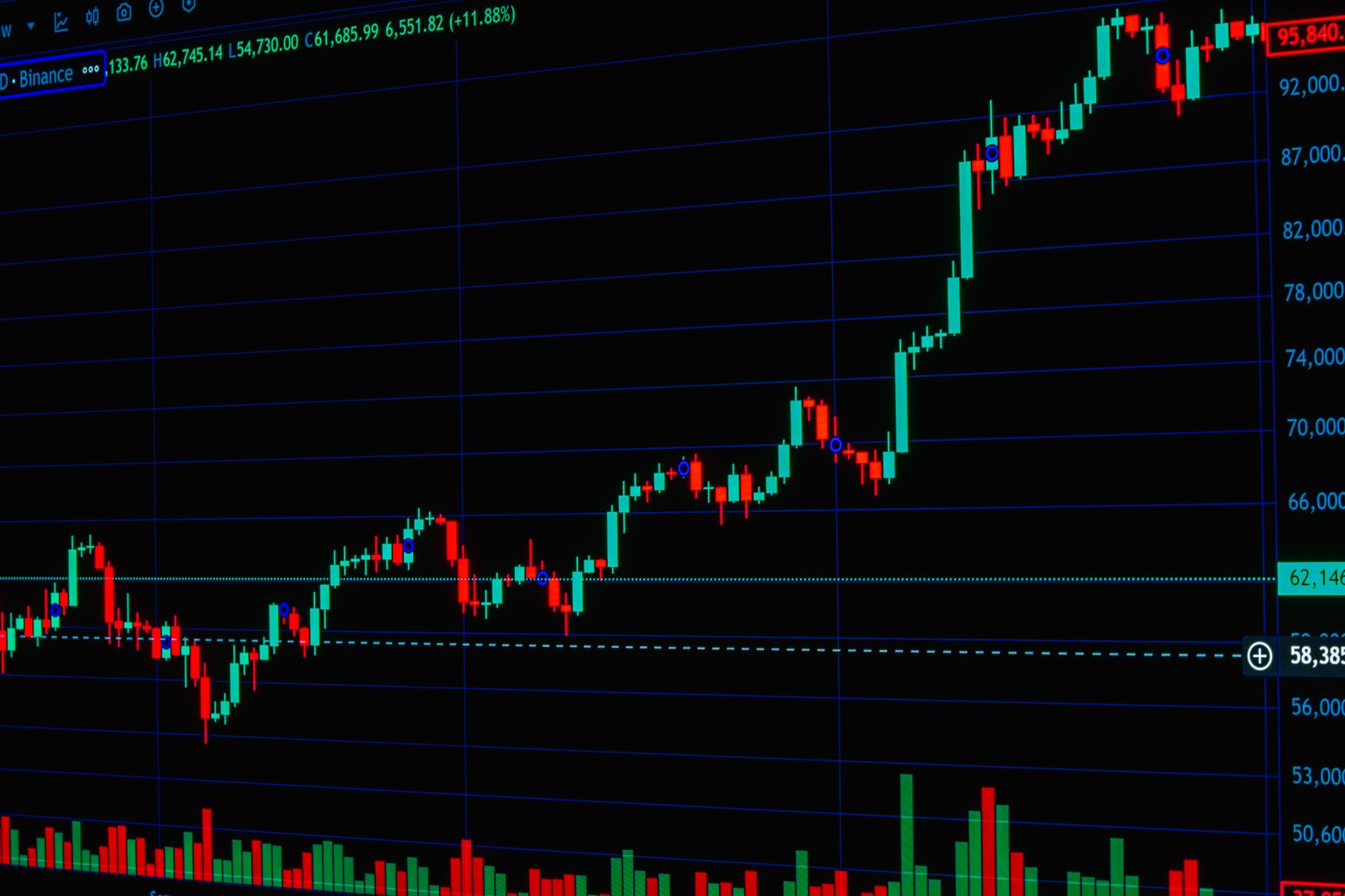
Cardano Rallies 10%, Driving Crypto Market Interest
Cardano has climbed 10% recently, indicating a significant uptick in its market valuation. This rise in price can be attributed to increased investor interest and broader market momentum, which is pushing cryptocurrency prices higher. The surge further highlights Cardano's role in the crypto market alongside other notable cryptocurrencies. The increase in price may attract more investors, contributing to market dynamics and influencing related cryptocurrencies.
Read More: Cardano Rallies 10%, Driving Crypto Market Interest
Japanese Companies in China Drop 22% Amid Diplomatic Feud
Japanese companies are reducing their operations in China, with the number dropping to 10,118 as of June, a 22% decrease from June 2024. The data, from Teikoku Databank, highlights the lowest number since 2010, attributed to worsening China-Japan relations and a broader shift in market strategy. Firms like Mazda Motor are re-strategizing due to an economic slowdown and diplomatic tensions, including China's export curbs and Japan's potential military involvement worrisome to many businesses. A reported exodus includes over 4,137 Japanese companies exiting China over the past two years, while just 1,221 have entered, marking the lowest figure outside the pandemic period. Japanese companies are pivoting towards the U.S., where profits increased to 35% compared to China's 15%, noted by Jesper Koll at Monex Group. This shift is partly driven by U.S. re-industrialization efforts. For investors, the trend reflects the changing dynamics in Asia, with impacts on profitability and strategic possibilities for Japanese companies. This retreat signals potential risks and growth opportunities as companies adjust to geopolitical tensions and economic conditions.
Read More: Japanese Companies in China Drop 22% Amid Diplomatic Feud
SpaceX Investment Returns: Possible Millionaire Path?
The article explores the potential returns of investing $5,000 in SpaceX, though it does not provide concrete numbers or specific financial forecasts. It discusses hypothetical scenarios where the investment could grow significantly, suggesting that SpaceX's future prospects might lead to high returns. However, no official statements or data from SpaceX are offered to substantiate these claims. SpaceX is not a publicly listed company, and therefore, it presents a unique investment opportunity mainly for private investors. As the company continues to work on its various ambitious projects, the potential for revenue increase could attract investor interest. Yet, without publicly available financial data or projections, predicting the exact outcome remains speculative. For ordinary investors, understanding the speculative nature and the risks involved with private company investments like SpaceX is crucial. Publicly traded alternatives offer more transparency and data for assessment.
Read More: SpaceX Investment Returns: Possible Millionaire Path?
Oil Prices Drop as Middle East Exports Recover
Oil prices are declining as exports from the Middle East recover, increasing supply in the global market. This adjustment comes as the Group of Seven (G7) countries have also decided to tap into emergency oil stocks to stabilize prices. These moves aim to address recent market disruptions and ensure steady supply. In this context, increased Middle East exports and G7 interventions are key factors driving the current trend in oil prices. The recovery in Middle East oil exports has been attributed to resumed operations in previously disrupted facilities. This has added more barrels to the market, influencing supply and consequently leading to a decrease in prices. Meanwhile, the G7's decision to access emergency reserves serves as an additional measure to counter any potential shortages. For investors and market participants, these developments suggest that oil supplies are becoming more stable. The intervention by the G7 and the normalization of exports from the Middle East are crucial for maintaining supply chain stability in the oil market.
Read More: Oil Prices Drop as Middle East Exports Recover
Hang Seng Index RSI Indicates Oversold Conditions at 23,876
The Hang Seng Index is experiencing oversold conditions, with a Relative Strength Index (RSI) of 27.96 at the level of 23,876. The RSI, a technical indicator measuring the speed and change of price movements, indicates that a level below 30 suggests the asset may be oversold, potentially presenting a buying opportunity. It provides insight into whether stocks are in an overbought or oversold condition. The current level puts the Hang Seng Index in a position that some technical analysts may consider due for a rebound. Oversold conditions don't guarantee a price correction, but they highlight possible undervaluation. Investors often use the RSI as part of a broader strategy, considering other factors before making decisions. For ordinary investors, the current RSI of the Hang Seng Index could suggest a potential opportunity, depending on subsequent market movements and other economic indicators.
Read More: Hang Seng Index RSI Indicates Oversold Conditions at 23,876
Stock Futures Flat as Investors Eye Fed Minutes
Stock futures experienced little change on Sunday evening as investors faced higher Treasury yields and awaited the Federal Reserve's meeting minutes for insights on potential interest rate movements. Futures tied to the Dow Jones Industrial Average increased 53 points, or 0.1%, while S&P 500 futures also rose 0.1%. Nasdaq-100 futures climbed 0.2%. The previous Friday, stocks closed up with the Dow gaining 250 points, the S&P 500 climbing 0.7%, and the Nasdaq Composite rallying 1.2%, reaching an all-time high earlier in the session. The increase came after a week marked by surging Treasury yields and a lackluster jobs report that tempered fears of another immediate Fed rate hike. Treasury yields remain a focal point for investors, with the 10-year yield reaching its highest level in over two decades, leading to concerns about raised borrowing costs on stocks. Despite these concerns, tech stocks led the rally, with notable gains from companies like Nvidia. Analysts suggest that the light upcoming economic calendar may influence investors along with geopolitical and market-specific developments. Investors are particularly focused on upcoming earnings reports from key companies such as JP Morgan, Constellation Brands, Levi Strauss, and PepsiCo.
Read More: Stock Futures Flat as Investors Eye Fed Minutes
Netflix (NFLX) Preferred Streaming Pick Despite Market Trends
The article from The Globe and Mail suggests that investors should not sell shares of Netflix (NFLX). Netflix is recommended as a preferred streaming stock to own in the current market environment. The article implies confidence in Netflix's business model and potential for future growth, despite challenges faced by the streaming industry. However, detailed reasons or metrics for this recommendation are not provided in the article. The article does not include specific numbers or financial data related to Netflix's performance, nor does it feature official statements from the company or analysts. It appears to focus on subjective investment strategies rather than verifiable financial metrics. This matters for ordinary investors as the article reflects one perspective on Netflix's potential in the streaming sector. Without solid financial data, investors may need additional research to assess Netflix's alignment with their portfolios.
Read More: Netflix (NFLX) Preferred Streaming Pick Despite Market Trends
Comparing Revenue Trends: Coupang vs. MercadoLibre
Coupang and MercadoLibre are two significant players in the international e-commerce market. The article analyzes the revenue trends of both companies to provide insights for investors. Coupang operates primarily in South Korea, while MercadoLibre focuses on Latin America. These companies have shown substantial growth over recent years, driven by their respective regional market strengths and e-commerce adoption rates. The article highlights that Coupang has capitalized on the rapidly growing e-commerce market within South Korea, leveraging local market dynamics. Meanwhile, MercadoLibre has experienced growth from expanding internet penetration and increasing e-commerce activities across various Latin American countries. The companies' strategies to capture market share and increase operational efficiencies are contributing to their financial performance. Investors should pay attention to these regional e-commerce markets as they continue to evolve. Understanding these trends helps assess the investment potential and identify opportunities within the global e-commerce landscape.
Read More: Comparing Revenue Trends: Coupang vs. MercadoLibre