Brazil News & Analysis
42 articles
Market Mood
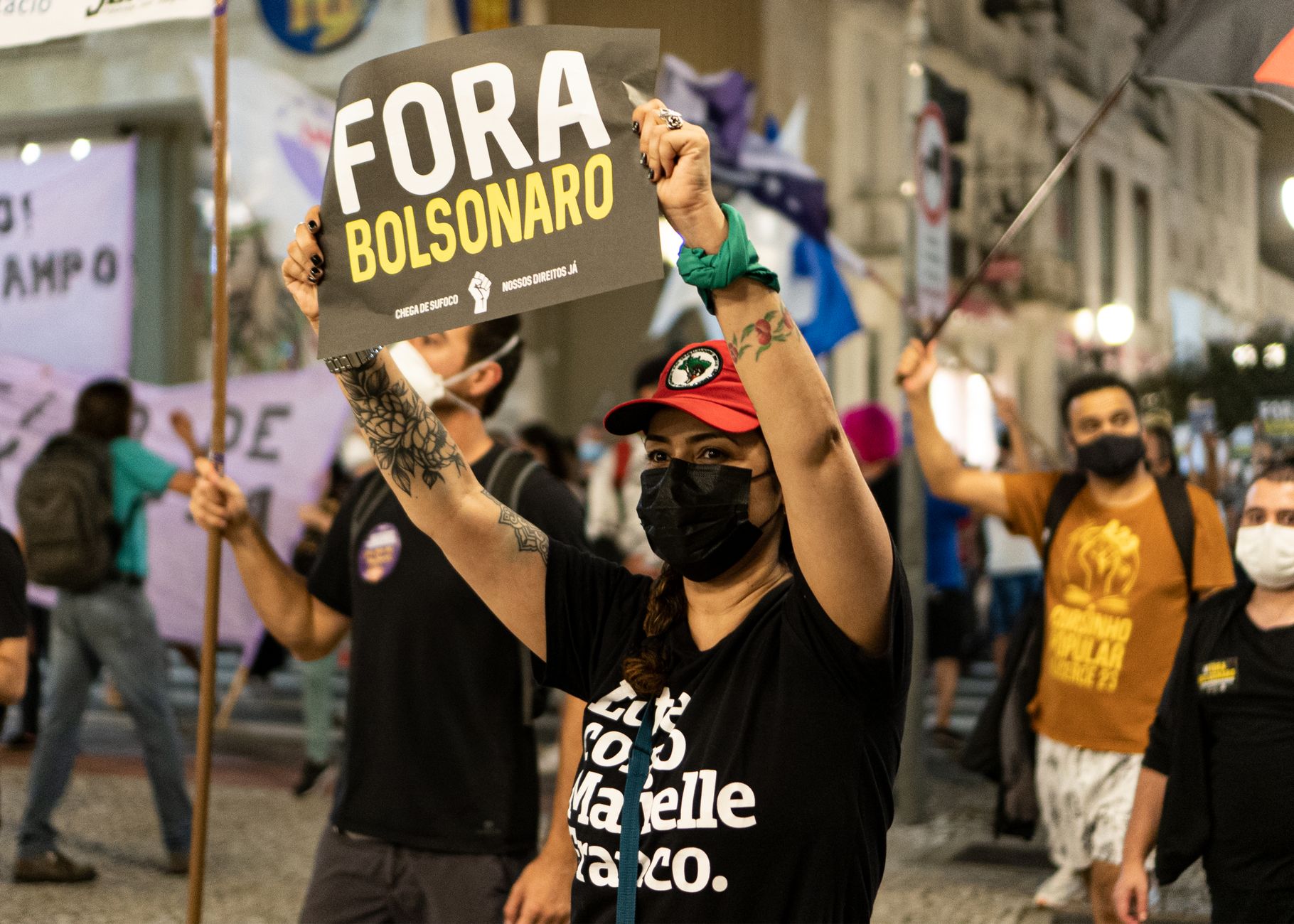
Flavio Bolsonaro Pledges Fiscal Adjustment, Social Spending Intact
Brazilian Senator Flavio Bolsonaro announced his commitment to a fiscal adjustment plan without reducing social spending. He emphasized that fiscal responsibility is crucial while ensuring that social programs remain unaffected. Bolsonaro's statement comes amid ongoing economic challenges in Brazil, where balancing fiscal consolidation with social program funding poses a significant policy challenge. Markets may view this commitment as crucial for maintaining economic stability without compromising social welfare programs.
Read More: Flavio Bolsonaro Pledges Fiscal Adjustment, Social Spending Intact
Brazil Candidates Prioritize Voter-Focused Fiscal Plans
In the lead-up to the Brazilian presidential runoff, candidates are emphasizing fiscal plans that appeal to voters. This includes promises of increased social spending without new taxes, as both contenders aim to sway undecided voters. While the plans are ambitious, details on funding remain sparse, raising concerns about potential deficits. The focus of fiscal policy proposals underscores the candidates' priority on gaining voter support over fiscal conservativism. This matters for investors as uncertain fiscal policies could impact Brazil's economic stability and attractiveness.
Read More: Brazil Candidates Prioritize Voter-Focused Fiscal Plans
Brazil Senate Approves Shorter Workweek, Impacting Employment
Brazil's Senate has approved a bill reducing the workweek, marking a significant legislative win for President Lula da Silva. This decision comes ahead of an electoral runoff, signaling potential shifts in labor policies under Lula's influence. The approval could affect employment patterns, with possible implications for productivity and economic activity in Brazil. The move to reduce the workweek is seen as a strategy to appeal to worker groups and unions, strengthening Lula's political position. The decision may also pave the way for further labor reforms under his administration. Details regarding the specific changes to the workweek duration have not been disclosed as part of this announcement. For investors, the approved bill could lead to changes in labor costs for Brazilian businesses, potentially impacting corporate profitability and market dynamics in the region. Monitoring the effects on both the labor market and business operations will be essential as the situation develops.
Read More: Brazil Senate Approves Shorter Workweek, Impacting Employment
Brazil Finance Minister Criticizes Bolsonaro Trade Policies
Brazil's finance minister criticized former President Bolsonaro's trade policies, describing them as a 'hollow illusion.' The minister argued that these policies did not lead to meaningful economic growth or improved competitiveness for Brazil on the global stage. This criticism comes as the current government evaluates previous trade strategies employed under Bolsonaro's administration. According to the finance minister, the trade agreements from that era failed to deliver substantial benefits, impacting Brazil's market positioning negatively. These remarks underline a shift in Brazil’s trade policy direction under the current administration. The government is now considering alternative trade approaches to enhance economic growth and international competitiveness. For investors, these planned policy changes could affect Brazil's economic outlook and market behavior.
Read More: Brazil Finance Minister Criticizes Bolsonaro Trade Policies
Bolsonaro Plans Comprehensive Tax Review in Brazil
Brazil's President Jair Bolsonaro has announced plans to undertake a comprehensive review of taxes implemented during the tenure of former President Luiz Inácio Lula da Silva. This move is aimed at assessing and potentially reforming tax policies from the Lula era, which Bolsonaro argues may no longer serve the country's current economic needs. The review seeks to streamline the tax regime and foster economic growth by eliminating outdated or ineffective tax measures. The initiative reflects Bolsonaro's broader economic agenda of stimulating growth through fiscal reform. Investors and businesses in Brazil may be affected by potential changes to the tax structure, influencing future profitability and investment decisions.
Read More: Bolsonaro Plans Comprehensive Tax Review in Brazil
Flávio Bolsonaro Leads in Brazil Election First Round
Flávio Bolsonaro emerged as the leading candidate in the first round of Brazil's election. This development positions him ahead of Luiz Inácio Lula da Silva. Bolsonaro's unexpected lead comes despite his association with his jailed father, a former right-wing president. The election results so far indicate a shift in voter preference that could influence future political strategies in Brazil. Flávio Bolsonaro's success in the initial round of voting suggests a resurgence in support for his family's political agenda. This result could potentially reshape Brazil's political landscape and policy direction if he maintains his lead in subsequent rounds. For investors, the outcome of this election could impact Brazil's economic policies and international relations, affecting the market sentiment towards Brazilian assets.
Read More: Flávio Bolsonaro Leads in Brazil Election First Round
Bolsonaro Surges Ahead of Lula in Brazil's Rightward Shift
Recent polls indicate that Jair Bolsonaro has taken a lead over Luiz Inácio Lula da Silva in the Brazilian presidential race. The shift marks a significant movement towards the right in Brazil's political landscape. This development comes as voters express growing concerns over economic and security issues, favoring Bolsonaro's policies. The swing in momentum to Bolsonaro highlights a growing rightward trend among Brazilian voters. Economic uncertainty and issues surrounding national security have become focal points in the campaign, potentially bolstering Bolsonaro's position. Political analysts note the importance of these issues in aligning voters with Bolsonaro. For investors, this political shift could signal future policy changes in Brazil, impacting economic regulations and international trade dynamics. Political stability in Brazil can affect the broader market environment, influencing international investments in the region.
Read More: Bolsonaro Surges Ahead of Lula in Brazil's Rightward Shift
Brazil's Elections May Reshape Judiciary & Institutions
Brazil's recent elections have created a dynamic that could significantly reshape the country's institutions. With numerous judicial vacancies expected to arise in the coming years, the elected leadership has the opportunity to nominate key figures who could influence Brazil's legal and political landscape. This potential for change is particularly pronounced in the judiciary where influence over crucial decisions may shift depending on new appointees. The direction taken by the new government could impact both domestic policies and international relationships.
Read More: Brazil's Elections May Reshape Judiciary & Institutions
Brazil Presidential Election: Trump Ally vs. Lula for 4th Term Bid
Brazil is holding a presidential election featuring a contest between Jair Bolsonaro, a Trump ally, and Luiz Inácio Lula da Silva, known as Lula, who is seeking a fourth nonconsecutive term. The election is drawing significant attention due to the contrasting profiles of the candidates, with Bolsonaro's affiliation with Donald Trump marking a notable aspect of the election narrative. Lula, a former president, is focusing on a return to office, aiming to lead Brazil once more after previous terms in power. The election encapsulates broader political tensions and potential shifts within Brazil. Bolsonaro's presidency has been marked by divisive politics, while Lula’s return could signify a different direction for the country. These factors make the election a focal point for political observers and could impact Brazil's political landscape depending on the outcome. For investors and observers, the key concern is who will lead Brazil and how this leadership change might affect economic policies and international ties. This election holds significance for determining Brazil's future path in both domestic and foreign policy arenas.
Read More: Brazil Presidential Election: Trump Ally vs. Lula for 4th Term Bid
Brazil's Lula Increases Welfare Payments Ahead of Election
Brazil's President Luiz Inácio Lula da Silva announced an increase in welfare payments to support low-income families. Starting this month, payments will rise to 600 reais (approximately $120) and will remain at this level until the end of the year. Lula also plans to introduce a new debt-relief initiative, aiming to alleviate financial burdens for citizens in the lead-up to elections in October 2024. These measures are significant as they could influence public spending and economic stability, impacting markets ahead of the elections.
Read More: Brazil's Lula Increases Welfare Payments Ahead of Election
Brazil Congress Approves Tax Exemptions for Data Centers Investment
Brazil's Congress has approved tax exemptions aimed at attracting investments in data centers. This legislative move is expected to stimulate growth in the data sector and enhance the country's appeal to foreign investors. The details of the tax exemptions were not specified, but they aim to bolster economic activity in technology infrastructure. This decision is significant as it could lead to increased investment opportunities and job creation in Brazil's technology sector, impacting ordinary investors interested in infrastructure growth.
Read More: Brazil Congress Approves Tax Exemptions for Data Centers Investment
Brazil Election: Lula and Trump Exchange Barbs Ahead of Vote
Brazil's President Lula and US Secretary of State Marco Rubio exchanged criticisms ahead of Brazil's upcoming election. The tensions reflect broader geopolitical dynamics influencing Brazil's political climate. This exchange highlights the increasingly complex relationships between Brazil and the US government. For investors, these developments could impact market sentiment regarding Brazilian assets and political stability in the region.
Read More: Brazil Election: Lula and Trump Exchange Barbs Ahead of Vote
Brazil's Fiscal Framework Maintained During Lula's New Term
Brazil will maintain its fiscal framework and spending restraint under President Lula's new term, according to statements from the finance minister. This decision indicates a commitment to fiscal discipline, which may impact Brazil's economic stability and investor confidence. The approach aims to manage public spending effectively amid challenging economic conditions. Investors often closely monitor such fiscal policies as they can influence market conditions and investor sentiment in Brazil.
Read More: Brazil's Fiscal Framework Maintained During Lula's New Term
Brazil's Fiscal Framework Stability if Lula Wins Reelection
Brazil's plan to maintain its fiscal framework under President Lula's potential reelection is highlighted in recent statements. This move indicates stability in the country's economic policies, which may influence investor confidence and market performance. The fiscal framework aims to contain public spending and manage debt levels effectively. For ordinary investors, this consistency in fiscal policy could signal a more stable investment climate in Brazil.
Read More: Brazil's Fiscal Framework Stability if Lula Wins ReelectionBrazil Implements Reciprocity Against US Tariffs as Trade Escalates
Brazil has initiated a reciprocity process against the United States in response to tariffs imposed on Brazilian steel and aluminum. This action comes after the US levied tariffs of 25% on steel and 10% on aluminum, affecting Brazilian exports significantly. The Brazilian government has not specified the exact countermeasures to be applied yet. This development could influence trade negotiations and market sentiments regarding tariffs between the two nations, affecting industries reliant on trade with Brazil.
Read More: Brazil Implements Reciprocity Against US Tariffs as Trade Escalates
Brazil Central Bank Confirms Demand-Driven Inflation Amid Rate Hikes
The Central Bank of Brazil stated that inflation persists as demand-driven, despite the rising effects of interest rate increases. The monetary authority faces pressure to balance its inflation targets while managing economic growth. Recent data suggested that inflation may remain above target levels, influencing market expectations. This situation may affect investor sentiment and decisions regarding Brazilian assets going forward.
Read More: Brazil Central Bank Confirms Demand-Driven Inflation Amid Rate Hikes
Barclays Warns Against Investing in Ambev (ABEV) Amid Sin Tax
Barclays has advised investors to steer clear of Ambev (ABEV) due to the impact of Brazil's 'sin tax' and a downturn in sales post-World Cup. The bank highlighted that these factors are likely to weigh heavily on Ambev's stock performance. Although specific numbers were not disclosed, the overall outlook suggests a challenging environment for the beer giant. Investors should consider these insights as they reflect potential risks associated with holding ABEV shares.
Read More: Barclays Warns Against Investing in Ambev (ABEV) Amid Sin Tax
Lula Criticizes US Tariffs in Recent Washington Post Op-Ed
In a recent op-ed in the Washington Post, Brazilian President Luiz Inácio Lula da Silva described new US tariffs as a mistake. Lula's comments are aimed at fostering a discussion about international trade and tariffs between the US and Brazil. The tariffs could impact various sectors, influencing market dynamics and trade relationships. This is notable for investors focused on US-Brazil trade relations and industries affected by tariff changes.
Read More: Lula Criticizes US Tariffs in Recent Washington Post Op-Ed
Brazil Prepares Tough Response to New Trump Tariffs
Brazil is preparing to respond to new tariffs imposed by the Trump administration. While the specific details of the tariffs were not disclosed, the source indicated that Brazil's reaction will be significant. This situation could affect trade relations between the two countries and may result in retaliatory measures from Brazil. For investors, changes in tariffs can impact market dynamics and the profitability of companies engaged in U.S.-Brazil trade.
Read More: Brazil Prepares Tough Response to New Trump Tariffs
U.S. Imposes 25% Tariff on Brazilian Goods Starting July 22
The U.S. will impose a 25% tariff on most imports from Brazil, effective July 22, following a yearlong investigation into unfair trade practices. This decision affects numerous sectors, with exemptions for certain products like beef, orange juice, and energy. Brazil's President Lula da Silva condemned the move, emphasizing a $424.5 billion U.S. goods surplus with Brazil over 15 years and announcing plans to challenge the tariffs through the WTO. This escalation in trade tensions may impact market stability and trade relations between the countries involved.
Read More: U.S. Imposes 25% Tariff on Brazilian Goods Starting July 22
US 25% Tariff on Brazilian Goods: Market Implications Outlined
The U.S. has imposed a 25% tariff on certain goods imported from Brazil. This decision could affect trade dynamics and market pricing for both affected goods and potential imports from other countries. Tariffs can influence inflation and consumer costs, impacting overall economic activity. For investors, the implications of changing trade policies may lead to volatility in specific sectors and influence stock performance.
Read More: US 25% Tariff on Brazilian Goods: Market Implications Outlined
Amazon Now (AMZN) Demand Rises Due to Fresh Foods in Brazil
Amazon Now (AMZN) has seen an increase in demand in Brazil attributed to its fresh food offerings. Specific figures on the percentage increase in demand or sales were not provided. The shift reflects broader consumer trends towards fresh groceries and convenience shopping. This trend could impact Amazon's market share in the Brazilian grocery sector and drive further investments in local operations. Ordinary investors should note that growth in demand for fresh foods might enhance Amazon's revenue potential in emerging markets.
Read More: Amazon Now (AMZN) Demand Rises Due to Fresh Foods in Brazil
Brazilian Police Target PCC Drug Gang Suspects Following US Sanctions
Brazilian police have acted against suspects linked to the Primeiro Comando da Capital (PCC) drug gang, which has been sanctioned by the U.S. government. The operation aims to dismantle the gang's drug trafficking operations and its financial networks. While specific figures or outcomes from these police actions were not provided, this move highlights increasing international cooperation in combating organized crime. Such operations can impact market dynamics, particularly in sectors related to security and law enforcement.
Read More: Brazilian Police Target PCC Drug Gang Suspects Following US Sanctions
Hormel Foods (HRL) Sells Brazilian Operations for Strategic Focus
Hormel Foods (HRL) announced the sale of its Brazilian operations to Zanchetta Alimentos. This transaction allows Hormel to concentrate on core markets and streamline its product offerings. The financial terms of the deal were not disclosed. This strategic move is expected to enhance Hormel's operational efficiency and focus on expanding its presence in key markets, which could potentially influence its stock performance in the future.
Read More: Hormel Foods (HRL) Sells Brazilian Operations for Strategic Focus
Cocaine Haul Seized in Brazil, Impact on Timber Trade
Brazilian authorities seized a significant quantity of cocaine concealed within timber cargo. The operation targeted a shipment from a consistent point of export identified for illicit activities. This incident underscores ongoing challenges in controlling drug trafficking and its intersection with legitimate trade. The market implications could affect the timber industry, particularly in areas with high drug trafficking activity, but specific quantitative impacts were not detailed.
Read More: Cocaine Haul Seized in Brazil, Impact on Timber Trade
Ukraine Accepts Brazil's Peace Proposal Amid Ongoing Conflict
Ukraine has agreed to a peace proposal put forth by Brazilian President Luiz Inácio Lula da Silva, as confirmed by a Kyiv adviser. This collaboration could lead to diplomatic efforts to resolve the ongoing conflict. Such developments may influence international relations and market stability, particularly in the commodities sector due to Ukraine's significance in grain exports. The proposal represents a notable diplomatic move in a complex geopolitical landscape.
Read More: Ukraine Accepts Brazil's Peace Proposal Amid Ongoing Conflict
Fitch Affirms Brazil's Stock Rating BB Amid Economic Diversity
Fitch Ratings has affirmed Brazil's stock rating at BB, indicating the country's diverse economy. This affirmation reflects Brazil's economic structure and resilient sectors. Such ratings can influence investor perception and trading decisions in Brazilian markets. The confirmed rating could impact Brazil's access to international capital markets, thereby affecting local asset prices.
Read More: Fitch Affirms Brazil's Stock Rating BB Amid Economic Diversity
BlackRock (BLK) freezes $1 billion in Brazil renewables investments
BlackRock (BLK) has halted $1 billion in investments in Brazilian renewable energy projects. This action follows delays in approvals from the Brazilian government and regulatory bodies. The move is significant as it reflects the challenges faced by foreign investors in the Brazilian market, potentially impacting the country's renewable energy sector growth. BlackRock's decision may influence investor sentiment and market dynamics in Brazil's energy landscape.
Read More: BlackRock (BLK) freezes $1 billion in Brazil renewables investments
Illegal Miners Extract Billions from Amazon Gold Despite Brazil Crackdown
Greenpeace reported that illegal miners are extracting billions of dollars' worth of gold from the Amazon rainforest in Brazil. This illegal activity occurs despite governmental crackdowns aimed at reducing environmental damage. The extraction of gold has significant implications for Brazil's economy and environmental policies. This alarming trend poses risks to both biodiversity in the Amazon and challenges for regulators and law enforcement agencies.
Read More: Illegal Miners Extract Billions from Amazon Gold Despite Brazil Crackdown
Brazil Supreme Court halts bill for Bolsonaro's early release
The Brazil Supreme Court has suspended a bill that mandated the early release of former President Jair Bolsonaro. This ruling is significant as it affects the legal status of Bolsonaro amidst ongoing political tensions in the country. The judicial decision demonstrates the Court's power in legislative matters, potentially impacting future governance and stability in Brazil's political landscape. The decision may influence market perceptions and investment decisions regarding Brazil (BZRN).
Read More: Brazil Supreme Court halts bill for Bolsonaro's early release
Atlas Lithium (ATLX) Reports $150M Market Cap and DMS Plant Status
Atlas Lithium (ATLX) has detailed its transition from exploration to pre-production in Brazil's 'Lithium Valley'. The company currently has a market capitalization of approximately $150 million and has raised institutional ownership from about 10% to nearly 20% recently. Atlas's dense media separation (DMS) processing plant, fully paid at a cost of $25-$26 million, is set to produce 150,000 tons of spodumene concentrate. Key permits have been secured, including licenses for the initial ore body and plant operations, positioning the company for future production.
Read More: Atlas Lithium (ATLX) Reports $150M Market Cap and DMS Plant Status
Braskem appoints Petrobras CEO as new chair for strategic direction
Braskem (BAK) has elected the CEO of Petrobras (PBR), Jean Paul Prates, as its new chair. This decision comes as part of Braskem's restructuring efforts to enhance governance. The leadership transition is expected to provide strategic guidance, aligning Braskem's operations with Petrobras' broader objectives. This appointment could positively influence investor confidence and operational synergies due to the close ties between the two firms.
Read More: Braskem appoints Petrobras CEO as new chair for strategic direction
Poll Shows Lula and Bolsonaro Tied in Brazil's Presidential Race
A recent poll indicates that Brazil's presidential candidates, Lula and Flavio Bolsonaro, are in a virtual tie ahead of the runoff election. This development could lead to significant political consequences in Brazil, impacting markets within the region. The candidates have been reported to have similar voter support percentages, pointing to an uncertain outcome. The result of this election may influence investments and economic policy directions in Brazil, particularly in sectors sensitive to political changes.
Read More: Poll Shows Lula and Bolsonaro Tied in Brazil's Presidential Race
Claro (AMX) Seeks Acquisitions Following 73% Stake in Desktop
Claro, a telecom operator owned by America Movil (AMX), is open to further acquisitions in Brazil after acquiring a 73% stake in internet provider Desktop for an enterprise value of 4 billion reais ($808.93 million). CEO Rodrigo Marques indicated that any new deals would focus on meeting customer needs. The acquisition's base equity price is approximately 2.4 billion reais after net debt deduction. The deal is pending approval from Brazil's CADE and Anatel authorities, which is expected by the end of 2026, highlighting Claro's commitment to expanding its footprint in Brazil's telecom market.
Read More: Claro (AMX) Seeks Acquisitions Following 73% Stake in Desktop
Prologis Brazil Logistics Venture Fundo Fund Overview and Impact
Limited data available — the article focuses on Prologis Brazil Logistics Venture Fundo without presenting specific financial figures, metrics, or significant market events. No concrete numbers, percentages, or official statements were provided to analyze market implications or company performance. Thus, the analysis could not ascertain the fund's impact on the logistics sector or broader market trends related to Prologis. Overall, this article provides insufficient data for evaluation.
Read More: Prologis Brazil Logistics Venture Fundo Fund Overview and Impact
USA Rare Earth (USARE) Acquires Serra Verde for $2.8 Billion
USA Rare Earth (USARE) announced plans to acquire Brazil's Serra Verde for $2.8 billion. This acquisition is significant as Serra Verde represents over 50% of the non-China heavy rare-earth element supply. The move aims to enhance USA Rare Earth's position in the global rare earth market, which is critical for technologies like electric vehicles and renewable energy. By securing this resource, USA Rare Earth seeks to mitigate supply chain risks associated with dependence on China for rare earth materials.
Read More: USA Rare Earth (USARE) Acquires Serra Verde for $2.8 Billion
Sigma Lithium (SGML) Secures $100M Bank Guarantee for Expansion
On April 2, Sigma Lithium Corporation (SGML) signed a $100 million collateralized bank guarantee with a Brazilian bank. This financing aims to support the construction of the Greentech Industrial Plant 2, which is expected to double the company's annual production capacity from 270,000 tonnes to 520,000 tonnes of high-grade lithium oxide concentrate. The expansion is also projected to provide socio-economic benefits by supporting approximately 13,000 jobs and impacting 21,000 people in Brazil's Jequitinhonha Valley. This strategic move reinforces SGML's position as a leading lithium producer in the Americas.
Read More: Sigma Lithium (SGML) Secures $100M Bank Guarantee for Expansion
Raizen (RAIZ4) Bank Creditors Propose Restructuring Plan
Bank creditors for Raizen (RAIZ4) have made a proposal for restructuring amid ongoing financial challenges. This proposal could potentially influence the company's financial stability and liquidity moving forward. As Raizen operates in the energy sector, the restructuring talks are significant for investors monitoring market conditions in Brazil. The outcome may have implications for trading volumes and valuations of RAIZ4 in the coming months.
Read More: Raizen (RAIZ4) Bank Creditors Propose Restructuring Plan
CSN (CSNA3) Advances Cement Unit Sale Amid Market Developments
Brazilian steelmaker CSN (CSNA3) is proceeding with the sale of its cement unit, a strategic move in its business realignment. While specific figures regarding the deal were not disclosed, the sale is part of CSN's initiative to streamline operations and reduce debt. The company aims to enhance its financial position and focus on core steel activities. This decision may impact market perceptions of CSN’s long-term value and operational efficiency.
Read More: CSN (CSNA3) Advances Cement Unit Sale Amid Market Developments
Chinese investment in Brazil shifts focus to ice cream market
Chinese investors are transitioning their focus in Brazil from energy projects, such as power dams, to the consumer market, particularly ice cream. This shift aligns with broader market trends indicating increased demand for consumer goods. Such changes may impact local economies and trade dynamics, highlighting the evolving nature of foreign investment strategies. The implications of these investments could affect market conditions in both Brazil and China, potentially opening new opportunities for growth in the consumer sector.
Read More: Chinese investment in Brazil shifts focus to ice cream market
Vale (VALE) Drives Brazil's Iron Ore Production Growth to 462.9mt
Brazil's iron ore production is projected to increase by 5.9% in 2026, reaching 462.9 million tonnes (mt), driven primarily by Vale's (VALE) strong output. Vale's production in 2025 was 336.1mt, accounting for 76.9% of Brazil's total output. The Capanema mine within Vale's Mariana Mining Complex is set to add 15 mtpa to the company's 2026 target. The Brazilian government is also working on updating its mineral policy framework to support long-term sustainable development in the sector.
Read More: Vale (VALE) Drives Brazil's Iron Ore Production Growth to 462.9mt
Brazil's public debt reaches 79.2% of GDP in February 2023
In February 2023, Brazil's public debt increased to 79.2% of its GDP. This figure highlights a growing concern regarding the country's fiscal health and sustainability. Rising debt levels can affect investor confidence and potentially lead to increased borrowing costs. Tracking public debt as a percentage of GDP is critical for understanding Brazil's economic stability and its impacts on market conditions, particularly for financial instruments linked to government securities.
Read More: Brazil's public debt reaches 79.2% of GDP in February 2023