Elections News & Analysis
50 articles
Market Mood

DOJ Asks Supreme Court to Block Counting of 20,000 CA Mail Ballots
The Department of Justice (DOJ) has petitioned the U.S. Supreme Court to temporarily stop California from counting mail-in ballots from about 20,000 voters. The DOJ claims these voters are likely not U.S. citizens and therefore ineligible to vote in federal elections. This request came after the 9th Circuit U.S. Court of Appeals rejected the DOJ's appeal to overturn a federal judge's ruling allowing the ballots to be counted. The petition was filed a day before Election Day for the upcoming midterm elections, which will decide party control in Congress. Solicitor General D. John Sauer stated that once the ballots are mixed with lawful votes, they cannot be separated. The DOJ argues it has suffered a legal injury due to the votes cast by alleged non-citizens, challenging the lower court's decision that the DOJ lacked standing. A federal district judge had denied the DOJ's request to exclude these ballots, emphasizing the importance of maintaining state election procedures. This legal dispute matters because it could affect the validity and counting of thousands of mail-in ballots in California, a pivotal state in federal elections. How the Supreme Court responds may influence how states handle questions of voter eligibility near election dates, potentially impacting vote totals and election outcomes in Congress.
Read More: DOJ Asks Supreme Court to Block Counting of 20,000 CA Mail Ballots
Prediction Markets Continue Missing Election Outcomes Ahead of Midterms
Prediction markets have consistently failed to accurately forecast election results in recent cycles. This trend raises concerns about their reliability for the upcoming midterm elections. Analysts note that despite their previous prominence, these markets have struggled to predict key electoral outcomes. The article cites the ongoing difficulty these markets face in capturing voter behavior and election dynamics. No specific numbers or prediction accuracies are provided, but the concern is that this pattern may repeat in the midterms. The Wall Street Journal highlights the growing skepticism among observers about the utility of these markets for political forecasting. This matters for investors and political watchers who look to prediction markets as indicators of election outcomes. If these markets continue to miss, their value as tools for gauging political risk and related market implications may diminish. Understanding this limitation helps in assessing the reliability of such forecasts in investment decisions.
Read More: Prediction Markets Continue Missing Election Outcomes Ahead of Midterms
Betting Odds Show Higher Certainty Than Polls Despite Differences
Betting odds currently indicate a higher level of certainty about election outcomes than public opinion polls. This contrast suggests that betting markets may synthesize information differently than traditional polling methods. However, experts caution against overinterpreting betting odds as definitive forecasts. While betting odds reflect the probability traders assign to various outcomes, they do not guarantee actual results. Polls capture snapshots of voter intentions but can be less certain due to sampling and timing factors. The differences highlight that betting markets and polls serve distinct roles in measuring political expectations. For investors and market watchers, understanding the nuances between betting odds and polls is important. Betting odds may influence market sentiment or trading strategies, but relying solely on them ignores polling dynamics. Combining both sources provides a more comprehensive picture of election risks and probabilities.
Read More: Betting Odds Show Higher Certainty Than Polls Despite Differences
Brazil Election Spurs Drop in Agri-Commodities Due to Real's Fall
Brazil's surprise election victory of Lula led to a steep fall in the Brazilian real currency. This decline made Brazilian agricultural exports more competitive on the global market. As a result, farmers in other countries are facing reduced pricing power for their commodities. The shift highlights the impact of currency fluctuations and political events on global commodity markets. The Brazilian real's depreciation directly affects export prices, making Brazilian goods cheaper for buyers abroad. This situation pressures farmers elsewhere to lower prices or lose market share. The article does not specify exact percentage changes but emphasizes the substantial influence of this election outcome on commodity pricing dynamics. For investors, this means potential volatility in agricultural commodity prices due to geopolitical and currency risk centered on Brazil's market. The fall in the Brazilian real could translate into lower revenues for non-Brazilian agricultural producers and impact agricultural commodity-related investments.
Read More: Brazil Election Spurs Drop in Agri-Commodities Due to Real's Fall
Democrats Likely to Take House Control in 2026 Midterm, Polls Show
Investors expect Democrats to gain control of the House of Representatives in the upcoming 2026 midterm election, according to public polling and analyst reports. Most analysts believe that the Democrats are also close to gaining a Senate majority, though this outcome is less certain. The election will decide congressional control for the remaining two years of President Donald Trump's term. Analysts suggest that a divided government could result in legislative gridlock, limiting major policy changes despite Democratic spending plans. A report from Piper Sandler projects that Democratic policies could add $5 trillion to the deficit over the next decade, including repealing tariffs and reversing Medicaid and Affordable Care Act cuts. A divided Congress usually makes it harder to pass must-pass legislation such as government funding and raising the debt ceiling, raising concerns about a potential debt ceiling standoff. Trump's veto power could block large Democratic policy initiatives even if they gain the House. Investor surveys show strong confidence in Democratic control of the House, with more divided views on the Senate. This matters to investors because a divided Congress could slow policy changes but increase uncertainty around key fiscal decisions like the debt ceiling. How Congress is controlled will affect government spending and fiscal policies over the next two years and can influence market risk related to federal funding and deficits.
Read More: Democrats Likely to Take House Control in 2026 Midterm, Polls Show
Israel Vote: Netanyahu Bloc Wins 53 Seats, Faces Coalition Hurdle
Israel's final election results show Prime Minister Benjamin Netanyahu's right-wing bloc won 53 seats in the 120-seat Knesset, short of the 61 needed to form a government. This is a decline from 64 seats in 2022. The main opposition alliance, led by Gadi Eisenkot, secured 48 seats but also fell short of a majority. The election outcome is set to cause weeks of coalition negotiations and political uncertainty. Opposition parties mostly reject cooperation with the Arab-led parties, which won a combined 19 seats, an all-time high for those groups. Netanyahu's faction has claimed, without evidence, that Arab-led parties "stole" the election and alleged foreign interference aimed at affecting the vote. Supreme Court Justice Noam Sohlberg has asked the Shin Bet security agency to investigate suspicions of improper foreign influence, though no proof has been found. Qatar has denied accusations of election interference. Final results may undergo minor corrections before certification. The Knesset is scheduled to be sworn in on November 10, with challenges to the results allowed until November 18. This political impasse means Netanyahu may remain caretaker prime minister during extended coalition talks or another election. Such uncertainty affects government formation and future policy-making in Israel, highlighting risks for stability and investor consideration of political factors.
Read More: Israel Vote: Netanyahu Bloc Wins 53 Seats, Faces Coalition Hurdle
Israel Election Claims by Netanyahu's Party Without Verified Evidence
Israel's Prime Minister Netanyahu's party has repeated unproven claims that Arab-led parties have "stolen" the recent election. These allegations have not been supported by verified evidence or official election results. The report does not provide specific figures or details about the vote counts or official investigations. The Arab-led parties and election authorities have not confirmed any irregularities. The claims have generated political tension but remain unsubstantiated by factual data. This news matters because unverified election claims can influence political stability and voter confidence in Israel. The allegations might affect future coalition talks and public trust in the electoral process, even though no concrete proof supports the accusations as of now.
Read More: Israel Election Claims by Netanyahu's Party Without Verified Evidence
Israel Election Partial Results Show No Clear Government Majority
Partial results from Israel's recent election indicate that neither Prime Minister Benjamin Netanyahu nor his opponents have an easy path to form a majority government. The votes counted so far suggest a fragmented parliament with no single faction holding a decisive lead. This outcome complicates efforts to establish a stable government and implies that coalition negotiations will be necessary. Neither Netanyahu's bloc nor the opposition has secured enough seats outright to govern independently, creating a politically uncertain environment. This matters for investors and markets because prolonged political uncertainty in Israel may affect economic policy decisions and regional stability. The timeline and outcome of coalition talks will be key for understanding future developments in Israeli governance.
Read More: Israel Election Partial Results Show No Clear Government Majority
Israeli Election Exit Polls Show No Majority for Leading Blocs
Exit polls from the Israeli parliamentary election indicate that Gadi Eisenkot's bloc is slightly ahead of Benjamin Netanyahu's coalition. However, neither side is projected to secure a majority in the Knesset. The results suggest a fragmented vote with no clear winner emerging from the election. The exit polls were reported based on TV surveys conducted after voting concluded. Both major blocs are competing for control but face challenges in forming a governing coalition. The lack of a majority for either group points to potential coalition negotiations and political uncertainty ahead. This outcome matters for markets as political instability in Israel could affect economic policies and investor confidence. The election results highlight the complexity of Israel's proportional representation system and the importance of coalition building for governance.
Read More: Israeli Election Exit Polls Show No Majority for Leading Blocs
Brazil’s Lula Win Defies Regional Right Shift, Blocks Trump Ally
Luiz Inácio Lula da Silva won Brazil’s presidential election, preventing a shift towards right-wing leadership in the region. This victory stops former U.S. President Donald Trump from gaining a potential ally in Latin America. The election result contrasts with recent right-wing successes in several other Latin American countries. Lula's win is significant because it maintains a left-leaning government in the largest economy of Latin America. This outcome may influence diplomatic and economic relations between Brazil and the United States during the coming years. Lula’s administration is expected to focus on different policies from those favored by right-wing leaders. For investors and markets, the election result suggests continued emphasis on social programs and environmental concerns under Lula's leadership. Trade and foreign investment might see changes aligned with this political orientation. This election highlights how political shifts in major countries can impact regional alliances and international relations.
Read More: Brazil’s Lula Win Defies Regional Right Shift, Blocks Trump Ally
Lula Re-elected Brazil President in Close Vote Over Bolsonaro
Luiz Inácio Lula da Silva was re-elected as Brazil's president in a closely contested election against Flávio Bolsonaro. Lula is 80 years old and represents a leftist political stance. His victory is viewed as a setback to former US President Donald Trump's ambitions to increase US influence in Latin America. The election outcome reflects a narrow margin between the two candidates, signaling a highly divided electorate in Brazil. Lula's win marks a return to leadership after his previous terms, with implications for both domestic policy and international relations. This result matters because it will influence Brazil's political direction and its interactions with the United States, particularly regarding US interests in Latin America. Lula's leadership may shift policy priorities away from those favored by the Trump administration.
Read More: Lula Re-elected Brazil President in Close Vote Over Bolsonaro
Brazil Markets React to Lula's Election Win with Rout Concerns
Brazilian financial markets are preparing for significant declines following the unexpected election victory of Luiz Inácio Lula da Silva. Investors anticipate a market rout as uncertainty grows about the future economic policies under Lula's administration. The article from Bloomberg highlights a broad market concern but does not provide specific figures such as percentage drops or index values. The election result is described as improbable, suggesting market sentiment is unsettled and caution is prevailing among investors in Brazil. This reaction matters for global and domestic investors because it could affect asset prices, risk assessments, and investment strategies in Brazilian equities and related markets. The timing of these changes aligns with the election result, signaling potential volatility and adjustments in the coming weeks.
Read More: Brazil Markets React to Lula's Election Win with Rout Concerns
Serbia Ex-President Vučić Concedes Defeat in Parliamentary Poll
Serbia's former president Vučić has conceded defeat to the Student List in the recent parliamentary election. The election saw a near-record voter turnout, which favored the grassroots Student List party over Vučić's nationalist leadership. This loss represents a significant political shift in Serbia, marking a dramatic decline for Vučić's influence. The results show increased support for new political forces emerging from civil society and student groups. The outcome matters because it indicates a change in Serbia's political landscape, with the Student List gaining parliamentary power. This shift could influence future policy directions and political alignments in the country.
Read More: Serbia Ex-President Vučić Concedes Defeat in Parliamentary Poll
Brazil Votes in Tight 2026 Runoff Between Lula and Bolsonaro
Brazilians voted on October 4, 2026, in a closely contested presidential runoff between incumbent Luiz Inacio Lula da Silva of the Workers' Party (PT) and right-wing Senator Flavio Bolsonaro of the Liberal Party (PL). Flavio Bolsonaro surprised pollsters by leading in the first round and aims to continue a rightward political shift in Latin America. A narrow 45-vote win for Bolsonaro would extend the trend of conservative wins in the region aligned with U.S. former President Donald Trump. The election campaign has involved debates over economic concerns, corruption, and U.S. influence. Jair Bolsonaro, Flavio's father and a former president, was convicted in 2025 for plotting a 2022 coup, and Flavio has pledged to free him if elected. Trump has denied meddling but has imposed tariffs on Brazil related to the Bolsonaro case and trade disputes. Lula opposes these tariffs and presents his election as resistance against external pressure. Economic issues such as high living costs and household debt have challenged Lula despite gains in reducing inequality and unemployment. Bolsonaro focuses on crime control promises like maximum-security prisons and chemical castration for serious offenders. The runoff outcome will significantly impact Brazil's political direction and its relations with the United States. Investors should watch this closely due to potential shifts in Brazil's trade policies and regional political alignment.
Read More: Brazil Votes in Tight 2026 Runoff Between Lula and BolsonaroTrump Votes Early in Florida Midterms, Backs GOP Candidates in 2026
U.S. President Donald Trump cast his ballot early in the 2026 midterm elections in West Palm Beach, Florida, voting for all Republican candidates. He arrived with First Lady Melania Trump at the Palm Beach County Supervisor of Elections office on October 24, 2026. Trump wore an "I Voted" sticker and confirmed he voted along party lines. Despite his previous criticism of voting by mail, Trump voted in person after spending the morning at his golf course. He defended a controversial ad by Ohio Republican gubernatorial candidate Vivek Ramaswamy and stated his support for legal actions related to the U.S. Senate race in Alaska involving two candidates named Dan Sullivan. Trump also commented on the war in Iran, indicating a potential for a conclusion either through finishing the conflict or a deal. Meanwhile, Melania Trump facilitated a ceasefire in the Russian-occupied Ukrainian city of Oleshky to allow humanitarian aid and evacuations, and she mentioned the possibility of traveling to Ukraine. In Florida, Trump endorsed Republican Rep. Byron Donalds, who is running to succeed term-limited Gov. Ron DeSantis, and supported Republican Sen. Ashley Moody, who seeks to complete the remaining two years of Marco Rubio's Senate term against Democrat Angie Nixon. This early voting and endorsements suggest Trump's active involvement in shaping the Republican presence in key races during the 2026 midterms. This matters to investors as political endorsements and early voting can influence the balance of power, potentially affecting future policies that impact economic and regulatory environments tied to the midterm elections.
Read More: Trump Votes Early in Florida Midterms, Backs GOP Candidates in 2026Brazil's Lula Uses State Funds Ahead of Bolsonaro Runoff
Brazilian President Luiz Inacio Lula da Silva has activated government resources to gain voter support ahead of the runoff election against Jair Bolsonaro. The measures include spending programs and social initiatives aimed at benefiting key voter groups. The government is deploying these state tools to influence public opinion as the electoral contest tightens. Specific spending amounts or program details were not quantified in the article. This effort highlights how incumbent politicians use government spending as part of campaign strategies in tight electoral contests. Understanding these actions is important for assessing the upcoming Brazilian election's political and economic implications.
Read More: Brazil's Lula Uses State Funds Ahead of Bolsonaro Runoff
Vivek Ramaswamy Ohio Ad Costs $4M, Faces Bipartisan Backlash
Vivek Ramaswamy's Ohio gubernatorial campaign aired a controversial ad featuring the estranged mother of his Democratic opponent, Amy Acton. The ad includes Donna Arthur accusing Acton of lying and urging voters not to support her. Acton's opponent's stepfather had been charged with raping her as a child and fled until his death in 2004. President Donald Trump defended the ad, calling Acton a liar and criticizing those asking for its removal. Ohio Governor Mike DeWine condemned the ad as "deeply troubling" but continued to support Ramaswamy's candidacy. Trump's comments followed similar remarks by his vice president, JD Vance, who downplayed concerns about the ad's appropriateness. Ramaswamy's campaign has spent nearly $95,000 to air the ad over 100 times across Cleveland, Columbus, and Cincinnati. Axios reported a total campaign commitment of $4 million for the ad. This advertising strategy is significant as it highlights political tensions within the Ohio Republican Party ahead of the gubernatorial race and could influence voter perceptions.
Read More: Vivek Ramaswamy Ohio Ad Costs $4M, Faces Bipartisan Backlash
Europe's Far Right Gains Amid France Fuel-Price Protests Ahead of Elections
France is experiencing widespread protests triggered by rising fuel prices. These demonstrations have led to increased support for far-right political parties across Europe. The unrest in France is part of a broader trend where voters express anger over energy costs ahead of key upcoming elections. Far-right parties are capitalizing on this dissatisfaction to boost their political influence. This shift may affect electoral outcomes and policy directions in various European countries. The fuel-price issue underscores economic and social challenges that could reshape the political landscape. For ordinary investors, the growing support for far-right parties linked to fuel-price anger could influence market sentiment and political risk in Europe ahead of the elections.
Read More: Europe's Far Right Gains Amid France Fuel-Price Protests Ahead of Elections
Pro-Western Opposition Wins Czech Senate Election, Defeats PM Babiš
The pro-Western opposition achieved significant victories in the Czech Senate elections, defeating the incumbent populist Prime Minister Andrej Babiš. This electoral outcome represents a major setback for PM Babiš and his administration. It signals a potential shift in the political landscape of the Czech Republic favoring more pro-Western policies. The elections result in the pro-Western opposition gaining a stronger footing within the Czech legislative framework, potentially influencing future policies in the region. For ordinary investors, the political shift could lead to changes in Czech policies that affect market conditions, especially in sectors sensitive to government regulations and international relations.
Read More: Pro-Western Opposition Wins Czech Senate Election, Defeats PM Babiš
Congressional Iran War Votes Highlighted in Campaign Ads
Votes in Congress regarding the potential for war with Iran have become a central issue in campaign advertisements. These votes are being used to attack political opponents by focusing on their stance on military action against Iran. Various candidates in upcoming elections are using these votes to shape their campaign narratives and appeal to voter concerns about military engagement and foreign policy. The political landscape is increasingly shaped by how candidates voted on the Iran war authorization, with some ads praising non-interventionist positions while others criticize perceived military hawkishness. This has made foreign policy, particularly concerning Iran, a significant topic in the electoral campaigns. For investors, understanding the political climate and foreign policy stances can be crucial as they might affect market stability and defense sector investments. The evolving discussions on international conflicts could lead to changes in defense contracts and other related governmental spending.
Read More: Congressional Iran War Votes Highlighted in Campaign Ads
Trump Press Secretary Katie Zacharia Fired After Five Days
Katie Zacharia, the press secretary for former President Donald Trump, was dismissed from her position after just five days. The short tenure coincides with increasing turmoil within the Trump team as the midterm elections approach. The turnover may reflect internal challenges as Trump's political efforts intensify ahead of the elections. This development highlights ongoing instability which could impact Trump's public relations strategy in the lead-up to the elections.
Read More: Trump Press Secretary Katie Zacharia Fired After Five Days
Trump Rallies with Top Republicans in Georgia Battleground
Former U.S. President Donald Trump held a rally in Georgia, a critical battleground state for upcoming elections. The event featured several prominent Republican leaders who joined Trump in addressing a crowd of supporters. The rally highlighted key political strategies and messages aimed at solidifying support in the state, which has been pivotal in recent elections.
Read More: Trump Rallies with Top Republicans in Georgia Battleground
JB Pritzker Engages Farmers Amid Presidential Speculation
Illinois Governor JB Pritzker has been actively engaging with farmers, sparking speculation about his potential presidential ambitions. Pritzker has been traveling across various agricultural communities, addressing farmer concerns and showcasing his support for the agricultural sector. This comes amid broader political discussions regarding potential candidates for upcoming presidential elections. By focusing on agricultural initiatives, Pritzker aims to garner support from rural voters, a key demographic in national politics. His efforts to strengthen ties with the farming community are notable amid ongoing challenges in the agricultural sector, including fluctuating commodity prices and trade uncertainties. Pritzker's campaign activities highlight the influence of agriculture in shaping political platforms. These engagements may increase Pritzker's political visibility, positioning him as a potential contender for higher office. It underscores the importance of agriculture in campaign strategies, reflecting broader trends in political outreach and voter engagement. For investors, connecting with key political figures like Pritzker can signal potential shifts in agricultural policy and funding priorities.
Read More: JB Pritzker Engages Farmers Amid Presidential Speculation
Brazil Candidates Prioritize Voter-Focused Fiscal Plans
In the lead-up to the Brazilian presidential runoff, candidates are emphasizing fiscal plans that appeal to voters. This includes promises of increased social spending without new taxes, as both contenders aim to sway undecided voters. While the plans are ambitious, details on funding remain sparse, raising concerns about potential deficits. The focus of fiscal policy proposals underscores the candidates' priority on gaining voter support over fiscal conservativism. This matters for investors as uncertain fiscal policies could impact Brazil's economic stability and attractiveness.
Read More: Brazil Candidates Prioritize Voter-Focused Fiscal Plans
U.S. Sues California Over Mail Voter Citizenship Checks
The U.S. federal government has filed a lawsuit against California, aiming to prevent non-U.S. citizens from voting by mail in federal elections. The Department of Justice (DOJ) initiated this legal action, urging the court to stop California from counting mail-in ballots from individuals potentially identified as non-citizens until their citizenship is verified. California Governor Gavin Newsom, responding to this development, criticized the lawsuit as a political maneuver. The DOJ's suit, lodged in the U.S. District Court in Los Angeles, follows a two-day notice given by Acting U.S. Deputy Attorney General Trent McCotter to California's Secretary of State, Shirley Weber. The DOJ has raised concerns about the citizenship status of certain voters receiving ballots for the upcoming federal election scheduled for November 3. Notably, a list of names was shared with Los Angeles County officials for further verification. This legal battle highlights ongoing federal versus state tensions over election administration. The outcome may significantly impact election processes in California, potentially setting a precedent for how citizenship verification is handled for mail-in voters.
Read More: U.S. Sues California Over Mail Voter Citizenship Checks
Data Centre Backlash Impacts US Elections and Legislation
A US senator is focusing on data centres, spurred by public backlash. Legislation is being drafted to curb their rapid expansion in the US. According to the senator's adviser, regular meetings are now scheduled to address the growing concerns. The backlash reflects fears associated with AI growth and has bipartisan support across the country. Local rules govern data centre construction, meaning federal lawmakers have limited control, but public opposition is driving legislative interest. Chloe Autio, an AI policy adviser, notes pushback from both left and right-wing constituents. Amazon is constructing a massive data centre in Indiana, comprising 26 buildings and 782 diesel generators. Similarly, Ohio is set to host a six-square-mile data centre complex, backed by OpenAI, Nvidia, and the US Department of Energy. There are roughly 3,000 data centres in the US, with numbers potentially doubling in the coming years, reports Pew Research Center. This growth amplifies opposition and positions data centres as a critical political issue in upcoming elections. This legislative focus could significantly impact companies in the AI and data centre sectors. Investors should be aware of potential regulatory changes that may increase operational costs or limit growth.
Read More: Data Centre Backlash Impacts US Elections and Legislation
Modi Defends India Amid Protests Over Voter Fraud Allegations
Protests have escalated in India, demanding the resignation of Chief Election Commissioner Gyanesh Kumar over alleged voter fraud. These demonstrations include a march led by opposition leader Rahul Gandhi, with thousands joining to protest against revisions to the voter list. Approximately 130 million names have been removed from the voter list in an update known as 'special intensive revisions' (SIR). The government has cracked down on these protests, detaining members of the Cockroach Janta Party and restricting protest sites in New Delhi. Prime Minister Narendra Modi defended India's democratic principles during a Bloomberg New Economy event, asserting the importance of open debates and diverse perspectives. In response to the growing unrest, Modi emphasized that India is the 'mother of democracy.' Meanwhile, the opposition, led by Gandhi, is pursuing legal action to challenge the Election Commission's voter list revisions. Despite the crackdown, protestors vow to continue their campaign for electoral reforms, manifesting significant public resistance to government actions. This situation matters to investors watching India's political stability, as prolonged unrest or government instability could impact economic confidence and market conditions.
Read More: Modi Defends India Amid Protests Over Voter Fraud Allegations
Disaster Relief Funding Enters Trump's Midterm Rhetoric
Disaster relief funding has recently become a topic in former President Trump's midterm election rhetoric. Critics express concerns that disaster relief should not be politicized or tied to election campaigns. These concerns emphasize the importance of maintaining disaster relief as an apolitical issue focused on aiding those in need rather than as a political tool during campaigns. This development is notable as it highlights the intersection of disaster response and political strategies, potentially influencing public perception of both political figures and disaster management policies. Investors and political stakeholders might pay attention to how this integration could affect policy decisions and resource allocations in future disaster management efforts.
Read More: Disaster Relief Funding Enters Trump's Midterm Rhetoric
Clyburn Advises Democrats on Strategy to Engage Black Voters
Jim Clyburn has urged the Democratic Party to focus on affordability when reaching out to Black voters. He warned that the Republican party's actions on redistricting could provoke a backlash. Clyburn labeled current policies under Trump as 'Jim Crow 2.0,' indicating a concern for renewed discriminatory practices. His comments suggest potential political shifts and challenges in upcoming elections related to voter demographics and party strategies. Clyburn’s emphasis on affordability indicates the party’s potential strategy to address economic concerns among Black voters. The political landscape might see further polarization based on these themes. The statement also highlights the broader debate over redistricting and its impact on voter representation. For investors, changes in political strategies can affect sectors sensitive to regulatory changes. A focus on affordability could influence issues like minimum wage and housing policy, areas that can shift market dynamics.
Read More: Clyburn Advises Democrats on Strategy to Engage Black Voters
Spain's PM Calls Nov 29 Snap Election Amid Housing Crisis
Spanish Prime Minister Pedro Sánchez has announced a snap election for November 29, following the rejection of measures meant to address a housing crisis. The announcement was made in response to rising public anger and large protests, including violent clashes with police, over the weekend. The discontent was fueled by specific events like the eviction of an elderly disabled woman and broader issues such as cost of living and housing affordability. Sánchez's government, a minority left-wing coalition, has faced challenges in passing significant reforms due to its lack of a parliamentary majority. The housing crisis is part of broader social issues in Spain, including wage stagnation and tensions over immigration, particularly after a large influx of migrants in July. The current political climate reveals deep dissatisfaction in the country regarding living standards and government actions. For investors, these developments highlight the potential for political instability in Spain, which could impact economic policies and market conditions. The snap election could determine future policy direction, including changes to housing regulations and economic strategy.
Read More: Spain's PM Calls Nov 29 Snap Election Amid Housing Crisis
Flávio Bolsonaro Leads in Brazil Election First Round
Flávio Bolsonaro emerged as the leading candidate in the first round of Brazil's election. This development positions him ahead of Luiz Inácio Lula da Silva. Bolsonaro's unexpected lead comes despite his association with his jailed father, a former right-wing president. The election results so far indicate a shift in voter preference that could influence future political strategies in Brazil. Flávio Bolsonaro's success in the initial round of voting suggests a resurgence in support for his family's political agenda. This result could potentially reshape Brazil's political landscape and policy direction if he maintains his lead in subsequent rounds. For investors, the outcome of this election could impact Brazil's economic policies and international relations, affecting the market sentiment towards Brazilian assets.
Read More: Flávio Bolsonaro Leads in Brazil Election First RoundBolsonaro Surges Ahead of Lula in Brazil's Rightward Shift
Recent polls indicate that Jair Bolsonaro has taken a lead over Luiz Inácio Lula da Silva in the Brazilian presidential race. The shift marks a significant movement towards the right in Brazil's political landscape. This development comes as voters express growing concerns over economic and security issues, favoring Bolsonaro's policies. The swing in momentum to Bolsonaro highlights a growing rightward trend among Brazilian voters. Economic uncertainty and issues surrounding national security have become focal points in the campaign, potentially bolstering Bolsonaro's position. Political analysts note the importance of these issues in aligning voters with Bolsonaro. For investors, this political shift could signal future policy changes in Brazil, impacting economic regulations and international trade dynamics. Political stability in Brazil can affect the broader market environment, influencing international investments in the region.
Read More: Bolsonaro Surges Ahead of Lula in Brazil's Rightward Shift
Brazil's Elections May Reshape Judiciary & Institutions
Brazil's recent elections have created a dynamic that could significantly reshape the country's institutions. With numerous judicial vacancies expected to arise in the coming years, the elected leadership has the opportunity to nominate key figures who could influence Brazil's legal and political landscape. This potential for change is particularly pronounced in the judiciary where influence over crucial decisions may shift depending on new appointees. The direction taken by the new government could impact both domestic policies and international relationships.
Read More: Brazil's Elections May Reshape Judiciary & Institutions
Brazil Presidential Election: Trump Ally vs. Lula for 4th Term Bid
Brazil is holding a presidential election featuring a contest between Jair Bolsonaro, a Trump ally, and Luiz Inácio Lula da Silva, known as Lula, who is seeking a fourth nonconsecutive term. The election is drawing significant attention due to the contrasting profiles of the candidates, with Bolsonaro's affiliation with Donald Trump marking a notable aspect of the election narrative. Lula, a former president, is focusing on a return to office, aiming to lead Brazil once more after previous terms in power. The election encapsulates broader political tensions and potential shifts within Brazil. Bolsonaro's presidency has been marked by divisive politics, while Lula’s return could signify a different direction for the country. These factors make the election a focal point for political observers and could impact Brazil's political landscape depending on the outcome. For investors and observers, the key concern is who will lead Brazil and how this leadership change might affect economic policies and international ties. This election holds significance for determining Brazil's future path in both domestic and foreign policy arenas.
Read More: Brazil Presidential Election: Trump Ally vs. Lula for 4th Term Bid
Bosnia Elections Amid Ethnic Tensions and Russian Influence
Bosnia held elections amid rising ethnic tensions and significant influence from a pro-Russian politician. The political landscape of the country's regions, the Federation of Bosnia and Herzegovina and Republika Srpska, plays a critical role in governance, with ethnic parties competing for power. A prominent pro-Russian politician has increased attention on the role Russia might play in the region's political future. The election outcomes could affect regional stability and international relations, particularly given the current geopolitical landscape involving Russia. The Federation's government, composed of Bosniaks and Croats, and the Serb-dominated Republika Srpska have embedded ethnic divides that influence policy and regional alignment. The pro-Russian stance of certain politicians adds complexity to the election, with significant international interest in how these alliances might influence broader regional politics. The election underscores the ongoing influence of international politics on Bosnia's internal and regional stability. For investors and policymakers, the outcome of this election could impact economic stability and political alliances in the Balkans. As ethnic tensions and external influences shape the election, monitoring developments in Bosnia can provide insights into potential shifts in regional power dynamics.
Read More: Bosnia Elections Amid Ethnic Tensions and Russian Influence
Bosnia's Election Could Impact EU Membership Bid
Bosnia will hold elections on Sunday, which could influence the country's long-standing endeavor to join the European Union. The elections are seen as a pivotal moment for Bosnia, as the results could steer the nation either towards deeper European integration or increased internal division. Government officials emphasize the significance of this election in aligning Bosnia's policies with EU standards. The main parties in Bosnia are expected to contest control over national institutions. The future government's approach to EU membership and necessary reforms could shape Bosnia's prospects for joining the EU. This election is a critical event, with outcomes that may affect Bosnia's political stability and regional influence. Investors and stakeholders are keeping a close eye on the outcomes, as policies arising from the new government may influence economic activities. For ordinary investors, the election's result could bring changes that affect Bosnia's business climate and investment opportunities.
Read More: Bosnia's Election Could Impact EU Membership Bid
Trump and Vance Campaigns in GOP Strongholds for Candidate Support
Donald Trump and J.D. Vance are campaigning in areas known to be supportive of Republican candidates, aiming to provide a boost ahead of upcoming elections. Their efforts focus on deep-red regions where GOP support is traditionally strong. As they work to rally voters, the potential for increased turnout among GOP supporters could impact local races. This campaigning approach may influence voter dynamics, affecting election outcomes in critical districts.
Read More: Trump and Vance Campaigns in GOP Strongholds for Candidate Support
Cockroach Janta Party Demands Election Officer Resignation by Oct 2
The Cockroach Janta Party (CJP) has called for the resignation of India's Chief Election Commissioner, Gyanesh Kumar, claiming he poses a threat to democracy. The party plans to start nationwide protests on October 2 if their demands are not met. Recent revisions to India's electoral rolls have reportedly resulted in the removal of millions of voters, sparking concerns from opposition leaders like Rahul Gandhi. This situation raises alarms about the integrity of the electoral process, which could impact voter turnout and political stability in India.
Read More: Cockroach Janta Party Demands Election Officer Resignation by Oct 2
Republicans Hold $233.4M Cash Advantage Ahead of 2026 Midterms
As of September, the Republican National Committee has $125.6 million in cash on hand, significantly greater than the $16.9 million held by the Democratic National Committee. Overall, Republicans' three national committees have approximately $233.4 million in cash, nearly double the Democrats' $130.4 million. Donald Trump's MAGA Inc. super PAC adds to this with nearly $416 million available. This funding disparity allows the GOP flexibility to target critical races as they defend the majority of tight congressional seats before the November elections, affecting the political landscape leading up to the polls.
Read More: Republicans Hold $233.4M Cash Advantage Ahead of 2026 Midterms
CDU Faces Losses in Mecklenburg-Vorpommern Regional Elections
The Christian Democratic Union (CDU) led by Chancellor Merz is reported to have suffered significant losses in the regional elections in Mecklenburg-Vorpommern. The preliminary results indicate that the CDU has fallen short of parliamentary representation in the region. This political outcome may affect the party's stance and policymaking going forward. The impact of such losses could influence investor sentiment towards Germany as political stability plays a crucial role in economic performance.
Read More: CDU Faces Losses in Mecklenburg-Vorpommern Regional Elections
Ukraine Drone Attack on Moscow Targets Election Voting Process
Ukraine conducted a significant drone attack on Moscow during the final day of parliamentary elections, as described by Moscow's mayor, Sergei Sobyanin. The strikes reportedly resulted in the deaths of four individuals, including an election official, and caused damage to a Moscow oil refinery. Voter turnout for the elections exceeded 45% by late morning, despite challenges and reported cyberattacks. This context is important for markets as it underscores ongoing geopolitical tensions which can impact regional stability and economic conditions.
Read More: Ukraine Drone Attack on Moscow Targets Election Voting Process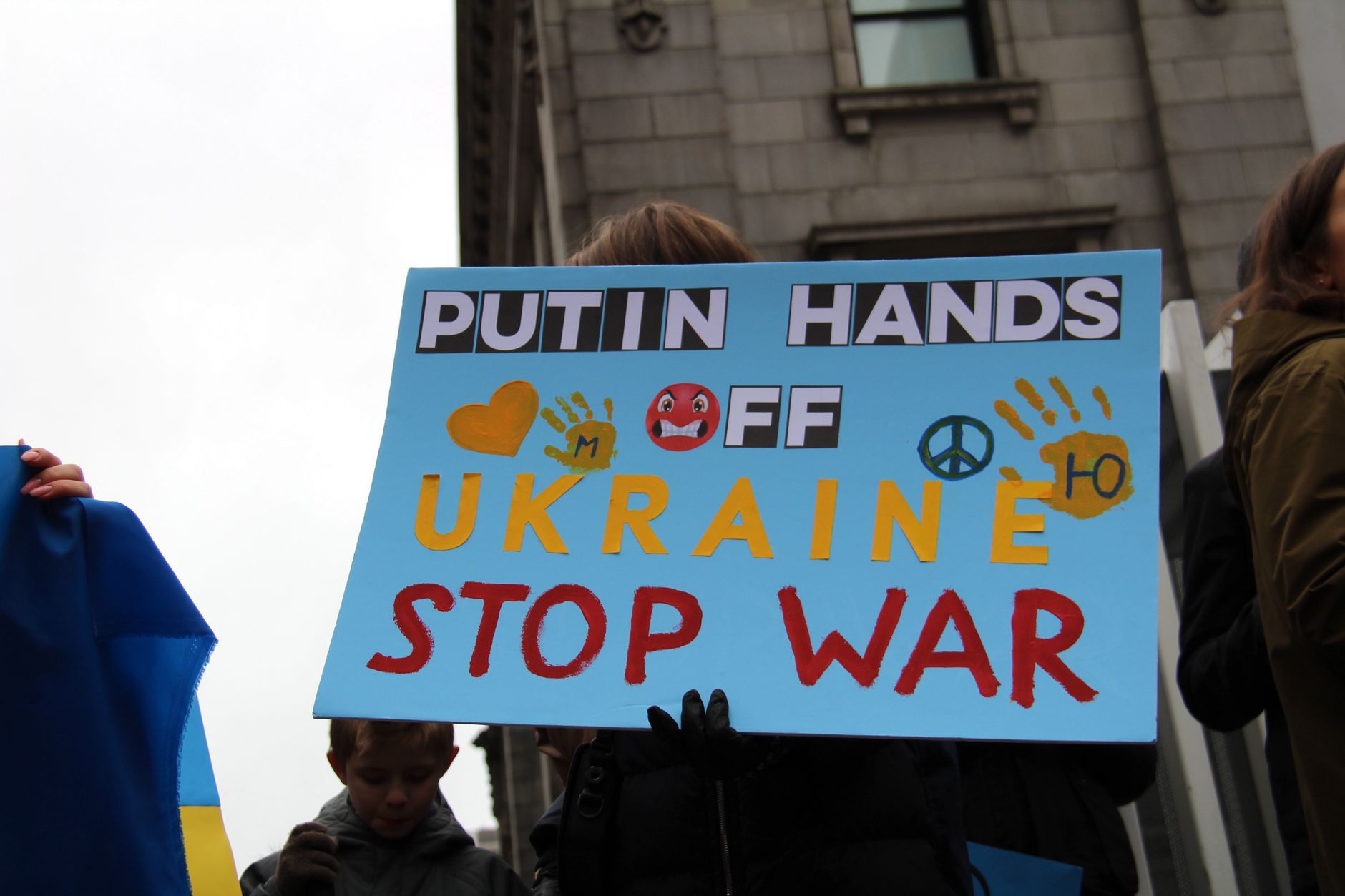
Putin Prepares for 2026 Election Amid Economic Struggles
Russian President Vladimir Putin is preparing for the parliamentary elections from September 15 to 17, 2026, which will be the first since the invasion of Ukraine in 2022. This election is expected to solidify the ruling United Russia party's dominance in the 450-seat State Duma, despite the party's approval ratings hitting a four-year low. Analysts are closely observing voter turnout and the victory margin for indications of public discontent due to economic hardships, including a budget deficit and rising taxes. How United Russia performs in this election could signal significant public sentiment regarding the ongoing war and its economic impact.
Read More: Putin Prepares for 2026 Election Amid Economic Struggles
Brazil's Lula Increases Welfare Payments Ahead of Election
Brazil's President Luiz Inácio Lula da Silva announced an increase in welfare payments to support low-income families. Starting this month, payments will rise to 600 reais (approximately $120) and will remain at this level until the end of the year. Lula also plans to introduce a new debt-relief initiative, aiming to alleviate financial burdens for citizens in the lead-up to elections in October 2024. These measures are significant as they could influence public spending and economic stability, impacting markets ahead of the elections.
Read More: Brazil's Lula Increases Welfare Payments Ahead of Election
Trump Criticizes Supreme Court Ballot Ruling Ahead of 2026 Elections
President Donald Trump criticized the Supreme Court for blocking a U.S. Postal Service rule on mail-in ballots, calling it a significant setback for Republicans. The Court's decision left in place an injunction from a Boston federal district judge, preventing implementation of the rule for the upcoming November elections. Trump's criticism extended to his own Supreme Court appointees, who he felt contributed to this decision. This ruling could impact Republican efforts to maintain their slim majorities in Congress during the midterm elections.
Read More: Trump Criticizes Supreme Court Ballot Ruling Ahead of 2026 Elections
Supreme Court Rejects Trump's Mail-In Ballots Rule Appeal
On June 29, 2026, the U.S. Supreme Court rejected an appeal from the Trump administration to lift a judicial block on a U.S. Postal Service rule impacting mail-in voting for the upcoming midterm elections. The Court indicated that the administration is unlikely to succeed in its challenge to the preliminary injunction from a U.S. District Court in Massachusetts. Justice Brett Kavanaugh noted that implementing the rule before the elections would violate the Administrative Procedure Act due to insufficient time for state and local election officials. This ruling may affect voter access and the political landscape, as Republicans currently have slim majorities in Congress.
Read More: Supreme Court Rejects Trump's Mail-In Ballots Rule Appeal
Missouri Reverts to Former Congressional Districts After Court Decision
Missouri will revert to its former congressional districts following a court decision that rejected a map backed by Donald Trump. The ruling indicates a significant change in representation as the state moves away from the previously proposed districts. This reversion could potentially influence political dynamics in future elections. Changes in congressional districting can affect voter representation and party strength in various regions, which is important for market sentiment around policymaking.
Read More: Missouri Reverts to Former Congressional Districts After Court Decision
Trump Promises $5,000 Checks If Republicans Win Midterms
During a speech at a midterm convention in Dallas, President Trump promised $5,000 checks if Republicans secure victory in the elections. Analysts predict potential losses for the Republican party in the upcoming November elections amid voter frustrations regarding high prices. Trump's previous pledges included tariffs and dividends related to 'DOGE,' which have not materialized. This situation highlights how political promises can influence market sentiment, particularly for investors gauging the impact of government actions on economic conditions.
Read More: Trump Promises $5,000 Checks If Republicans Win Midterms
Midterm Elections Could Impact Market Stability, Trader Shares Insight
Kevin Muir suggests that purchasing portfolio insurance is a practical way to safeguard investments against potential market declines should the midterm elections yield disputed outcomes. The implications of election uncertainty can lead to volatility in the markets, and Muir believes that this strategy is straightforward and effective. Although specific data points or forecasts are not provided, the urgency in addressing these political events highlights potential risks for investors. Protecting investments is especially crucial in such susceptible times, as market reactions to political events can significantly affect asset prices.
Read More: Midterm Elections Could Impact Market Stability, Trader Shares Insight
Sen. Ed Markey Wins Massachusetts Democratic Primary Election
Senator Ed Markey, age 80, won the Massachusetts Democratic primary. He faced an opponent advocating for generational change. Markey's victory reflects continued support within the party as he campaigns for re-election. This outcome may impact the Democratic party dynamics and influence future elections. For ordinary investors, understanding political shifts can inform market trends and investment decisions.
Read More: Sen. Ed Markey Wins Massachusetts Democratic Primary Election
Trump Mail Ballot Executive Order Blocked Again by Judge
A judge has blocked an executive order by Donald Trump related to mail ballots, and the ruling is expected to be appealed quickly. This decision adds to ongoing legal disputes regarding mail voting processes which could impact voter turnout. As the election approaches, any changes to mail voting regulations are critical, influencing how ballots are cast and counted. For investors, shifts in voter regulations can affect market stability and sectors sensitive to electoral outcomes.
Read More: Trump Mail Ballot Executive Order Blocked Again by Judge