Regulation News & Analysis
50 articles
Market Mood

Fintech Ramp Seeks OCC Trust Bank Charter to Expand Asset Services
Fintech company Ramp has applied for a trust bank charter from the Office of the Comptroller of the Currency (OCC). The move aims to allow Ramp to expand its asset management and financial services. Acquiring a trust bank charter would enable Ramp to offer more regulated banking services under federal oversight. This application marks a significant step for Ramp as it seeks to grow its presence in the fintech and asset servicing markets. The trust bank charter would provide Ramp with new regulatory capabilities to handle fiduciary and custodial duties for clients. The company did not disclose specific timelines or financial figures related to the application. For investors and the fintech sector, obtaining an OCC trust bank charter can enhance Ramp's business legitimacy and operational scope, potentially increasing its competitive standing in asset services. This regulatory approval could affect Ramp's future revenue streams by allowing a broader range of banking products under federal supervision.
Read More: Fintech Ramp Seeks OCC Trust Bank Charter to Expand Asset Services
Daily Loan Offers Raise Concerns Over Potential Scams
A consumer reports receiving multiple daily calls offering loans of $15,000 at an 8% interest rate. The calls stipulate that loan details, including terms and conditions, will only be provided after a soft credit check is performed. This pattern of solicitation raises concerns about the legitimacy of these offers and whether they may be part of a scam. Consumers are advised to exercise caution and verify the credibility of lenders before proceeding with any financial agreement. The incident highlights the importance of being vigilant about unsolicited financial offers.
Read More: Daily Loan Offers Raise Concerns Over Potential Scams
Nestle, Unilever Face Regulatory Action in India for Health Claims
Nestle and Unilever are currently under regulatory scrutiny in India for allegedly making misleading health claims about their products. The Food Safety and Standards Authority of India (FSSAI) has issued notices to both companies. These notices demand evidence to back their health-related assertions as concerns rise over consumer protection and misleading advertising. This inquiry could potentially lead to legal actions if the companies fail to provide satisfactory substantiation of their claims. The regulatory actions highlight growing vigilance by authorities to ensure food companies adhere to health claim standards. With health-conscious consumers increasingly scrutinizing product labels, these companies face pressure to validate their marketing practices. The outcome could require significant changes to advertising strategies if current claims are found to be unsupported. This matter is important for investors in Nestle and Unilever as it may affect the brands' reputations and market strategies in India, a key growth market. Depending on the findings, there could be implications for compliance costs and potential consumer trust impact.
Read More: Nestle, Unilever Face Regulatory Action in India for Health Claims
China Plans Export Controls on Solar Tech to Safeguard Industry
China has proposed new export controls on solar-manufacturing technologies, a move aiming to protect its domestic industry. The proposal seeks to regulate the transfer of critical technologies involved in producing solar products, which could impact global supply chains. These technologies include tools and processes for manufacturing silicon and ingots, key components in solar products. The regulations could potentially challenge international solar manufacturers relying on Chinese supplies. This development comes as China remains a dominant player in the solar industry, accounting for a significant portion of the global market. By imposing these controls, China aims to secure its technological advancements and maintain its competitive edge. The proposal does not specify which companies or technologies will be affected, leading to uncertainty about the immediate effects on the global market. For investors, this regulation indicates potential shifts in the solar manufacturing supply chain, possibly influencing production costs and availability. The controls are also relevant to companies dependent on Chinese technology exports, as they might need to seek alternative suppliers or adapt to regulatory changes.
Read More: China Plans Export Controls on Solar Tech to Safeguard Industry
Chuncheng Heating's 2027-2029 Deals Trigger HKEX Oversight
Chuncheng Heating has outlined its connected transactions scheduled for 2027-2029. These deals have initiated oversight by the Hong Kong Exchanges and Clearing (HKEX). The involvement of HKEX suggests that these transactions are significant, potentially affecting corporate governance and compliance obligations for Chuncheng Heating. The notification by HKEX typically ensures that such transactions are conducted transparently, safeguarding investor interests. This event underscores the importance of regulatory oversight in maintaining fair market practices. For Chuncheng Heating, this could mean additional scrutiny to ensure compliance with HKEX regulations, which may influence its operational strategies over the coming years. For investors, the involvement of HKEX provides a layer of assurance that the transactions will be scrutinized for fairness and regulatory compliance, which is crucial in maintaining trust in the company's management and its impact on shareholder value.
Read More: Chuncheng Heating's 2027-2029 Deals Trigger HKEX Oversight
Anthropic Proposes AI Safety Bill to Lawmakers
Anthropic is reportedly advocating for new legislation focused on AI safety, according to a report by Politico. The company aims to influence lawmakers by suggesting a regulatory framework that ensures the safety and oversight of artificial intelligence systems. This move underscores the growing focus on AI safety among technology companies, as they seek to balance innovation with responsible regulation. Details on the specific provisions of Anthropic's proposed bill have not been disclosed at this time. However, the company's initiative highlights the increasing engagement of private companies in shaping future regulatory landscapes for AI technology. This development is significant for investors as it reflects a proactive approach by tech companies to manage future regulatory risks associated with AI advancements.
Read More: Anthropic Proposes AI Safety Bill to Lawmakers
California Election Officials Face Prosecution Risk Over Ballots
California election officials who handle ballots from suspected noncitizens have been warned by U.S. authorities that they may face prosecution. This advisory highlights an enforcement stance on election regulations, though concrete figures or specific cases have not been detailed in the report. The warning could potentially lead to stricter oversight measures during the election process in California. This situation underscores the intersection between election integrity concerns and the role of state officials in managing ballot processing. While no specific cases or officials have been named, the advisory is significant as it could deter improper processing and ensure adherence to federal election laws. For investors and the public, this development suggests potential legal challenges or changes in election processes that may affect voter outcomes and administrative costs. The emphasis on prosecution risk reinforces the need for compliance with established voting laws, which is crucial for maintaining public trust in election systems.
Read More: California Election Officials Face Prosecution Risk Over Ballots
SpaceX Faces NYC Council Grilling on AI Grok Safety
SpaceX's AI policy leader, Gabriela Castillo Madrid, faced questioning from NYC Council Speaker Julie Menin and others regarding the safety of SpaceX's AI model, Grok. The council's investigation follows concerns about AI safety, with Menin personally testing Grok and discovering a sexualized image using her own name. Castillo Madrid claimed the company has safeguards, but agreed to have the safety team review the situation. Council Member Carmen De La Rosa expressed concern about the ease of 'sexualizing' images without consent through Grok. SpaceX, originally hesitant to testify, agreed to appear following a subpoena threat and detailed the company's safety measures in response to council questions concerning whistleblower allegations and AI risks outlined by former employee Devin Kim.
Read More: SpaceX Faces NYC Council Grilling on AI Grok Safety
Eli Lilly (LLY) Weight-Loss Pill Approved by EU Regulator
Eli Lilly's (LLY) new weight-loss pill has received approval from the European Medicines Agency. This development marks a significant step forward in the company's efforts to expand its drug portfolio in the weight-loss category. The approval by the EU regulator is expected to increase Eli Lilly's market presence in Europe, offering a new option for patients seeking weight-loss treatments. The regulatory backing could potentially boost Eli Lilly's sales and market share in the pharmaceutical industry, as the demand for effective weight-loss solutions continues to rise. With the European authorization, the company is positioned to better compete with other weight-loss drug manufacturers in the region. This approval matter because it supports Eli Lilly's strategic growth initiatives and helps diversify their product offerings, potentially contributing to higher revenue streams in the future.
Read More: Eli Lilly (LLY) Weight-Loss Pill Approved by EU Regulator
US Federal Bankruptcy Court Faces Cybersecurity Disruption
A cybersecurity incident has disrupted the operations of the US federal bankruptcy court. The court's electronic filing and case management systems have been affected, leading to delays in processing. The court has issued an official statement recognizing the issue and is currently investigating the cause and potential breaches. Measures are being implemented to restore services and ensure data security. The disruption may impact the timely resolution of bankruptcy cases, affecting businesses and individuals awaiting proceedings. Ensuring the security of court systems is crucial for maintaining trust in legal processes.
Read More: US Federal Bankruptcy Court Faces Cybersecurity Disruption
SEC Rescinds Key Voting Rule Amidst AI Safety Concerns
The SEC has decided to rescind a significant rule regarding shareholder voting. This decision comes at a time of increased focus on artificial intelligence safety, where shareholder input could be crucial. The specific rule withdrawal diminishes shareholders' ability to influence corporate governance, particularly in areas like AI development, which may have implications for various stakeholders. The decision might impact investor confidence as regulatory adjustments alter how companies engage with shareholder concerns on pressing issues like AI safety. The removal of this rule is part of the SEC's broader regulatory framework adjustments. Critics argue that it may reduce transparency and accountability within corporations, potentially affecting decisions on AI and other technological advancements. This development could influence how companies prioritize and implement safety measures tied to AI technologies. For ordinary investors, this change in SEC policy could mean less direct influence on corporate decisions, impacting how companies adopt and regulate essential technologies like AI.
Read More: SEC Rescinds Key Voting Rule Amidst AI Safety Concerns
Canadian Chamber Warns Lawful-Access Bill Hurts Competitiveness
The Canadian Chamber of Commerce has expressed concerns that the lawful-access bill will negatively impact Canadian businesses. The Chamber argues that the bill hinders competitiveness with businesses in the United States and European Union. The proposed legislation focuses on granting access to encrypted communications for law enforcement, which the Chamber believes could place Canadian companies at a disadvantage internationally. The Chamber's stance suggests that increased government access required by the bill could affect the privacy and operational capabilities of Canadian businesses. These concerns are rooted in the belief that such measures are not as stringent in the U.S. and EU, potentially leading to a competitive imbalance. For ordinary investors, the passage of this bill could influence Canadian companies' operational costs and strategic positioning in global markets.
Read More: Canadian Chamber Warns Lawful-Access Bill Hurts Competitiveness
HHS Advances Plan for Peptide Drugs with White House Review
The U.S. Department of Health and Human Services, under Secretary Robert F. Kennedy Jr., submitted an interim access policy for certain peptides to the White House. The policy will allow specialty pharmacies to produce unregulated peptide drugs popular among wellness advocates and influencers. These peptides have not undergone FDA approval but are used for purposes like muscle building and anti-aging. The policy is under review by the Office of Management and Budget, indicating a possible shift in regulation for these compounds. Kennedy's push to allow pharmacies to compound peptides comes amidst concerns over 'gray market' imports from countries like China. The FDA currently lists BPC-157, a peptide for muscle and injury healing, as too risky to be compounded. Risks include contamination and adverse effects. The move aligns with calls from the Make America Healthy Again movement, promoting easier access to unproven health products. The policy's progression through regulatory review means potential changes for peptide regulation. If approved, compounding pharmacies may legally produce some peptides, impacting availability and regulation standards.
Read More: HHS Advances Plan for Peptide Drugs with White House Review
Warren and Garcia Propose Legislation Targeting Epstein Bank Ties
Senator Elizabeth Warren and Representative Robert Garcia introduced legislation to require financial regulators to produce records related to Jeffrey Epstein. This proposed legislation, known as the Epstein Wall Street Records Act, demands investigations into financial institutions and executives potentially linked to Epstein's activities. It aims to enforce industry bans and civil penalties for those found aiding him, stating that previous regulatory actions were insufficient. The act seeks accountability from major financial players potentially involved with Epstein's crimes. The legislation is supported by both the House and the Senate, with bipartisan backing. This legislation matters because it could lead to significant regulatory scrutiny and possible penalties for financial institutions with past connections to Jeffrey Epstein. Such measures might influence how banks manage oversight and compliance, impacting financial operations and investor perceptions.
Read More: Warren and Garcia Propose Legislation Targeting Epstein Bank Ties
Lower Fuel Economy Targets May Boost Automaker Margins
The National Highway Traffic Safety Administration recently reduced fuel economy standards for light-duty vehicles to an average of 34.9 miles per gallon by 2031, down from the previously expected 50.4 miles per gallon. This change follows Congress' decision to eliminate fines for non-compliance with these regulations. According to analyst Itay Michaeli of TD Cowen, this shift could bring billions of dollars in financial benefits to automakers by reducing compliance costs and allowing them to focus on more profitable vehicle models like SUVs and pickups with larger engines. Historically, automakers like General Motors and Stellantis have paid significant penalties for failing to meet fuel economy standards, but these fines are now removed. The revised rules also eliminate the trading of emissions credits, previously a source of revenue for electric vehicle producers like Tesla. This may encourage automakers to reduce investments in compliance vehicles, which tend to be less profitable, and focus instead on higher-margin internal combustion vehicles. This regulatory change is significant for automakers as it allows for greater strategic flexibility, potentially increasing their profitability. For investors, this easing of fuel economy standards could mean higher revenue and earnings for automakers focusing on more profitable vehicle lines.
Read More: Lower Fuel Economy Targets May Boost Automaker Margins
Hyundai Recalls Over 94,600 Vehicles Due to Fire Risk
Hyundai is recalling over 94,600 vehicles in the United States due to a fire risk stemming from overheating components. The recall involves specific models where an issue with the mechanical components could lead to overheating and potentially cause a fire, according to the National Highway Traffic Safety Administration (NHTSA). The affected vehicles will be inspected and, if necessary, repaired to prevent any risks related to this overheating issue. The models involved in this recall have not been specified in detail, but Hyundai plans to notify affected owners and dealers. Such proactive measures are in line with safety protocols to address potential vehicle hazards and ensure customer safety. This decision follows similar steps by other manufacturers faced with product safety concerns. For ordinary investors, this recall emphasizes the importance of monitoring regulatory compliance and safety issues that might affect company operational costs and reputation. While the immediate recall may incur costs, ensuring vehicle safety can protect Hyundai's brand in the long term.
Read More: Hyundai Recalls Over 94,600 Vehicles Due to Fire Risk
UBS Considers Leaving Switzerland Over New Capital Rules
UBS is reportedly considering moving its headquarters out of Switzerland due to planned changes in the country's capital rules, according to the Wall Street Journal. This potential move comes as Switzerland is looking to impose stricter capital requirements on banks to maintain financial stability. Such a shift could have significant implications for UBS's operational costs and strategic decisions. The Swiss bank, UBS, is concerned that the proposed rules may impact its competitiveness globally by increasing the costs of operations. The firm's possible relocation could also affect its workforce and the financial landscape in Switzerland. UBS has not made a final decision and is currently evaluating the potential impacts of the regulatory changes. For investors, this situation matters because any move by UBS to relocate could lead to changes in financial strategy and cost structures, affecting profitability. As UBS is one of the world's leading financial services companies (ticker: UBS), any shift in its operations is likely to impact its market positioning and stock performance.
Read More: UBS Considers Leaving Switzerland Over New Capital Rules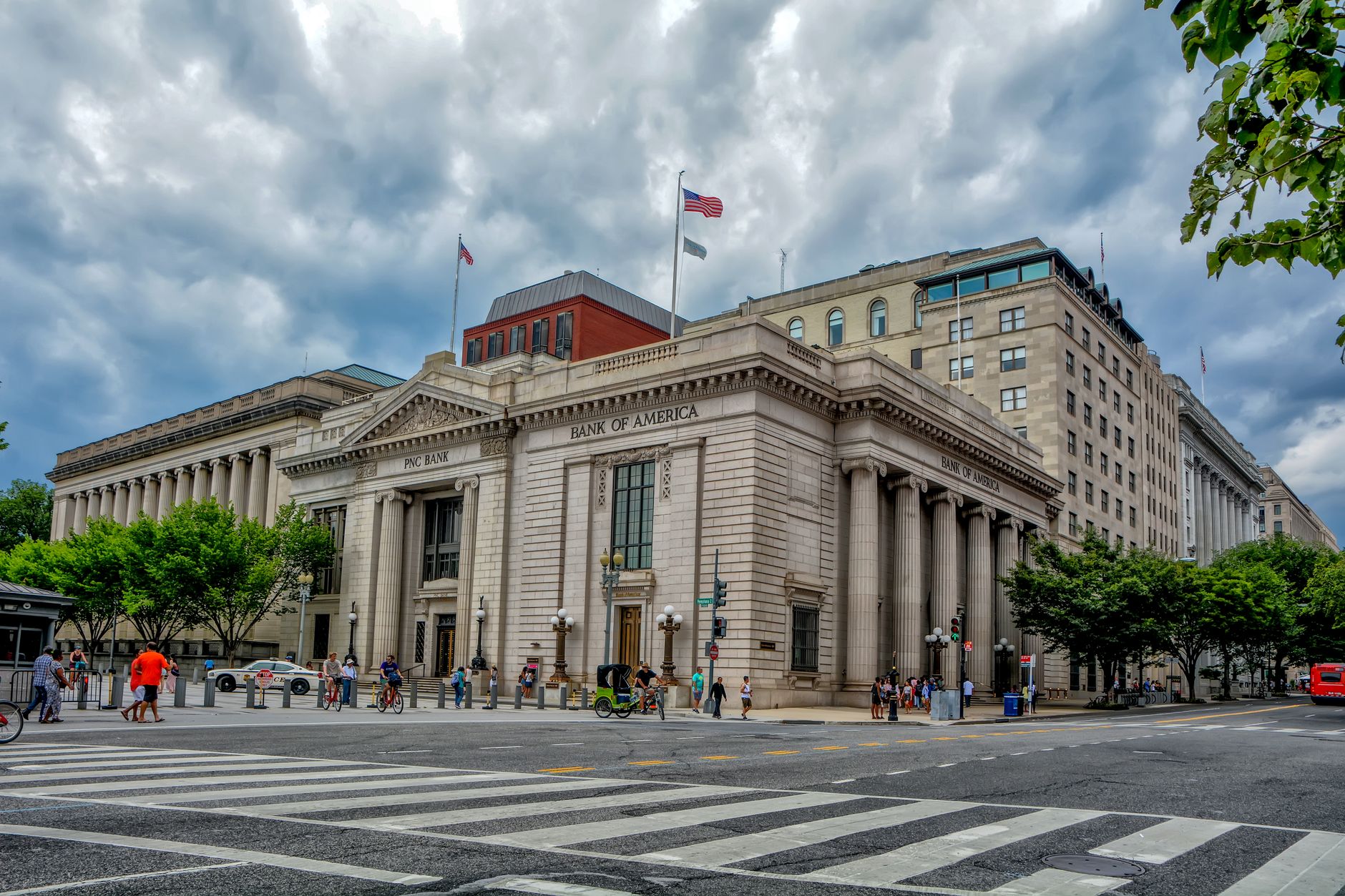
Bank of America (BAC) Fined $1.2 Billion for AML Violations
Bank of America (BAC) has been fined $1.2 billion due to deficiencies in its anti-money laundering (AML) oversight. This penalty was imposed because the banking giant failed to adequately prevent and identify potential money laundering activities within its operations. The fine is part of the larger scrutiny financial institutions are undergoing regarding compliance with federal regulations aimed at preventing financial crimes. In addition to the fine, Bank of America's third-quarter profits fell 17%, attributed partially to weaker deals and trading revenues. The financial institution also recorded a $1.2 billion charge related to this fine, affecting its profitability for the quarter. As a result, Bank of America missed its profit estimates, reflecting challenges faced in its broader operations and compliance measures. The financial penalty highlights the significance of regulatory compliance and its impact on a company's financial performance.
Read More: Bank of America (BAC) Fined $1.2 Billion for AML Violations
Canadian Executive Arrested by FBI Amid Legal Battle
A Canadian cybersecurity executive was arrested by the FBI amidst an ongoing legal battle with a former business partner, as reported by The Globe and Mail. The details surrounding the arrest and the specific charges have not been disclosed, but it comes at a time of pre-existing legal disputes between the executive and the business partner. This incident adds another layer of complexity to the ongoing legal battle and could have significant repercussions for the parties involved. The arrest by the FBI suggests serious implications for the executive, whose identity has not been publicly disclosed in the report. The legal tussle with the former business partner was already a matter of public record, and this criminal arrest could indicate heightened legal risks or violations associated with the case. For investors, this highlights potential instability in the executive's associated ventures and could influence stakeholders' perceptions and decisions regarding any company linked to the individual. The lack of detailed charges, however, leaves room for speculation on the eventual outcome and its impact on involved enterprises.
Read More: Canadian Executive Arrested by FBI Amid Legal Battle
Data Centre Backlash Impacts US Elections and Legislation
A US senator is focusing on data centres, spurred by public backlash. Legislation is being drafted to curb their rapid expansion in the US. According to the senator's adviser, regular meetings are now scheduled to address the growing concerns. The backlash reflects fears associated with AI growth and has bipartisan support across the country. Local rules govern data centre construction, meaning federal lawmakers have limited control, but public opposition is driving legislative interest. Chloe Autio, an AI policy adviser, notes pushback from both left and right-wing constituents. Amazon is constructing a massive data centre in Indiana, comprising 26 buildings and 782 diesel generators. Similarly, Ohio is set to host a six-square-mile data centre complex, backed by OpenAI, Nvidia, and the US Department of Energy. There are roughly 3,000 data centres in the US, with numbers potentially doubling in the coming years, reports Pew Research Center. This growth amplifies opposition and positions data centres as a critical political issue in upcoming elections. This legislative focus could significantly impact companies in the AI and data centre sectors. Investors should be aware of potential regulatory changes that may increase operational costs or limit growth.
Read More: Data Centre Backlash Impacts US Elections and Legislation
Eight US States Sue OpenAI Over ChatGPT's Impact on Children
Eight US states have filed lawsuits against OpenAI, accusing the company of endangering children through its chatbot, ChatGPT. The legal action is based on claims that the technology exposes minors to harmful content, an allegation that OpenAI will likely have to address in court. At the heart of the lawsuits is the argument that ChatGPT has the potential to allow children access to inappropriate material, contravening existing child protection laws in these states. Legal representatives are pushing for stricter regulations on AI technologies specifically targeting how they interact with younger users. This lawsuit adds to the mounting legal challenges faced by tech companies regarding AI ethics and safety. For investors and stakeholders, how OpenAI responds could impact its public perception and regulatory landscape.
Read More: Eight US States Sue OpenAI Over ChatGPT's Impact on Children
New York to Ban Central Park Horse Carriages After Fatality
New York City plans to ban horse-drawn carriages in Central Park following the death of a teenager. The decision comes as part of efforts to improve public safety and modernize city transportation options. This action follows growing concerns about the safety of horse-drawn carriages in such a busy urban area. Officials have not yet detailed the exact timeline for this ban or what alternative transportation might be implemented in place of the carriages. The ban aims to prevent further incidents, though there may be some economic impact on those whose livelihoods depend on this traditional practice. Many drivers and business owners operating in this sector could face challenges as they adapt to the new regulations. For investors, this decision highlights a broader trend of urban areas eliminating outdated transportation services in favor of safer, more efficient alternatives. It indicates the city's direction towards modernization and could influence future policy decisions impacting other traditional services.
Read More: New York to Ban Central Park Horse Carriages After Fatality
Treasury Report Finds Banks Influenced by Political Factors
The U.S. Treasury Department's Office of the Comptroller of the Currency (OCC) released a report showing that some of the nation's largest banks allowed political and social considerations to affect their banking service decisions. The report involved a review of the nine largest national banks, which included analysis of nearly 100,000 complaints and about 420,000 pages of documents. All nine banks were found to have used 'reputation risk' policies without clear, objective standards, potentially disadvantaging customers based on political or religious views or lawful business activities.
Read More: Treasury Report Finds Banks Influenced by Political Factors
Civil Servant Allegedly Faked Illness for £350,000 Earnings
Kashim Chowdhury, a 55-year-old civil servant from east London, is accused of earning almost £350,000 by holding five full-time public sector jobs simultaneously. The alleged fraud took place between February 2020 and September 2023, involving jobs at Tower Hamlets Council, the Home Office, Defra, the UK Health Security Agency, and the Department of Health and Social Care. Chowdhury is on trial at Southwark Crown Court, accused of nine counts of fraud, which he denies. The prosecution claims he made 'false representations' regarding his employment status to secure the roles and used sick notes and working from home to manage the workload. A notable incident involved Chowdhury allegedly wearing make-up during a video call to appear unwell, as observed by his manager, Aleesha Adams, at the Health Security Agency in 2023. Despite this, Chowdhury maintains innocence, denying dishonest gain intentions. The alleged fraud was brought to light by the National Fraud Initiative. The trial is ongoing. This case matters for public sector employment transparency and the potential vulnerabilities of remote work arrangements in fraud detection.
Read More: Civil Servant Allegedly Faked Illness for £350,000 Earnings
Stripchat Loses EU Legal Battle Over Tech Classification
Stripchat has lost a legal case concerning its classification under European Union technology regulations. The case centered around whether Stripchat should be classified as an Advanced Communication Platform, which has significant compliance and operational implications. This legal decision means Stripchat will now face stricter regulatory requirements under the EU's digital policies. The impact on Stripchat's operations could be significant as it navigates these new regulatory obligations. Compliance with such regulations often involves increased costs and operational adjustments, which can affect profitability and strategic planning. This decision highlights the increasing regulatory scrutiny faced by tech platforms in the European Union, which may have broader implications for other tech companies operating in the region. Investors will likely be concerned about the potential cost increases and operational complexities that might arise from complying with these stricter standards. For investors, understanding the regulatory landscape is crucial as compliance requirements can directly impact a company's financial performance and operational strategies. In the case of Stripchat, adhering to tougher EU regulations may lead to higher expenses and influence its competitive positioning.
Read More: Stripchat Loses EU Legal Battle Over Tech Classification
Oersted Shares Drop as US Reviews Wind Permit
Oersted shares have fallen to a nine-month low following the U.S. decision to revisit a wind farm permit in Rhode Island. This move has caused uncertainty in the market, leading investors to react negatively, impacting Oersted's stock value. The revisit could potentially delay or alter the planned construction of the offshore wind project, which Oersted is involved in. This development comes amid broader regulatory pressures that may influence Oersted's future operations in the U.S. wind energy sector. The U.S. revisiting the permit could affect Oersted's plans and financial projections for the project. Such regulatory moves often imply a reassessment of environmental or logistical factors, which could lead to additional costs or redesigns. Industry observers are watching closely to see how this will affect the timeline and costs associated with the project. For investors, this uncertainty could mean potential delays in expected returns from the project. Oersted’s situation highlights the importance of regulatory approvals in green energy initiatives, where financial outcomes are tightly linked to meeting legal requirements.
Read More: Oersted Shares Drop as US Reviews Wind Permit
Judge Blocks Trump's Ban on 3 Media Outlets Indefinitely
A federal judge in Washington, D.C., indefinitely blocked the White House from enforcing a ban on three media outlets, including MS NOW, CNN, and Politico. This decision was made as part of a preliminary injunction issued by Judge Timothy Kelly late Tuesday night. The ban, originally announced by President Donald Trump in mid-September, restricted these outlets from accessing the White House complex. Judge Kelly's order supports the media outlets' claims of due process and First Amendment violations, highlighting that they were banned without a chance to present their case.
Read More: Judge Blocks Trump's Ban on 3 Media Outlets Indefinitely
Cornell Suspends Fraternity Parties Amid Assault Investigations
Cornell University has suspended all fraternity parties on its campus. This decision follows a series of reported campus assaults. The university has also involved state police to assist in investigating these reports. This collaboration aims to enhance the investigation process and ensure a safer campus environment for students. By involving state police in the investigations, Cornell University seeks to leverage more resources and expertise. The suspension of fraternity parties is part of a broader effort to address safety concerns and prevent further incidents. For investors or stakeholders, the university's actions signify a commitment to maintaining a secure and respectful environment. This move could potentially influence the university's reputation and operations in the short term, particularly if it results in enhanced student safety and confidence.
Read More: Cornell Suspends Fraternity Parties Amid Assault Investigations
Baidu (BIDU) Lead Plaintiff Deadline Set for November 2026
Kaplan Fox is reminding Baidu, Inc. (NASDAQ: BIDU) investors of an important legal deadline. Investors have until November 13, 2026, to serve as the lead plaintiff in pending legal matters against the company. This announcement is crucial for those seeking to take part in legal actions and potentially influence the course of lawsuits against Baidu. Legal outcomes can affect stock performance, so investors should pay close attention to this timeline.
Read More: Baidu (BIDU) Lead Plaintiff Deadline Set for November 2026
Gilbert Cisneros Makes Multiple Stock Trades in California
Gilbert Cisneros, representing California's 31st Congressional District, participated in multiple stock transactions recently. These trades are reported as part of his official congressional financial disclosures. While the article does not specify the exact stocks or amounts involved, it highlights a trend of increased scrutiny around trade activities by public officials. Congressional stock transactions are monitored for potential conflicts of interest, which can raise ethical concerns when lawmakers trade in sectors affected by legislative actions. These trades by Cisneros contribute to the ongoing debate about the appropriateness of stock trading by elected officials. The scrutiny of such transactions underscores the potential impacts on market perceptions and public trust. Transparency in financial dealings by lawmakers is crucial to maintaining confidence in their decision-making processes. The outcome of these trades and any potential conflicts of interest they may present could influence public and investor sentiment toward policy makers. For ordinary investors, this highlights the need to be aware of how legislative actions and public officials’ trades might impact market dynamics. Stakeholders often keep an eye on disclosures for insights into how personal financial interests might intersect with official duties.
Read More: Gilbert Cisneros Makes Multiple Stock Trades in California
CVS settles opioid case with DOJ for $315 million
CVS Health (CVS) has agreed to pay $315 million to settle a case with the U.S. Justice Department regarding the company's alleged improper distribution of opioid prescriptions. This settlement resolves claims that CVS pharmacies filled numerous invalid prescriptions, which had a significant impact on the opioid crisis in the United States. The U.S. government had accused the pharmacy chain of violating the Controlled Substances Act by improperly filling prescriptions that were not issued for a legitimate medical purpose or outside the usual course of professional practice. CVS stated that it is committed to supporting communities in combatting the opioid crisis and that this settlement does not include any admission of liability or wrongdoing by the company. By addressing this issue, CVS aims to focus on ensuring compliance and patient safety in the future. This settlement highlights the ongoing scrutiny placed on pharmacy chains and the healthcare sector regarding their role in the opioid epidemic, which is an important consideration for investors tracking regulatory impacts on the sector.
Read More: CVS settles opioid case with DOJ for $315 million
Martin Shkreli Accused of Violating Pharma Ban by FTC
Martin Shkreli has been accused by the Federal Trade Commission (FTC) and seven states of violating a lifetime ban from the pharmaceutical industry. The FTC alleges that Shkreli flouted the 2022 ban by establishing a new drug company and attempting to exert influence over its operations. The lifetime ban was imposed following Shkreli's previous conviction for blocking generic competition to a lifesaving drug, which had allowed him to dramatically increase its price. The new allegations suggest that he continued to engage in pharmaceutical-related activities despite the prohibition. This development is significant as it underscores potential regulatory challenges and enforcement within the pharmaceutical industry, highlighting efforts by authorities to hold individuals accountable for past misconduct.
Read More: Martin Shkreli Accused of Violating Pharma Ban by FTC
FTC Claims Martin Shkreli Violated Lifetime Pharma Ban
The Federal Trade Commission (FTC) and seven states filed a contempt claim against Martin Shkreli, alleging he violated a 2022 court order banning him from the pharmaceutical industry. The claim states that Shkreli traded at least 60 pharmaceutical stocks and expressed business opinions on social media platforms. He was previously banned due to anti-competitive practices involving Daraprim by his former company, Vyera Pharmaceuticals. The court filing requests that Shkreli divest his pharmaceutical stocks and pay fines equivalent to any profits made, with possible financial penalties and incarceration for future violations. This case follows Shkreli's 2017 conviction for unrelated securities fraud. The filing also involves his sister and significant other for allegedly assisting him. This matters to investors as it highlights the enforcement of industry bans and investor conduct. Legal challenges and penalties could impact Shkreli's financial affairs and connections with companies, emphasizing the seriousness of adhering to regulatory prohibitions.
Read More: FTC Claims Martin Shkreli Violated Lifetime Pharma Ban
European Automakers Request Policy Aid Facing China Pressure
European automakers have requested more policy support from governments to counter the pressure from Chinese competitors. The European auto market has seen increasing competition from Chinese manufacturers, which has prompted local players to seek better regulatory support. The European Automobile Manufacturers Association highlighted that Chinese automakers are rapidly gaining market share, particularly in the electric vehicle segment, posing challenges to European companies' competitiveness. This situation arises as Chinese automakers benefit from significant state support, allowing them to offer competitive pricing in Europe. European companies argue that they need similar support to ensure a level playing field. The European Union is considering implementing strategic measures to protect its local industry and encourage innovation. For investors, the ongoing pressure from Chinese automakers and potential EU policy responses could significantly affect European automakers' profitability and market performance. Any policy decisions made could alter competitive dynamics in the European vehicle market, influencing both established players and new entrants.
Read More: European Automakers Request Policy Aid Facing China Pressure
AI Scrutiny Intensifies Among Banking Regulators Amid Stability Concerns
Banking regulators are increasing their oversight of artificial intelligence (AI) technologies within financial institutions. This heightened scrutiny is due to growing concerns over financial stability risks that could be exacerbated by the rapid adoption of AI. Regulators are reportedly worried that AI technologies may introduce new vulnerabilities in the financial system that are not fully understood or controlled yet. The focus is on ensuring that AI applications do not compromise risk management frameworks or lead to unintended consequences. According to sources, this move could lead to new guidelines or regulations aimed at managing the use of AI in banking. The existing regulatory frameworks may need updating to account for the unique challenges presented by AI technologies. Regulators are particularly interested in how AI impacts credit underwriting, trading, and risk assessment processes within banks. This increased scrutiny matters because it could result in tighter regulations for banks, potentially affecting their operational costs and the pace of AI adoption. For investors, this might translate into changes in how banks manage risks and allocate resources, impacting financial performance.
Read More: AI Scrutiny Intensifies Among Banking Regulators Amid Stability ConcernsHeating Oil Faces Regulation as Prices Double in Past Year
Heating oil customers in the UK are facing higher bills with prices nearly doubling in the past year. The government has promised to enhance regulation, promote competition, and offer clearer compensation routes for consumers. They plan to review minimum order levels and develop a regulatory regime to protect consumers and foster competition. However, there is no proposal to apply an energy price cap similar to that on gas and electricity tariffs, nor a timeline for implementing new rules. Heating oil users have been offered discounts on heat pumps and a code of practice is in place, but current practices require some customers to order minimum amounts, often 500 litres, which can result in higher payments for unused oil. The situation remains a challenge for approximately 1.5 million households in the UK that rely on heating oil without the same protections as electricity and gas users. Ofgem's regulations, affecting gas and electricity in Great Britain, are separate from those in Northern Ireland where most heating oil consumers are located. The government intends to discuss recommendations with the Northern Ireland Executive.
Read More: Heating Oil Faces Regulation as Prices Double in Past Year
Haichang Ocean Park Unaffected by Major Shareholder CSRC Probe
Haichang Ocean Park has announced that its operations will remain unaffected despite an ongoing investigation by the China Securities Regulatory Commission (CSRC) into a major shareholder. Haichang Ocean Park emphasized that the probe is unrelated to the company's business activities and is solely focused on the shareholder in question. The company did not disclose the identity of the major shareholder undergoing scrutiny by the CSRC. The statement aims to reassure stakeholders that the investigation will not harm the company's operational continuity or financial health. Haichang Ocean Park clarified that no assets or operations of the company are involved in the CSRC's probe. This matters for investors as it suggests that the company's operational stability and profitability are not at risk from this probe, which could have destabilized investor confidence otherwise.
Read More: Haichang Ocean Park Unaffected by Major Shareholder CSRC Probe
McDonald's Faces Lawsuit Over AI Pricing Engine Use
A federal antitrust lawsuit has been filed against McDonald's, alleging the company uses an AI-powered 'pricing engine' to set menu prices across U.S. locations, potentially leading to overcharges for Big Macs and fries. McDonald's denies using AI for individual customer pricing, stating that it simply provides tools and recommendations to franchisees. This legal action highlights a broader trend where fast-food chains and supermarkets are increasingly adopting AI technologies that could impact consumer prices. For example, Kroger uses an AI platform to mark down perishables, and digital shelf labels are becoming more common in stores such as Kroger, Walmart, and Amazon Fresh. The legal challenge against McDonald's is part of a larger concern over the possibility of more personalized and dynamic pricing systems in the retail sector, facilitated by AI. While digital pricing aims to simplify and reduce waste, experts warn it could also lead to rapid real-time price changes, potentially harming consumers. Other technologies gaining attention include facial recognition checkouts, as trialed by Revolut in select coffee shops. This matters to ordinary investors because AI's integration in retail and fast food could reshape pricing strategies, potentially affecting top-line revenue. If AI-driven pricing tools lead to customer dissatisfaction or legal action, this could impact company reputations and financial performance.
Read More: McDonald's Faces Lawsuit Over AI Pricing Engine Use
Federal Judge Halts Trump Administration's $20M Ad Campaign
A federal judge in New York has ordered the immediate halt of a taxpayer-funded TV ad campaign by the Trump administration, claiming it as political propaganda. The ads, featuring President Donald Trump, were funded by a $20 million congressional appropriation for immigration enforcement. Approximately $19 million has already been spent on the campaign, with the judge's order blocking any further spending on ads. Judge Jennifer Rochon's temporary restraining order, effective for 14 days unless extended, was issued despite assertions from the U.S. Attorney's Office that aired ads would cease. The court filing by the plaintiffs argued that funds used for the ads were unlawfully spent on political advertisements. The judge sided with plaintiffs, indicating they were likely to succeed in their lawsuit against the ads and that an injunction was in the public interest. This ruling underscores concerns about the use of taxpayer funds for political purposes. For investors and market watchers, this highlights potential regulatory or legal hurdles which can impact government-related sectors.
Read More: Federal Judge Halts Trump Administration's $20M Ad Campaign
FCA Warns of Unregulated Debt Advice Practices
The Financial Conduct Authority (FCA) has raised concerns about unregulated firms collecting personal information through cold calling or online ads. These firms sometimes pose as legitimate debt advice charities or debt collectors, then sell the gathered data to businesses offering paid debt solutions. These solutions often include fee-charging plans such as Individual Voluntary Arrangements (IVAs), without offering alternative options to consumers. The FCA highlighted that these unscrupulous practices often involve pressuring individuals to agree to payment plans through repeated contacts. Some individuals are encouraged to modify financial information on lenders’ documents. Vikki Brownridge, the chief executive of the debt charity StepChange, emphasized the importance of obtaining full, free, and impartial debt advice before making any decisions regarding debt management. This issue matters as it may lead individuals to costly debt solutions and further financial difficulties. Obtaining reliable debt advice from trustworthy sources can help individuals manage their debt in a sustainable manner.
Read More: FCA Warns of Unregulated Debt Advice Practices
Microsoft's Brad Smith Calls for AI Regulation Standards
Brad Smith, president of Microsoft, has emphasized the need for global safety rules for artificial intelligence (AI), arguing that AI is currently less regulated than everyday items like milk and washing machines. He highlights the necessity of legal obligations for companies to inform victims of breaches caused by AI and calls for independent evaluation of AI products before release. These views contrast with President Donald Trump's position, which favors self-regulation to maintain the competitiveness of US firms against Chinese rivals. Smith described AI as both a 'tool and a weapon' and insists on applying established safety practices to AI technology. Smith suggests that the UK, with its AI Security Institute, is well-positioned to lead the development of these regulatory standards. He believes that the US could be more accepting of UK-driven regulation standards compared to those from the EU, despite Trump's different stance. Smith's comments are part of a broader discussion among AI industry leaders on developing a structured slowdown in AI development to address safety concerns. For ordinary investors, the call for AI regulation suggests potential new compliance costs or operational changes for AI-focused companies like Microsoft. This could affect future profitability if regulatory environments become stricter.
Read More: Microsoft's Brad Smith Calls for AI Regulation Standards
DOJ Investigates White House Press Pool for Potential Antitrust Violation
The U.S. Department of Justice has launched an investigation into whether the White House television press pool's suspension of coverage of President Donald Trump violated antitrust laws, specifically examining possible breaches of the Sherman Act. The TV press pool includes major broadcasters like CNN, Fox News, and NBC, and had halted coverage following Trump's ban on certain outlets. A recent court ruling restored access, allowing CNN and MS NOW reporters back into the White House. The Justice Department is scrutinizing whether this action amounted to an unreasonable restraint of trade under the Sherman Act, which governs competitive practices in the U.S. This legal probe follows ongoing tensions between the Trump administration and various media outlets, with disputes often centered around press access and coverage. President Trump had previously expressed his dissatisfaction with certain media portrayals, leading to temporary bans on networks including CNN and Politico. The media outlets have initiated a lawsuit against the administration over these access restrictions, asserting the importance of press freedoms. The investigation underscores the challenges in regulating media practices under antitrust laws, which are typically applied to more traditional commercial entities. For investors, the DOJ's involvement highlights the increasing complexity of media operations and potential legal risks within the industry.
Read More: DOJ Investigates White House Press Pool for Potential Antitrust Violation
DOJ Probes White House TV Pool for Antitrust Breach
The U.S. Department of Justice announced it is investigating whether the White House television press pool's decision to halt coverage of President Donald Trump may have violated antitrust laws. This announcement follows an incident where the press pool, consisting of five broadcasters, ceased coverage after the administration barred CNN, MS NOW, and Politico from accessing the White House. A judge has since restored their access temporarily. Department spokesperson Emily Covington specified that the Antitrust Division is examining if group boycotts among these competitive news organizations breached U.S. law. The investigation was revealed on a Saturday, with messages sent to the involved outlets — ABC, CBS, CNN, FOX, and NBC — for comments. This inquiry highlights ongoing tensions between news organizations and the current administration over press freedom. The outcome of this investigation holds significance for the involved media outlets and could impact how media coverage is handled in politically sensitive environments. The events underscore the balance between press access rights and government transparency, with potential implications for other media organizations.
Read More: DOJ Probes White House TV Pool for Antitrust Breach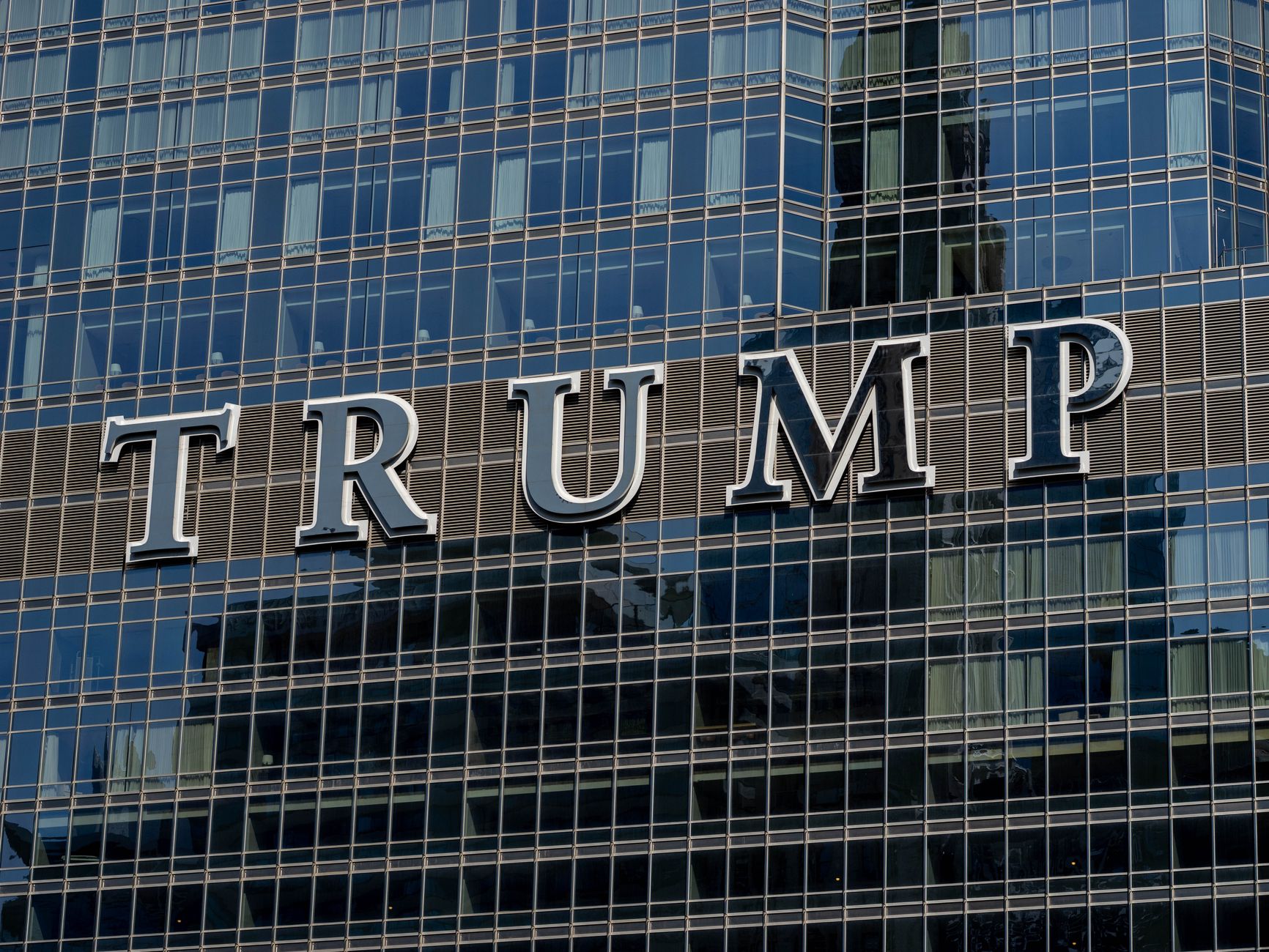
US Justice Department Probes TV Networks Over Trump Coverage
The U.S. Justice Department has launched an investigation into several major TV networks including ABC News, CBS News, CNN, Fox News, and NBC News. The investigation is focused on these networks' refusal to cover President Trump's activities following a ban imposed by the White House last month. This action by the networks marked a significant shift in media relations with the administration. The Justice Department's probe aims to understand the implications of these decisions by the media outlets. This investigation is noteworthy as it involves the major networks which play a crucial role in informing the public. Any findings from the probe could impact how news coverage is managed, potentially influencing future media relations and coverage of government activities. It is significant for both media outlets and their audiences, as the outcomes may affect access to information about presidential activities.
Read More: US Justice Department Probes TV Networks Over Trump Coverage
Norway Proposes AI Glasses Ban to Open Public Debate
Norway is proposing a ban on the use of AI glasses in public spaces. This move aims to initiate a public discussion on the potential social implications and privacy concerns related to AI-driven eyewear. By addressing these concerns now, Norway hopes to set a precedent for managing emerging technologies that incorporate artificial intelligence in everyday objects. The proposal highlights the importance of considering the ethical and privacy implications of AI technology before it becomes widespread. It reflects an effort by the government to engage the public and stakeholders in discussions about the role of AI in society. This decision can have significant effects on technology companies looking to expand the use of AI glasses, as it could influence regulations internationally. For investors and companies, the consideration of AI glasses legislation is crucial, as it may impact the adoption and sales of such devices. Understanding national and potentially international regulatory trends is essential for strategic planning in the AI technology sector.
Read More: Norway Proposes AI Glasses Ban to Open Public Debate
DOJ Investigates White House TV Pool for Possible Antitrust Violation
The Department of Justice (DOJ) is conducting an investigation into the White House TV pool's recent decision to halt coverage, examining whether this action violated antitrust laws. The investigation aims to determine if the halt in coverage restricts competition among news organizations covering the White House. This could have implications for how news is distributed and accessed by the public, potentially affecting smaller media outlets and independent journalists who rely on pool coverage for information. The outcome may influence future guidelines for media access to governmental events. This investigation could set a precedent for media operations and competition regulations in politically sensitive environments.
Read More: DOJ Investigates White House TV Pool for Possible Antitrust Violation
Justice Department Investigates TV Networks Over Trump Pool Coverage
The U.S. Justice Department is investigating television networks regarding their coverage of a 'pool' feed on former President Donald Trump, as reported by the New York Times. The investigation focuses on whether networks coordinated on coverage, specifically when sharing footage among networks. Details of the investigation remain sparse, and the networks involved have not been publicly named.
Read More: Justice Department Investigates TV Networks Over Trump Pool Coverage
Michigan Sues Blue Cross Blue Shield Over Antitrust Concerns
Michigan has filed an antitrust lawsuit against Blue Cross Blue Shield. The lawsuit accuses the health insurer of practices that allegedly led to increased healthcare costs in the state. The complaint suggests that Blue Cross Blue Shield's conduct has negatively impacted competition and consumers, triggering the state's legal action. Specific details about the alleged practices were not provided in the article. The lawsuit highlights concerns about rising healthcare costs and the role that large insurers like Blue Cross Blue Shield play in the market. The case could potentially lead to changes in how insurance companies operate within Michigan if the state is successful in its claims. This legal action is significant for ordinary investors as it could result in regulatory changes or financial penalties for Blue Cross Blue Shield, potentially affecting their business operations and market share.
Read More: Michigan Sues Blue Cross Blue Shield Over Antitrust Concerns
Microsoft H-1B Visa Use Analyzed Amid Layoffs and Suspensions
Microsoft (MSFT) is under scrutiny following accusations from Vice President JD Vance that it replaced 6,000 laid-off workers in 2025 with foreign hires on H-1B visas. The claims come as the Trump administration suspended eight tech companies from sponsoring green card applications. This action, however, does not impact Microsoft's H-1B visas, which remain unaffected as they are temporary work permits. Data from the U.S. Citizenship and Immigration Services shows Microsoft had 6,258 H-1B visa approvals, making it the third-largest sponsor, following Amazon and Meta. The data indicates that about two-thirds of these workers were already employed by Microsoft. Larger rivals Amazon and Meta had 19,178 and 6,294 H-1B approvals respectively, with Amazon leading new H-1B admissions. This matter highlights a broader federal investigation into alleged visa fraud, targeting major universities as well. The market impact may include changes in perceptions of Microsoft's hiring practices. For investors, these developments could signal potential shifts in both government relations and workforce strategies at Microsoft.
Read More: Microsoft H-1B Visa Use Analyzed Amid Layoffs and Suspensions
Kalshi Investigates Unusual Bets on Trump Secretary Pick
Kalshi, a prediction market, is investigating suspicious bets related to a potential appointment of a Trump administration press secretary. The inquiry was initiated after anomalies were found in betting patterns. Kalshi has not disclosed specific details about the bets or the individuals involved. This issue raises concerns about the integrity of the prediction market and its susceptibility to manipulation. The Wall Street Journal reports that such unusual activity can undermine confidence in the platform and pose challenges in ensuring fair trading practices. Kalshi's actions highlight the importance of maintaining transparency and fairness in prediction markets. For investors, this probe is relevant as it may influence market perception of Kalshi's reliability. Ensuring trust in these platforms is crucial for their continued operation and use.
Read More: Kalshi Investigates Unusual Bets on Trump Secretary Pick