Geopolitics News & Analysis
50 articles
Market Mood
Trump Proposes Meeting Putin, Xi on Ukraine War Without Zelenskyy
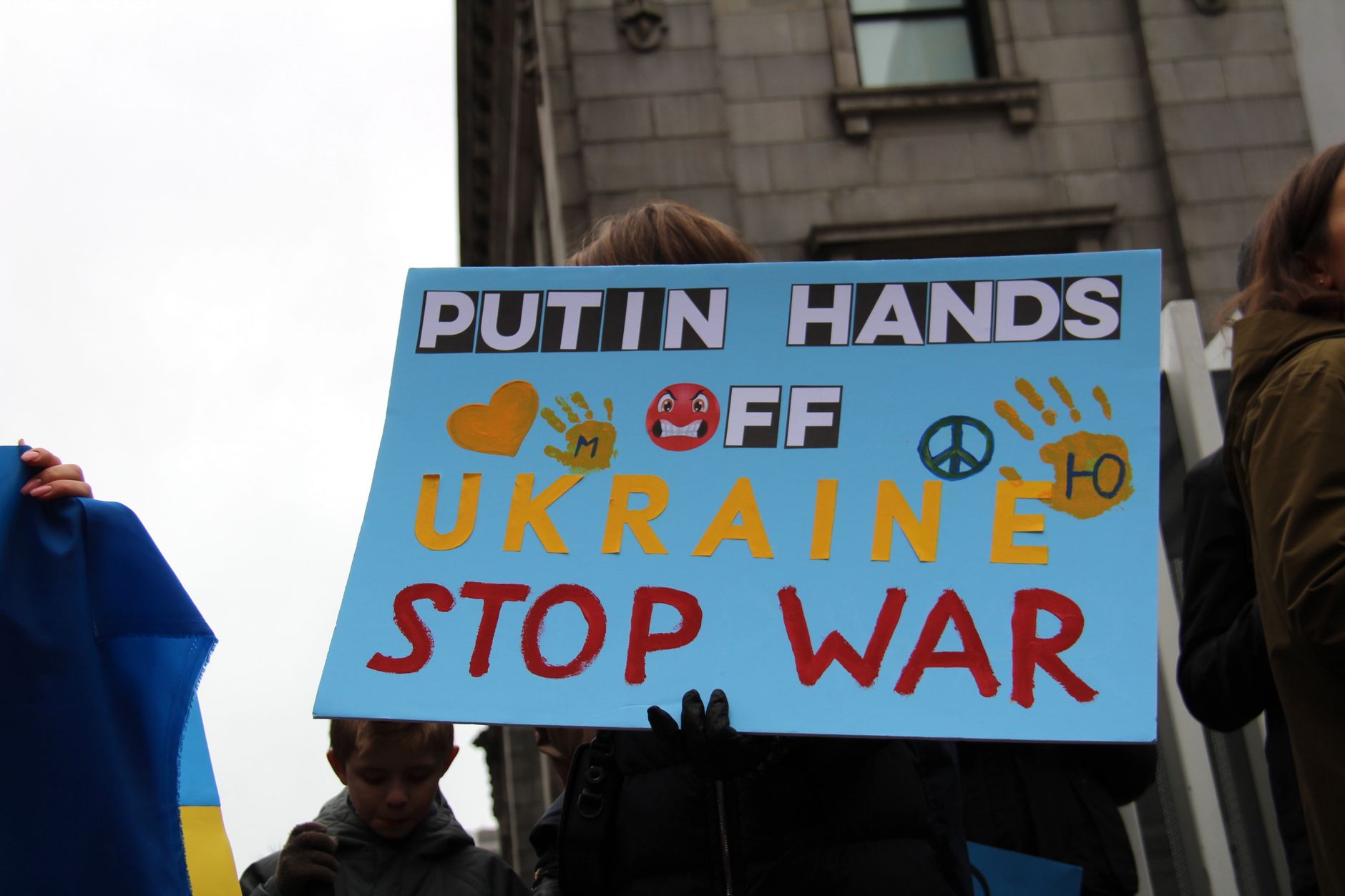
U.S. President Donald Trump stated on October 19, 2026, that he would meet with Russian President Vladimir Putin and Chinese President Xi Jinping to discuss ending the Ukraine war. He mentioned that this meeting, reportedly proposed by Putin, could occur without Ukrainian President Volodymyr Zelenskyy. Trump said he would do "anything to end the war," regardless of who attends the talks. Trump criticized Zelenskyy, saying he "doesn't know what he's talking about" and suggested that Zelenskyy should have resolved the war earlier. Trump reiterated his previous position that Ukraine should consider having a new president to negotiate on its behalf. Additionally, Trump claimed that Russia and China have done "very little" to support Iran amid its military efforts against the U.S. This development highlights ongoing diplomatic efforts and tensions related to the Ukraine war and U.S. foreign policy. The proposed meeting involving global leaders without Ukraine's president could impact negotiations and international relations. Investors should watch for any policy changes or sanctions adjustments that might arise from these discussions, which could influence geopolitical risk and associated market factors.
Read More: Trump Proposes Meeting Putin, Xi on Ukraine War Without Zelenskyy
Saudi Arabia Delays Investor Conference to 2027 Amid Houthi Attacks
Saudi Arabia has rescheduled its significant annual investor conference, the Future Investment Initiative, to 2027. Originally planned for October 26-29 in Riyadh, the postponement follows escalated missile and drone attacks by Iran-backed Houthi militants on the kingdom. A recent attack on King Khalid International Airport in Riyadh resulted in at least 12 deaths and over 300 injuries, prompting the decision to delay the event. The Future Investment Initiative is crucial for Saudi Arabia as it aims to diversify its economy away from oil dependence. The conference was set to feature high-profile speakers from major financial corporations, including JPMorgan Chase CEO Jamie Dimon and Goldman Sachs CEO David Solomon. Due to the security concerns, the format of the event and the travel plans for participants have been significantly affected. The delay of the Future Investment Initiative is a setback to Saudi Arabia's efforts to attract international investors. This event typically showcases major projects like the Crown Prince's NEOM megaproject and serves as a platform for economic reform discussions critical to the kingdom's future.
Read More: Saudi Arabia Delays Investor Conference to 2027 Amid Houthi Attacks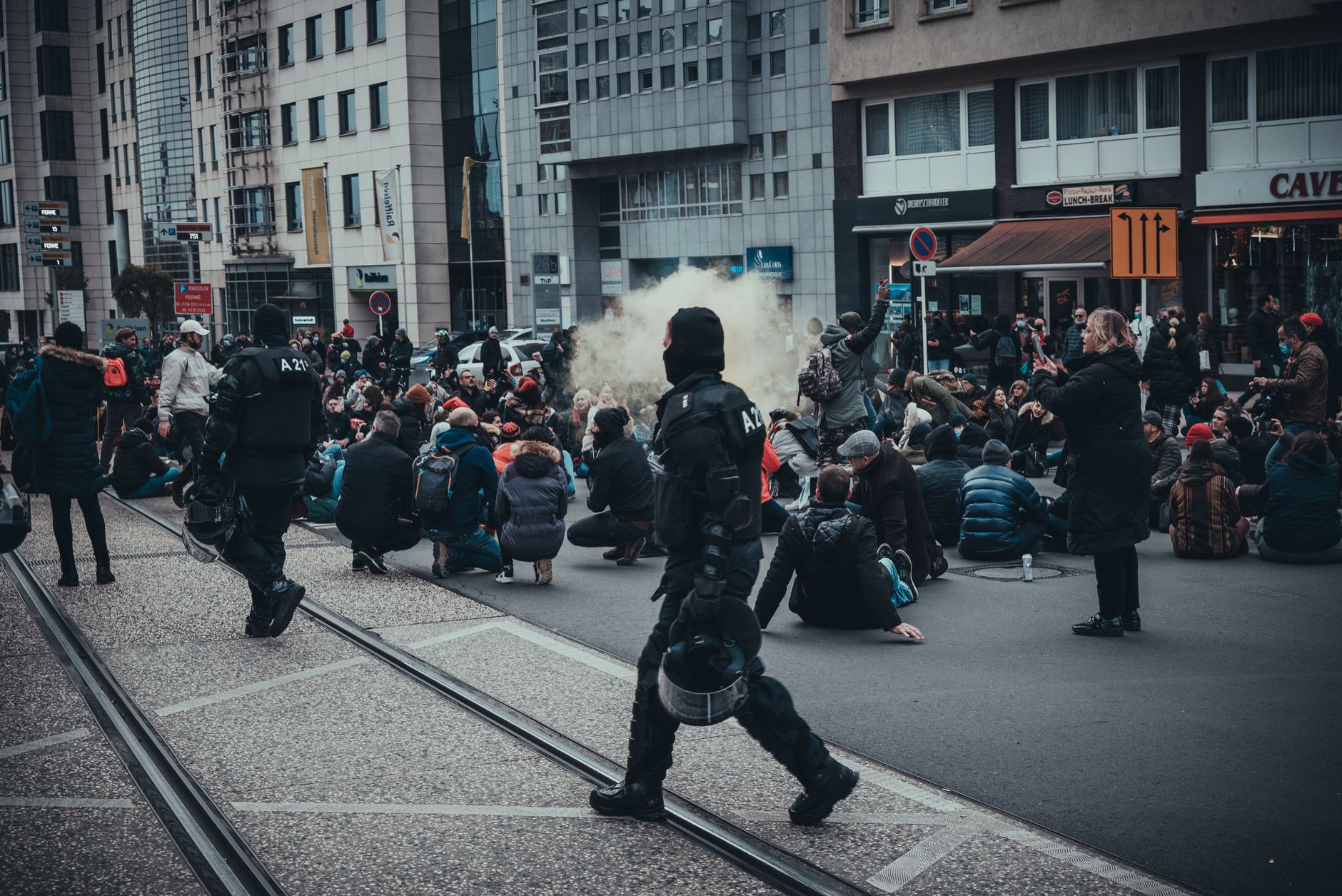
France Decides on Curfews After Weekend Riots
France has opted to enforce curfews in certain regions following a turbulent weekend marked by riots. The French government aims to restore order after significant public unrest in various areas. Officials have been closely monitoring the situation and are taking steps to ensure public safety. This unrest has put pressure on public resources and prompted a swift response from the authorities. The curfew decision followed intense gatherings in multiple locations over the weekend. The move is seen as necessary to prevent further damage and to maintain peace. The government has not specified how long these curfews will last but stressed they are a temporary measure. The response underscores the administration's commitment to public safety amid escalating tensions. This development is essential for investors to watch as political stability in France could influence investor confidence in the region. The economic impact of prolonged unrest could have broader implications for market sentiment.
Read More: France Decides on Curfews After Weekend Riots
Saudi Arabia Postpones Investment Event Over Houthi Attacks
Saudi Arabia has decided to postpone the Future Investment Initiative, originally scheduled to occur next week in Riyadh. This decision follows recent Houthi attacks, prompting the event to be rescheduled for next year. The postponement reflects ongoing security concerns in the region that may affect economic activities and investor confidence. The Future Investment Initiative is a major annual event aimed at showcasing Saudi investment opportunities to global business leaders and policymakers. Its delay could impact the momentum of investment activities and networking opportunities expected from the event, potentially affecting foreign investment inflows.
Read More: Saudi Arabia Postpones Investment Event Over Houthi Attacks
Rubio Travels to Central Asia Amid Foreign Policy Focus
Senator Marco Rubio is traveling to Central Asia amid heightened foreign policy activity by US officials. This trip underscores a period of active international engagement by the US government. Rubio's visit is part of a broader US effort to strengthen ties and address regional issues in Central Asia. Meanwhile, other US officials are visiting key foreign policy locations to pursue strategic objectives. This series of visits highlights the US's commitment to maintaining and enhancing its global partnerships, which could have implications for international diplomatic relations.
Read More: Rubio Travels to Central Asia Amid Foreign Policy Focus
Rubio to Visit Central Asia Amid Speculation on Priorities
Marco Rubio is set to visit Central Asia, raising questions about whether he is steering away from more immediate domestic concerns. The visit comes amid a backdrop of global political shifts, although the article does not specify any particular agenda for his trip. As a U.S. Senator, Rubio's travel choices can signal foreign policy priorities, but the article leaves his official goals for this journey unclear. This development may affect perceptions of U.S. foreign policy focus, particularly regarding the importance placed on Central Asia in current geopolitical strategies. Without detailed context on specific issues he might address, the visit's immediate implications remain speculative.
Read More: Rubio to Visit Central Asia Amid Speculation on Priorities
Latvia PM Kulbergs Proposes Visa Ban on Russian Travelers
Latvia's Prime Minister Andris Kulbergs has proposed a visa ban on Russian travelers. He suggests this measure due to concerns over escalating hybrid threats from Moscow. The proposal is part of Latvia's efforts to mitigate national security risks allegedly linked to Russian visitors. The Prime Minister's statement underscores the Baltic state's view of increased threats stemming from Russia and suggests strong action is required to protect national interests. The call for a visa ban reflects Latvia's broader geopolitical stance on security and regional stability. By targeting Russian travelers, the country aims to diminish potential influences deemed harmful. This move aligns with the larger European trend of reassessing relationships with Russia amid various international tensions. For investors, such geopolitical moves can impact tourism-dependent sectors and broader regional business activities. The implications of such a ban may affect Latvia's economic landscape through its influences on travel, international relations, and potential retaliatory actions from Russia.
Read More: Latvia PM Kulbergs Proposes Visa Ban on Russian Travelers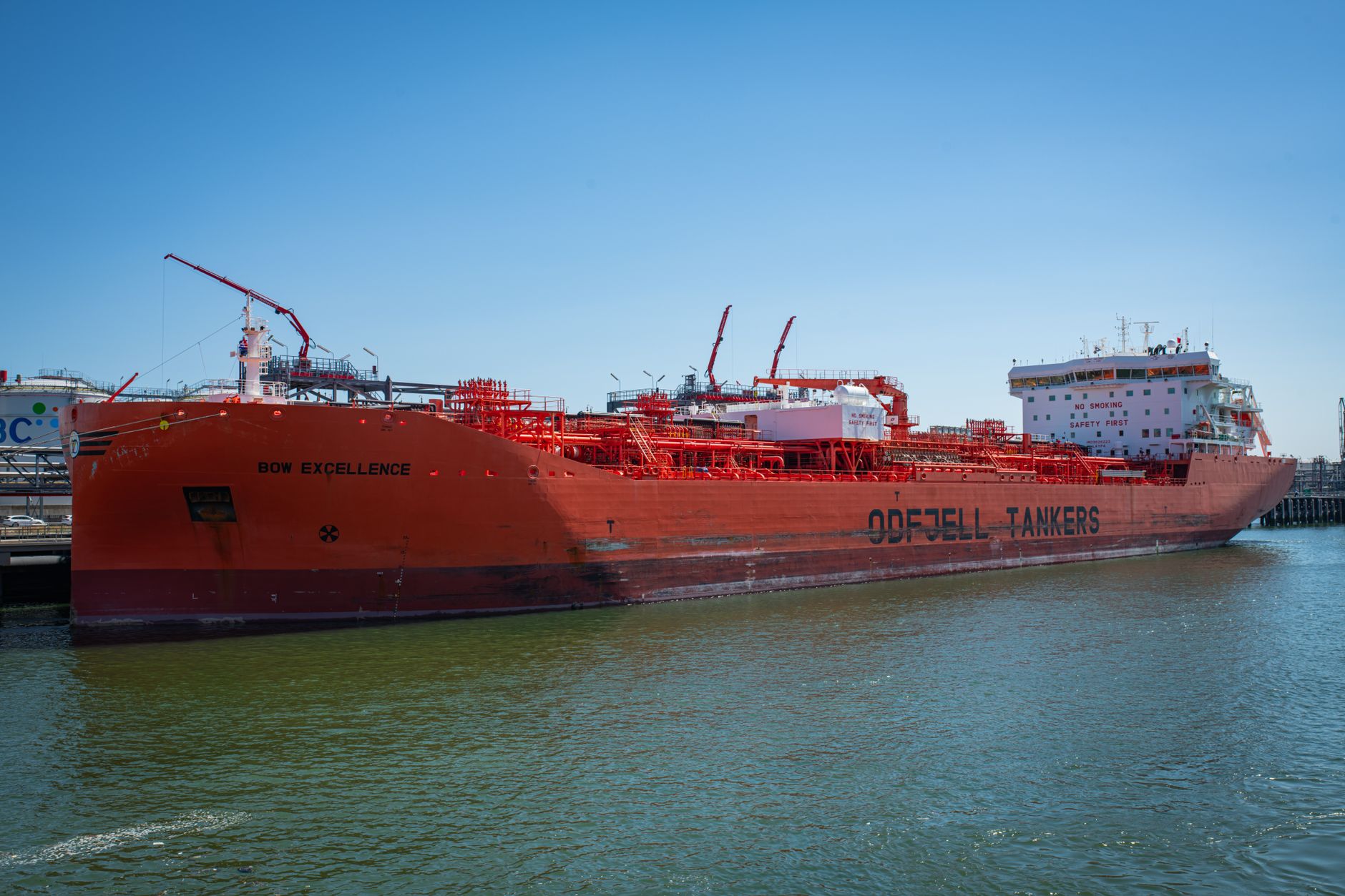
Tankers Struck Near Hormuz Amid Iran's U.S. Plan Offering
Two tankers were reportedly hit near the Strait of Hormuz as tensions rise in the region. This incident comes as Tehran proposes a reopening plan to the U.S., suggesting a shift in diplomatic relations. The assault on these tankers underscores the strategic importance of the Hormuz Strait, a crucial passage for global oil supply. While no financial figures have been disclosed, the geopolitical tensions could impact oil supply and prices globally. The offer from Tehran to the U.S. could signal a move towards diplomatic dialogue, potentially easing tensions. However, the latest tanker incidents reveal ongoing volatility in the region. The Hormuz Strait remains a significant chokepoint for oil shipments, comprising approximately 20% of global oil trade. This situation matters to investors as any escalation could disrupt oil markets and impact oil-dependent economies. Monitoring developments in this geopolitical conflict and any U.S-Iran negotiations could be crucial for anticipating shifts in the market.
Read More: Tankers Struck Near Hormuz Amid Iran's U.S. Plan Offering
Zelenskyy Criticizes Starlink Speed Limits in Ukraine
Ukrainian President Volodymyr Zelenskyy claims that speed limits imposed on Starlink services are affecting efforts to counter Russian attacks. He states these restrictions are a part of a 'planned operation' and are hindering Ukraine's defense capabilities. While specific details of the impact are unclear, Zelenskyy emphasized the importance of unobstructed communication services for national security. This development could influence the dynamics of military operations and highlights the critical role of communication technologies in conflict zones.
Read More: Zelenskyy Criticizes Starlink Speed Limits in Ukraine
Riots and Looting Erupt Across France Amid Protests
Mass protests across France have escalated into riots and looting in various cities. The demonstrations were sparked by public dissatisfaction with high living costs and grievances about the education system. Several cities are experiencing significant unrest as a result of these issues. Local authorities are struggling to maintain order amid escalating tensions. The protests underscore significant public discontent, reflecting broader socio-economic issues faced by the country. The unrest could have implications for France's political stability and economic outlook. There is no clear resolution in sight, and authorities are working to prevent further escalation. For investors, the events could affect France-based businesses and the broader European market, depending on the duration and intensity of the unrest. Political and economic consequences might impact international relations and market stability should the situation persist.
Read More: Riots and Looting Erupt Across France Amid Protests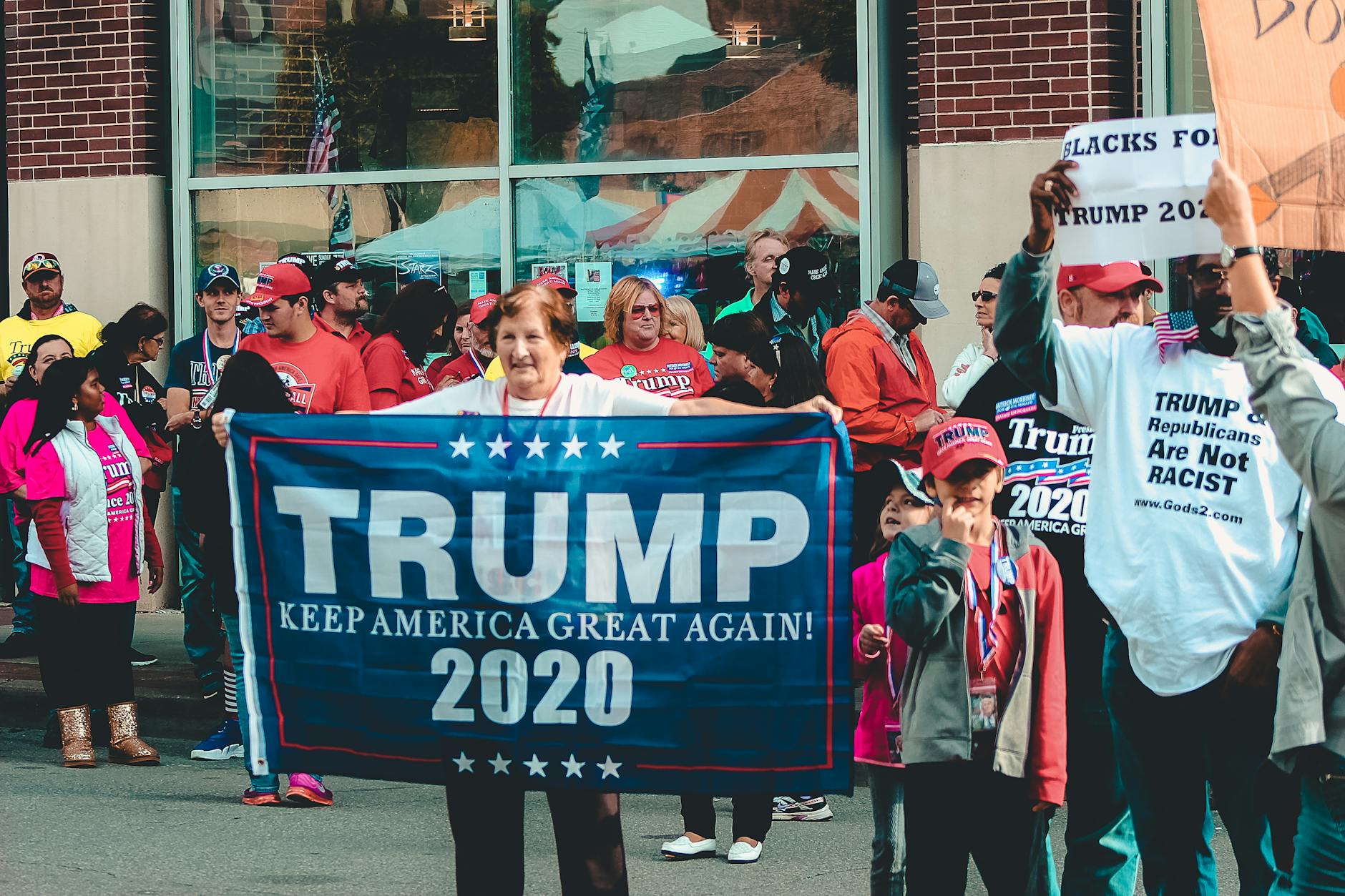
Trump Promotes GOP Midterm Prospects at Kentucky Rally
President Donald Trump held a campaign rally on October 17, 2026, at Truist Arena in Highland Heights, Kentucky, to support Republican candidates Ed Gallrein and Andy Barr for the House and Senate. He focused on boosting voter turnout for the midterm elections as the GOP faces challenges. Trump emphasized his capability to enact changes, such as renaming geographic features, and pledged significant contributions if Republicans win both congressional chambers. Trump highlighted issues like tariffs and the ongoing Iran conflict impacting gas prices, while promising that a Republican win would result in financial benefits for the public. However, these proposals, such as the $5,000 payout to every adult American, would require congressional approval and impact the national budget deficit. This rally underscores Trump's strategic positioning for the midterm elections, aiming to influence voter sentiment and increase Republican support. Investors and voters are watching the outcomes, as changes in congressional control could affect economic policies and legislative agendas.
Read More: Trump Promotes GOP Midterm Prospects at Kentucky Rally
Trump Waives Russian Sanctions and Tariffs Before Deadline
President Donald Trump issued an executive order late Friday waiving parts of the Graham Act, a newly enacted sanctions package against Russia. This order exempts key provisions that required increased duties on Russian imports and tariffs on countries purchasing Russian crude oil or gas. The move preserves existing sanctions on Russia while waiving new ones, just two days before the act's implementation deadline. Trump's administration had signed the Russia sanctions bill into law just two days after its passage in the House on September 16, 2025. The Graham Act, named after the late Senator Lindsey Graham, aimed to penalize Russia for its ongoing conflict in Ukraine by targeting its economy. The legislation required increased duties on Russian goods by up to 500% and tariffs of up to 100% on certain countries like China and India. Trump's executive order, however, waives these specific requirements while maintaining existing sanctions. The decision has sparked both support and criticism. Kirill Dmitriev, an envoy for Russian President Vladimir Putin, referred to the waiver as a 'historic moment' for U.S.-Russia relations. Conversely, U.S. Senator Richard Blumenthal condemned Trump's move, arguing it aligned with Russian interests and against American and European allies. This matter holds significance as it was made just weeks before the upcoming midterm elections, highlighting high fuel prices as a voter concern.
Read More: Trump Waives Russian Sanctions and Tariffs Before Deadline
Zelenskyy Urges New US Sanctions on Russia Amid Delays
Ukrainian President Volodymyr Zelenskyy has called for support for new US sanctions on Russia, emphasizing the importance of these measures in response to ongoing geopolitical tensions. The appeal comes as former President Donald Trump has delayed the implementation of these sanctions. Zelenskyy's request highlights the continued international focus on Russia's actions and the response from global leaders. The call for these sanctions is part of a broader strategy to address the concerns related to Russia's geopolitical activities. Zelenskyy's appeal underscores the significance of international cooperation and the role of the US in shaping global diplomatic and economic policies. This matter is crucial for investors as geopolitical developments can influence market stability and the economic environment. Sanctions could impact sectors tied to Russian markets or reliant on international trade corridors.
Read More: Zelenskyy Urges New US Sanctions on Russia Amid Delays
UK-U.S. Relations in Tension Amid Trump's Russia-Ukraine Stance
Tensions between the UK and the U.S. have increased following a shift in position by Donald Trump regarding the Russia-Ukraine conflict. The specific nature of Trump's stance was not detailed, but it has led to heightened diplomatic strain between the two countries. This development comes amidst ongoing international attention to the Russia-Ukraine situation, which has major geopolitical implications. While the article does not delve into financial markets directly, the strained relations between the UK and U.S. could potentially influence economic policies and bilateral trade discussions. The economic impact of such diplomatic tensions can affect investor confidence and international agreements. For investors, political stability between major world powers is significant for maintaining market predictability. Diplomatic shifts like this can lead to uncertainty, affecting currency exchange rates and potential future investments in the region.
Read More: UK-U.S. Relations in Tension Amid Trump's Russia-Ukraine Stance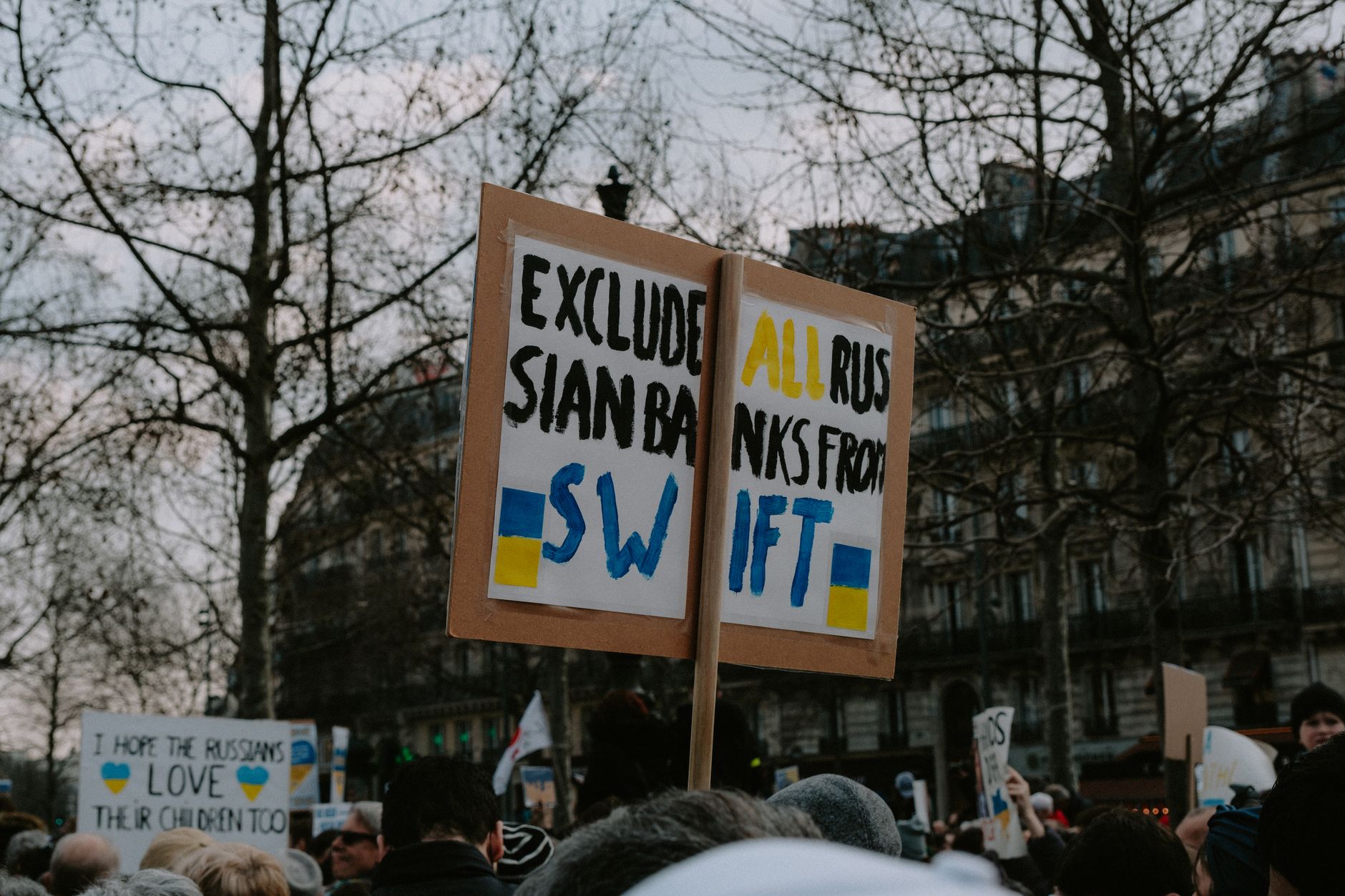
Trump's Deal Eases Russia Sanctions, Impacts Ukraine
Former U.S. President Donald Trump's agreement with Russian President Vladimir Putin involves Russia supplying 4.8 million metric tons of diesel to global markets. This move is expected to generate up to $1.25 billion in additional export revenue for Russia over three months but is unlikely to significantly affect global energy prices or Russia's federal budget. The diesel volume is equivalent to ten days of U.S. domestic demand, or one day of global demand, thus not substantially impacting market prices. The deal eases sanctions on Russia and has potentially significant political implications, as it may reinforce Russia's belief that it can secure concessions from Washington. Experts, including Sergey Aleksashenko from the NEST Centre, have commented that the agreement might undermine Western unity. However, this agreement's financial benefit to Russia is marginal, delivering less than $30 million per month to the federal budget. For investors, this event may influence oil markets and geopolitical dynamics rather than exerting immediate market price pressure. It highlights geopolitical factors that could affect market stability and the broader economic landscape.
Read More: Trump's Deal Eases Russia Sanctions, Impacts Ukraine
Congressional Iran War Votes Highlighted in Campaign Ads
Votes in Congress regarding the potential for war with Iran have become a central issue in campaign advertisements. These votes are being used to attack political opponents by focusing on their stance on military action against Iran. Various candidates in upcoming elections are using these votes to shape their campaign narratives and appeal to voter concerns about military engagement and foreign policy. The political landscape is increasingly shaped by how candidates voted on the Iran war authorization, with some ads praising non-interventionist positions while others criticize perceived military hawkishness. This has made foreign policy, particularly concerning Iran, a significant topic in the electoral campaigns. For investors, understanding the political climate and foreign policy stances can be crucial as they might affect market stability and defense sector investments. The evolving discussions on international conflicts could lead to changes in defense contracts and other related governmental spending.
Read More: Congressional Iran War Votes Highlighted in Campaign Ads
Houthis Encircle Yemeni City Taiz, Conflict With Saudi Escalates
Iran-backed Houthi rebels have surrounded Taiz, one of Yemen's largest cities. This marks a significant escalation in the conflict against Saudi-backed forces. The strategic encirclement of Taiz is part of a broader struggle involving Riyadh and its local allies. The city's position is critical, making this development particularly impactful in the ongoing regional tensions. Investors and stakeholders in the region should note that such developments could affect geopolitical stability, potentially influencing oil markets and associated economies.
Read More: Houthis Encircle Yemeni City Taiz, Conflict With Saudi Escalates
US Engages in Secret Talks with Myanmar Military Rulers
The United States has reportedly held undisclosed meetings with Myanmar's military-backed authorities in Tokyo, according to sources. These talks were not publicly announced and signal ongoing behind-the-scenes diplomatic efforts by the US to address the political situation in Myanmar. It is unclear what specific topics were discussed, but the meetings underscore the complexities of international diplomacy with Myanmar's current regime. Such engagements are typically aimed at addressing issues such as governance, human rights, and regional security concerns. For investors, the geopolitical context of Myanmar may have implications for stability in the region and any potential dealings involving US-based companies or interests. The secrecy of these discussions suggests a sensitive diplomatic approach that might influence future relations and policy actions. Understanding how these talks might impact international relations could be crucial for global market participants.
Read More: US Engages in Secret Talks with Myanmar Military Rulers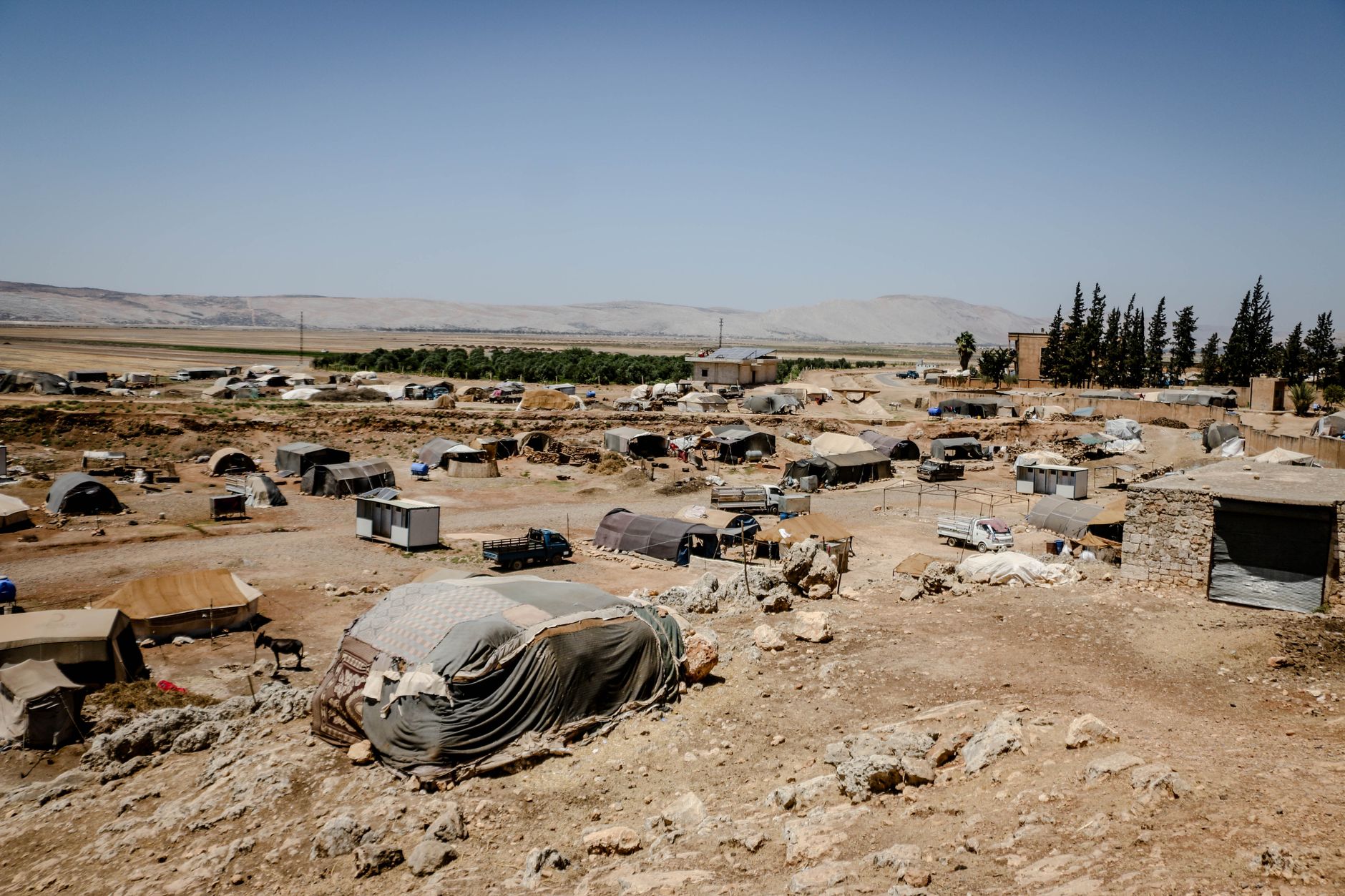
Missiles Target Saudi Oil Hub Amid Yemen Conflict
Missiles have targeted an oil hub in Saudi Arabia as the conflict in Yemen intensifies. This raises concerns over the stability of oil supplies and prices in the global market. The situation adds to the geopolitical uncertainties impacting the oil sector. The potential disruption to Saudi oil production could influence oil prices, impacting global economies reliant on energy imports. The attack signifies an escalation in the Yemen conflict, potentially affecting Saudi Arabia's oil infrastructure. The kingdom is a significant player in the global oil market, and any disruption can have far-reaching consequences. Security measures and potential retaliations could lead to volatility in oil prices. Investors should pay attention to how this geopolitical tension may influence oil prices. Stability in the region is crucial for steady oil markets, and any ongoing conflict poses risks to energy supply chains.
Read More: Missiles Target Saudi Oil Hub Amid Yemen Conflict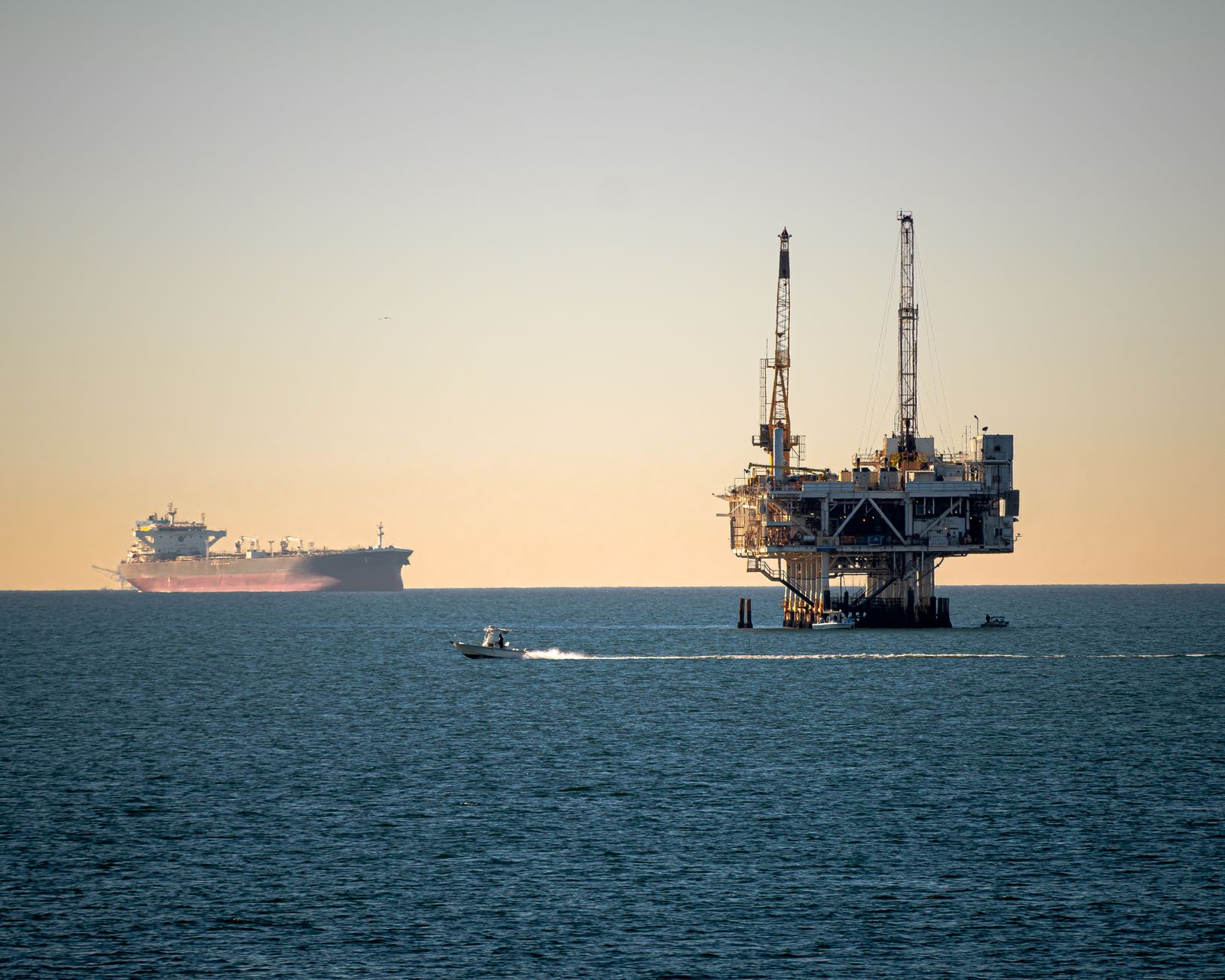
Brent Oil Hits $110 Amid Iran Hormuz Attacks, Ukraine Tensions
Brent crude oil prices rose sharply to reach $110 per barrel following heightened geopolitical tensions. This increase marked the highest level since May, closing at $109.86 with a 3.7% gain. Concurrently, U.S. West Texas Intermediate (WTI) also rose 3.5% to settle at $101.41 per barrel. Over the past week, WTI increased over 10%, while Brent advanced nearly 5% amidst escalating conflicts in strategic areas including the Strait of Hormuz and Ukraine's ongoing military actions against Russian refineries. Iranian forces were implicated in attacks on vessels in the Gulf and Houthi militants launched missile strikes at Saudi Arabia, exacerbating supply concerns. Meanwhile, Saudi Arabia intercepted several missile attacks aimed at its oil infrastructure, including one near the terminal in Yanbu. Despite these regional conflicts, daily crude export levels through Hormuz reported a pullback to 9.4 million barrels, approximately 70% of prewar averages. The conflict has also contributed to a significant rise in diesel prices in the U.S., which surpassed $6.33 a gallon, a 70% increase from the previous year. U.S. commercial inventories saw a substantial drop by more than 8 million barrels due to hurricane impacts on the Gulf Coast. These geopolitical instabilities have intensified supply fears, pushing up crude oil prices worldwide. For ordinary investors, the developments could mean sustained higher prices at the pump and broader economic impacts due to elevated energy costs.
Read More: Brent Oil Hits $110 Amid Iran Hormuz Attacks, Ukraine Tensions
White House Limits Starshield for Ukraine Amid Campaign
The White House reportedly ordered a limitation on the SpaceX Starshield service used by Ukraine's military, communicating the decision to the Department of Defense. This order, according to anonymous US and Western officials, caused Starshield's performance to decrease, especially in aiding Ukraine's battlefield communications and drone operations. Ukrainian officials noted that the restricted service particularly impacted the operational efficiency of drones using the system as guidance but later recovered partial functionality at speeds up to 100 miles per hour (160 kph). Elon Musk clarified that any restrictions on Starshield are decided by the US government or military, as the system is owned by them. The restriction comes amid broader geopolitical tensions and internal US political pressures where President Trump has urged Ukraine to cease attacks on Russian refineries blamed for rising energy prices. Despite these pressures, energy cost increases are attributed primarily to conflict in the Middle East affecting critical supply routes. Relations between Ukraine and the US have soured following recent diplomatic engagements, including a key meeting in Miami on October 9. This development matters to investors as it underscores the involvement of commercial satellite technology in military contexts, revealing potential vulnerabilities and governance complexities that could impact SpaceX and its Starshield service's operations and reliability in the marketplace.
Read More: White House Limits Starshield for Ukraine Amid Campaign
Marco Rubio to Visit Reliance's Refinery Amid U.S. Diesel Surge
U.S. Secretary of State Marco Rubio will visit Reliance Industries' large oil refinery in Jamnagar, India, owned by billionaire Mukesh Ambani. This visit comes as U.S. diesel prices remain high ahead of midterm elections due to market constraints. The International Energy Agency anticipates elevated prices continuing into the next year. The visit will occur between October 17 and 22, with no scheduled stops in New Delhi. The focus of Rubio's trip is on discussing business deals to bolster economic cooperation, especially given Reliance's investments in U.S. refineries and diesel supply capabilities. Diesel prices in the U.S. have surged, impacting truckers, farmers, and shippers. To address this, the Trump administration paused sanctions on Russia to increase global supplies. Rubio's visit is part of broader attempts to secure alternative sources of refined diesel products. Reliance's Jamnagar refinery, noted for its significant export capacity, is considered a potential supplier. For ordinary investors, the strategic partnerships and supply initiatives could influence the diesel supply chain and possibly ease fuel prices. This underscores the significance of international cooperation in tackling energy challenges.
Read More: Marco Rubio to Visit Reliance's Refinery Amid U.S. Diesel Surge
Global Cocaine Boom Continues Despite U.S. Airstrikes, WSJ Reports
U.S. airstrikes have been unable to halt the global cocaine boom, reports the Wall Street Journal. Despite efforts to target cocaine production sites, trafficking operations continue to thrive. The article highlights the regional challenges and resilience of drug traffickers in adapting to military efforts. This situation presents significant difficulties in controlling the drug trade globally, underscoring the complexity of disrupting these illicit networks. The persistence of the cocaine trade is attributed to traffickers’ ability to innovate and find new production areas. The effectiveness of U.S. airstrikes is limited by traffickers’ adaptive strategies and the vast production capacity within regions like the Andean countries. This matters for global efforts to curb narcotics trafficking, as it indicates the need for more comprehensive strategies beyond military action. Investors in sectors affected by drug enforcement policies may need to consider these ongoing challenges in risk assessments.
Read More: Global Cocaine Boom Continues Despite U.S. Airstrikes, WSJ Reports
Mideast Conflict Impacts Global Bunker Fuel Purchases
The ongoing Middle East conflict has significantly influenced global bunker fuel purchasing patterns, according to industry executives. The geopolitical tensions have prompted shifts in where and how bunker fuels are bought, with buyers seeking more reliable and less politically exposed sources. This change in purchasing behavior highlights the strategic importance of securing consistent energy supplies amid regional instability. Some suppliers in Europe and Asia may see increased demand as buyers diversify their sources away from the conflict zone. The situation underscores the interconnected nature of global energy markets and the impact of geopolitical events on supply chain decisions. Industry stakeholders are closely monitoring developments to adjust their strategies accordingly. For investors and companies involved in the energy supply chain, understanding these shifts is crucial. The changes may affect operational costs and logistics strategies, impacting profitability. Investors should note how energy companies adapt to these shifting buying patterns and what strategic measures they take to secure supply chains amidst geopolitical uncertainties.
Read More: Mideast Conflict Impacts Global Bunker Fuel Purchases
Russia Returns to G20 Amid U.S. and European Tensions
Russia's Finance Minister Anton Siluanov attended the G20 meeting in Bangkok, marking his second appearance since the 2022 Ukraine invasion. This invitation by the U.S. has led to tensions with European nations. Deputy Governor of the Bank of Russia Elizaveta Danilova also attended the meeting, part of the IMF-World Bank Annual Meetings. German Finance Minister Lars Klingbeil expressed discontent, stating that Russia should not be treated as a normal member of the G20 while the Ukraine conflict persists. Australia and other countries pushed back against the easing of sanctions on Russia, emphasizing the need for Russia to end the war in Ukraine and respect its sovereignty. The meeting concluded without a joint communique, highlighting ongoing divisions among the G20 members over Russia's actions and other global issues such as trade imbalances and the Middle East conflict. The absence of U.S. Treasury Secretary Scott Bessent, who chose to remain in Washington, underscored the complexity of the situation. This matters to investors as global political tensions can have direct and indirect impacts on international trade and market stability, influencing investments across regions.
Read More: Russia Returns to G20 Amid U.S. and European Tensions
Authorities Investigate Suspicious Substances in Letters to Offices
Authorities are currently investigating letters containing suspicious substances that were sent to various congressional and election offices. The investigation aims to determine the nature of the substances and any potential threat they may pose. The letters have prompted a serious response from security and safety officials to ensure the protection of personnel and the public. The details of the substances are yet to be disclosed, and no official statement on the cause or intent has been made. This investigation highlights ongoing challenges in ensuring security and safety in governmental operations. For ordinary investors, this may raise concerns about security measures and potential operational disruptions in public offices.
Read More: Authorities Investigate Suspicious Substances in Letters to OfficesElon Musk Blames U.S. for Ukraine Starshield Restrictions
Elon Musk, CEO of SpaceX, stated that the U.S. government and President Donald Trump are responsible for any restrictions imposed on Ukraine's Starshield systems. Musk emphasized that Starshield systems, which are military-grade, are owned and controlled by the U.S. government. Consequently, any speed or usage limits would be decided by the U.S. military and ultimately Trump. This development comes amidst Ukraine's accusations towards SpaceX regarding unannounced restrictions on Starlink network, affecting its military operations.
Read More: Elon Musk Blames U.S. for Ukraine Starshield Restrictions
China Opens Joint Airfield in Laos as Construction Continues
China has opened a joint airfield in Laos with ongoing construction, raising questions about its potential military role. The development signals increasing strategic partnerships between China and Laos, but details about the airfield's specific purposes remain limited. Observation and analysis will be needed to assess any military use in the future.
Read More: China Opens Joint Airfield in Laos as Construction Continues
U.S. Considers Unfreezing Russian Assets for Ukraine Talks
The United States is reportedly considering the option of unfreezing Russian assets as a means to restart peace talks regarding the Ukraine conflict. This proposal aims to advance diplomatic efforts in resolving the ongoing tensions between Russia and Ukraine by offering an incentive to bring Russia back to the negotiating table. Details on the exact nature and amount of the assets in question have not been disclosed in the report. The Financial Times cites anonymous sources suggesting this move could potentially aid in negotiating peace by giving Russia an economic and diplomatic incentive. The geopolitical implications of such a decision could be significant, affecting the diplomatic relationships between the involved nations and impacting global markets sensitive to geopolitical stability. This potential unfreezing of assets matters for international investors as it might ease geopolitical tensions, potentially resulting in increased market stability and reduced volatility in the affected regions. Investors should monitor developments closely as the situation evolves.
Read More: U.S. Considers Unfreezing Russian Assets for Ukraine Talks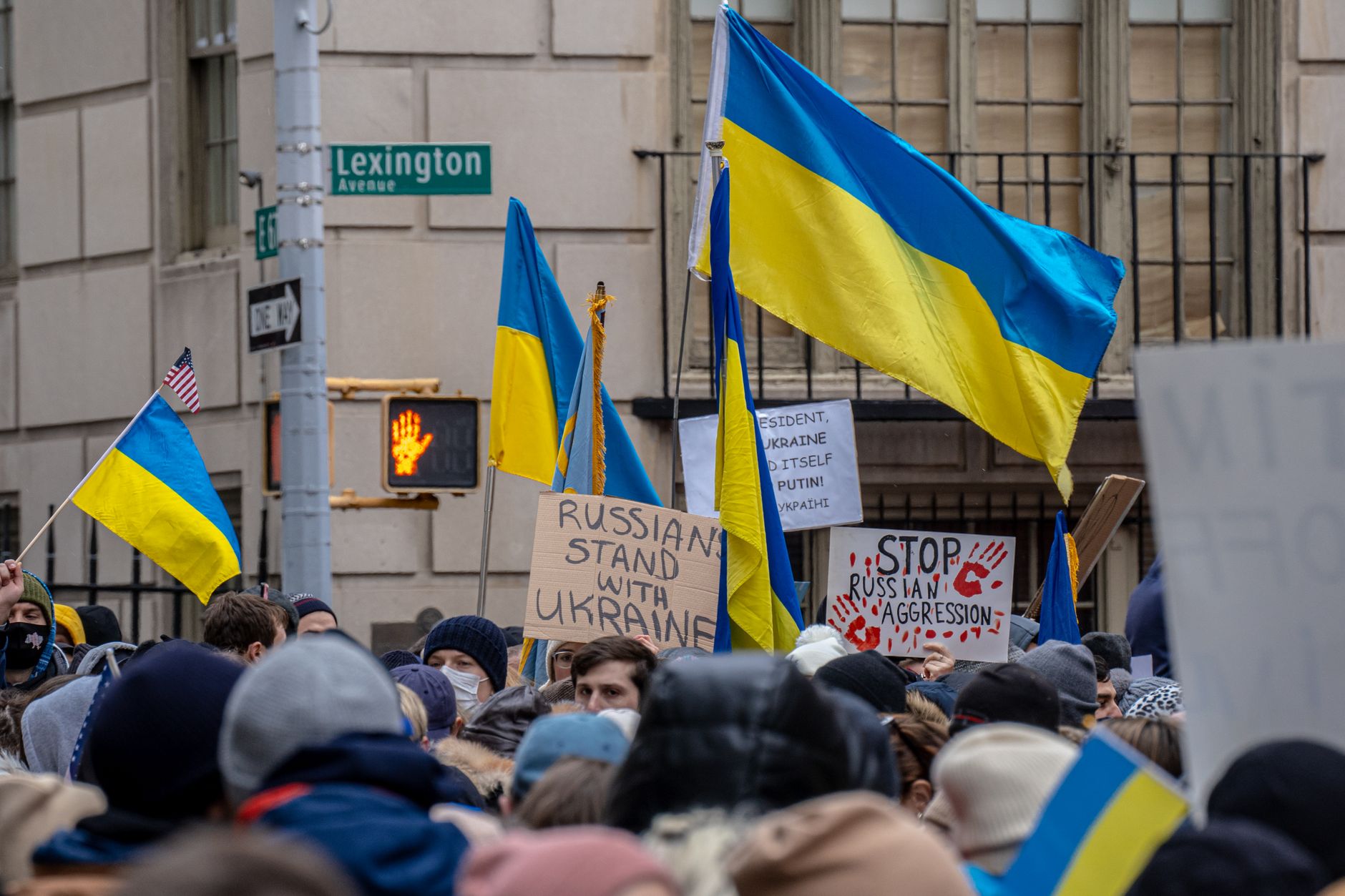
US Considers Unfreezing Russian Assets to Aid Peace Talks
The United States is considering unfreezing certain Russian assets as a measure to restart peace talks with Ukraine. This proposal was made by negotiators under Donald Trump's leadership during a meeting in Miami. The idea has met resistance from European officials, who are wary of the potential implications of such a move. There are no specific numbers or assets mentioned in the report, which illustrates the sensitive nature of diplomatic negotiations and the complexities involved in international peace discussions. This development is significant as it reflects ongoing efforts by the US to find diplomatic solutions to the conflict involving Ukraine and Russia. The reaction from European officials indicates potential challenges in reaching a consensus among Western allies on how to handle Russia-related issues. Future negotiations may reveal more about the US's strategy and Europe's stance on the matter. For ordinary investors, this suggests that geopolitical factors continue to play a role in market dynamics, affecting stability in regions involved. The outcome of these negotiations could impact global markets depending on the resulting political and economic relations.
Read More: US Considers Unfreezing Russian Assets to Aid Peace Talks
GFS Pride Sinks in Hormuz as Iran's Attacks Intensify
The container ship GFS Pride sank in the Strait of Hormuz following a strike by an unidentified projectile. The vessel caught fire, but all 21 crew members evacuated safely with no injuries reported. The event marks an escalation in attacks on commercial ships in the region, with Iran's Revolutionary Guard claiming the ship hit a naval mine, though no independent evidence corroborates this. Iran's actions in the Strait of Hormuz, including attacks on more than 20 vessels this month, are reportedly aimed at disrupting crude oil exports. Exports through the strait dropped to 8.5 million barrels per day as of October 12, around 40% below normal prewar levels. Despite reaching prewar levels in September, crude oil shipments have been affected by ongoing security threats. Iran's escalated attacks pose significant risks to commercial vessels and have already disrupted oil export levels from the region.
Read More: GFS Pride Sinks in Hormuz as Iran's Attacks Intensify
Trump's Move on Russian Diesel Faces Criticism in the WSJ
The article discusses reactions to former President Donald Trump's decision involving Russian diesel, which has ignited pushback and skepticism. The Wall Street Journal reports on mixed opinions regarding the move, highlighting concerns and doubts expressed by various stakeholders. Interestingly, the article does not include specific numbers or detailed data points to substantiate the reactions mentioned. It primarily focuses on the political and strategic implications of Trump's decision to engage with Russian diesel amid current geopolitical tensions. Critics argue the move could have unforeseen consequences on international relations and energy markets. Understanding these developments is important for investors as they navigate the complexities of geopolitical policies impacting energy commodities. The skepticism around this decision could influence market sentiment, potentially affecting energy prices and related investments.
Read More: Trump's Move on Russian Diesel Faces Criticism in the WSJRussia Attacks Ukraine Power Grid, 600,000 Lose Power
Russia launched an overnight attack on the Ukrainian energy infrastructure, impacting at least 600,000 people in the Kyiv and Kharkiv regions, according to President Volodymyr Zelenskyy. The attack resulted in significant damage, hitting 26 facilities within the power system and 4 in the oil and gas sector, as reported by Zelenskyy on X. The ballistic missile strike was targeted at the energy infrastructure and violated the 'energy ceasefire' announced by former President Donald Trump, which aimed to reduce energy attacks to help lower oil and diesel costs. Ukrainian authorities initially denied knowledge of any ceasefire agreement but have since welcomed such a proposal. Russian authorities have indicated ongoing discussions regarding the ceasefire but are yet to confirm an agreement. Russia's Foreign Minister Sergey Lavrov referenced Zelensky's response, who claimed ignorance about any such agreement and expressed willingness for clarification and readiness for a ceasefire. This attack underscores the continued volatility and uncertainty in the geopolitical landscape affecting energy infrastructure in the region. For investors, this development highlights ongoing risks to energy supply stability, which may impact energy markets and prices.
Read More: Russia Attacks Ukraine Power Grid, 600,000 Lose Power
Judge Extends Order on CNN and Politico White House Bans
A judge has decided to extend an order that prevents former President Donald Trump from banning reporters from CNN, MS NOW, and Politico from the White House. This legal action involves high-profile media organizations and touches on the broad issues of press freedom and access to government officials. The extension continues to block actions previously sought by Trump, reflecting ongoing legal challenges regarding media access at the highest levels of government. This situation remains significant as it concerns the rights of news organizations to cover the government, potentially influencing how future administrations handle press access. Resolving such matters could also set precedents that impact the broader media landscape. The extended order highlights ongoing debates over press freedom and its implications for both journalists and policymakers. Ensuring media access remains critical for transparency in government operations, an important consideration for investors interested in the political landscape and any related market implications.
Read More: Judge Extends Order on CNN and Politico White House Bans
Saudi Coalition Targets Houthi Positions in Yemen Amid Tensions
The Saudi-led coalition has launched airstrikes on Houthi targets in the capital of Yemen. These actions are part of ongoing regional tensions. Former U.S. President Donald Trump has accused Iran-backed militants of attempting to influence oil prices, suggesting these actions might be tied to political motives ahead of the U.S. midterm elections. This situation highlights the complex geopolitical landscape in the region, which can have significant implications for global oil markets. The possibility of further disruptions to oil supplies may affect market stability and prices.
Read More: Saudi Coalition Targets Houthi Positions in Yemen Amid Tensions
Kimberly Guilfoyle Resigns as US Ambassador to Greece
Kimberly Guilfoyle announced her resignation as the U.S. Ambassador to Greece, following a request from the White House. The decision was made public soon after White House Press Secretary Katie Zacharia confirmed the administration's request for Guilfoyle to leave her position. President Donald Trump indicated that news reports about Guilfoyle's conduct influenced the decision to ask for her resignation. Guilfoyle denied recent allegations about her conduct and said she will defend her reputation. Guilfoyle had served as ambassador during a year marked by controversy, including critical reports from The Wall Street Journal alleging her involvement in promoting a Greek company and meetings with foreign officials. These reports contributed to discussions about her job security. The White House emphasized that Guilfoyle had been a valuable team member despite the decision to ask for her resignation. This resignation impacts diplomatic continuity in Greece but also highlights how allegations and media coverage can influence administrative decisions at high levels. The case serves as a reminder for investors and stakeholders of the importance of maintaining a clear professional image in public service roles.
Read More: Kimberly Guilfoyle Resigns as US Ambassador to Greece
Kimberly Guilfoyle Resigns Amid Conduct Allegations - AP News
Kimberly Guilfoyle, who served as the ambassador to Greece under former President Donald Trump, has resigned following allegations of improper conduct. The details surrounding the allegations have not been disclosed. Guilfoyle's resignation is a significant development given her high-profile position within the administration. Her resignation marks a notable event in the context of Trump's administrative appointments, as Guilfoyle was a visible figure due to her previous roles and public presence. The lack of detailed information on the allegations leaves room for speculation. For investors and market observers, while this event pertains to political and diplomatic circles, it does not have a direct financial impact. However, it may capture public and media attention due to Guilfoyle's prominent public figure background.
Read More: Kimberly Guilfoyle Resigns Amid Conduct Allegations - AP News
Iran Fortifies Nuclear Sites Amid U.S. Strike Concerns
Iran is reportedly enhancing its military defenses as it anticipates potential U.S. military action following the November midterm elections. According to The Wall Street Journal, Iran is reinforcing defenses at critical locations like nuclear sites and preparing its population for war through rallies and missile training. U.S. President Donald Trump stated that American forces would not attack Iran before the midterm elections on November 3. Meanwhile, a Saudi-led coalition has intercepted a ballistic missile shot at Riyadh, highlighting ongoing regional tensions. This includes multiple Houthi attacks on Saudi energy facilities and airports, leading to casualties and the temporary closure of King Khalid International Airport. Additionally, a thwarted attack on an air force base in the U.K. allegedly directed by Iran's Islamic Revolutionary Guard has raised security concerns. British officials summoned the Iranian ambassador in response. Iran's actions are part of broader defensive preparations amid apprehensions about potential conflict escalation in the Middle East. The article underscores increased geopolitical tensions that may impact global security dynamics. For investors, these developments could affect markets linked to geopolitical stability, especially in the Middle East. The situation highlights risks that may influence global oil prices and supply chains.
Read More: Iran Fortifies Nuclear Sites Amid U.S. Strike Concerns
Multiple Airstrikes Target Houthi Rebels in Yemen
In a recent development, Houthi rebels reported being targeted by multiple airstrikes in Yemen. This event adds to the ongoing tensions in the Middle East, involving various factions and external powers. The article does not specify who conducted these airstrikes or provide additional numerical data on the events. The impact on regional stability and geopolitical relations remains uncertain, with potential implications for broader Middle East dynamics. Ordinary investors should note that escalating conflicts in the Middle East can affect global oil supply and prices, impacting energy sector investments.
Read More: Multiple Airstrikes Target Houthi Rebels in Yemen
Trump Claims Russia, China Not Assisting Iran
Former President Donald Trump stated that Russia and China are not aiding Iran amidst current geopolitical tensions. These comments arrived during a public appearance where Trump discussed international relations, particularly focusing on the perceived alliances and strategies of major global powers. The statement emphasizes Trump's perspective on the geopolitical dynamics involving Russia, China, and Iran. Understanding these international relationships helps investors assess geopolitical risks that could impact global markets.
Read More: Trump Claims Russia, China Not Assisting Iran
Iran Enhances Nuclear Sites Amid Rising Tensions
Iran is reportedly strengthening its nuclear facilities, according to the Wall Street Journal. This move is considered a preparative measure in response to mounting tensions and potential conflicts. While Iran's government is communicating this initiative to its citizens, it also signals a possible shift in geopolitical dynamics. This development is significant as it could impact global relations, potentially affecting oil prices and regional stability in the Middle East.
Read More: Iran Enhances Nuclear Sites Amid Rising Tensions
Trump Considers Firing US Envoy to Greece Amid Misconduct Claims
US President is considering the dismissal of the US ambassador to Greece after a report emerged claiming she accepted improper gifts while in office. The president stated he is 'looking at' the situation, which potentially indicates a forthcoming decision on the ambassador's position. This development underscores the potential implications for US diplomatic relations with Greece, depending on the resolution of these allegations. Such allegations, if proven, could lead to significant policy or personnel changes within the US administration. The outcome may affect diplomatic dynamics between the two countries, impacting international relations and possibly affecting US interests in the region.
Read More: Trump Considers Firing US Envoy to Greece Amid Misconduct Claims
Trump Considers Firing Kimberly Guilfoyle Amid Controversy
President Donald Trump is considering firing Kimberly Guilfoyle from her role as U.S. ambassador to Greece. This development follows a series of articles by The Wall Street Journal concerning Guilfoyle's conduct, including her involvement in promoting U.S. natural gas sales in Eastern Europe and alleged financial misconduct involving a U.S. donor. Trump expressed his dissatisfaction with Guilfoyle, stating he is 'not happy' with her performance and is 'looking at' the situation closely. Details of Guilfoyle's activities include her push for deals with a Greek construction firm and traveling with a lobbyist, which raised questions about her ambassadorial role. Allegations have also surfaced regarding her financial dealings, including a $100,000 request from a Trump donor for an American Express bill. Guilfoyle's lawyers have denied any wrongdoing, claiming that all expenses and travels adhered to State Department guidelines and were for unpaid services prior to her nomination. This situation matters for investors and markets watching U.S.-Greece relations and international energy deals. The controversy could impact diplomatic strategies and the perception of U.S. leadership abroad.
Read More: Trump Considers Firing Kimberly Guilfoyle Amid ControversyBosnia Warns of Pro-Russia Serb Lobbying Efforts in US
Bosnia's foreign minister has expressed concerns over a pro-Russia Serb enclave's use of public funds to influence political activities in the United States. This warning highlights the enclave's efforts to strengthen its ties with Moscow, potentially impacting international relations and diplomatic dynamics in the region. The use of public resources for such lobbying efforts could raise questions over transparency and motivations, creating tension within and outside the Balkans. The implications of such lobbying might influence the US relationship with Russia and its allies, as Bosnia seeks to ensure regional stability and alignment with Western policies.
Read More: Bosnia Warns of Pro-Russia Serb Lobbying Efforts in US
Spain Faces Major Border Crisis in Ceuta Before Royal Visit
Spain is experiencing its worst border crisis in the North African enclave of Ceuta, as tensions rise between local communities. The situation is escalating just before the scheduled visit by the Spanish royals, marking a significant strain on Ceuta's historically multicultural coexistence. This visit will be the first by the royals to Ceuta, highlighting the importance and gravity of the issue at hand.
Read More: Spain Faces Major Border Crisis in Ceuta Before Royal Visit
UK Imposes Sanctions on Iran Over RAF Fairford Incident
The UK government has announced new sanctions on Iran following an incident at the RAF Fairford in Gloucestershire. Andy Burnham, a prominent political figure, claimed that the events were 'almost certainly directed' by the Islamic Revolutionary Guards. The sanctions are a response to what has been characterized as a security threat at a military base also used by the US military in the UK. The specifics of the sanctions, including any economic measures, have yet to be detailed by officials. These sanctions are part of the UK's broader effort to address international security concerns related to Iran's actions. For ordinary investors, these geopolitical developments could impact markets sensitive to Middle East tensions.
Read More: UK Imposes Sanctions on Iran Over RAF Fairford Incident
Trump Defends Russia Diesel Deal Amid Criticism
Former President Donald Trump has defended a deal involving the import of Russian diesel amid bipartisan backlash. Critics from both political parties have expressed concern over the agreement, which they see as counter to American energy independence priorities. Details regarding the volume of diesel involved or specific financial terms were not disclosed in the statement. Trump argued that the deal addresses market demands and supports economic interests, though opponents argue it may undermine energy autonomy. The bipartisan criticism emphasizes the political challenge in balancing international trade agreements with domestic energy policies. Energy analysts have pointed out potential implications for U.S. refineries and the broader fuel market, but exact figures and projections are not specified. The situation highlights tensions between international trade interests and national energy goals. For ordinary investors, the controversy surrounding this deal underscores the complexities involved in energy trade policies and their potential impact on related industries. Observing political and market responses may reveal future implications for energy companies.
Read More: Trump Defends Russia Diesel Deal Amid Criticism
German Spy Chief Warns of Russia's Hybrid Threat Methods
The German spy agency has highlighted concerns about Russia's use of hybrid operations to exert influence. The operations involve a mix of cyber tactics and traditional espionage to affect political and economic environments globally. This announcement follows an increase in geopolitical tensions and underscores the complexity of international security challenges. According to the spy chief, these methods are a significant aspect of modern-day threats and mark a shift from conventional warfare to more intricate operational strategies. Germany's intelligence report signals a growing awareness among Western nations of the diverse strategies used by state actors like Russia. This includes leveraging technology for cyber activities that could disrupt societal and governmental functions. The report does not specify particular incidents but emphasizes the ongoing nature of these threats. For investors, this serves as a reminder of the geopolitical risks that can affect markets, particularly in sectors like cybersecurity. Companies involved in this industry might experience shifts in demand as governments seek to bolster national defenses.
Read More: German Spy Chief Warns of Russia's Hybrid Threat Methods
Dollar Near 18-Month Highs Amid Gulf Unrest and US Inflation
The US Dollar remains strong, trading near its 18-month highs. This strength comes as geopolitical tensions in the Gulf and persistent inflation in the United States keep investors cautious. Amidst these developments, traders are closely monitoring how these factors will influence Federal Reserve decisions on future interest rate policies. The ongoing unrest in the Gulf has escalated concerns about oil supply disruptions, which could potentially impact prices and global markets. Additionally, the continued inflationary pressures in the US are adding to investor anxiety about potential interest rate hikes by the Federal Reserve. For investors, the key takeaway is how these geopolitical and economic factors might affect the Federal Reserve's interest rate decisions. A more hawkish stance could further strengthen the dollar, impacting importers and international businesses.
Read More: Dollar Near 18-Month Highs Amid Gulf Unrest and US Inflation
Zelenskyy Contradicts Energy Ceasefire Claim Amid Russian Strikes
Ukrainian President Volodymyr Zelenskyy has stated that Russian forces continue to strike energy facilities in Ukraine. This contradicts a claim made by former U.S. President Donald Trump, who suggested there is an energy ceasefire between the conflicting nations. The ongoing strikes underline the persistent tension and disruption in Ukraine's energy sector caused by the conflict with Russia. This development highlights ongoing risks to Ukraine's energy infrastructure and economy. The contradiction between Zelenskyy's statement and Trump's claim may also impact diplomatic discussions and international perceptions of the conflict's status. For investors, the attacks on energy infrastructure in Ukraine may signal potential volatility in energy supply and related markets. Understanding the true state of conflict is essential for assessing any risks to energy investments in the region.
Read More: Zelenskyy Contradicts Energy Ceasefire Claim Amid Russian Strikes