ECB News & Analysis
50 articles
Market Mood

ECB Leadership Change Explained by Citi Highlights Hawk vs Dove Roles
Citi has provided an explanation of the terms 'hawk' and 'dove' as the European Central Bank (ECB) prepares for a leadership change. In central banking, a 'hawk' typically supports higher interest rates to combat inflation, while a 'dove' favors lower rates to support growth and employment. This clarification comes amid discussions about the potential new direction of ECB policy under incoming leadership. The leadership change at the ECB is significant for markets as it may influence monetary policy decisions including interest rates and inflation targeting. Market participants are closely watching how this change might affect the balance between inflation control and economic support in the Eurozone. Citi's explanation aims to help investors understand the implications of different policy stances represented by these terms. Understanding the distinction between 'hawk' and 'dove' is important because it signals potential shifts in the ECB's approach to managing the Eurozone economy. This matters to investors because monetary policy changes can impact borrowing costs, currency values, and overall economic growth. The leadership transition thus represents a pivotal moment for predicting how policy may evolve.
Read More: ECB Leadership Change Explained by Citi Highlights Hawk vs Dove Roles
Euro Zone GDP Growth Slows to 0.4% in Q3 with France Contracting
Economic growth in the euro zone slowed to 0.4% in the third quarter of 2026, according to Eurostat. This marks a decrease from the 0.6% growth in the second quarter and follows a stagnation period in the first quarter. The actual Q3 growth exceeded the 0.2% forecast from a Reuters poll of economists. France's economy contracted by 0.1% in the third quarter amid rising borrowing costs and political challenges to reduce its budget deficit and mounting national debt. Recent nationwide protests and unrest over the cost of living have also contributed to economic stress. Germany, the largest euro zone economy, grew by 0.2%, while Italy's economy showed no growth in the same period. Spain grew by 0.6%, supported by labor productivity, tourism, domestic demand, and a strong fiscal position. Ireland recorded 5.5% growth, though these figures are volatile due to multinational corporations operating there. The European Central Bank (ECB) held interest rates steady recently but indicated the possibility of a December rate hike due to ongoing high energy costs. Analysts warn that despite some resilience, the euro zone faces structural challenges such as weak productivity, demographic pressures, and rising energy and transportation costs. This situation may continue to impact household finances and consumer confidence into 2027, particularly if geopolitical conflicts persist.
Read More: Euro Zone GDP Growth Slows to 0.4% in Q3 with France Contracting
ECB President Lagarde to Step Down Feb 7, 2027; Successor Race Begins
European Central Bank President Christine Lagarde announced she will step down on February 7, 2027, nearly nine months before her term expires in October 2027. Lagarde has led the ECB since July 2019, overseeing policy responses to the Covid-19 pandemic, the Russia-Ukraine war, and energy price shocks that pushed EU inflation above 11% in 2022. The process to appoint her successor will start immediately. Key possible successors include Klaas Knot, former head of the Netherlands central bank, and Pablo Hernández de Cos, former head of Spain's central bank. The ECB presidency appointment is influenced by political negotiations among euro-area governments, balancing expertise, national representation, and regional interests. The transition occurs amid France's looming sovereign debt crisis and upcoming elections, factors expected to shape political support and the ECB’s future monetary policy. The new president will face challenges including potential financial market turbulence and the need to manage widening bond yield spreads within the eurozone. As France’s fiscal situation deteriorates, intervention mechanisms may be required, increasing the significance of leadership experience in financial stability. This leadership change matters for investors because the ECB’s policy direction impacts eurozone interest rates, inflation control, bond markets, and overall economic stability.
Read More: ECB President Lagarde to Step Down Feb 7, 2027; Successor Race Begins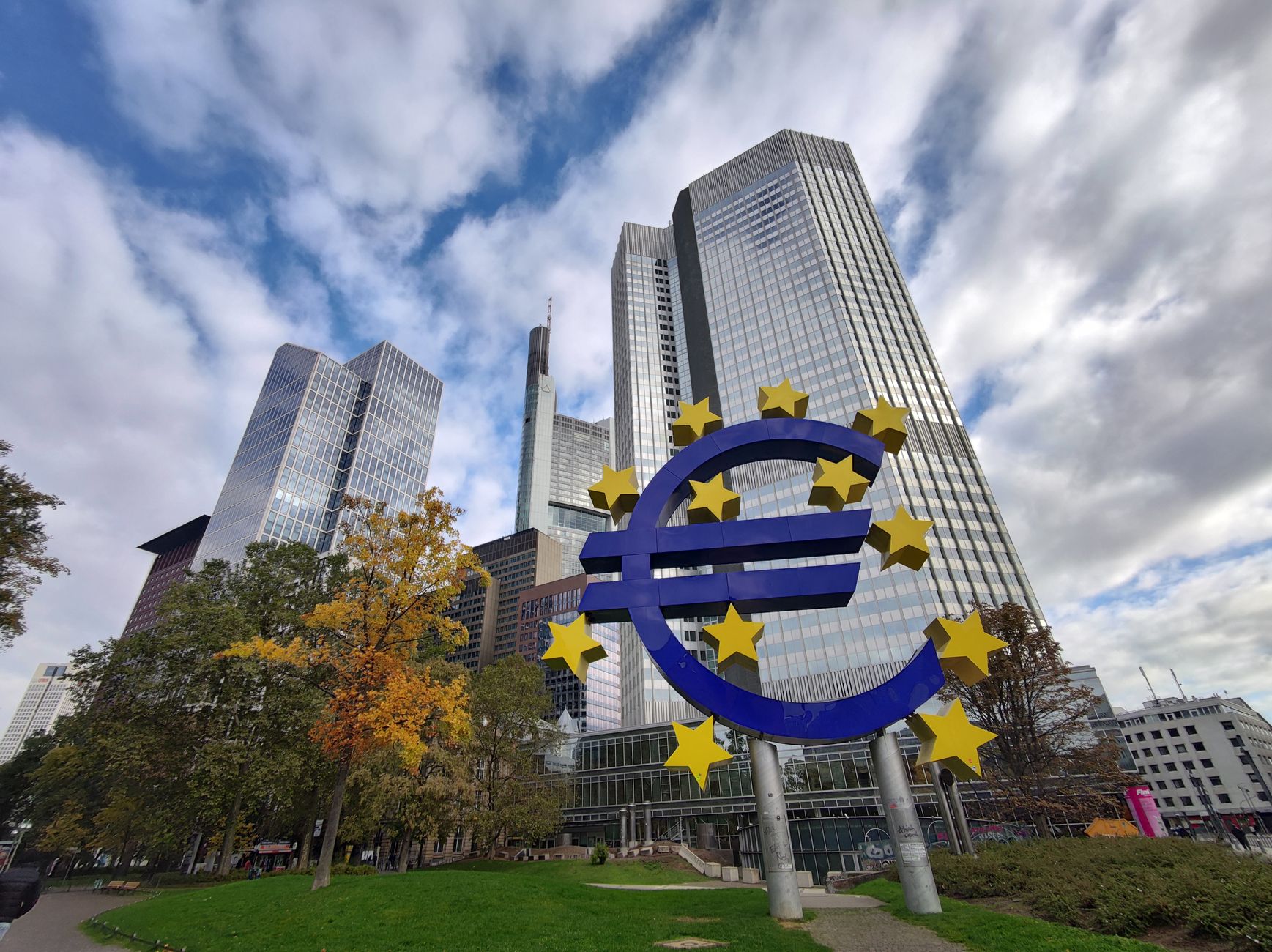
ECB President Christine Lagarde to Step Down in February
Christine Lagarde will step down as president of the European Central Bank (ECB) in February. Her original eight-year term was due to end in October 2027. This announcement marks a change in leadership earlier than expected at the ECB, the institution responsible for monetary policy in the eurozone. Lagarde's departure comes as the ECB continues to navigate complex economic challenges in Europe including inflation management and interest rate decisions. The timing of her stepping down in February means that the ECB will require a new president before the scheduled end of her term in October 2027. The leadership change is important for markets because the ECB's policy stance heavily influences eurozone inflation, interest rates, and economic growth. Investors will watch closely who succeeds Lagarde, as this figure will shape the ECB's policy direction and thus impact borrowing costs and investment in Europe.
Read More: ECB President Christine Lagarde to Step Down in February
ECB Chief Christine Lagarde Departs Amid Economic Challenges
Christine Lagarde is stepping down as the European Central Bank (ECB) chief during a period described as challenging for the ECB. Her successor will face significant difficulties managing the institution amid current economic pressures. The article highlights the timing of her departure, implying substantial responsibility and complexity for the next ECB leader. No specific economic figures, ECB policies, or timelines for the transition are provided. The discussion emphasizes the nature of the departure without detailing the current monetary policy environment or financial indicators. This matters because leadership changes at the ECB can influence European monetary policy direction. The incoming chief will impact decisions on interest rates, inflation, and financial stability, critical factors for investors in European markets.
Read More: ECB Chief Christine Lagarde Departs Amid Economic Challenges
S&P 500 Futures Up 0.4% Ahead of Major Central Bank Rate Decisions
Stock futures rose on Sunday evening as traders anticipated central bank rate decisions this week. The S&P 500 futures increased by 0.4%, Dow Jones Industrial Average futures rose by 128 points (0.2%), and Nasdaq-100 futures gained 0.6%. The Federal Reserve, European Central Bank, and Bank of Japan will announce their rate decisions on Wednesday, Thursday, and Friday respectively. Asian markets showed mixed starts with Japan's Nikkei 225 futures trading at 63,030 compared to the previous close of 62,693.16, Hong Kong's Hang Seng futures at 23,110 versus a last close of 23,093.37, while Australia's S&P/ASX 200 declined by 0.79% in early trading. Oil prices fell in Asia with Brent crude down 0.89% to $115.68 per barrel and U.S. West Texas Intermediate slipping 1.03% to $102.22 per barrel after reaching a high last Friday related to potential U.S. and Israeli strikes on Iran. The previous week's market losses included a drop of over 650 points in the Dow, a 0.5% loss in the S&P 500, and a 0.2% decline in the Nasdaq Composite. Moody's maintained France's Aa3 credit rating and negative outlook despite bond yield concerns, noting the need for fiscal efforts to stabilize debt exceeding 120% of GDP in 2027. The Federal Reserve decision is awaited with fed funds futures indicating a 90% chance rates will remain between 3.75% and 4%, though Bank of America anticipates a possible 0.25% increase. This decision will test Chair Warsh's forward guidance strategy and investor confidence regarding inflation control and policy tightening. This matters for investors because the Federal Reserve's interest rate decision will directly influence borrowing costs, market liquidity, and potential inflation control, which are central to equity and commodity price directions in the near term.
Read More: S&P 500 Futures Up 0.4% Ahead of Major Central Bank Rate Decisions
Eurozone Debt Market Consolidation Amid Lagarde's Bond Decision
Eurozone debt markets are undergoing a consolidation process as Christine Lagarde, President of the European Central Bank, firmly opposed the idea of a French government bond backstop. This consolidation reflects ongoing efforts to streamline operations within the Eurozone amid a challenging economic context. Lagarde's decision was made against the backdrop of growing fiscal pressures and the need for cohesive financial policies across the region. The rejection of a bond backstop indicates a commitment to maintaining fiscal discipline without additional state interventions. Lagarde stated that such measures could potentially undermine financial stability and market integrity in the long term. This decision highlights the ECB's focus on reinforcing existing monetary structures rather than implementing new fiscal aids. Investors in the Eurozone debt markets are likely to consider this development as it may impact the region's bond yields and liquidity. The consolidation of debt markets and policy decisions by top financial authorities like the ECB are crucial factors that could influence investment strategies in the Eurozone.
Read More: Eurozone Debt Market Consolidation Amid Lagarde's Bond Decision
France Debt Crisis Sparks Concerns on Political Cost
France is facing a potential debt crisis as it continues to struggle with high deficits, which have persisted for almost a decade under President Emmanuel Macron. The country's deficit-to-GDP ratio is among the highest in Europe, and public protests highlight dissatisfaction with underfunded services. Additionally, France's borrowing costs have reached their highest level in nearly 25 years, causing jitters in bond markets. The ongoing fiscal challenges are compounded by political uncertainty, with parliamentary debates on the 2027 budget and the looming presidential elections. Market watchers warn that unless France reduces its national deficit, there is a risk of a broader economic crisis affecting the entire eurozone. The European Central Bank (ECB) is watching the situation closely but may not intervene solely to support France unless there is a wider European crisis. This situation matters for ordinary investors as rising borrowing costs and political instability could affect the euro and the broader European economy. Investors should watch how France maneuvers its fiscal policies and the potential impact on European markets.
Read More: France Debt Crisis Sparks Concerns on Political Cost
Krugman Warns France's Debt Path Is Unsustainable
In a recent Substack blog post, Nobel laureate Paul Krugman expressed concerns about France's fiscal trajectory, describing it as 'fiscally unsustainable.' He pointed to the country's high debt-to-GDP ratio and large budget deficits as exacerbating factors, alongside a failure to adjust the relatively low retirement age. Krugman likened the situation to the euro area Sovereign Debt Crisis of 2009-2012, emphasizing risks of investor distrust and potential default scenarios. Former ECB chief Jean-Claude Trichet also highlighted these concerns, advising French politicians to work towards reducing the deficit. He noted that while intervention tools like the European Stability Mechanism exist, they require formal requests from France, which currently states it does not need such assistance. Trichet underscored the significant political and financial challenges of any potential ECB bailout. These warnings signal possible financial instability in the EU's second-largest economy. For ordinary investors, this situation underlines potential volatility in European bonds and calls for careful monitoring of policy actions in France.
Read More: Krugman Warns France's Debt Path Is Unsustainable
Euro Faces Challenges Due to France's Economic Struggles
The euro is experiencing pressure largely because of economic challenges facing France. Recent data has highlighted France's lagging performance within the eurozone, with industrial production dropping unexpectedly by 1.2% in August, contrary to forecasts of a 0.1% gain. This contrasts with the broader eurozone economic expansion expectations, which have remained optimistic despite mixed economic signals from member states. The European Central Bank's (ECB) recent policy meetings have not indicated any immediate monetary policy changes to address such asymmetries between member countries. However, sustained poor performance from economies like France could potentially compel the ECB to reconsider its stance in the future. France's unexpected decline in industrial production serves as a tangible indicator of its current economic struggles that could have ripple effects across the eurozone. The economic disparities across the eurozone member states complicate the ECB’s capability to implement and maintain effective monetary policy. For investors, France's continued economic underperformance could lead to further pressure on the euro, affecting currency markets and European stock markets. Understanding these dynamics is crucial for investors navigating euro-denominated assets or investments.
Read More: Euro Faces Challenges Due to France's Economic Struggles
Eurozone Inflation Reaches Three-Year High at 3.8%
Eurozone inflation has surged to its highest level in three years, reaching 3.8% in September. This increase in consumer prices exceeded expectations and reflects pressures within the Eurozone economy. The rise suggests heightened demand and potential supply chain issues affecting the region's market dynamics. The increase in inflation could influence monetary policy decisions by the European Central Bank as they balance economic recovery with price stability concerns.
Read More: Eurozone Inflation Reaches Three-Year High at 3.8%
ECB’s Rehn: Soaring Yields May Curb Inflation from Energy Costs
European Central Bank (ECB) board member Olli Rehn stated that rising yields could mitigate the inflation impact caused by high energy prices. He mentioned that inflation levels are expected to remain elevated. Higher yields typically indicate higher borrowing costs, which can influence spending and economic growth. This matters for investors as it highlights a potential shift in monetary policy dynamics due to energy-related inflation pressures.
Read More: ECB’s Rehn: Soaring Yields May Curb Inflation from Energy Costs
ECB's Next Move on Prices and Demand Analysis
Isabel Schnabel of the European Central Bank (ECB) has emphasized the importance of price expectations and demand in determining the ECB's upcoming policy decisions. The ECB is closely monitoring these factors as they can significantly influence inflation rates across the Eurozone. This analysis comes amid ongoing discussions on monetary policy and its impact on economic recovery. Understanding these dynamics is crucial for investors as they navigate interest rates and market conditions in the region.
Read More: ECB's Next Move on Prices and Demand Analysis
ECB Interest Rate Hikes Under Investor Scrutiny
There is growing speculation among investors regarding the number of interest rate hikes expected from the European Central Bank (ECB). Recent discussions suggest the ECB may make several adjustments in the upcoming months as it continues to address inflation concerns. As of now, the exact number of hikes remains uncertain, creating fluctuations in market sentiment. This uncertainty may affect bond yield movements and borrowing costs across the Eurozone, impacting businesses and consumers alike.
Read More: ECB Interest Rate Hikes Under Investor Scrutiny
Euro Zone Yields Ease Ahead of ECB Lagarde Speech
Euro zone yields have eased as markets await European Central Bank (ECB) President Christine Lagarde's upcoming speech. This anticipation reflects investor focus on future monetary policy decisions. As of now, market participants are particularly interested in the potential implications for interest rates. The movements in yields may impact borrowing costs and investment strategies in the broader Eurozone economy, influencing ordinary investors through changes in loan rates and returns on savings.
Read More: Euro Zone Yields Ease Ahead of ECB Lagarde SpeechMorgan Stanley Predicts Two Fed Hikes and ECB Move
Morgan Stanley forecasts two interest rate hikes from the Federal Reserve and anticipates a move from the European Central Bank (ECB). This outlook is a shift to a more hawkish stance, which can impact market expectations regarding future monetary policy. Investors should pay attention to these predictions as they may influence interest rates and market conditions. Accurate predictions about rate changes are essential for ordinary investors as they affect borrowing costs and market yields.
Read More: Morgan Stanley Predicts Two Fed Hikes and ECB MoveECB Opens Door to More Rate Hikes Amid Energy Risks
ECB policymakers indicated the possibility of more interest rate increases due to growing concerns about energy risks. The decision reflects the central bank's ongoing battle with inflation and the impact of energy prices on economic stability. This stance may affect borrowing costs for consumers and businesses if implemented. Investors should monitor ECB actions closely, as they could influence market sentiment and investment decisions in the Eurozone.
Read More: ECB Opens Door to More Rate Hikes Amid Energy Risks
Dollar and Euro Little Changed Ahead of Fed and ECB Meetings
The dollar and euro remained largely unchanged as markets await Federal Reserve, European Central Bank (ECB), and Bank of Japan (BoJ) meetings. The yen extended its rally amidst these developments, indicating some shifts in currency valuations. Investors are monitoring these central bank meetings for potential changes in monetary policy that could impact currency values. This stability in major currencies can influence investor sentiment and market strategies.
Read More: Dollar and Euro Little Changed Ahead of Fed and ECB MeetingsECB Rate Hike Expected Thursday Amid Inflation Concerns
The European Central Bank (ECB) is expected to raise interest rates, with nearly all observers anticipating this move. However, dissent exists among bond markets regarding the terminal rate for this tightening cycle. Current events in the Middle East are likely to influence energy prices and inflation, which could affect future ECB decisions. This is significant for investors as changes in ECB policy can impact market stability and asset prices.
Read More: ECB Rate Hike Expected Thursday Amid Inflation Concerns
Euro Yields Bounce Off 2-Week Lows Following Schnabel Warnings
Euro yields have shown a rebound after reaching two-week lows, influenced by comments from ECB board member Isabel Schnabel, who cautioned about inflation risks. The yield on the 10-year German Bund increased to 2.473%, moving away from the low of 2.386% seen earlier. These developments in yield movements indicate rising concerns about monetary policy and inflation expectations. This shift in yields may impact bond investors and economic forecasts, making it important for investors to stay informed about market trends in Eurozone bonds.
Read More: Euro Yields Bounce Off 2-Week Lows Following Schnabel Warnings
Yen Intervention: US Sells Euro to Support Yen, Blindsides ECB
The US Treasury's intervention to support the Japanese yen involved selling euros, which reportedly caught the European Central Bank (ECB) off guard. This effort aims to stabilize the yen after it surrendered nearly half its gains from previous interventions by the US and Japan. The exact size of the euro sale has not been disclosed, but it represents a significant move in the foreign exchange markets. This action highlights the growing influence of the Treasury's decisions on global currency values, which could affect market sentiment and trading strategies for investors.
Read More: Yen Intervention: US Sells Euro to Support Yen, Blindsides ECB
FTSE 100 Stocks Slip Amid U.S.-Iran Tensions Before ECB Decision
Stocks in the FTSE 100 index declined as tensions escalate between the U.S. and Iran. The ongoing conflict raises concerns for market stability, with investors adopting a cautious stance ahead of the European Central Bank's (ECB) upcoming policy meeting. The precise impact on the index is unclear, but geopolitical instability typically leads to market volatility. These developments matter to ordinary investors as they could influence investment decisions and market performance in the short term.
Read More: FTSE 100 Stocks Slip Amid U.S.-Iran Tensions Before ECB Decision
ECB Meeting Expectations: Key Insights Ahead of Next Week's Decision
The European Central Bank (ECB) is set to hold its next monetary policy meeting next week. Analysts are closely watching for any changes in interest rates or forward guidance, especially in light of recent inflation trends. The ECB has not provided specific forecasts or figures for changes at this upcoming meeting, making market anticipation high. This decision could impact various sectors and markets, influencing the euro and EU investment dynamics.
Read More: ECB Meeting Expectations: Key Insights Ahead of Next Week's Decision
ECB President Lagarde Considers Early Exit Ahead of French Elections
Christine Lagarde, the president of the European Central Bank (ECB), indicated a potential early departure from her position before her term concludes in October 2027. This statement aligns with upcoming French presidential elections in April, where current frontrunner Jordan Bardella aims to alter France's relationship with the EU. The ECB confirmed that no decision on her exit has been made. Moreover, France is working on significant budget cuts of at least 4 billion euros ($4.6 billion) to meet EU deficit requirements by 2029.
Read More: ECB President Lagarde Considers Early Exit Ahead of French Elections
ECB Lagarde Cannot Rule Out Early Departure Amid Economic Uncertainty
European Central Bank (ECB) President Christine Lagarde stated she cannot rule out the possibility of her early departure from the position. This statement comes amid ongoing discussions regarding the ECB's monetary policy in response to economic conditions. While no specific timelines or metrics were provided, her comments add uncertainty to the ECB's future leadership and may influence market sentiment regarding monetary policy direction. Stability in the ECB is crucial for the Euro (EUR) and its impact on European markets.
Read More: ECB Lagarde Cannot Rule Out Early Departure Amid Economic Uncertainty
ECB Inflation Strategy: Modest Interest Rate Increase Expected
Christine Lagarde, President of the ECB, stated that the bank does not need to combat inflation with the same intensity as in 2022-23. She indicated that a gradual increase in interest rates might be necessary. This statement suggests a potential shift in monetary policy which could influence market expectations regarding future ECB actions. The comments reflect ongoing efforts to balance inflation and economic growth in the Eurozone.
Read More: ECB Inflation Strategy: Modest Interest Rate Increase Expected
U.S. Fed Hikes Likely in December; ECB Rates Up to 2.25%
George Bory of Allspring Global Investments advises clients to focus on bond markets outside the U.S., noting that central banks in regions like the UK and Europe are raising rates. The European Central Bank (ECB) recently increased rates by 25 basis points to 2.25%, its first hike since September 2023. As of late Friday, the CME Group's FedWatch predicts a 78% likelihood that the Federal Reserve will increase rates in December 2023. Bory suggests that diversifying bond investments internationally can yield better portfolio outcomes, especially as U.S. tightening appears less aggressive compared to international measures.
Read More: U.S. Fed Hikes Likely in December; ECB Rates Up to 2.25%
ECB Economist Predicts High Inflation Duration Impacting Eurozone
The ECB's Chief Economist has indicated a prolonged period of high inflation, which could impact economic stability in the Eurozone. Currently, inflation rates remain elevated, influencing monetary policy decisions. While specific numerical forecasts were not provided, such statements typically suggest potential adjustments in interest rates and currency value. Decisions by the ECB related to inflation could affect market conditions across Europe, including currency valuations against the US Dollar (EUR/USD).
Read More: ECB Economist Predicts High Inflation Duration Impacting Eurozone
ECB Raises Rates, Fed Signals Possible Hike Before Year-End
The European Central Bank (ECB) raised interest rates for the first time since 2023, while the Bank of Japan increased rates to their highest level since 1995. The U.S. Federal Reserve left rates unchanged but indicated that nine officials foresee at least one increase by year-end, a shift from earlier projections in March. These policy changes, primarily aimed at controlling inflation due to energy market disruptions, may reduce liquidity support for global equity markets. Barclays analysts caution that a more aggressive tightening from the Fed could impact bullish equity market returns, marking a significant change in the monetary policy landscape.
Read More: ECB Raises Rates, Fed Signals Possible Hike Before Year-End
ECB Interest Rate Hike Likely Amid Weak Growth: BofA Insights
Bank of America (BofA) indicates that the European Central Bank (ECB) may increase interest rates again, despite showing weak growth in the Eurozone. A specific percentage increase was not mentioned; however, this move could impact borrowing costs and market dynamics. This potential hike is essential as it may influence investor sentiment in the region and affect the stability of Eurozone economies. The report emphasizes the ECB's focus on maintaining inflation control, which is currently at 5.2% in the Eurozone.
Read More: ECB Interest Rate Hike Likely Amid Weak Growth: BofA Insights
ECB Rate Decision Update: Pause in July Predicted
European Central Bank (ECB) officials are considering a pause in interest rate hikes during their July meeting. This potential decision comes as inflation rates in the Eurozone stabilize, leading some policymakers to reassess the necessity for further increases. The pause could impact market expectations regarding continued growth and borrowing costs. The ECB has raised rates multiple times in recent months, and analysts will closely watch how this decision influences the Euro (EUR) and stock markets.
Read More: ECB Rate Decision Update: Pause in July Predicted
European Shares Rise Ahead of ECB Rate Decision
European shares have recorded slight gains as investors await the European Central Bank's (ECB) latest interest rate decision. The movements suggest a cautious optimism in the market, with a focus on potential changes to monetary policy. As interest rates remain a key concern, any adjustments could impact trading volumes and overall market sentiment. Monitoring of geopolitical tensions in the Mideast continues as well, influencing investor behavior. Key data points or trading volumes were not specified in the article, indicating a general market anticipation without immediate metrics.
Read More: European Shares Rise Ahead of ECB Rate Decision
FTSE 100 Index rises despite Iran-US strikes and ECB decision
The FTSE 100 Index showed an increase today following reports of military strikes between Iran and the US. This development comes as investors await a crucial decision from the European Central Bank (ECB) regarding interest rates. Despite geopolitical tensions, the UK Index demonstrated resilience, which may impact trading volumes and future market confidence. Market participants are particularly focused on how the ECB's potential decisions could influence European markets and the FTSE 100 (FTSE).
Read More: FTSE 100 Index rises despite Iran-US strikes and ECB decision
European Central Bank Rate Hike Expected After Three Years
The European Central Bank (ECB) is expected to raise interest rates, marking its first increase in almost three years. One top economist has voiced concerns regarding this potential decision, labeling it a ‘mistake in the making’. This move may impact market expectations for other central banks and influence trading volumes in European equities. Investors should monitor how this rate change affects overall market sentiment and economic indicators.
Read More: European Central Bank Rate Hike Expected After Three Years
ECB Expected to Hike Rates by 25 Basis Points Amid Inflation Surges
The European Central Bank (ECB) is anticipated to raise its key deposit rate by 25 basis points to 2.25% amid rising inflation concerns, according to analysts. April figures show headline euro zone inflation at 3.2%, driven by a 10.9% year-on-year increase in energy prices. Additionally, core inflation has risen to 2.5%, pointing to potential second-round effects. Market observers expect three more rate hikes this year as the ECB assesses the impact of elevated energy costs on economic growth and inflation projections.
Read More: ECB Expected to Hike Rates by 25 Basis Points Amid Inflation Surges
Eurozone Bond Yields Drop Ahead of ECB Meeting Next Week
Eurozone bond yields have declined recently, prompting market attention toward the upcoming European Central Bank (ECB) meeting. The drop in yields could signal shifts in monetary policy discussions, particularly regarding interest rates and inflation control. This trend may impact investment strategies across the eurozone, influencing the pricing of debt securities and equities. Market participants are advised to remain vigilant for announcements from the ECB that could have significant implications for financial markets.
Read More: Eurozone Bond Yields Drop Ahead of ECB Meeting Next Week
Dollar Index Steady at 99.13 Amid U.S.-Iran Negotiations
On June 2, 2026, the dollar index was down 0.05% at 99.13, having traded in a narrow range of 98.9 to 99.5 since May 15. Investors are closely watching U.S.-Iran negotiations for a potential peace deal and awaiting U.S. economic data that could influence Federal Reserve policy. A deal would likely ease pressure on oil-importing currencies, while the euro increased by 0.12% to $1.1645. Traders have begun pricing in increased European Central Bank rate hikes, further reflecting market expectations for monetary policy changes in both the U.S. and Euro zone.
Read More: Dollar Index Steady at 99.13 Amid U.S.-Iran Negotiations
UBS Reports Bond Selloff Buying Opportunity Amid ECB Signals
UBS has indicated that the current bond selloff presents a buying opportunity, despite recent hawkish signals from the European Central Bank (ECB) regarding interest rates. This analysis could influence market behavior as investors reassess their strategies based on potential ECB rate hikes. Market participants are likely to be affected by the evolving interest rate outlook, which may lead to changes in bond yields and valuations. As of now, specific trading volumes and exact pricing metrics were not provided.
Read More: UBS Reports Bond Selloff Buying Opportunity Amid ECB Signals
ECB's Pereira Highlights Inflation Action Timeline in October 2023
ECB member Pereira indicated that the current inflation levels necessitate prompt action, suggesting a possible shift in monetary policy. This statement may influence market expectations regarding interest rate adjustments in the Eurozone. While no specific percentages or figures were mentioned, the urgency expressed underscores the ECB's ongoing concerns about rising prices. Traders and investors may adjust their strategies based on potential rate changes stemming from this commentary.
Read More: ECB's Pereira Highlights Inflation Action Timeline in October 2023
ECB Action on Inflation Urged by Policymaker Pereira
Policymaker Pereira emphasized the necessity for the European Central Bank (ECB) to address inflation promptly. While specific quantitative measures were not provided, delays could lead to persistent inflation issues affecting the Eurozone. The ECB's response is critical given inflation's impact on monetary policy and economic stability. Effective intervention may help stabilize markets and influence interest rates and borrowing costs across the region.
Read More: ECB Action on Inflation Urged by Policymaker Pereira
French Inflation Hits 2.8% in May, 27-Month High Reported
French inflation reached 2.8% in May, marking a 27-month high, although it was below economist forecasts. This rate reflects persistent inflationary pressures in the economy, which could influence monetary policy decisions. The inflation rate's increase may affect market sentiment and expectations around consumer spending and economic growth. Investors will likely monitor this trend closely as it could lead to adjustments in interest rates by the European Central Bank.
Read More: French Inflation Hits 2.8% in May, 27-Month High Reported
ECB Rate Hikes Likely: 91% Chance of 25 Basis Points Increase
The European Central Bank (ECB) faces pressure to raise interest rates as market expectations predict a 91% chance of a 25 basis point hike at the next meeting on June 11, bringing the key deposit facility rate to 2.25%. Inflation in the euro area reached 3% as of April. ECB policymakers emphasize a data-dependent approach, balancing inflation control with economic stability. Market analysts indicate tightening lending standards may already impact corporate financing, complicating the ECB's decision-making process ahead of anticipated rate changes later in the year.
Read More: ECB Rate Hikes Likely: 91% Chance of 25 Basis Points Increase
ECB Holds Rates Amidst Close Call Decision Analysis
The European Central Bank (ECB) decided to maintain interest rates, reflecting ongoing economic considerations. This decision came after extensive discussions, with accounts indicating the deliberation was a narrow one. Keeping rates steady is significant as it impacts borrowing costs, economic activity, and overall market conditions. This meeting outcome will play a crucial role in guiding investment strategies across European markets.
Read More: ECB Holds Rates Amidst Close Call Decision Analysis
ECB Lagarde Warns Fed Independence Threatens Markets
Christine Lagarde, President of the European Central Bank (ECB), cautioned that the independence of the Federal Reserve (FederalReserve) could face challenges. This statement highlights concerns regarding monetary policy and its influence on market stability. Lagarde's remarks may impact investor confidence and market perceptions of central bank autonomy. The ongoing dialogue about central bank independence is crucial for economic stability and investor sentiment.
Read More: ECB Lagarde Warns Fed Independence Threatens Markets
ECB Warns of Financial Market Risks Amid Geopolitical Tensions
The European Central Bank (ECB) has issued a warning about the financial markets potentially underestimating geopolitical and fiscal risks. The statement reflects concerns regarding the stability of financial conditions amidst ongoing global tensions. These risks could impact investor sentiment and market performance. Monitoring these developments is essential for understanding future market fluctuations and potential adjustments in monetary policy.
Read More: ECB Warns of Financial Market Risks Amid Geopolitical Tensions
ECB Interest Rates Expected to Rise in June, Says Schnabel
European Central Bank (ECB) officials, including Isabel Schnabel, have indicated that an interest rate hike in June is likely. This comes as inflationary pressures continue to challenge the region's economy. Investors should monitor how this decision may influence financial markets, especially in relation to eurozone bonds and equities. The ECB's current path suggests a shift in monetary policy, which could affect various asset classes moving forward.
Read More: ECB Interest Rates Expected to Rise in June, Says Schnabel
ECB's Lagarde Cites $317 Billion Euro Stablecoin Market Concerns
ECB President Christine Lagarde warned against euro stablecoins as a means to strengthen the euro's global role, labeling it inefficient. During a speech at the Banco de España LatAm Economic Forum, she noted that the global stablecoin market is valued over $317 billion, primarily in U.S. dollars. Lagarde highlighted significant risks, including financial instability linked to private liabilities and challenges in monetary policy transmission that could hinder bank lending in Europe. Her remarks come amid U.S. legislative efforts to solidify dollar stablecoin dominance, raising concerns for Europe's competitive stance in the market.
Read More: ECB's Lagarde Cites $317 Billion Euro Stablecoin Market Concerns
Madrid Strives for ECB Influence Amid de Guindos Departure
Spain is preparing to assert its influence within the European Central Bank (ECB) following the departure of Luis de Guindos, who has been a significant figure since 2018. His exit opens up new discussions regarding Spain's role in ECB policymaking, especially as economic conditions in the Eurozone evolve. The potential shift in ECB governance may impact decisions related to interest rates and monetary policies affecting major European markets. This change could signal a re-evaluation of monetary policy strategies in light of Spain's economic interests.
Read More: Madrid Strives for ECB Influence Amid de Guindos Departure
Spain Seeks New ECB Board Seat, Outgoing VP Affirms Changes
The outgoing Vice President of the European Central Bank (ECB) stated that Spain should receive a new seat on the ECB board. This statement reflects ongoing discussions about representation in the ECB as changes are anticipated in its governance. The adjustment could impact decision-making within the ECB, influencing monetary policy across the Eurozone. The statement underscores Spain's increasing influence in European financial matters, which may affect market dynamics among Eurozone countries.
Read More: Spain Seeks New ECB Board Seat, Outgoing VP Affirms Changes
Ten-Year Bund Yield Hits 15-Year High as Oil Prices Rise
The yield on the Ten-Year Bund has reached its highest level in 15 years amid increasing oil prices. This rise in yields reflects changes in market expectations regarding interest rates and inflation. Investors are closely monitoring the European Central Bank's forthcoming decisions, which could impact monetary policy. Higher bond yields typically indicate a bearish outlook for bond prices and may influence stock market performance as well.
Read More: Ten-Year Bund Yield Hits 15-Year High as Oil Prices Rise