geopolitics News & Analysis
50 articles
Market Mood

Kaptur Injured in Car Crash: Details and Impact on Constituents
US lawmaker Marcy Kaptur was injured in a car crash, according to her office. Specific details regarding her condition or the circumstances of the accident have not been provided. This incident may affect her legislative duties and engagement in key committees. As Kaptur represents Ohio's 9th congressional district, her health status is important for her constituents and could impact local political dynamics.
Read More: Kaptur Injured in Car Crash: Details and Impact on Constituents
Trump Cancels Iran Strikes Amid Allies' Request
President Trump stated that he cancelled planned strikes on Iran following requests from Middle Eastern allies. He mentioned that the 'perimeters of a deal' to resolve the conflict have been agreed upon after his prior threats of military action. This development indicates a shift in U.S. military strategy in the region. It matters for investors as geopolitical tensions can significantly impact oil prices and stock market performance.
Read More: Trump Cancels Iran Strikes Amid Allies' Request
Trump cancels planned Iran attack amid deal discussions
President Donald Trump announced the cancellation of a planned attack on Iran after Tehran made a request and agreed on certain deal terms. Key points include the proposed reopening of the Strait of Hormuz and addressing Iran's nuclear threats. Reports indicated that the U.S. was readying for strikes against Iran, coinciding with rising energy prices and embassy warnings for Americans in the Middle East. This cancellation may impact regional tensions and energy markets as the situation evolves.
Read More: Trump cancels planned Iran attack amid deal discussions
Bomb Attack in Moscow Kills 3, Injures 21 at Restaurant
A bomb explosion in central Moscow resulted in the deaths of three people and left 21 wounded. The attack took place at a restaurant, although further details about the incident are not provided. This event marks a significant security concern in the region and may impact public perceptions of safety. Investors in areas related to security and public safety may find this news pertinent as it could influence market sentiment regarding risk and stability.
Read More: Bomb Attack in Moscow Kills 3, Injures 21 at Restaurant
Ukrainian Strikes Kill Two in Russia, Target Wildberries Warehouse
Ukrainian drone strikes have killed two individuals in Russia and targeted a Wildberries warehouse, which could impact Russian logistics. Wildberries, a major online retailer in Russia, may face disruptions in its operations following the attack. This incident highlights ongoing tensions in the region, potentially affecting market sentiment. Investors should monitor developments in geopolitical situations, as they can influence asset prices and market stability.
Read More: Ukrainian Strikes Kill Two in Russia, Target Wildberries Warehouse
Ukrainian Drones Strike Wildberries Warehouse in Russia
Ukrainian drones carried out strikes in Russia, resulting in two fatalities and targeting a Wildberries warehouse. The strikes are part of ongoing tensions in the region. No specific figures on economic impact or damage were disclosed in the report. This situation could lead to heightened geopolitical risks, affecting market stability and investor sentiment, especially in markets sensitive to such developments.
Read More: Ukrainian Drones Strike Wildberries Warehouse in Russia
Iran's Leaders United on War Goals Amid Divisions
Iran's leadership appears united regarding the ongoing war, yet there are differences in their strategic objectives. The internal divisions highlight varying perspectives on the war's purpose and potential outcomes. Despite the cohesiveness shown in public statements, these disagreements could influence Iran's future military strategies and diplomatic efforts. This situation may affect regional stability and broader geopolitical dynamics, impacting investors with interests in the Middle East.
Read More: Iran's Leaders United on War Goals Amid Divisions
Trump Cancels Iran Attack After Negotiation Framework Established
President Trump canceled a planned military action against Iran following an agreement framework for diplomatic discussions. This decision comes amid heightened tensions and volatile geopolitical implications. By refraining from military engagement, the administration aims to explore potential negotiations, potentially stabilizing the region. This shift in strategy may influence investor sentiment regarding energy markets and related assets. Such geopolitical decisions can impact oil prices and stocks tied to the energy sector, reflecting broader economic conditions.
Read More: Trump Cancels Iran Attack After Negotiation Framework Established
Trump Cancels Iran Strikes After Allies' Request
President Trump announced the cancellation of planned strikes on Iran following a request from Middle Eastern allies. He stated that 'perimeters of a deal has been agreed to.' This development may influence geopolitical stability in the region and market reactions tied to oil prices and defense stocks. While no specific numbers were provided regarding military actions or economic impacts, the situation is significant for market watchers. Oil traders and defense industry investors should monitor this evolving geopolitical landscape closely.
Read More: Trump Cancels Iran Strikes After Allies' Request
Trump to Halt Iran Strikes After War Deal Parameters Reached
Former President Donald Trump announced plans to order a halt to Iran strikes after certain parameters were established for a deal aimed at ending the conflict. While the article does not specify exact figures or details regarding the parameters, this development could signal a potential shift in U.S. foreign policy affecting market stability and investor sentiment. The cease in military actions may influence oil prices significantly, especially in the context of ongoing geopolitical tensions. Understanding these changes is important for investors tracking geopolitical risks in the market.
Read More: Trump to Halt Iran Strikes After War Deal Parameters Reached
Israeli Strikes Kill 4 in Gaza Amid Trump Ceasefire Efforts
Israeli strikes in Gaza resulted in the deaths of at least four people. This event occurred despite ongoing efforts to establish a ceasefire led by former President Donald Trump. The situation may affect regional stability and investor sentiment in related markets. Investors should be aware of the potential implications for geopolitical risks as tensions in the region continue.
Read More: Israeli Strikes Kill 4 in Gaza Amid Trump Ceasefire Efforts
Saudi Crown Prince Urges Trump on Iran War Escalation
The Saudi crown prince has advised US President Donald Trump against escalating the Iran conflict as discussions of new military strikes are underway. This interaction indicates a critical diplomatic stance amid rising tensions in the region. No specific numbers or dates were provided in relation to military actions or economic impacts. The situation may influence market perceptions regarding oil prices and geopolitical stability, which could affect investor sentiment.
Read More: Saudi Crown Prince Urges Trump on Iran War Escalation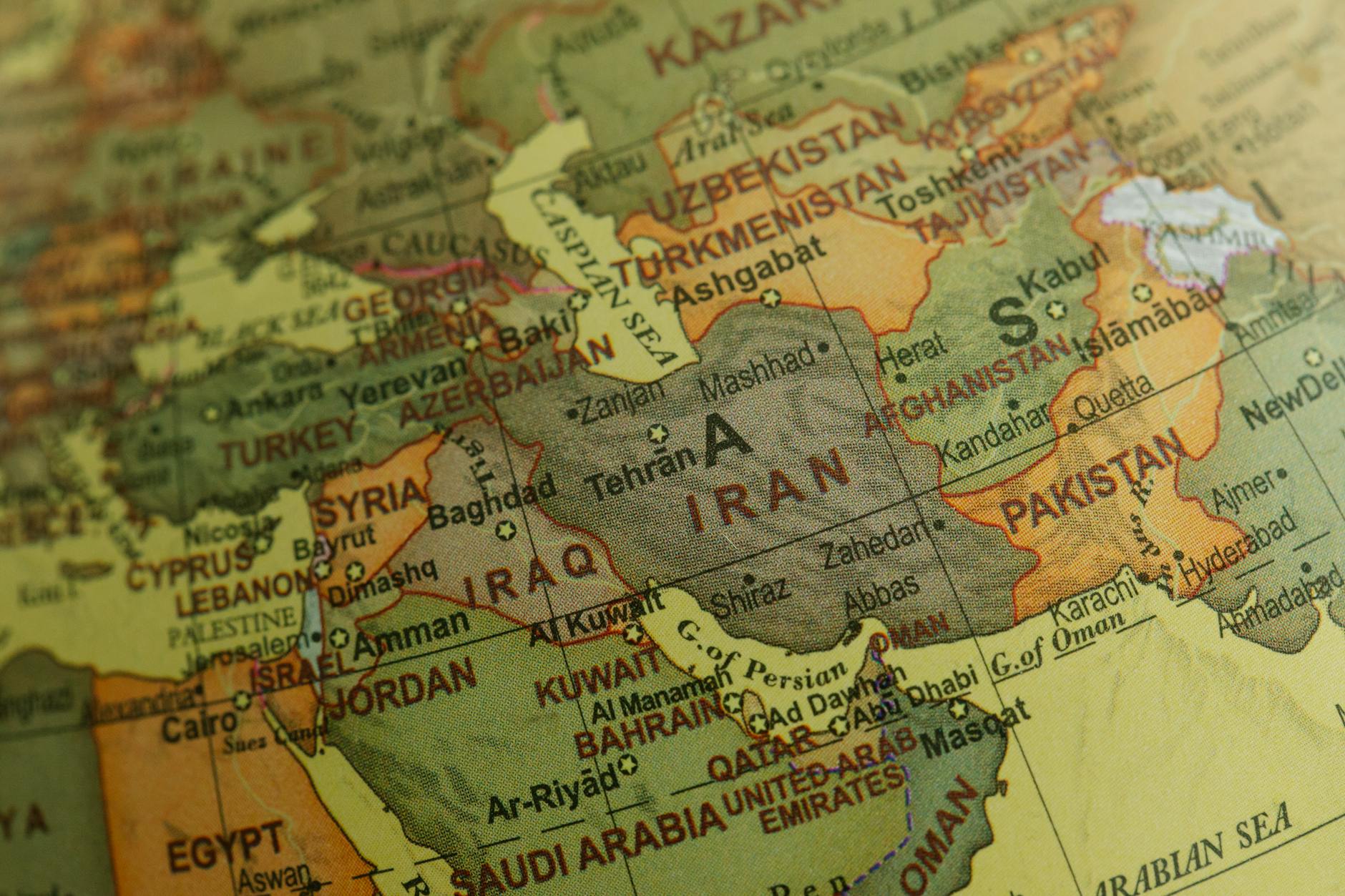
Saudi Prince Questions Trump's Iran Strategy Amid Tensions
A Saudi prince expressed concerns regarding former President Trump's plans for a potential military strike on Iran. The comments come amidst heightened tensions in the region and the potential implications for U.S.-Iran relations. This geopolitical issue could influence oil prices and market volatility, given the strategic importance of Iran in the oil industry. Investors should monitor this situation closely as it may have direct repercussions on commodities and overall market sentiment.
Read More: Saudi Prince Questions Trump's Iran Strategy Amid Tensions
Ceuta Migrant Policy: Spain Rounds Up Moroccans Amid Local Opposition
Spain has initiated efforts to send back migrants from Morocco in the enclave of Ceuta, reflecting growing local opposition to their presence. Soldiers have been deployed to assist in this effort. The move comes amid increased tensions concerning migration within the community. This policy could impact Spain's broader immigration approach and its relationship with Morocco, influencing local economic conditions and market sentiment in affected regions.
Read More: Ceuta Migrant Policy: Spain Rounds Up Moroccans Amid Local Opposition
Iran Threatens Energy Fields Amid US Attack Concerns
Iran has issued threats to target energy fields in other nations if the US initiates new military actions against it. This statement amplifies regional tensions, which could potentially impact global oil supply and prices. The geopolitical landscape remains volatile, especially given Iran's significant role in the energy market. Investors should consider how these tensions may affect oil prices and energy stocks moving forward.
Read More: Iran Threatens Energy Fields Amid US Attack Concerns
U.S. Struggles to Protect Kuwait From Iran - A Complex Situation
The U.S. has historically played a key role in Kuwait's security, having liberated it, but now faces challenges in protecting it from Iranian influence. The complexities of regional tensions have increased concerns for U.S. policy and its implications for Middle Eastern stability. As this situation develops, it may affect global perceptions of U.S. commitment in the region. Investors should monitor these geopolitical events, as they could impact oil prices and market stability.
Read More: U.S. Struggles to Protect Kuwait From Iran - A Complex Situation
Israeli Strikes Kill Two in Gaza, Destroy Medicine Warehouses
Israeli airstrikes have resulted in the deaths of two individuals in Gaza and have destroyed several medicine storage warehouses. These strikes add to the ongoing conflict in the region, which has seen heightened military activity. The implications of these events could affect humanitarian supplies and market perceptions related to stability in the region. Investors monitoring geopolitical risks should note these developments as they may influence market sentiment and responses.
Read More: Israeli Strikes Kill Two in Gaza, Destroy Medicine Warehouses
Spain's PM Sánchez Calls EU Meeting on Migrant Crisis Amid Tensions
Spanish Prime Minister Sánchez has criticized EU leaders regarding the handling of Spain's migrant crisis. He has called for a meeting of the bloc's home affairs ministers to discuss escalating tensions over immigration policy. This comes as Spain faces increasing pressure to manage migrant arrivals, impacting EU unity on immigration issues. Addressing this situation may influence EU policy decisions and cooperation going forward, which is significant for investors monitoring geopolitical stability.
Read More: Spain's PM Sánchez Calls EU Meeting on Migrant Crisis Amid Tensions
Spain Installs Floating Barrier in Ceuta Amid Border Concerns
Spain has installed a floating barrier in Ceuta following a period of calm after a recent influx of migrants. This action comes after a surge that saw around 1,000 migrants arrive in one day. The barrier aims to control and manage migration attempts across the border. This matters for markets and investors as it reflects ongoing challenges related to migration policies in Europe, which can impact regional stability and economic conditions.
Read More: Spain Installs Floating Barrier in Ceuta Amid Border Concerns
Spain Plans Containment Fence After Border Rush Kills 67
Spain has announced the construction of a containment fence on its Ceuta border with Morocco following a border rush that resulted in the deaths of 67 individuals. This development highlights ongoing challenges related to immigration and border control in Europe. The decision to erect a barrier comes amid heightened tensions due to increased attempts to cross into Spain from Africa. For ordinary investors, this situation could affect companies related to border security and European immigration policy, reflecting broader geopolitical stability.
Read More: Spain Plans Containment Fence After Border Rush Kills 67
US Naval Cooperation Pacific Drills Highlight Security Dynamics
The United States and its allies are conducting naval exercises in the Pacific, showcasing their increasing cooperation in maritime security. These drills are part of a broader effort to strengthen defense ties among participating nations. While specific figures related to the size of the exercises were not provided, the events signify an ongoing commitment to maintaining stability in the region. This matters for investors as heightened military cooperation can influence geopolitical risk and market conditions, particularly for industries linked to defense and maritime activities.
Read More: US Naval Cooperation Pacific Drills Highlight Security Dynamics
Iran's Power Structure Complicates Ceasefire Negotiations Amid Conflict
Since the Iran war began on February 28, five months of conflict have highlighted the challenges in achieving a ceasefire. A memorandum of understanding from June 17 initiated a 60-day negotiation period but deteriorated quickly due to Iranian attacks on shipping. U.S. military actions resumed, including 13 consecutive nights of strikes until a pause on July 24, with fighting resuming afterward. Iran has targeted U.S. assets in Kuwait and Bahrain, complicating negotiations as various power centers within the Iranian regime influence decisions, impacting potential economic relief for its population of over 90 million. Ordinary investors should monitor developments in the region for potential impacts on oil prices and trade routes.
Read More: Iran's Power Structure Complicates Ceasefire Negotiations Amid Conflict
Houthis Deny Red Sea Fee Plan Amid Trump Iran Strike Discussions
The Houthis have announced that they will not implement a fee for shipping through the Red Sea, rejecting a plan that would have impacted trade routes. This announcement comes as discussions regarding potential military strikes against Iran are underway, attributed to remarks made by former President Donald Trump. The situation is closely monitored, as disturbances in the Red Sea could influence global shipping and oil markets. For investors in related sectors, this event may have implications for shipping costs and oil prices due to the strategic importance of the area.
Read More: Houthis Deny Red Sea Fee Plan Amid Trump Iran Strike Discussions
Moroccans seek better future in collective crossing to Spain
Moroccan individuals have recently attempted a collective crossing into Spanish territory, seeking improved opportunities. This event highlights ongoing migration issues and reflects the challenges faced by many in search of a better life. Such migration movements could impact regional stability and present new challenges for border management in Spain. Understanding these trends is essential for investors monitoring geopolitical factors that influence markets.
Read More: Moroccans seek better future in collective crossing to Spain
Russia missile strikes kill 3 in Ukrainian capital amid ongoing conflict
Russia launched ballistic missiles and drones on the Ukrainian capital, resulting in the deaths of 3 people and injuring over a dozen others. This escalation in attacks contributes to the ongoing volatility in the region, potentially impacting markets and investor sentiment related to geopolitical risks. Investors should note that such military actions can affect energy prices and supply chains globally. This situation may create uncertainty for investors exposed to Eastern European markets.
Read More: Russia missile strikes kill 3 in Ukrainian capital amid ongoing conflict
Iran’s Missile Threat to U.S. Troops Grows Increasingly Dangerous
Iran's missile capabilities are reportedly becoming more advanced, specifically affecting U.S. troop safety in the region. The increasing sophistication of these missiles poses strategic concerns for U.S. military operations, suggesting potential implications for foreign policy and defense budgets. Heightened tensions could lead to increased defense spending or shifts in military strategy. Given these developments, investors in defense contractors may need to assess the impact on industry dynamics and stock performance.
Read More: Iran’s Missile Threat to U.S. Troops Grows Increasingly Dangerous
Serbia Secures US Sanctions Waiver for NIS Oil Firm
Serbia has obtained a waiver from the United States to allow its Russian-owned oil firm, NIS, to operate without facing sanctions. The country's energy minister confirmed this development, which indicates a significant diplomatic move amid ongoing geopolitical tensions. This waiver allows NIS to continue its operations, potentially stabilizing Serbia's energy supplies. The implications of such a waiver could influence the operational landscape for companies engaging with Russian interests, affecting market sentiment.
Read More: Serbia Secures US Sanctions Waiver for NIS Oil Firm
Spain Sees 49,000 Migrants Enter Ceuta Enclave in One Day
On a single day, Spain reported the entry of 49,000 migrants into the Ceuta enclave, marking a record influx. This figure is nearly five times higher than the peak during the European migration crisis in 2015. The dramatic increase raises concerns about border control and resource allocation. Such significant migration events may impact markets related to migration policy and humanitarian aid funding.
Read More: Spain Sees 49,000 Migrants Enter Ceuta Enclave in One Day
Iran Attacks U.S. Assets in Kuwait and Bahrain Amid Ongoing Conflict
Iran's army announced attacks on U.S. assets in Kuwait and Bahrain, targeting military facilities like aircraft shelters and communication systems. This follows a series of U.S. strikes against Iran’s Islamic Revolutionary Guard Corps (IRGC). Oil prices were affected, with Brent crude futures trading down nearly 2% at $87.30 per barrel and U.S. West Texas Intermediate futures down 2.3% at $81.71. The evolving conflict has implications for energy security and market stability, particularly in the Strait of Hormuz, vital for global oil flows.
Read More: Iran Attacks U.S. Assets in Kuwait and Bahrain Amid Ongoing Conflict
Trump’s Board of Peace: Overview and Implications for Investors
US President Donald Trump announced the creation of the 'Board of Peace' aimed at reducing political divisiveness in the country. The initiative focuses on collaboration across various sectors and community engagement to foster unity. This effort is part of a broader strategy to improve the political climate ahead of the 2024 elections. Investors should monitor how such initiatives could influence market stability and public sentiment as the election approaches.
Read More: Trump’s Board of Peace: Overview and Implications for Investors
South Korea reviews near-shootdown of US military drone incident
South Korea is evaluating an incident involving a US military drone that was nearly shot down near its border. The review follows increasing tensions in the region. This event underscores the delicate security environment on the Korean Peninsula, which can impact military collaborations and geopolitical relations. Investors should be mindful of market reactions to such international security incidents, as they can influence defense and technology sectors.
Read More: South Korea reviews near-shootdown of US military drone incident
Trump announces Gaza disarmament deal by Board of Peace
Donald Trump announced that a Gaza disarmament deal has been reached by the Board of Peace. This deal aims to bring stability to the region, which could impact international relations and market sentiment surrounding associated industries. While no specific financial figures or metrics were provided, the declaration of a peace deal could influence geopolitical risks and investment strategies. Investors should monitor developments on this front, as peace negotiations often affect market behavior.
Read More: Trump announces Gaza disarmament deal by Board of Peace
Trump's Peace Plan Impacts Hamas Disarmament and Israel's Support
Former President Donald Trump announced a peace plan aimed at leading to the disarmament of Hamas. However, the support of Israel for this plan remains uncertain. Trump’s initiative is significant as geopolitical stability can influence market performance. Investors should monitor developments surrounding this peace proposal due to its potential implications for the region's security and market sentiment.
Read More: Trump's Peace Plan Impacts Hamas Disarmament and Israel's Support
Migrants Surge in Ceuta, Spain Amid Military Deployment
On July 27, 2023, a significant number of migrants crossed into Spain's Ceuta from Morocco. The Spanish military has been deployed to assist local authorities in managing the situation. This influx follows ongoing geopolitical tensions in the area. The movement of migrants can influence border control policies and impact the economy, particularly in regions reliant on tourism and workforce stability.
Read More: Migrants Surge in Ceuta, Spain Amid Military Deployment
US Launches Strikes on Iranian Targets After Foiling Missile Attack
The United States conducted strikes on Iranian targets following the foiling of a missile attack on American forces. This military action marks a response to heightened tensions in the region and the protection of U.S. personnel. Such developments can influence market stability and investor sentiment regarding geopolitical risk. Investors will be attentive to how these actions may affect oil prices and overall market dynamics.
Read More: US Launches Strikes on Iranian Targets After Foiling Missile Attack
US Military Strikes Iran as Tensions Rise in 2023 Conflict
The United States has initiated a new series of military strikes against Iran amidst escalating conflict in the region. This comes as geopolitical tensions increase, potentially impacting global oil markets and investor sentiment. The specific economic consequences of these military actions have not been detailed, but historical patterns suggest heightened volatility. Investors should remain attentive to developments, as geopolitical instability can affect commodity prices and market performance.
Read More: US Military Strikes Iran as Tensions Rise in 2023 Conflict
Iran Fires Missiles at U.S. Forces in Middle East, Ceasefire Lull Ends
On July 27, Iran conducted missile strikes targeting U.S. forces in the Middle East, marking a significant escalation after a period of ceasefire. This action disrupts ongoing efforts for stability in the region, raising tensions among involved countries. The missile strikes could impact market stability, particularly in oil prices, as geopolitical risks often lead to fluctuations in energy markets. Investors should monitor how this event affects regional security and, consequently, commodity prices.
Read More: Iran Fires Missiles at U.S. Forces in Middle East, Ceasefire Lull Ends
US, Saudis Target Iran-backed Groups in Iraq, Risking Market Turbulence
The US and Saudi Arabia have launched an attack against Iran-backed groups in Iraq. This military action could escalate tensions in the region, potentially impacting oil supply and prices. Investors may react to heightened geopolitical risks, which traditionally influence market stability in oil-dependent economies. Ordinary investors should monitor this situation closely, as increased conflict could lead to volatility in oil markets and affect broader investment portfolios.
Read More: US, Saudis Target Iran-backed Groups in Iraq, Risking Market Turbulence
US Intercepts Iranian Missile Attack Amid Airstrike Pause
The US has reported intercepting an Iranian missile attack, which marks the end of a days-long pause in direct air strikes. The incident highlights ongoing tensions in the region and potential implications for military engagements. The specific details of the missile attack, including its timing and targets, have not been disclosed. This situation is crucial for investors to monitor as it could affect geopolitical stability and market sentiment, particularly in sectors sensitive to military actions.
Read More: US Intercepts Iranian Missile Attack Amid Airstrike Pause
Ukraine Needs Anti-Ballistic Systems, Missiles: Zelenskiy
Ukrainian President Volodymyr Zelenskiy stated that he communicated to President Trump and U.S. senators the urgent need for anti-ballistic systems and missiles. This request aims to enhance Ukraine's defense capabilities amid ongoing conflicts. The article highlights Ukraine's defense strategy as they seek support from international allies. The emphasis on military assistance underscores the geopolitical tensions that could influence market stability and investor sentiment.
Read More: Ukraine Needs Anti-Ballistic Systems, Missiles: Zelenskiy
Trump, Zelenskiy Discuss Patriot Deal and Russia Talks
On a recent call, former President Donald Trump and Ukrainian President Volodymyr Zelenskiy discussed the potential deal centered around Germany's Patriot missile defense system. This conversation comes amid ongoing tensions with Russia and aims to strengthen Ukraine's defense capabilities. While no specific figures or agreement details were disclosed, the dialogue highlights the continued diplomatic efforts surrounding security in Eastern Europe. Investors may want to note how such defense discussions could impact defense stocks and geopolitical stability.
Read More: Trump, Zelenskiy Discuss Patriot Deal and Russia Talks
Palantir Shares Struggling Amid Software Rally Concerns
Palantir's stock is experiencing challenges despite a broader software rally, driven by geopolitical and valuation concerns. The article highlights that while other software stocks are benefiting from a rotation out of semiconductors, Palantir's shares are being weighed down by these issues. There are no specific figures or metrics mentioned regarding stock performance or market reactions. This situation signals that investors should closely monitor Palantir (PLTR) as it navigates these headwinds in contrast to its peers in the software sector.
Read More: Palantir Shares Struggling Amid Software Rally ConcernsZelenskyy Reports Positive Meeting on Ukraine US Support
Ukrainian President Volodymyr Zelenskyy reported a positive meeting at the Oval Office with US officials regarding support against Russia. Kyiv is looking for renewed backing from the US following this meeting. The discussions suggest a potential shift in US policy towards providing further assistance to Ukraine amidst ongoing conflict with Russia. This engagement may influence market sentiment regarding geopolitical stability and defense spending, impacting investors interested in companies linked to defense and security sectors.
Read More: Zelenskyy Reports Positive Meeting on Ukraine US Support
Trump Confirms US-Iran Talks Amid Drone Activity Near Iran
Former President Donald Trump stated that the U.S. and Iran are engaged in 'good talks'. These statements come as drone attacks reportedly impact Iran's neighbors. The situation raises questions about regional security dynamics and potential implications for U.S. foreign policy. The ongoing negotiations could affect investor sentiment towards related markets and assets. For investors, monitoring this geopolitical situation may provide insights into market volatility and investment opportunities.
Read More: Trump Confirms US-Iran Talks Amid Drone Activity Near IranIran War Mediators Progress Amid Drone Attacks
Mediators are reportedly making progress in efforts to halt the conflict in Iran, coinciding with recent drone attacks in the region. This development could influence geopolitical stability and energy markets, given Iran's significant role in oil production. Any resolution may dampen tensions, potentially affecting oil prices. This situation remains critical for global investors as it could impact market dynamics in the Middle East.
Read More: Iran War Mediators Progress Amid Drone Attacks
Iran Denies 10-Day Ceasefire Amid US Military Actions
Iran has denied reports of a 10-day ceasefire despite a temporary halt in hostilities with the U.S., which ceased strikes on July 22, 2026. Negotiations are currently ongoing with Oman regarding the Strait of Hormuz, vital for global oil supply, while direct talks with the U.S. are not taking place. Meanwhile, oil prices dropped by over 7% following the ceasefire announcement, reflecting investor optimism despite underlying tensions. This pause is significant as it highlights the potential for improved conditions that can affect oil markets and global supply chains.
Read More: Iran Denies 10-Day Ceasefire Amid US Military Actions
Oil Prices Drop as Brent Falls Below $100 After Tensions
Brent crude oil prices have opened lower following two weeks of escalating violence, which had pushed prices to over $100 a barrel. The reduction in military strikes by Iran and the US over the Strait of Hormuz has contributed to this decline. As oil prices are typically sensitive to geopolitical tensions in this region, the current pause may signal a temporary relief for markets. Investors often monitor oil prices closely as they impact global economies and inflation trends.
Read More: Oil Prices Drop as Brent Falls Below $100 After Tensions
Iran to Halt Strikes if US Bombing Pause Continues
Iran announced it will cease strikes as long as the United States maintains its bombing pause. This statement comes amid heightened tensions in the region, with a focus on diplomatic efforts to address ongoing conflicts. Stability in the Middle East can affect global oil prices and, consequently, the stock markets. For investors, this news could signal potential fluctuations in oil-related stocks and broader market indices, depending on how these geopolitical events unfold.
Read More: Iran to Halt Strikes if US Bombing Pause Continues
Honduras ex-President Hernandez pardoned by Trump returns home
Juan Orlando Hernandez, the former President of Honduras, has returned to the country after receiving a pardon from former President Donald Trump. Hernandez's political career was marred by allegations of corruption and drug trafficking, leading to his arrest in the US in 2021. The impact of his return on Honduras's political landscape and potential investor confidence remains uncertain as the situation unfolds. This is significant for investors monitoring Central American stability and governance issues.
Read More: Honduras ex-President Hernandez pardoned by Trump returns home
Lula Criticizes US Tariffs in Recent Washington Post Op-Ed
In a recent op-ed in the Washington Post, Brazilian President Luiz Inácio Lula da Silva described new US tariffs as a mistake. Lula's comments are aimed at fostering a discussion about international trade and tariffs between the US and Brazil. The tariffs could impact various sectors, influencing market dynamics and trade relationships. This is notable for investors focused on US-Brazil trade relations and industries affected by tariff changes.
Read More: Lula Criticizes US Tariffs in Recent Washington Post Op-Ed