Shipping News & Analysis
50 articles
Market Mood

FRO VLCC Rates Surge Amid Middle East Shipping Risks
Very Large Crude Carrier (VLCC) rates have surged to record highs due to increased shipping risks in the Middle East. Reports indicate that tensions, particularly involving Iran and the USA, have heightened concerns for shipping security. These developments could lead to further increases in tanker rates as market participants react to the uncertainty. For investors, this means potential volatility in oil transportation stocks, particularly those associated with Frontline Ltd (FRO).
Read More: FRO VLCC Rates Surge Amid Middle East Shipping Risks
Houthis Capture Red Sea Island Threatens Shipping Routes
Yemen's Houthis have captured a Red Sea island, raising concerns about shipping security in the region. This development could impact maritime trade routes significantly. The implications of this capture for shipping logistics are critical, especially for countries relying on these paths for oil and goods. Investors in shipping and logistics companies may want to monitor the situation closely as it unfolds.
Read More: Houthis Capture Red Sea Island Threatens Shipping Routes
Houthis seize Red Sea port in Yemen amid regional tensions
The Houthis have seized a strategic port in Yemen located on the Red Sea. This development could impact shipping routes and trade in the region, raising concerns for markets. The ongoing conflict in Yemen has implications for oil prices and security in the Middle East. Investors should monitor this situation closely as it may influence trading dynamics and price volatility in related markets.
Read More: Houthis seize Red Sea port in Yemen amid regional tensions
20 Dead, 5 Missing After Cargo Ship Fire in China's Port
A cargo ship caught fire in a port in China, resulting in at least 20 fatalities and 5 individuals reported missing according to state media. The incident highlights ongoing safety concerns in maritime operations. The response and recovery efforts may have implications for shipping activities in the region, particularly affecting trade routes. This situation is significant for investors monitoring the maritime sector and potential disruptions it may cause.
Read More: 20 Dead, 5 Missing After Cargo Ship Fire in China's Port
Frontline (FRO) Reports $659 Million Net Income in Q2 2026
On August 28, Frontline (FRO) announced a record net income of $659 million and adjusted profits of $580 million for Q2 2026, an increase of $235 million from the previous quarter. Tanker rates rose significantly, with VLCC rates reaching $153,000 per day. The company has already booked 86% of VLCC days at an increased rate of $157,000 per day for Q3. Despite strong earnings, concerns about sustainability arise due to supply chain disruptions and decreased oil demand, which could impact future performance for investors.
Read More: Frontline (FRO) Reports $659 Million Net Income in Q2 2026
ZIM (ZIM) Integrated Shipping Stock Declines on Market Concerns
ZIM Integrated Shipping (ZIM) shares are experiencing a decline today, reflecting broader market concerns. The drop highlights investor uncertainty regarding the shipping sector's performance amidst fluctuating supply chains and demand dynamics. This decline may lead to increased scrutiny from investors looking for stability in shipping stocks. The overall market sentiment could be influenced as investors react to these developments, impacting related sectors as well.
Read More: ZIM (ZIM) Integrated Shipping Stock Declines on Market Concerns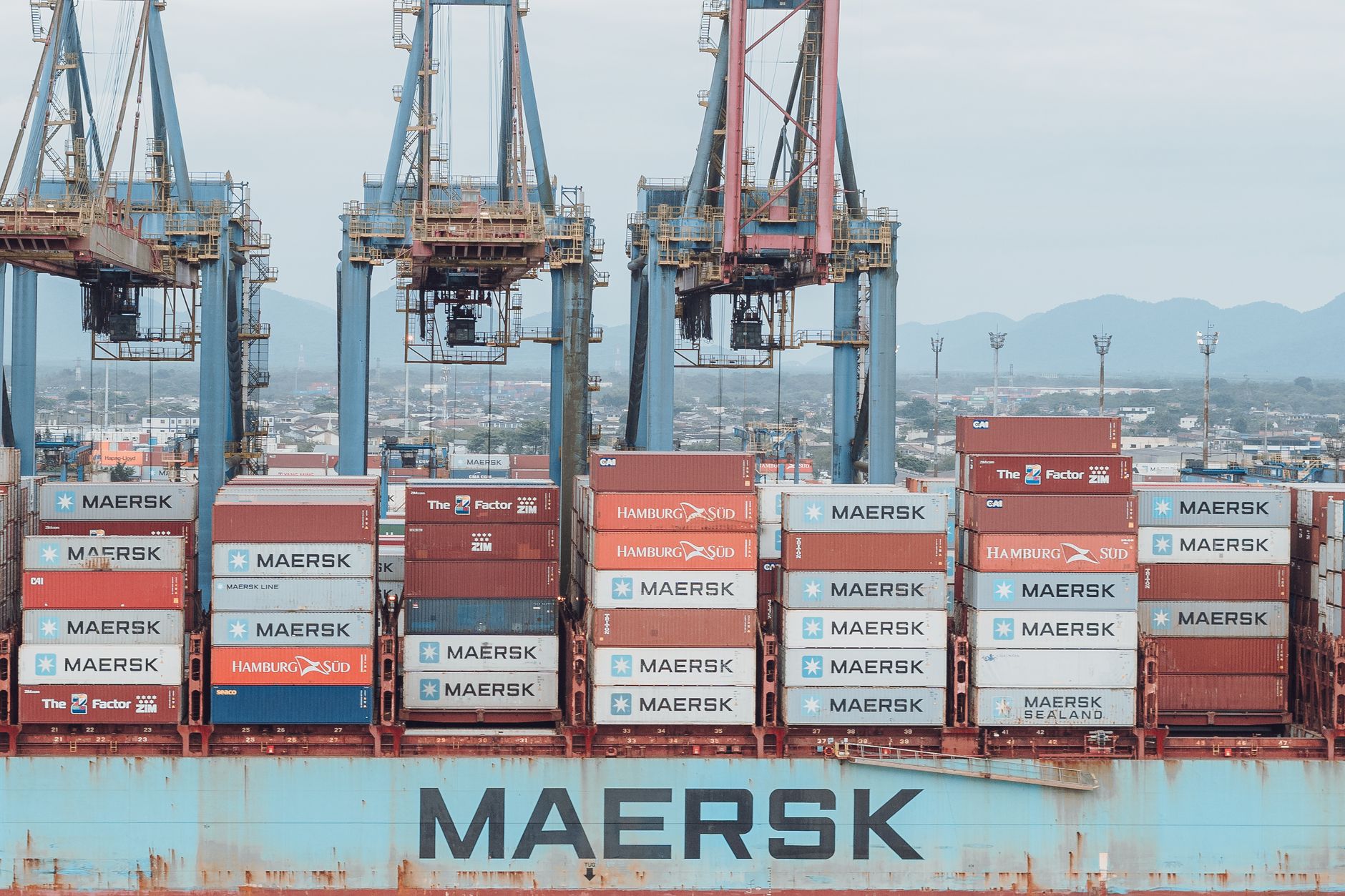
Maersk (MAG) Shares Surge 7% After Strong Q2 Earnings Guidance
Maersk (MAG) increased its 2026 earnings guidance for the second time this year, attributing strong results to resilience in global trade despite disruptions. Shares rose 7% following an announcement that preliminary underlying EBITDA reached $3 billion for April to June, surpassing the $2.04 billion expected by analysts. CEO Vincent Clerc highlighted supply bottlenecks on land and increased freight rates stemming from ongoing geopolitical issues. This updated guidance and performance indicate strong demand in shipping markets, which could influence investor confidence and market trends.
Read More: Maersk (MAG) Shares Surge 7% After Strong Q2 Earnings Guidance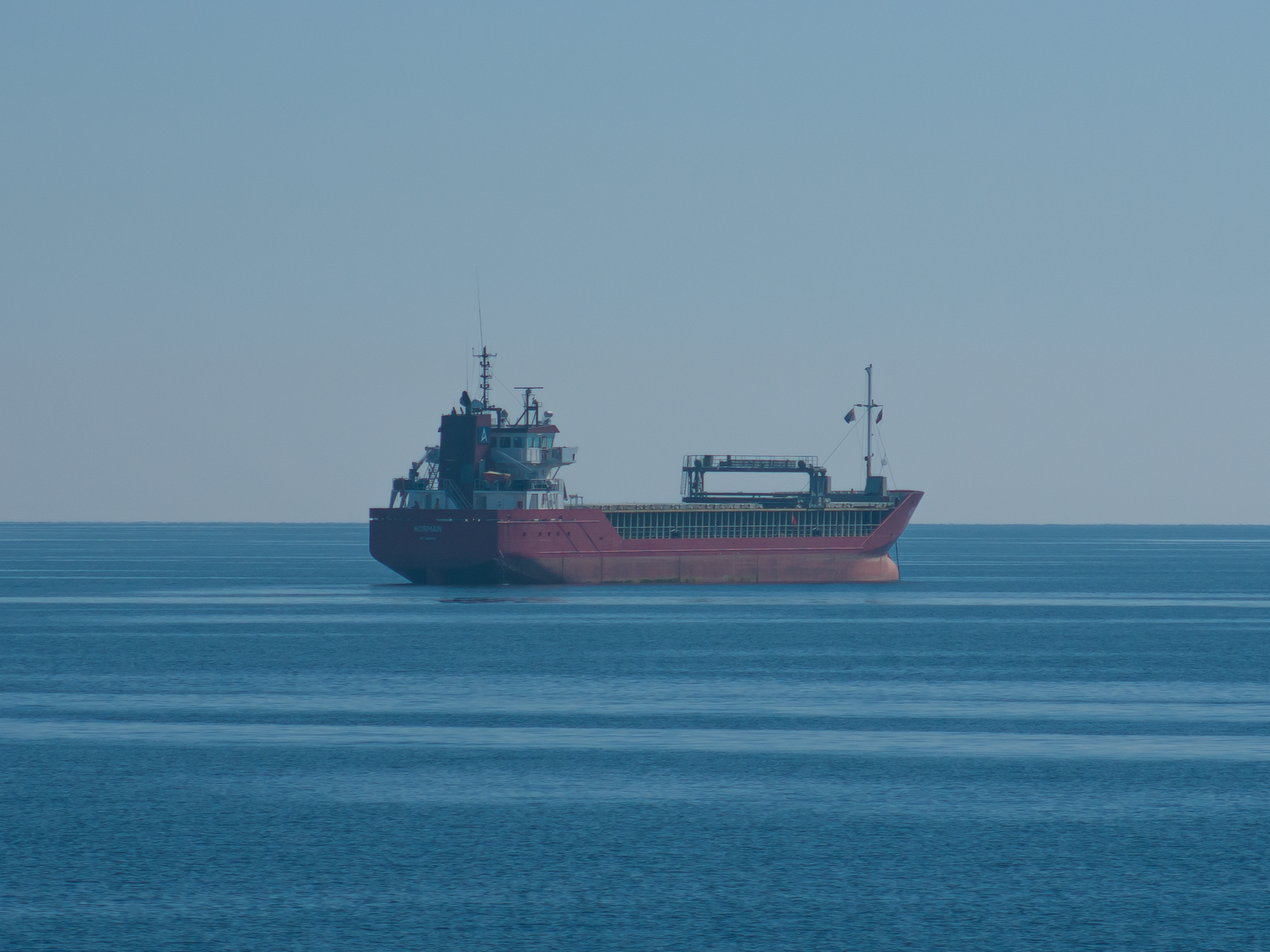
Houthi Attack Kills 6 in Red Sea; U.S. Strikes Cargo Ship
On August 10, 2026, Houthi rebels killed six people aboard the Egyptian-owned cargo ship Tihamah in the Bab el-Mandeb Strait, marking the first fatalities from attacks on Red Sea shipping in over a year. U.S. forces responded by launching missiles at the Panama-flagged Vela Nova after it reportedly attempted to breach a naval blockade of Iranian ports. Yemen's transport ministry stated that the casualties included four crew members, three of whom were Pakistani nationals. This incident underscores increasing tensions in critical shipping lanes that may impact global trade and security for investors.
Read More: Houthi Attack Kills 6 in Red Sea; U.S. Strikes Cargo Ship
Trump Extends Jones Act Waiver for 90 Days, Narrows Scope
President Trump has extended the waiver of the Jones Act for an additional 90 days. This act, which affects maritime shipping regulations, has been narrowed in scope during this extension. The changes could impact shipping costs and logistics in specific sectors. This matters for investors as adjustments in shipping regulations can influence supply chain dynamics and associated stock performances.
Read More: Trump Extends Jones Act Waiver for 90 Days, Narrows Scope
Iran's New Strait Demands Impact Shipping in UAE Region
Iran has issued new demands regarding the Strait of Hormuz, a crucial shipping route in the region. The United Arab Emirates (UAE) reported that a vessel was targeted, emphasizing the ongoing tensions affecting maritime security. These developments arise amid broader geopolitical tensions, which could impact the shipping industry and oil prices. Investors should monitor these situations as they have the potential to disrupt trade routes and affect market dynamics.
Read More: Iran's New Strait Demands Impact Shipping in UAE Region
Chinese Ports Near Shanghai Halt Operations Ahead of Typhoon Dolphin
Key ports near Shanghai have ceased operations in anticipation of Typhoon Dolphin. This decision affects major shipping routes and may lead to supply chain disruptions in the region. The halt is particularly significant given the strategic importance of these ports for trade. Such disruptions can impact market dynamics and shipping costs, influencing investors' outlook on affected sectors. Investors should monitor developments closely as continued operational halts could point to broader implications for trade activities.
Read More: Chinese Ports Near Shanghai Halt Operations Ahead of Typhoon Dolphin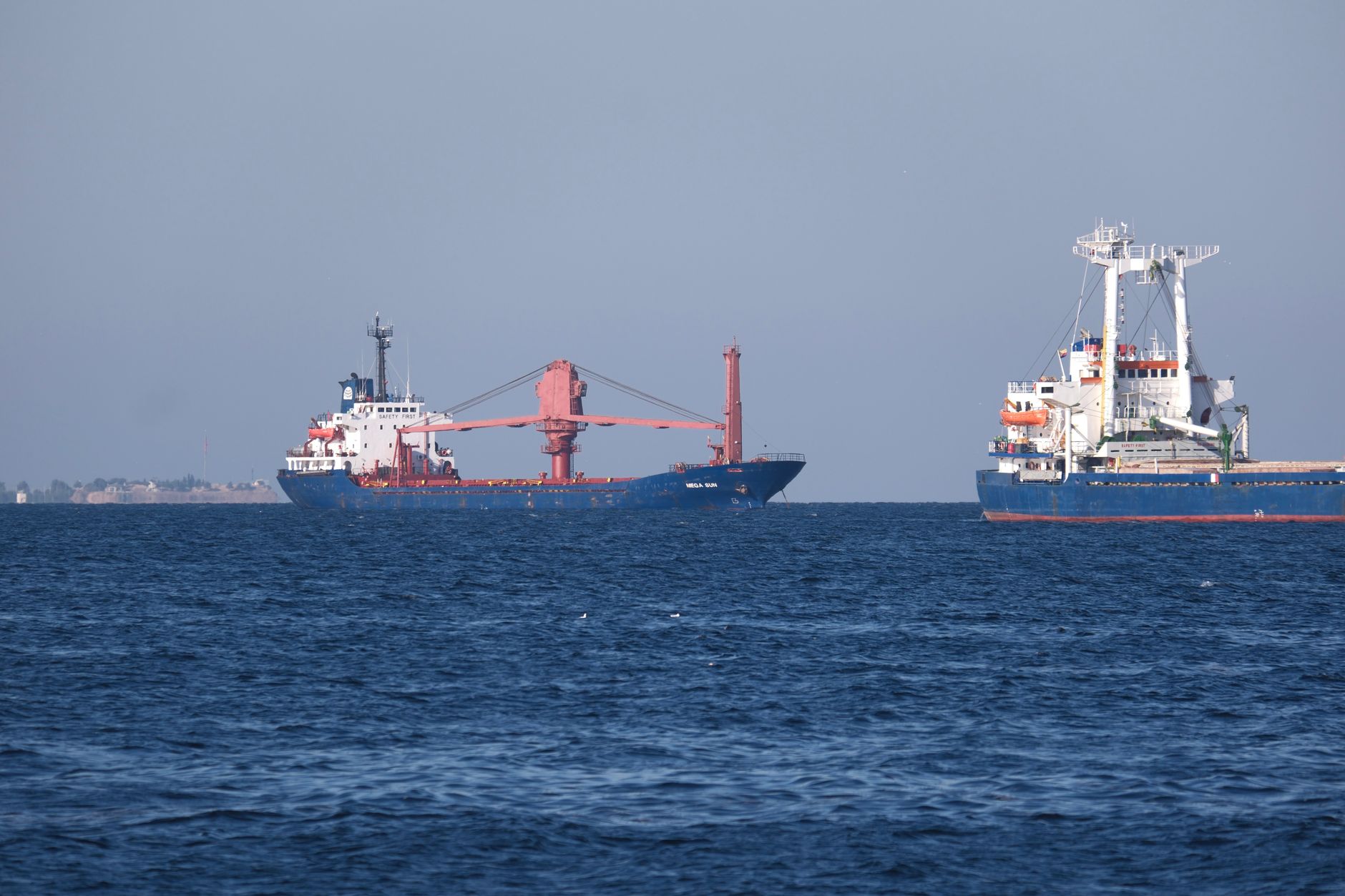
Gulf shipping traffic remains steady amid peace talks uncertainty
Gulf shipping traffic has remained steady, indicating stable operations despite ongoing uncertainty regarding peace talks in the region. This stability in shipping may impact supply chains and trading volumes, as shipping activity is crucial for trade. The market's response will hinge on any developments in the peace talks that could affect shipping routes and safety. For ordinary investors, monitoring shipping activities in the Gulf region could provide insights into potential market fluctuations.
Read More: Gulf shipping traffic remains steady amid peace talks uncertainty
Iran Threatens Shipping Routes Amid Tanker Attack Reports
A tanker near Oman reported being struck by an unknown projectile, causing damage to its engine room, with no casualties or environmental impact reported. This follows threats from Iran against U.S. military actions that could result in the closure of key shipping routes like the Strait of Hormuz, through which about 20% of the world's oil supplies pass. A temporary ceasefire established on June 17 has effectively broken down, coinciding with increased military actions from both the U.S. and Iran. This escalation is crucial for ordinary investors as disruptions in oil shipping could affect global oil prices and market stability.
Read More: Iran Threatens Shipping Routes Amid Tanker Attack Reports
Houthis Deny Red Sea Fee Plan Amid Trump Iran Strike Discussions
The Houthis have announced that they will not implement a fee for shipping through the Red Sea, rejecting a plan that would have impacted trade routes. This announcement comes as discussions regarding potential military strikes against Iran are underway, attributed to remarks made by former President Donald Trump. The situation is closely monitored, as disturbances in the Red Sea could influence global shipping and oil markets. For investors in related sectors, this event may have implications for shipping costs and oil prices due to the strategic importance of the area.
Read More: Houthis Deny Red Sea Fee Plan Amid Trump Iran Strike Discussions
Nutrien Port Decision Impacts B.C. Operations and Market Dynamics
Nutrien, a major player in agriculture, is considering shifting shipments from British Columbia ports to U.S. ports, a decision that could significantly impact local operations. The discussion around this potential move is important as it highlights broader supply chain implications in the sector. Although no specific financial numbers or dates are provided, the position of Nutrien could affect regional export volumes and cost structures in the import-export sector. Investors should monitor this situation as it may influence Nutrien's (NTR) operational efficiency and profitability.
Read More: Nutrien Port Decision Impacts B.C. Operations and Market Dynamics
Diana Shipping (DSX) Stock Gains on New Vessel Charter Deal
Diana Shipping (DSX) has secured a new charter agreement, which has led to a gain in its stock price. This agreement is significant as it enhances the company's revenue potential and stability. Such charter deals can indicate the demand for shipping services and impact investors' perceptions of the company's future growth. Therefore, the market is responding positively to this development, which could be beneficial for investors in Diana Shipping.
Read More: Diana Shipping (DSX) Stock Gains on New Vessel Charter Deal
Trump's 20% Shipping Fee Raises Oil Supply Risks Amid Tensions
President Donald Trump plans to impose a 20% fee on cargo passing through the Strait of Hormuz, raising concerns about global oil supply. Analysts note this levy could effectively add $16 per barrel to oil shipped through the strait. U.S. West Texas Intermediate futures for August delivery rose 2.27% to $79.91 per barrel, while Brent crude futures for September delivery climbed 2.14% to $85.11. The potential for renewed conflicts and disruptions could further impact oil prices and supply levels, which matters for investors watching the energy market.
Read More: Trump's 20% Shipping Fee Raises Oil Supply Risks Amid Tensions
US Ships Charged 20% Fee for Strait of Hormuz Security
President Trump announced that the US will impose a 20% fee on ships using the Strait of Hormuz. This fee is intended to fund security measures provided by Washington for vessels in the region, reinforcing its role as the 'guardian' of the waterway. The move is significant as it could impact shipping costs and security dynamics in a strategically crucial area for global oil transport. This decision may influence investor sentiments about market stability and shipping industries that operate in this vital corridor.
Read More: US Ships Charged 20% Fee for Strait of Hormuz Security
Stellantis Q2 Vehicle Shipments Rise 10% Driven by North America
Stellantis reported a 10% increase in vehicle shipments during the second quarter of the year, primarily fueled by growth in North America. This rise in shipments can be an indicator of demand recovery in the automotive market. The company's strong performance in this region reflects broader trends in consumer behavior post-pandemic. This matters for investors as it suggests potential growth opportunities for Stellantis (STLA) moving forward, potentially impacting stock performance.
Read More: Stellantis Q2 Vehicle Shipments Rise 10% Driven by North America
Hormuz Route Open for Shipping Despite Iran Declaration
A maritime industry group said the Strait of Hormuz remains open for shipping despite Iran's declaration to the contrary — a position echoed by U.S. CENTCOM, while Iranian authorities insist passage is not possible and transit traffic has fallen sharply. Approximately 20% of the world's oil passes through the strait, so its operational status directly influences crude oil prices. For ordinary investors, the dispute over the strait's real status matters because any confirmed disruption could ripple through oil prices, energy stocks, and related investments.
Read More: Hormuz Route Open for Shipping Despite Iran Declaration
Iran Declares Strait of Hormuz Closed after Vessel Incident
Iran has announced that the Strait of Hormuz is closed due to an incident involving an 'unauthorised' vessel. This strategic channel is crucial for global oil transport, through which approximately 20% of the world's oil passes. The closure may lead to increased oil prices and market volatility as it disrupts supply chains. Investors in energy sectors should monitor developments closely, particularly companies with significant freight operations. This situation highlights risks in global oil supply that can impact ordinary investors’ portfolios.
Read More: Iran Declares Strait of Hormuz Closed after Vessel Incident
USPS Postage Prices Rise Again; Eighth Increase in Five Years
The United States Postal Service (USPS) will implement a new postage rate increase effective July 12. This marks the eighth price increase in the last five calendar years. The details regarding the exact new rates have not been provided. Such increases may impact consumers and businesses that rely on USPS for shipping, affecting operating costs and pricing strategies.
Read More: USPS Postage Prices Rise Again; Eighth Increase in Five Years
OPEC+ Increases Crude Production Despite Price Declines
On Sunday, OPEC+ decided to modestly raise crude production levels again. This increase, while a notable decision, remains largely symbolic without a resolution to the U.S.-Iran peace talks and the reopening of the Strait of Hormuz. As crude prices continue to decline, market analysts will be looking at how this decision impacts supply and potentially stabilizes prices in the long term. The ongoing geopolitical situation remains critical for the stability of oil markets.
Read More: OPEC+ Increases Crude Production Despite Price Declines
Container Rates Surpass $7,900 Amid Asia-US Trade Changes
Asia-US ocean container rates have increased to over $7,900, marking a significant rise in shipping costs. This price surge reflects ongoing adjustments in global trade routes and supply chains following geopolitical events. The escalation in transportation costs may impact various sectors reliant on imports, potentially leading to higher consumer prices. As freight rates continue to climb, market participants will need to monitor these trends to assess broader economic implications.
Read More: Container Rates Surpass $7,900 Amid Asia-US Trade Changes
NYK Shipping Traffic Cut to Half Prewar Levels Amid Restrictions
Takaya Soga, CEO of NYK, has stated that safe shipping routes through the Strait of Hormuz are now 'extremely limited', leading to traffic levels dropping to 50% of prewar figures. This significant reduction in shipping traffic could impact global shipping rates and supply chains. The restrictions are expected to last for months, affecting both cargo availability and maritime shipping logistics. Investors and stakeholders should consider potential implications on markets reliant on this critical shipping lane.
Read More: NYK Shipping Traffic Cut to Half Prewar Levels Amid Restrictions
US Military Strikes Against Iran on Second Day of Operations
The US has conducted military strikes against Iran for the second consecutive day in response to Iranian attacks on shipping. This escalation has raised concerns regarding potential disruptions to oil markets and global shipping routes, particularly in the Strait of Hormuz where a significant percentage of the world's oil is transported. The near-term impact may influence oil prices due to heightened tensions. Monitoring these developments is crucial for market participants, particularly those with exposure to energy sectors.
Read More: US Military Strikes Against Iran on Second Day of Operations
US Iran Conflict Escalation: Significant Shipping Disruptions Likely
The US has launched strikes on Iran in response to attacks on a container ship. Washington claims that Iran's actions constitute unwarranted aggression against commercial shipping, which contravenes a ceasefire. The escalation may lead to increased tensions in the oil markets, as Iran has considerable influence over shipping routes. Investors should monitor potential disruptions in commercial shipping and changes in oil prices due to this geopolitical event.
Read More: US Iran Conflict Escalation: Significant Shipping Disruptions Likely
Oil Prices Face Volatility After Strait of Hormuz Shipping Warnings
Oil markets are entering another week of losses amidst warnings from Iran regarding shipping routes in the Strait of Hormuz. The Iranian government stated that vessels not following approved routes would face consequences. Additionally, a U.N. organization has paused its ship-evacuation efforts in the area, which could impact supply dynamics. These developments may lead to increased price volatility in the oil market, highlighting the geopolitical risks associated with this vital shipping lane.
Read More: Oil Prices Face Volatility After Strait of Hormuz Shipping Warnings
IMO Pauses Evacuations After Ship Attack in Gulf of Oman
The International Maritime Organization (IMO) has paused its evacuation efforts for ships and seafarers in the Middle East Gulf following an attack on a container ship on Thursday. A U.S. official attributed the attack to Iran. The IMO's initiative, launched earlier in the week, aimed to assist hundreds of stranded vessels, but the pause is necessary to ensure safety guarantees for evacuees. Despite recent diplomatic efforts, traffic through the Strait of Hormuz remains below pre-war levels, with only 125 vessels passing in the past week, the highest since the conflict began in late February.
Read More: IMO Pauses Evacuations After Ship Attack in Gulf of Oman
UN pauses Hormuz evacuation plan amid ship attack reports
The United Nations has halted its evacuation plan for personnel in the Hormuz region following reports of an attack on a ship. Specific details regarding the attack, including the identity of the involved ship and its operator, were not disclosed. This decision impacts ongoing operations and may heighten tensions in the region, influencing global oil supply chains. The uncertainty surrounding maritime safety in critical shipping lanes could lead to fluctuations in oil prices and market reactions.
Read More: UN pauses Hormuz evacuation plan amid ship attack reports
Strait of Hormuz Incident Halts Evacuation Plans for Ships
The International Maritime Organization (IMO) has ceased evacuation plans for stranded vessels in the Strait of Hormuz following an incident where a container ship was struck by an 'unknown projectile'. This halt in operations raises concerns over maritime security in a critical shipping route, which could impact oil and trade markets. The specifics surrounding the projectile and the ship affected remain unspecified, but any disruption in this area could lead to increased shipping costs or delays. Stakeholders are advised to monitor ongoing developments.
Read More: Strait of Hormuz Incident Halts Evacuation Plans for Ships
Global Trade Chokepoints Impacting Markets and Supply Chains
Recent analysis highlights key global chokepoints crucial to international trade. These chokepoints can significantly affect supply chains and market dynamics across various sectors. The presence and efficiency of these routes can impact shipping costs and delivery times, influencing market prices. Understanding these chokepoints is essential for businesses and investors as disruptions could result in notable supply shortages or increased costs.
Read More: Global Trade Chokepoints Impacting Markets and Supply Chains
Hormuz Strait Impact on Tanker Operators: Hundreds of Ships Waiting
Hundreds of ships are currently waiting outside the Gulf for the full opening of the Hormuz Strait. Many tanker operators are hesitant to move their vessels until a ceasefire deal between Iran and the US is strengthened. This situation could impact shipping logistics and oil prices, considering the strategic importance of the Strait for global oil transportation. The ongoing uncertainty may create volatility in the markets related to energy supplies and shipping companies.
Read More: Hormuz Strait Impact on Tanker Operators: Hundreds of Ships Waiting
Shipping Slows as Iran Shuts Strait of Hormuz Again
Iran has announced the closure of the Strait of Hormuz, a critical shipping route for global oil transportation. This strait sees about 20% of the world's oil supply flow through it, and disruptions can lead to increased volatility in oil prices. The announcement raises concerns over supply chain stability and potential price hikes in the energy sector. The shutdown could adversely affect oil companies and trading activities in these markets.
Read More: Shipping Slows as Iran Shuts Strait of Hormuz Again
Trump Strait of Hormuz Toll Impact on Oil Markets
Former President Donald Trump stated that there would be no toll on the Strait of Hormuz unless the U.S. implements one. This statement has ramifications for global oil shipping routes and could affect crude oil prices. The Strait is a crucial passage for a significant percentage of the world's oil supply. Changes in shipping costs or regulations in this area could lead to increased volatility in oil prices.
Read More: Trump Strait of Hormuz Toll Impact on Oil Markets
Nordic American Tankers (NAT) Trading at $5.57 with P/E Ratios
Nordic American Tankers Limited (NAT) shares traded at $5.57 as of June 17, with trailing and forward P/E ratios reported at 21.54 and 13.97, respectively. The company focuses on Suezmax vessels in the crude tanker market, benefiting from increased tanker demand driven by longer shipping routes and geopolitical influences. Supply growth remains constrained due to limited new ship deliveries and environmental regulations, which supports higher freight rates. Analysts suggest that if current trends continue, NAT may see improved market momentum, potentially increasing its earnings sensitivity to tighter freight cycles.
Read More: Nordic American Tankers (NAT) Trading at $5.57 with P/E Ratios
Iran Implements Insurance Fees for Strait of Hormuz Passage
The Iranian government has mandated that vessels passing through the Strait of Hormuz must obtain an insurance policy approved by Tehran. This policy is seen as a measure to secure revenue through 'insurance fees' and to regulate maritime activity in the strategically important waterway. The Strait of Hormuz is crucial for global oil supply, making this development significant for international trade and oil markets. Further details on the specific fee amounts or the enforcement timeline were not provided.
Read More: Iran Implements Insurance Fees for Strait of Hormuz Passage
Iran Deal Signed, Shipping Resumes Through Strait of Hormuz
A U.S.-Iran agreement was signed on Thursday after three and a half months of conflict that affected the Strait of Hormuz and global energy markets. The deal includes a 60-day negotiating period and aims to prevent further economic disruptions. Shipping activity in the Strait of Hormuz increased, with 18 transits reported on June 17-18, the highest since the conflict began, according to Windward. U.S. Central Command announced the cessation of all blockade enforcement on maritime traffic, emphasizing the commitment to the agreement.
Read More: Iran Deal Signed, Shipping Resumes Through Strait of Hormuz
Oil Prices Drop Below $80 Amid Tanker Volume Decline
Global oil prices concluded below $80 for the first time since the onset of the Iran war. Shipping data indicates that tanker volumes passing through the Strait of Hormuz are only a fraction of normal levels. This decline in volumes suggests potential disruptions in oil logistics, which may impact supply chain dynamics and market stability. The continuation of this trend could signal tighter market conditions and influence global oil supply forecasts going forward.
Read More: Oil Prices Drop Below $80 Amid Tanker Volume Decline
600 Vessels Seek Clarity on Hormuz Deal Impacting Shipowners
Approximately 600 vessels are considering exiting the Hormuz region due to uncertainty surrounding an ongoing deal, impacting shipping operations. The clarity regarding the terms and implications of this deal is essential for shipowners to make informed decisions. This situation may affect shipping logistics and possibly alter shipping costs in the region. Monitoring developments in this scenario will be crucial for market participants connected to maritime operations.
Read More: 600 Vessels Seek Clarity on Hormuz Deal Impacting Shipowners
Frontline (FRO) CEO forecasts increase in Hormuz shipping traffic
CEO Lars Barstad of Frontline (FRO) stated that commercial ship traffic through the Strait of Hormuz could increase if the U.S. and Iran reach a stable agreement. Currently, only 5 to 10 ships transit daily, significantly lower than prewar levels of 130 to 140 vessels. Approximately 10% of the largest tankers are currently stuck in the Gulf, each capable of carrying up to 2 million barrels of oil. A potential deal could facilitate a material increase in traffic, impacting global oil transportation and market dynamics.
Read More: Frontline (FRO) CEO forecasts increase in Hormuz shipping traffic
Strait of Hormuz Traffic Likely Disrupted Until January 2027
Traders predict a 66% chance that shipping traffic in the Strait of Hormuz will not normalize before January 2027. The odds of resuming normal flow before August have decreased sharply from 66% to 21% in the past two weeks. Normal traffic is defined as a seven-day moving average of over 60 ships passing through. This instability is influenced by recent conflicts between Iran and Israel, affecting regional shipping dynamics.
Read More: Strait of Hormuz Traffic Likely Disrupted Until January 2027
ZIM (ZIM) Earnings Miss by $0.56 with Lower Revenue Estimates
ZIM Integrated Shipping Services (ZIM) reported earnings that missed estimates by $0.56. Revenue figures also fell short of analysts' expectations, although exact revenue numbers were not provided in the report. This performance could affect investor sentiment and market perception regarding the shipping sector's profitability. The missed earnings and revenue can lead to downward pressure on ZIM's stock price as investors reassess their valuations.
Read More: ZIM (ZIM) Earnings Miss by $0.56 with Lower Revenue Estimates
U.S. Indicts Four Chinese Container Firms for Price-Fixing Cartel
The U.S. Justice Department indicted four Chinese shipping companies, including China International Marine Containers (CIMC), alleging they colluded to restrict container output from November 2019 to early 2024, effectively doubling container prices between 2019 and 2021. The indictment notes that the conspiracy increased the manufacturers' profits approximately one hundredfold during the pandemic. The companies involved control 95% of the global standard unrefrigerated shipping containers. Following the announcement, shares for CIMC and Singamas Container Holdings fell by 1.5% and 1.6%, respectively.
Read More: U.S. Indicts Four Chinese Container Firms for Price-Fixing Cartel
Insurers Raise Premiums Amid Middle East Conflict in 2026
As missile strikes and drone attacks in the Strait of Hormuz escalate, 22 ships were attacked since the start of the conflict until mid-April 2026. Many companies in the region have opted for terrorism and sabotage coverage instead of war insurance, risking uninsured losses. Insurers have boosted premiums for transits through the area, leading shipping firms to reroute vessels, incurring additional weeks and significant fuel costs. The legal and political definitions of 'war,' as stated by President Trump, could impact insurance claims significantly.
Read More: Insurers Raise Premiums Amid Middle East Conflict in 2026
Gulf Freight Rates Surge Amid Shipping Companies Switching to Trucks
Gulf freight rates have increased, forcing shipping companies to utilize trucks for cargo transport. This shift has caused businesses to incur additional costs amounting to thousands of dollars, as trucks generally have a lower capacity for goods than ships. The change reflects a significant adjustment in the shipping logistics industry and may indicate underlying supply chain challenges. If this trend continues, it could lead to increased freight charges, impacting overall market pricing. Companies are likely to be affected by these dynamics in their operational costs.
Read More: Gulf Freight Rates Surge Amid Shipping Companies Switching to Trucks
Trump Phone (TRUMP) Begins Shipping After 9-Month Delay
Trump Mobile announced the shipping of its phone this week after a delay of nine months. This marks the first time the device will reach customers since its announcement nearly a year ago. The phone's release could influence market interest and adoption of products associated with Trump Mobile. The delay and final assembly took place in Florida, but further details on production volumes or financial metrics have not been disclosed.
Read More: Trump Phone (TRUMP) Begins Shipping After 9-Month Delay
Container Shipping Routes Shift Amid Iran War Impacting Prices
Container shipping routes are adjusting as vessels increasingly transit through India, Sri Lanka, and the Panama Canal. This change could lead to increased prices for goods due to longer transit times and potential shipping delays. The shifting routes are a direct response to the disruptions caused by the ongoing conflict in Iran. As the situation evolves, it may have significant implications for global trade and shipping costs.
Read More: Container Shipping Routes Shift Amid Iran War Impacting Prices
Chinese Exporters Face Supply Chain Disruptions Amid Iran Conflict
Chinese exporters have shifted focus from U.S. tariffs to the impact of the Iran war, which has disrupted shipping lanes and increased freight times to around 50 days instead of 30-40 days. The conflict has led to a historic energy shock and concerns over global demand for Chinese goods. Exporters are preparing for potential downsizing in the second half of the year if the conflict continues. Many now prioritize the duration of the Iran war over tariff-related issues ahead of the upcoming summit between U.S. President Donald Trump and China's Xi Jinping.
Read More: Chinese Exporters Face Supply Chain Disruptions Amid Iran Conflict
Danaos (DAC) Earnings Await as Shipping Rates Decline
Danaos Corporation (DAC) is set to report earnings amid a decline in shipping rates affecting the market. Analysts are focusing on charter coverage as a potential offset to the downturn. The shipping industry has seen fluctuating demand which could impact DAC's revenue. Investors await detailed financial metrics to evaluate market sentiment and potential price movements in DAC stock based on the earnings report.
Read More: Danaos (DAC) Earnings Await as Shipping Rates Decline