UAE News & Analysis
50 articles
Market Mood

UAE Closes More Beaches Due to Gulf Oil Spill Environmental Concerns
The United Arab Emirates (UAE) has closed additional beaches following an oil spill in the Gulf, raising environmental concerns. The spill is affecting coastal areas, prompting official closures to protect the environment and public health. Authorities have not specified the exact affected areas or the amount of oil spilled. The ongoing oil spill has led to increased scrutiny over environmental safeguards in the Gulf region. UAE officials are monitoring the situation closely and have taken steps to mitigate further environmental damage. Cleanup efforts are expected to continue, though no specific timelines or responsible parties have been announced. This development matters to investors as environmental incidents can impact regional economic activities, especially in sectors related to tourism, fishing, and oil production. The closures may affect local business revenue and could lead to regulatory changes that influence costs for companies operating in the UAE and the Gulf region.
Read More: UAE Closes More Beaches Due to Gulf Oil Spill Environmental Concerns
Flydubai Co-Pilot Interrogated in Alleged Hijacking Probe
A co-pilot believed to be involved in an alleged attempted hijacking of a Flydubai aircraft has been interrogated by Israel's Shin Bet as part of an investigation led by the UAE. The investigation focuses on the co-pilot's connections and his flight training in New Zealand. Authorities are examining the details and motivations behind the attempted incident, although specifics about the potential hijacking plan have not been disclosed. The investigation is ongoing and involves multiple international agencies collaborating to determine the full scope of the situation. The involvement of Israel's Shin Bet highlights the seriousness of the case, as well as the international dimension due to the co-pilot's training abroad. The outcome of this investigation could lead to increased security measures and scrutiny over pilot training programs internationally, which is critical for ensuring passenger safety and maintaining airline operational integrity.
Read More: Flydubai Co-Pilot Interrogated in Alleged Hijacking Probe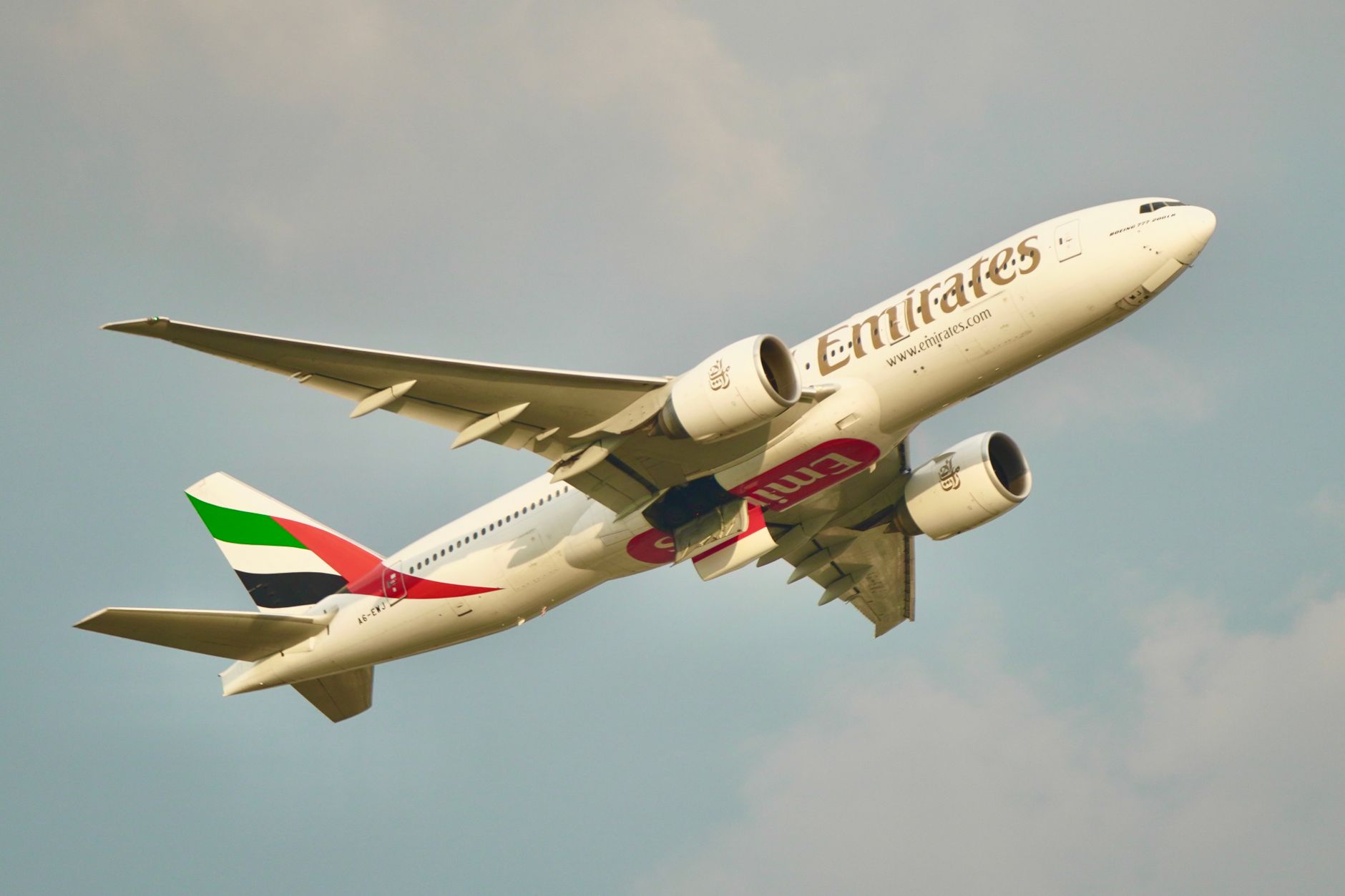
UAE Shares FlyDubai Flight Details with Israel
The United Arab Emirates (UAE) has provided details about a FlyDubai flight to Israel, as confirmed by officials to AP News. The shared information includes pilots' names and nationalities. This data exchange reflects ongoing cooperation between the UAE and Israel, particularly following the normalization of relations between the two countries. The sharing of flight details indicates a level of transparency and operational cooperation in civil aviation matters. This move could be viewed as a continuation of the positive diplomatic developments since the countries normalized relations. For investors, this cooperation could suggest stability and potential for increased tourism and trade between the UAE and Israel. This development may benefit airlines operating between the two nations, potentially increasing flight frequencies or opening new routes.
Read More: UAE Shares FlyDubai Flight Details with Israel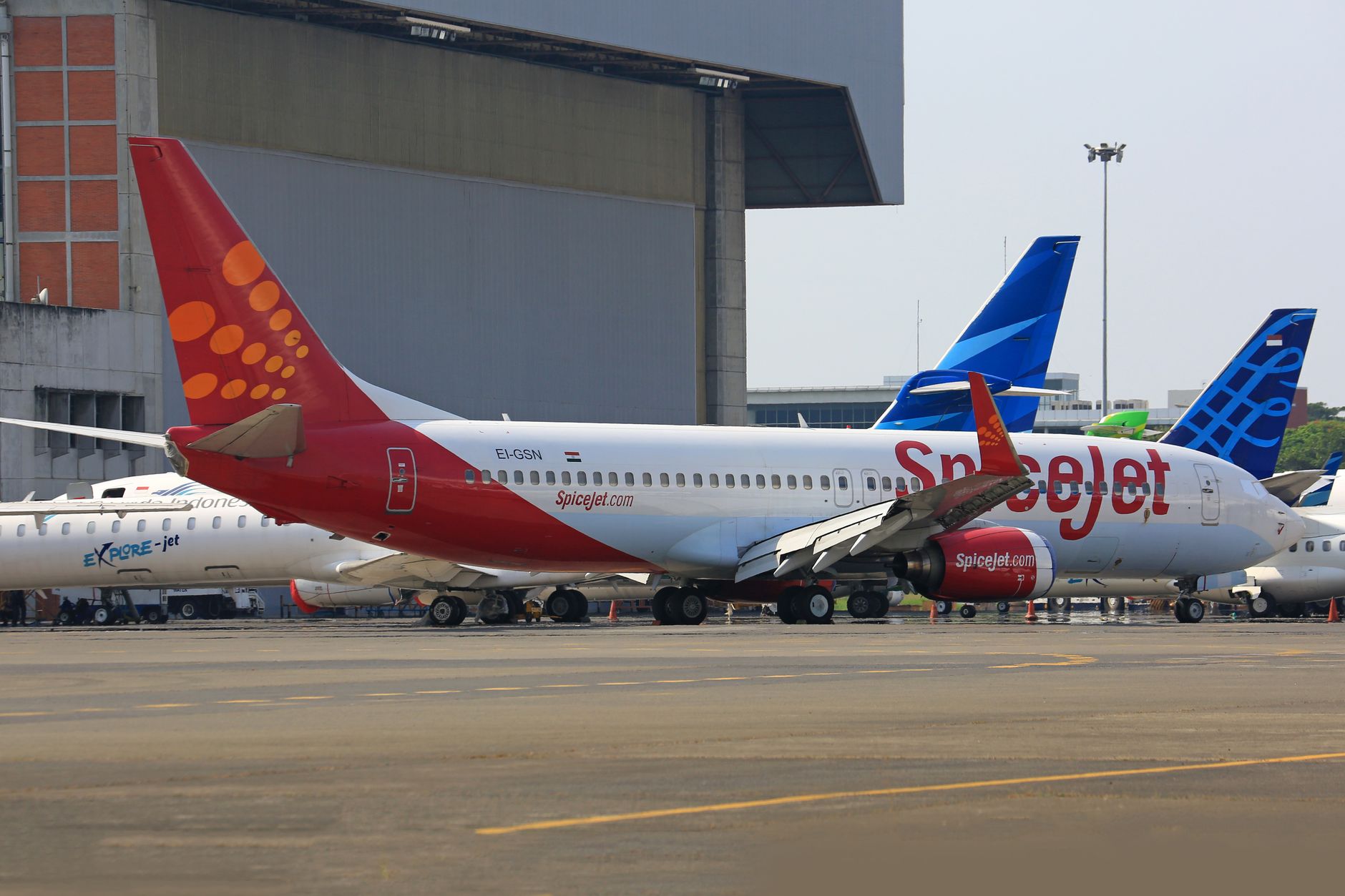
Flydubai Flight FZ1073 Co-Pilot Attacks Pilot in Failed Hijacking
A co-pilot on Flydubai flight FZ1073 attempted a 'terrorist' attack, reported the United Arab Emirates prosecutor general. The co-pilot, Hammam al-Hammami, an Omani national, attacked the pilot in the cockpit with an axe and attempted to seize control of the aircraft. More than 170 passengers and crew were on board the flight from the UAE to Israel, which was diverted to Tabuk airport in Saudi Arabia after the co-pilot was subdued by passengers and crew. Following the incident, a reserve Flydubai pilot took control and safely landed the aircraft. The motive for the co-pilot's actions remains unclear, although Israeli Prime Minister Benjamin Netanyahu mentioned potential radical Islamist influences. The UAE and Israeli authorities are collaborating on the investigation into the circumstances and motives behind the attack. This event underscores the importance of security measures in aviation and may have repercussions for airline safety protocols. Flydubai (not listed) is under scrutiny, and the investigation might affect future policies within the airline industry.
Read More: Flydubai Flight FZ1073 Co-Pilot Attacks Pilot in Failed Hijacking
FlyDubai Security Breach Involves Cockpit Ax, UAE Reports
A security incident occurred on a FlyDubai flight where an attacker used a crash ax to breach the cockpit, according to the United Arab Emirates. The incident has raised concerns about flight safety and the security measures in place on aircraft. Authorities provided no detailed figures on the incident, such as passenger counts or the exact timeline of events. This highlights an ongoing challenge for airlines in ensuring passenger and crew safety. The use of a crash ax in the attack underscores vulnerabilities in aircraft security systems. Although specific details about the attacker's motives or actions have not been disclosed, the incident could prompt airlines to review and potentially heighten security protocols on future flights. This event highlights the importance of robust safety measures to protect the crew and passengers from similar threats. For investors and industry stakeholders, this incident could influence operational costs for airlines as enhanced security measures may need to be implemented. Ensuring passenger safety remains a priority, and any perceived lapses could impact consumer confidence in air travel.
Read More: FlyDubai Security Breach Involves Cockpit Ax, UAE Reports
Flydubai Co-pilot Attacks Pilot in Axe Incident, UAE Reports
A Flydubai co-pilot reportedly attacked the pilot with an axe in an incident that the UAE authorities have described as an attempted 'terrorist' attack. Details of how the incident unfolded or the motivations behind it have not been fully disclosed. This alarming event has raised security concerns and has underscored the potential risks associated with ensuring airline crew safety. Authorities have yet to release the outcomes of any investigations or potential security upgrades being considered in response to this incident. The incident involving Flydubai underscores the importance of rigorous security protocols in aviation to prevent similar occurrences in the future. While no casualties were reported, such incidents can lead to disruptions in airline operations and raise questions about current security measures. For investors, understanding how this might impact Flydubai's operations and potential regulatory changes could be crucial. Incidents like these can affect passenger confidence and thus influence the financial performance of airlines.
Read More: Flydubai Co-pilot Attacks Pilot in Axe Incident, UAE Reports
Iran and UAE Join BRICS in War Restraint Statement at Summit
Iran and the UAE signed a joint BRICS statement calling for restraint in the Middle East war on September 12, 2026. This meeting marks the highest-level engagement between the two countries since the start of the conflict. The declaration urges cooperation, protection of civilians, and respect for territorial integrity. The BRICS group, originally composed of Brazil, Russia, India, China, and South Africa, now includes Iran and the UAE among its members. This development could reflect increased diplomatic efforts in a region under strain, which may influence market sentiment regarding geopolitical risks.
Read More: Iran and UAE Join BRICS in War Restraint Statement at Summit
Iran and UAE Support BRICS Statement Amid Ongoing Conflict
Iran and the United Arab Emirates (UAE) have expressed support for a joint statement from BRICS, which calls for restraint amid the ongoing conflict. This statement from BRICS, an economic bloc that includes Brazil, Russia, India, China, and South Africa, highlights the importance of dialogue and peace. The involvement of both Iran and the UAE illustrates a unified front among some nations in the region. This development may influence global market sentiment by emphasizing diplomatic solutions over military escalation.
Read More: Iran and UAE Support BRICS Statement Amid Ongoing Conflict
Fusion Fuel (HTOO) Adds LPG Tanker to UAE Fleet
Fusion Fuel's subsidiary has expanded its fleet with the addition of a new LPG (liquefied petroleum gas) tanker located in the UAE. This strategic move could enhance operational capabilities and support upcoming projects. The exact value of the acquisition and capacity details of the tanker were not disclosed. Such fleet expansions may indicate growth potential and increased serviceability for Fusion Fuel (HTOO), which can be vital for investors monitoring its operational efficiencies and market position.
Read More: Fusion Fuel (HTOO) Adds LPG Tanker to UAE Fleet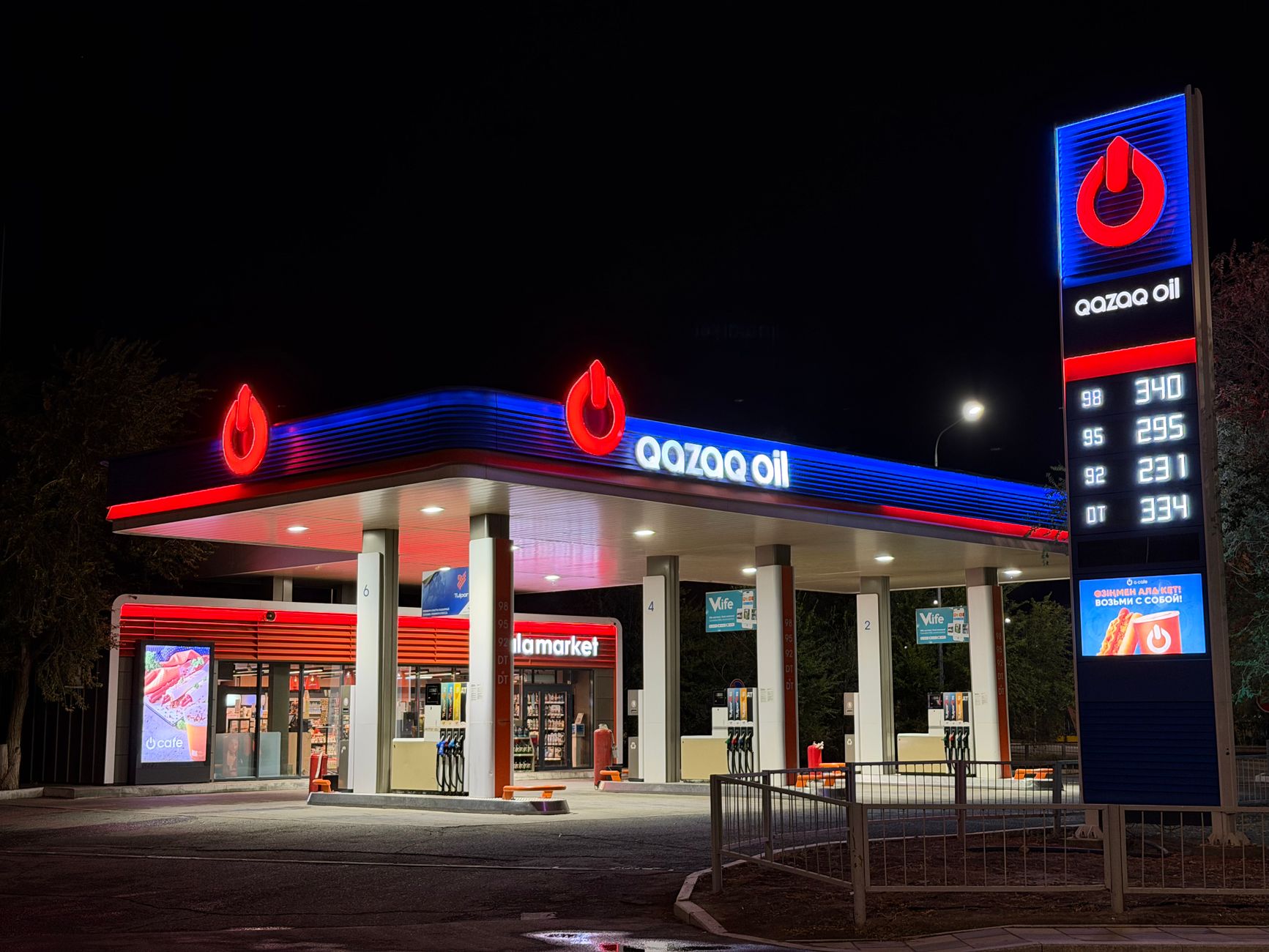
Oil Prices Rise 3% Amid Trump Iran Rhetoric and UAE Trade Halt
Oil prices increased by 3% following statements from former President Trump regarding economic actions against Iran. Trump announced significant measures he labels as the 'MOST CRUSHING ECONOMIC OPERATION EVER TAKEN AGAINST ANY COUNTRY.' The UAE confirmed it would suspend all trade and financial dealings with Iran, intensifying economic pressure. This situation is critical as it affects oil supply dynamics in the region, potentially impacting global oil prices for investors.
Read More: Oil Prices Rise 3% Amid Trump Iran Rhetoric and UAE Trade Halt
Iran Considers Attacks on U.S. Targets Amid Trade Severs with UAE
Iran has considered attacking U.S. military targets in Europe, including assets in Bulgaria and Cyprus, if the conflict escalates. The UAE has paused all trade, commercial exchanges, and financial transactions with Iran. U.S. negotiations with Tehran to end the war have stalled, and President Donald Trump stated there are no current talks with Iran. This heightened tension could impact oil markets and global supply chains, making it essential for investors to monitor the developments closely.
Read More: Iran Considers Attacks on U.S. Targets Amid Trade Severs with UAE
Iran's New Strait Demands Impact Shipping in UAE Region
Iran has issued new demands regarding the Strait of Hormuz, a crucial shipping route in the region. The United Arab Emirates (UAE) reported that a vessel was targeted, emphasizing the ongoing tensions affecting maritime security. These developments arise amid broader geopolitical tensions, which could impact the shipping industry and oil prices. Investors should monitor these situations as they have the potential to disrupt trade routes and affect market dynamics.
Read More: Iran's New Strait Demands Impact Shipping in UAE Region
Canada-UAE Free Trade Deal Signals Energy Investment Opportunities
Canada and the UAE have signed a free trade deal, which is expected to facilitate upcoming investments in the energy sector. The deal aims to enhance economic collaboration between the two nations, though specific investment figures are not disclosed. This agreement suggests a strategic shift that could lead to increased energy trade between Canada and the UAE, impacting the energy markets positively. Ordinary investors should note that these developments may signal potential growth in energy-related investments between the two countries.
Read More: Canada-UAE Free Trade Deal Signals Energy Investment Opportunities
U.A.E. AI Breakthrough: Key Developments and Impact
The United Arab Emirates is focusing on advancing artificial intelligence (AI) to diversify its economy and enhance competitiveness. Recent initiatives involve substantial investments in AI infrastructure and collaboration with global tech firms. The U.A.E. government aims to position the nation among the top AI countries by 2031. This development is significant as it may attract foreign investment and potentially boost the local economy, presenting opportunities for investors in AI-related ventures.
Read More: U.A.E. AI Breakthrough: Key Developments and Impact
Commerce Eases Export Controls for MGX Amid $2B Binance Investment
The U.S. Commerce Department announced it will favorably review export license applications for MGX, a UAE-backed investment firm, as part of a new rule. This rule relates to MGX's $2 billion investment in Binance, the largest crypto exchange by daily volume. The department's statement recognizes the UAE as a U.S. Major Defense Partner and supports U.S. national security interests. For ordinary investors, this could signal increased collaboration between U.S. firms and UAE enterprises, potentially impacting the tech and crypto sectors.
Read More: Commerce Eases Export Controls for MGX Amid $2B Binance Investment
Nvidia (NVDA) Gains from US Export Easing to UAE
The US has simplified export rules for Nvidia's (NVDA) AI chips and military equipment to the UAE. This move enhances market access for Nvidia, potentially increasing sales in the region. The easing of restrictions is expected to facilitate broader adoption of AI technologies in the UAE. For investors, this development highlights expanded opportunities for revenue growth in key international markets.
Read More: Nvidia (NVDA) Gains from US Export Easing to UAE
OPEC+ Increases Oil Output by 188,000 bpd from August 2023
OPEC+ announced a quota increase of 188,000 barrels per day (bpd) from August, adding to previous increases throughout June and July. The total output from OPEC+ members has risen from 33.13 million bpd in May to projected increases despite ongoing geopolitical tensions affecting exports from the Strait of Hormuz. Brent crude prices were trading near $72 per barrel, down from peaks of over $120. The adjustments occur as the United Arab Emirates departs the group, affecting future production management among its remaining members.
Read More: OPEC+ Increases Oil Output by 188,000 bpd from August 2023
Citi (C) Appoints Rajeev Garg as UAE Wealth Head
Citi (C) has appointed Rajeev Garg to lead its wealth business in the UAE, according to a press release. Garg will manage development across Citigold, Citigold Private Client, and credit cards. His role involves strengthening risk and control processes to align with global standards. Garg has 26 years of industry experience, with over 18 at Citi, previously leading the Citigold Business execution in Asia South. This appointment highlights Citi's commitment to expanding its wealth management operations in the UAE.
Read More: Citi (C) Appoints Rajeev Garg as UAE Wealth Head
France (FRA) Pursues Defense Talks with UAE Amid Germany Setbacks
France is currently negotiating defense collaboration with the UAE following Germany's withdrawal from a joint fighter jet program. This shift is significant as it reflects changes in France's defense strategy and international partnerships, potentially affecting defense contracts and geopolitical alliances. The anticipated projects involving various military technologies are crucial for both countries in enhancing their defense capabilities. The outcomes of these negotiations could influence France's defense budget and its role in the European defense sector.
Read More: France (FRA) Pursues Defense Talks with UAE Amid Germany Setbacks
Iraq (IRQ) Oil Exports Set to Triple via Kurdistan Pipeline
Iraq's cabinet has approved plans to expand crude exports through the Kurdistan-Turkey pipeline, increasing shipments from 220,000 barrels per day to 770,000. This measure is crucial as Iraq's oil exports via the Strait of Hormuz fell dramatically from 93 million barrels in April 2022 to just 10 million barrels recently due to ongoing conflict. The project is aimed at mitigating the economic impact on Iraq, where oil constituted 53% of the GDP in 2025. Abu Dhabi is concurrently developing a new pipeline to double ADNOC’s capacity, expected online by 2027, addressing issues arising from Hormuz closures.
Read More: Iraq (IRQ) Oil Exports Set to Triple via Kurdistan Pipeline
Novo Nordisk (NVO) Launches Wegovy Pill in UAE, First Outside U.S.
Novo Nordisk (NVO) is launching its weight loss pill Wegovy in the UAE, marking its first international launch beyond the U.S. This decision is influenced by factors such as patient demand and the healthcare infrastructure in the UAE, as stated by Emil Kongshøj Larsen, executive vice president of International Operations. The company indicated plans to expand Wegovy into additional select countries in the future. This move could signify a strategic expansion in global markets for Novo Nordisk.
Read More: Novo Nordisk (NVO) Launches Wegovy Pill in UAE, First Outside U.S.
U.A.E. Involvement in War Includes Dozens of Strikes on Iran
The U.A.E. has been linked to multiple military strikes against Iran, with reports indicating dozens of attacks over recent months. This involvement could influence regional stability and impact energy markets due to the geopolitical tensions in the Middle East. The ongoing conflict and military actions could lead to fluctuations in oil prices, affecting major players such as ExxonMobil (XOM) and other oil-dependent economies. This situation underscores the complex dynamics in the region that investors should monitor closely.
Read More: U.A.E. Involvement in War Includes Dozens of Strikes on Iran
Oracle (ORCL) Data Center Hit Amidst Middle East War Tensions
Iran's Islamic Revolution Guard Corps (IRGC) reported damaging a data center operated by Oracle (ORCL) in Dubai. The ongoing conflict, which began in February, raises concerns regarding energy security and investor confidence in AI infrastructure projects in the Gulf region. Oil prices remain elevated at approximately $100 a barrel, and regional geopolitical risks have halted or delayed investments in data centers. Gulf nations, previously focused on establishing themselves as AI hubs through significant investments, are now facing new challenges that may impact economic diversification efforts.
Read More: Oracle (ORCL) Data Center Hit Amidst Middle East War Tensions
Trump Calls Off Planned Attack on Iran Due to UAE Request
President Trump stated that he canceled a planned attack on Iran that was set for Tuesday. This decision follows requests from the UAE, Saudi Arabia, and Qatar for the United States to refrain from military action. The announcement carries implications for regional stability and potential U.S. involvement in Middle Eastern conflicts. The information highlights the influence of U.S. allies in shaping military operations in sensitive geopolitical situations.
Read More: Trump Calls Off Planned Attack on Iran Due to UAE Request
UAE Nuclear Power Plant Drone Strike Reports with No Injuries
A drone strike caused a fire at the Barakah Nuclear Power Plant in the UAE, hitting an electrical generator outside its inner perimeter. UAE officials reported that radiological safety levels at the plant remained unaffected and there were no injuries reported. The strike is viewed as part of ongoing tensions involving Iran, which has been accused by the UAE of targeting its energy infrastructure. The International Atomic Energy Agency is monitoring the situation, emphasizing the importance of military restraint near nuclear facilities.
Read More: UAE Nuclear Power Plant Drone Strike Reports with No Injuries
UAE Reports Drone Strike Impact on Barakah Nuclear Plant
A drone strike at the Barakah nuclear plant in the UAE caused a fire, but there were no reported injuries. Authorities confirmed that radiation levels remain normal post-incident. This event is notable as it highlights the security risks surrounding critical infrastructure. The ability to quickly assess and communicate safety ensures market stability amid geopolitical tensions.
Read More: UAE Reports Drone Strike Impact on Barakah Nuclear Plant
UAE Gas Plant Repairs Delayed Until 2027 Due to Attacks
The Habshan gas facility in the UAE sustained damage from Iranian attacks, with full repairs not expected until 2027. This situation underscores the ongoing impact of Middle East conflicts on Gulf energy exports. The delays in restoring this facility could affect regional energy supply dynamics and market prices. As global energy markets remain sensitive to disruptions, the situation could lead to increased volatility in prices. Investors should monitor supplier adjustments and potential supply chain ramifications.
Read More: UAE Gas Plant Repairs Delayed Until 2027 Due to Attacks
Trump Confirms Ceasefire Amid US (DXY) and Iran Tensions
US officials report that tensions between the US and Iran have escalated following attacks on American destroyers by Tehran. In response, the US has launched military strikes. The UAE has intercepted Iranian drones and missiles in the region. Trump stated that the ceasefire is still in effect, though the situation remains volatile with potential implications for markets, including oil prices and defense stocks.
Read More: Trump Confirms Ceasefire Amid US (DXY) and Iran Tensions
Dubai Stock Market Drops 1.5% Due to Iran-UAE Hormuz Tensions
The Dubai stock market experienced a decline of 1.5% amid escalating tensions between Iran and the UAE over the Strait of Hormuz. This decline reflects the potential market impact of geopolitical risks, which can affect investor sentiment and trading behavior. Such tensions may lead to volatility in regional markets, impacting trading volumes and investment flows. For traders and investors, monitoring these developments is critical to assess risks associated with their market positions.
Read More: Dubai Stock Market Drops 1.5% Due to Iran-UAE Hormuz Tensions
Oil Gains as U.S. and Iran Exchange Fire in Hormuz Tensions
Recent exchanges of fire between U.S. and Iranian forces in the Hormuz Strait have heightened tensions in the region. Oil prices have maintained their gains amid these developments, reflecting the ongoing volatility in energy markets. The geopolitical climate remains a critical factor influencing oil supply considerations. As potential disruptions in oil flow are feared, market reactions could further impact pricing strategies for companies involved in oil production and distribution.
Read More: Oil Gains as U.S. and Iran Exchange Fire in Hormuz Tensions
UAE Missile Alert System Activated Amid Iranian Attacks
The United Arab Emirates (UAE) reported missile and drone attacks from Iran, activating its missile alert system for the first time since the U.S.-Iran ceasefire began on April 8. The UAE's Defence Ministry confirmed that air defense systems intercepted several ballistic and cruise missiles, with three loitering munitions intercepted over territorial waters and another missile falling into the sea. This escalation raises concerns about the stability of the current ceasefire, particularly in the context of increasing U.S. military activity in the Strait of Hormuz. The situation has prompted emergency alerts issued to residents in Dubai and Abu Dhabi to seek safe places.
Read More: UAE Missile Alert System Activated Amid Iranian Attacks
UAE Exits OAPEC Following OPEC Departure Impacts Oil Markets
The United Arab Emirates has exited the Organization of Arab Petroleum Exporting Countries (OAPEC) following its prior departure from OPEC. This move reflects the UAE's shift in energy policy and could influence regional oil production strategies. The implications of the UAE's exit from these alliances may affect overall oil supply and pricing dynamics in the market. With the UAE being a significant oil producer, its decisions could have a notable impact on oil prices and trade within the Middle East.
Read More: UAE Exits OAPEC Following OPEC Departure Impacts Oil Markets
OPEC+ Announces 188,000 bpd Output Increase Amid UAE Exit
OPEC+ has confirmed an increase in oil output by 188,000 barrels per day, effective from June 2023. This decision marks the first meeting since the United Arab Emirates officially exited OPEC on May 1. The increase is slightly below May's output hike of 206,000 bpd, as announced by the group of seven major oil producers. U.S. crude oil futures fell 3% to $101.94 per barrel, while Brent crude dropped nearly 2% to settle at $108.17. The production adjustment aims to support oil market stability amid ongoing geopolitical tensions.
Read More: OPEC+ Announces 188,000 bpd Output Increase Amid UAE Exit
OPEC+ Output Increase Persists Despite UAE Exit
OPEC+ is continuing with its planned output increase set for June, despite the United Arab Emirates’ (UAE) decision to exit the group. This move raises questions about oil supply dynamics and pricing in global markets. Analysts have noted potential impacts on oil prices, though no specific figures were provided. The situation could influence trading volumes in petroleum markets as stakeholders react to the changes.
Read More: OPEC+ Output Increase Persists Despite UAE Exit
OPEC+ Agrees on Small Oil Output Quota Hike Amid Quotas
OPEC+ has agreed in principle to a small increase in oil output quotas. Notably, this decision was made without the participation of the UAE. The specifics of the quota hike, including exact figures and percentages, were not disclosed. This change could potentially affect global oil supply dynamics and market prices, impacting major oil companies. The absence of UAE's agreement could lead to further discussions on compliance issues within the group.
Read More: OPEC+ Agrees on Small Oil Output Quota Hike Amid Quotas
UAE's OPEC Exit May Impact Trade Ties with Saudi Arabia
The UAE's recent decision to exit OPEC raises questions about its trade relations with Saudi Arabia. This change could impact oil production strategies and pricing strategies within the region. The UAE has been a significant oil contributor to OPEC and its exit might lead to a restructuring of alliances. Analysts suggest that fluctuations in oil prices could affect market stability across the oil sector and related economies.
Read More: UAE's OPEC Exit May Impact Trade Ties with Saudi Arabia
UAE Exits OPEC: Implications for Oil Prices Amid Ongoing Conflicts
The United Arab Emirates (UAE) announced its departure from OPEC, effective May 1, which it stated aligns with its national interests after reviewing its production policy. The UAE was OPEC’s third-largest oil producer as of February, following Saudi Arabia and Iraq. President Trump expressed support for this decision, suggesting it may lower energy prices. The exit follows increased tensions in the region due to missile and drone attacks from Iran, impacting UAE's oil export capabilities.
Read More: UAE Exits OPEC: Implications for Oil Prices Amid Ongoing Conflicts
Data Center Company Halts Investment Amid Iran War Disruptions
A major data center company has paused investments in AI infrastructure and data centers in the Middle East due to the ongoing Iran war. The firm’s CEO, Gary Wojtaszek, indicated that all data center opportunities are on hold while safety and supply chain disruptions persist. The company's Abu Dhabi facility was struck by shrapnel from an Iranian attack. Despite current challenges, Pure DC recognizes long-term opportunities in the region and is considering future discussions on projects.
Read More: Data Center Company Halts Investment Amid Iran War Disruptions
UAE (OPEC) Departure Affects Global Oil Markets as Production Surges
The United Arab Emirates (UAE) has announced its exit from OPEC, which could lead to further departures from the oil cartel as production quotas become contentious. In March, the UAE produced approximately 2.37 million barrels per day, while its sustainable capacity is about 4.3 million bpd, according to IEA data. Analysts warn that countries like Kazakhstan and Nigeria may consider leaving OPEC+ due to frustrations with quotas and a shift towards domestic refining capacity. This exit from OPEC by the UAE highlights growing tensions within the organization that may affect global oil supply and prices.
Read More: UAE (OPEC) Departure Affects Global Oil Markets as Production Surges
UAE Exits OPEC: Market Impact and Future of Oil Production
The United Arab Emirates (UAE) has exited OPEC, an action that could influence global energy markets by potentially destabilizing production quotas. Experts suggest this move could lead to other nations considering their membership status, raising concerns about OPEC's future relevance. Previous exits from OPEC include Angola in 2024 and Qatar in 2019, demonstrating a trend related to dissatisfaction with production agreements. The implications of this departure may lead to increased volatility in oil prices as market participants reassess OPEC’s ability to manage supply effectively.
Read More: UAE Exits OPEC: Market Impact and Future of Oil Production
UAE Exit Challenges OPEC's Oil Production Strategy and Stability
The United Arab Emirates (UAE) has announced its exit from OPEC, raising concerns about the organization's ability to maintain control over oil prices and production levels. This decision could disrupt the current agreement among OPEC members, impacting global oil supply dynamics. Analysts are monitoring the potential fluctuations in oil price volatility as a result of this exit, which may affect oil-dependent economies. OPEC's market influence may weaken significantly in the upcoming months due to this strategic shift by the UAE.
Read More: UAE Exit Challenges OPEC's Oil Production Strategy and Stability
UAE (UAE) Exits OPEC Amid Hormuz Oil Crisis
The United Arab Emirates (UAE) has announced its exit from OPEC due to increasing tensions in the Gulf region, specifically linked to the ongoing Iran war. This decision is seen as a significant shift, potentially impacting oil supply management within the cartel. The exit may lead to fluctuations in crude oil prices as UAE's production policies diverge from OPEC's collective decisions. The implications of this move raise concerns for Saudi Arabia and the broader oil market dynamics.
Read More: UAE (UAE) Exits OPEC Amid Hormuz Oil Crisis
UAE (United Arab Emirates) Exits OPEC, Impact on Oil Market Ahead
The United Arab Emirates (UAE) exited OPEC this week, potentially weakening the cartel's influence over oil prices. The UAE and Saudi Arabia controlled over 4 million barrels per day of spare production capacity. Energy Minister Suhail Al Mazrouei stated that the UAE aims to reach 5 million barrels per day of production capacity by 2027, seeking more freedom in production decisions. This departure may impact OPEC's cohesion and could lead to bearish trends in global oil prices in the long term.
Read More: UAE (United Arab Emirates) Exits OPEC, Impact on Oil Market Ahead
UAE (United Arab Emirates) Exits OPEC, Impacts Global Oil Production
The United Arab Emirates (UAE) has officially exited OPEC, impacting its role as a swing producer that had a spare production capacity second only to Saudi Arabia. Previously, OPEC quotas limited UAE's production to 3-3.5 million barrels per day. This move is intended to allow the UAE to utilize its estimated target production of 5 million barrels per day. The departure raises questions about the future coherence of OPEC, especially regarding the implications for oil prices, which could fluctuate significantly based on production changes and geopolitical tensions in the Gulf region.
Read More: UAE (United Arab Emirates) Exits OPEC, Impacts Global Oil Production
WELF Launches DFSA-Regulated Wealth Advisory Business in UAE
WELF has established a regulated wealth advisory business in the UAE targeting professional and institutional clients managing cross-border capital movements. Based at the Dubai International Financial Centre, it aims to cater to European, Middle Eastern, and Asian markets. WELF Advisory has received regulation from the Dubai Financial Services Authority as a Category 3C firm, permitting it to manage assets and provide tailored investment advice. The firm's approach focuses on individual client guidance and independent custody of assets, marking a shift in wealth management services in the region.
Read More: WELF Launches DFSA-Regulated Wealth Advisory Business in UAE
UAE Currency Swap Line Discussions with U.S. Administration
The Trump administration has discussed providing a currency swap line to the UAE, although no formal request has been made. A White House official stated that the discussions are preliminary and not yet in planning stages. The move, which aims to provide liquidity in U.S. dollars, is significant as the UAE's economy has been impacted by the U.S. war with Iran. If implemented, this assistance could politically challenge the administration amid rising prices for American consumers.
Read More: UAE Currency Swap Line Discussions with U.S. Administration
U.A.E. Seeks U.S. Financial Lifeline Amid Wartime Concerns
Limited data available — The U.A.E. has formally requested financial assistance from the U.S. government, citing wartime conditions impacting its economy. This request could have significant implications for U.S.-U.A.E. relations and regional stability. The outcome of negotiations may influence market perceptions of risk associated with investments in the U.A.E. and neighboring regions. Further developments are expected that may affect financial markets in the context of geopolitical tensions.
Read More: U.A.E. Seeks U.S. Financial Lifeline Amid Wartime Concerns
UAE Investor Acquires Stake in General Atlantic’s Joe & the Juice
A UAE investor has acquired a stake in Joe & the Juice, a company backed by General Atlantic. While the article does not specify the exact percentage acquired or financial details of the transaction, such investments highlight the growing interest in food and beverage startups. This move may indicate potential growth in the market for innovative dining experiences. As Joe & the Juice continues to expand, investor interest could influence future financial performance in the sector.
Read More: UAE Investor Acquires Stake in General Atlantic’s Joe & the Juice
India's Goods Exports Fall 7% to $38.9B Amid Iran Conflict
India's merchandise exports declined by over 7% in March to $38.9 billion, down from $42.1 billion a year earlier, according to the commerce ministry. Key markets such as the UAE and U.S. saw significant drops, with shipments to the UAE falling nearly 62% and to the U.S. by 21%. For the financial year ending March 2026, exports rose less than 1% to $441.78 billion, as the U.S. imposed tariffs up to 50% earlier in the year. Experts warn conditions could worsen due to rising costs from the Iran conflict affecting global demand.
Read More: India's Goods Exports Fall 7% to $38.9B Amid Iran Conflict
DIDI to Launch Robotaxi Test in UAE Amid Regional Expansion Plans
Ride-hailing company Didi plans to conduct its first overseas robotaxi test in the UAE later this year, as revealed by co-founder Zhang Bo at a business forum. This development is part of a larger trend where multiple Chinese robotaxi companies, including WeRide and Pony.ai, are entering the Middle Eastern market. WeRide has initiated a driverless robotaxi service in Dubai, set to expand from 50 vehicles to over 1,000 soon. The expansion of these companies comes despite regional conflicts, showcasing the resilience and ambition of the Chinese autonomous driving sector.
Read More: DIDI to Launch Robotaxi Test in UAE Amid Regional Expansion Plans