Houthi News & Analysis
12 articles
Market Mood
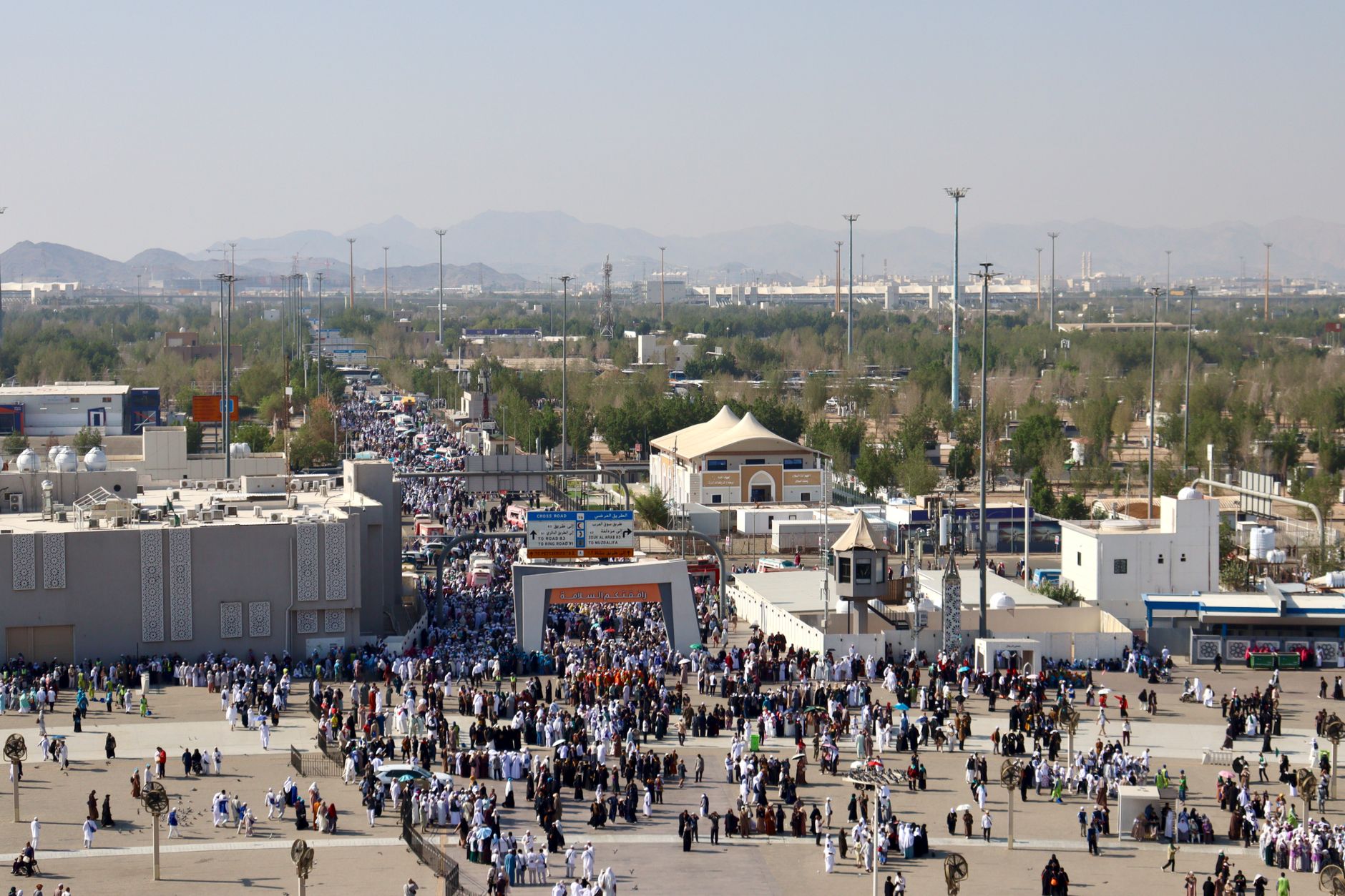
Saudi Arabia Delays Investor Conference to 2027 Amid Houthi Attacks
Saudi Arabia has rescheduled its significant annual investor conference, the Future Investment Initiative, to 2027. Originally planned for October 26-29 in Riyadh, the postponement follows escalated missile and drone attacks by Iran-backed Houthi militants on the kingdom. A recent attack on King Khalid International Airport in Riyadh resulted in at least 12 deaths and over 300 injuries, prompting the decision to delay the event. The Future Investment Initiative is crucial for Saudi Arabia as it aims to diversify its economy away from oil dependence. The conference was set to feature high-profile speakers from major financial corporations, including JPMorgan Chase CEO Jamie Dimon and Goldman Sachs CEO David Solomon. Due to the security concerns, the format of the event and the travel plans for participants have been significantly affected. The delay of the Future Investment Initiative is a setback to Saudi Arabia's efforts to attract international investors. This event typically showcases major projects like the Crown Prince's NEOM megaproject and serves as a platform for economic reform discussions critical to the kingdom's future.
Read More: Saudi Arabia Delays Investor Conference to 2027 Amid Houthi Attacks
Saudis Investigate Defense Failures in Houthi Airport Attack
Saudi Arabia is investigating the failure of its defense systems to intercept a Houthi missile attack on Riyadh airport. This incident resulted in fatalities, prompting concerns over the effectiveness of the country's military defenses. Saudi officials are focusing on how the attack managed to evade their defense systems, which are primarily used to protect against such threats. The attack on the airport led to fatalities, underscoring the severity of the incident. Saudi Arabia is conducting a thorough investigation to determine the causes behind the defense system breach. The country's defense systems are designed to detect and neutralize incoming threats, raising questions about their reliability and the potential need for enhancements. For investors, this incident could have implications for defense contractors and geopolitical stability in the region. The investigation's findings may impact future defense procurement decisions by Saudi Arabia and could influence the region's security dynamics.
Read More: Saudis Investigate Defense Failures in Houthi Airport Attack
Saudi Crown Prince Requests Egypt's Support Amid Houthi Attacks
Saudi Arabia's crown prince is seeking Egypt's support as Houthi attacks disrupt oil routes in the Red Sea. These attacks have raised concerns about regional security and the potential impact on oil supplies. The ongoing conflict in Yemen has long posed risks to maritime navigation and oil shipping in this key area. This situation is significant for investors as it could lead to fluctuations in oil prices due to supply chain disruptions.
Read More: Saudi Crown Prince Requests Egypt's Support Amid Houthi Attacks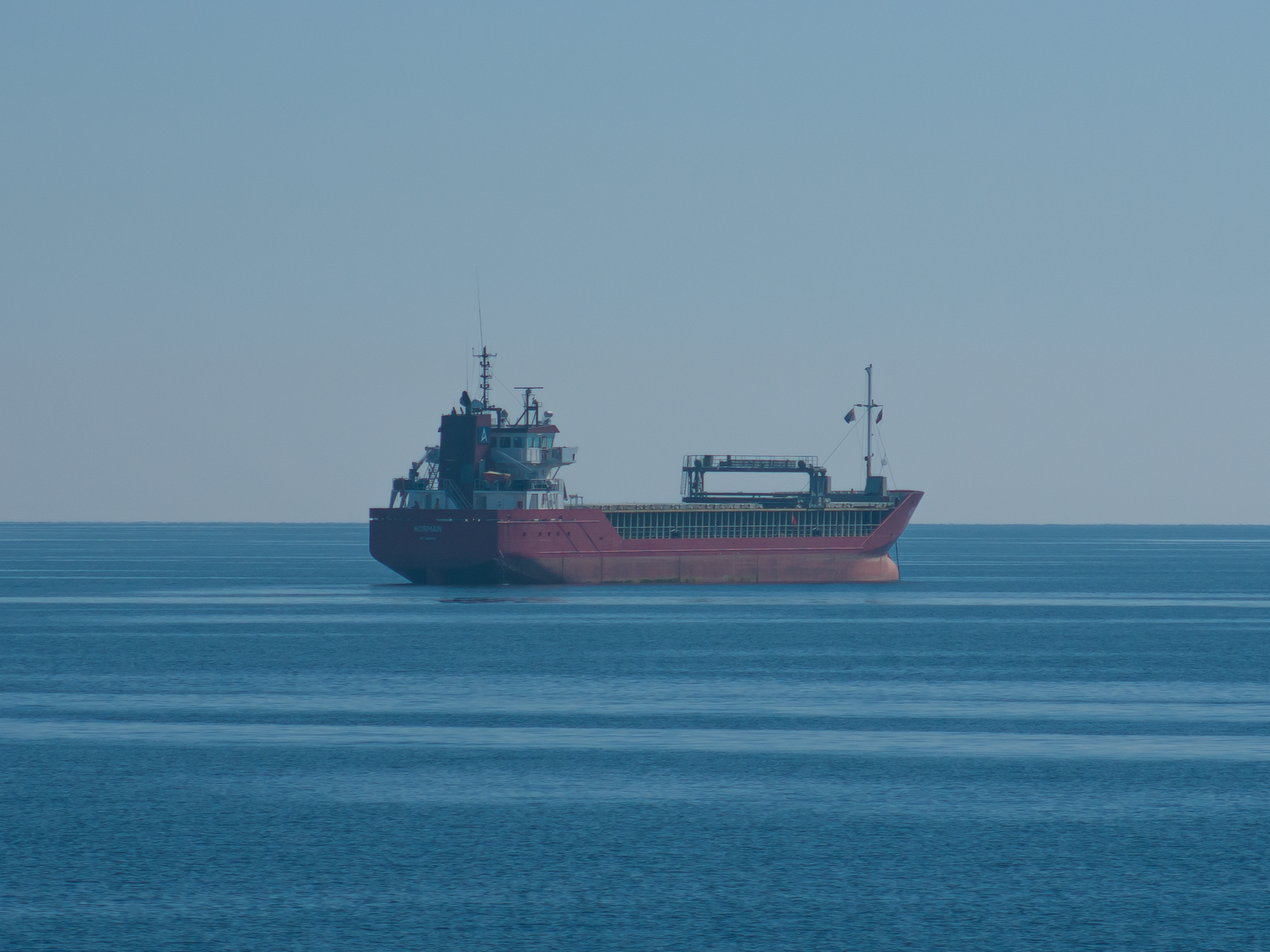
Houthi Attack Kills 6 in Red Sea; U.S. Strikes Cargo Ship
On August 10, 2026, Houthi rebels killed six people aboard the Egyptian-owned cargo ship Tihamah in the Bab el-Mandeb Strait, marking the first fatalities from attacks on Red Sea shipping in over a year. U.S. forces responded by launching missiles at the Panama-flagged Vela Nova after it reportedly attempted to breach a naval blockade of Iranian ports. Yemen's transport ministry stated that the casualties included four crew members, three of whom were Pakistani nationals. This incident underscores increasing tensions in critical shipping lanes that may impact global trade and security for investors.
Read More: Houthi Attack Kills 6 in Red Sea; U.S. Strikes Cargo Ship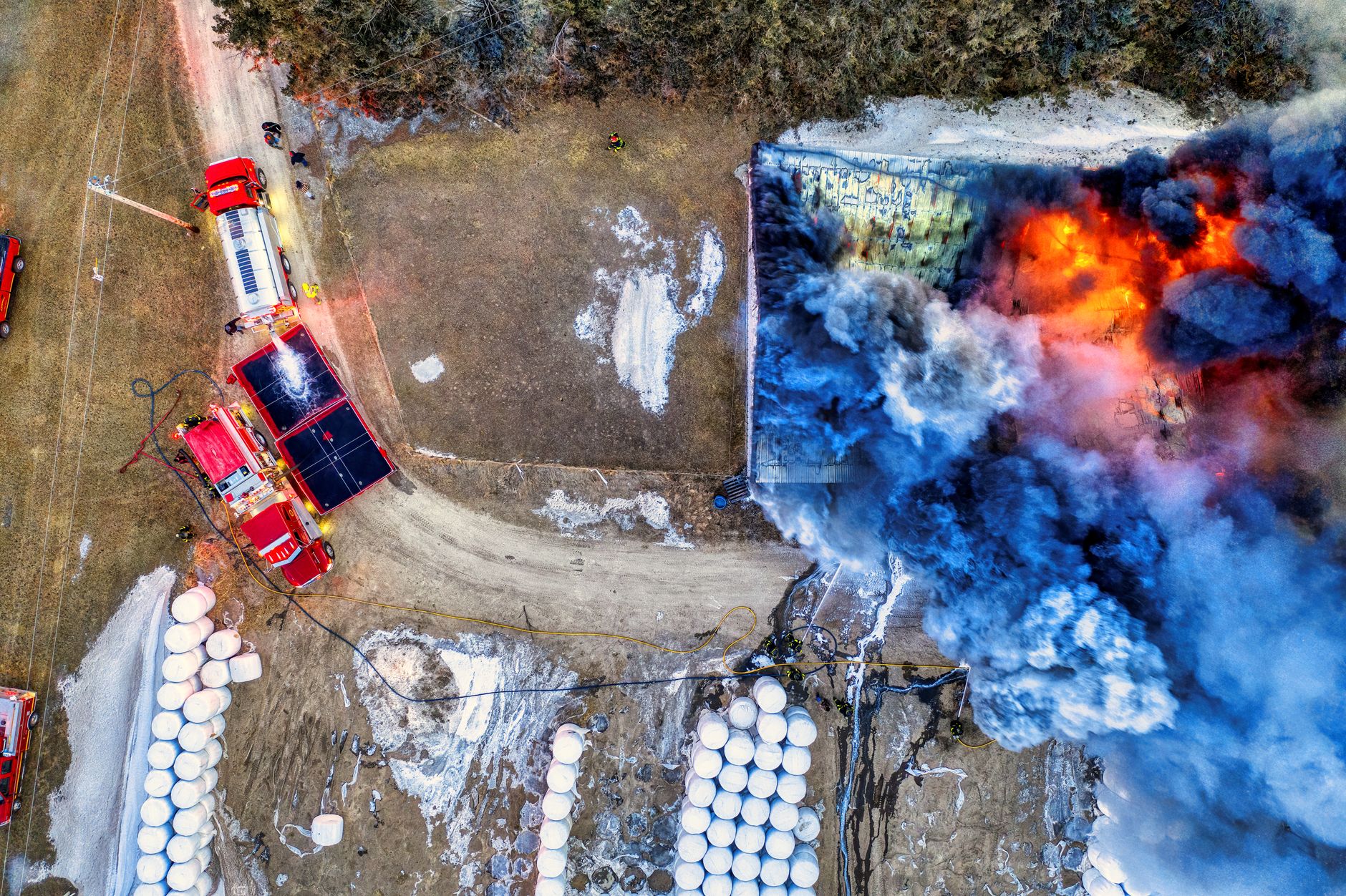
Saudi Aramco (2222) Fire Extinguished After Houthi Drone Attack
A fire at Saudi Aramco's refinery in Jizan, Saudi Arabia, was extinguished by firefighters after Houthi rebels claimed responsibility for a drone strike on July 26, 2026. The Saudi Ministry of Energy confirmed that no injuries occurred, and the cause of the fire was not specified. Previously, the Houthis have claimed several attacks on Saudi Aramco facilities amid ongoing regional tensions. This incident may raise concerns about stability in oil supplies and could impact market perceptions of security in the oil sector, particularly for Aramco (2222).
Read More: Saudi Aramco (2222) Fire Extinguished After Houthi Drone Attack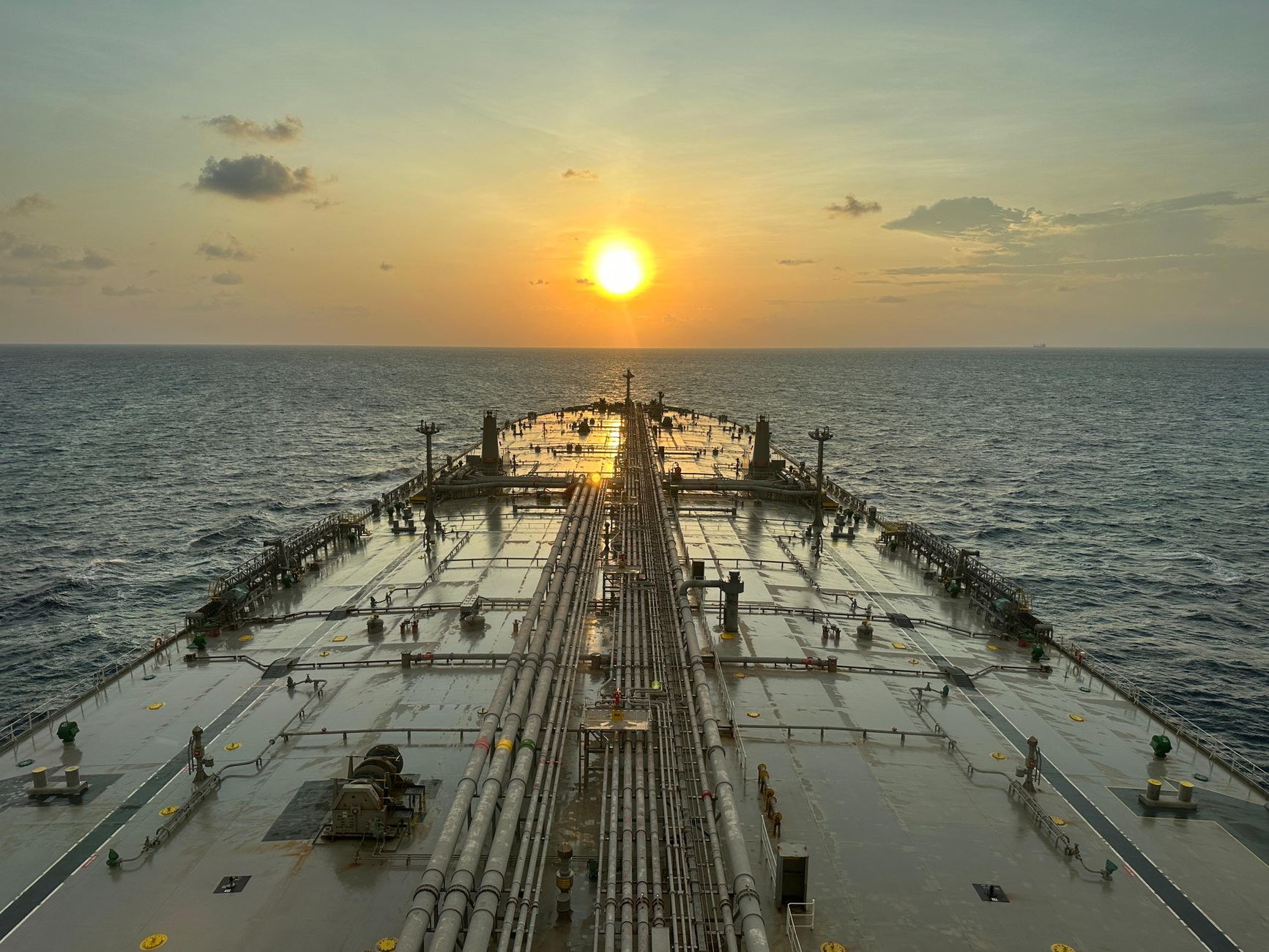
Oil Tankers Security Threats Reach Worst Levels in Years
Analysts report that the threat to oil tankers in the Middle East is currently the worst since the onset of the Iran war. Recent attacks on vessels in the Red Sea and a significant reduction in traffic through the Strait of Hormuz—down to eight ships on Sunday from over 100 daily before the conflict—underscore this risk. The Iranian-backed Houthi militia has also intensified threats, declaring a blockade on Saudi ports on July 20. This situation raises concerns about global oil flows and market stability, impacting ordinary investors as crude oil supply continues to be jeopardized.
Read More: Oil Tankers Security Threats Reach Worst Levels in Years
Iran Denies 10-Day Ceasefire Amid US Military Actions
Iran has denied reports of a 10-day ceasefire despite a temporary halt in hostilities with the U.S., which ceased strikes on July 22, 2026. Negotiations are currently ongoing with Oman regarding the Strait of Hormuz, vital for global oil supply, while direct talks with the U.S. are not taking place. Meanwhile, oil prices dropped by over 7% following the ceasefire announcement, reflecting investor optimism despite underlying tensions. This pause is significant as it highlights the potential for improved conditions that can affect oil markets and global supply chains.
Read More: Iran Denies 10-Day Ceasefire Amid US Military Actions
Saudi Strikes Houthi Targets After Attack on Oil Tankers
On July 20, 2026, Saudi Arabia's coalition forces targeted Houthi militia in Yemen following an attack on two Saudi oil tankers in the Red Sea. The Saudi-led Coalition's spokesperson Major General Turki Al-Malki stated the strikes focused on military targets threatening commercial vessels. Concurrently, the U.S. indicated it would hold Iran responsible for Houthi actions. This conflict may impact oil export routes and regional stability, which could influence global oil prices for investors.
Read More: Saudi Strikes Houthi Targets After Attack on Oil Tankers
Houthis Strike Two Saudi Oil Tankers Amid Escalating Conflict
The Houthi movement has claimed responsibility for attacks on two Saudi Arabian oil tankers, Encelia and Layla, using drones and missiles, alleging violations of their maritime blockade. The Saudi Press Agency confirmed that the Encelia was targeted while transiting the Red Sea, resulting in a fire on board but no reported casualties among the crew. The U.S. Central Command stated it has completed multiple strikes on Iranian military targets, impacting Iran's capabilities to attack maritime vessels. This conflict raises concerns for markets as oil prices are reportedly up 3.1%, reaching $97.06 per barrel, affecting global oil supply and prices for investors.
Read More: Houthis Strike Two Saudi Oil Tankers Amid Escalating Conflict
Houthis Attack 2 Saudi Oil Tankers Amid US Strikes
The Houthis have reported attacks on two Saudi oil tankers in the Red Sea, coinciding with the U.S. conducting its 12th consecutive night of strikes. This escalation raises concerns about the security of oil transport in the region, which could impact global oil prices. The ongoing military actions suggest increased volatility in Middle Eastern oil supplies. These events are important for investors to monitor as disruptions in oil transportation can lead to price fluctuations in energy markets.
Read More: Houthis Attack 2 Saudi Oil Tankers Amid US Strikes
Brent Prices Rise Following Houthi Attack on Two Saudi Tankers
Brent crude prices increased after Houthi rebels reported attacks on two Saudi Arabian oil tankers named Encelia and Layla. The market reacted to these developments as tensions in the region can disrupt oil supply. Although specific price changes for Brent crude were not mentioned, the anticipation of supply issues typically leads to price increases. This situation is significant for investors as it highlights geopolitical risks that can affect oil prices directly.
Read More: Brent Prices Rise Following Houthi Attack on Two Saudi Tankers
Oil Prices Exceed $90 Amid Middle East Conflict Escalation
Oil prices have surpassed $90 due to escalating conflicts in the Middle East. The situation intensified following comments from former President Trump regarding Iran's responsibility for U.S. service member fatalities. Additionally, Houthi rebels have threatened shipping routes, raising concerns in the oil market. This volatility in oil prices can significantly impact global markets, influencing energy stocks and consumer costs.
Read More: Oil Prices Exceed $90 Amid Middle East Conflict Escalation