IRAN News & Analysis
50 articles
Market Mood

Iran Joins BRICS Development Bank as Central Bank Governor Confirms
Iran's central bank governor announced that Iran will join the BRICS development bank soon. This move signals an expansion of the BRICS group, which includes major economies like Brazil, Russia, India, China, and South Africa. The integration into the BRICS development bank could enhance Iran's economic relationships and funding opportunities. This matters for markets as it reflects shifts in global financial alliances, potentially affecting international trade dynamics.
Read More: Iran Joins BRICS Development Bank as Central Bank Governor Confirms
Strait of Hormuz Traffic Drops Near 3-Month Low Amid Tensions
Iran's authorities declared the Strait of Hormuz remains blocked, countering U.S. claims of control. Vessel transits averaged about 13 as of August 6, marking a nearly 90% drop from the pre-February average of 130 ships. This decline follows escalated tensions and demands from Iran for U.S. actions, including ending the naval blockade and sanctions relief. The situation may impact oil supply routes, highlighting potential risks for markets as negotiations between the U.S. and Iran intensify.
Read More: Strait of Hormuz Traffic Drops Near 3-Month Low Amid Tensions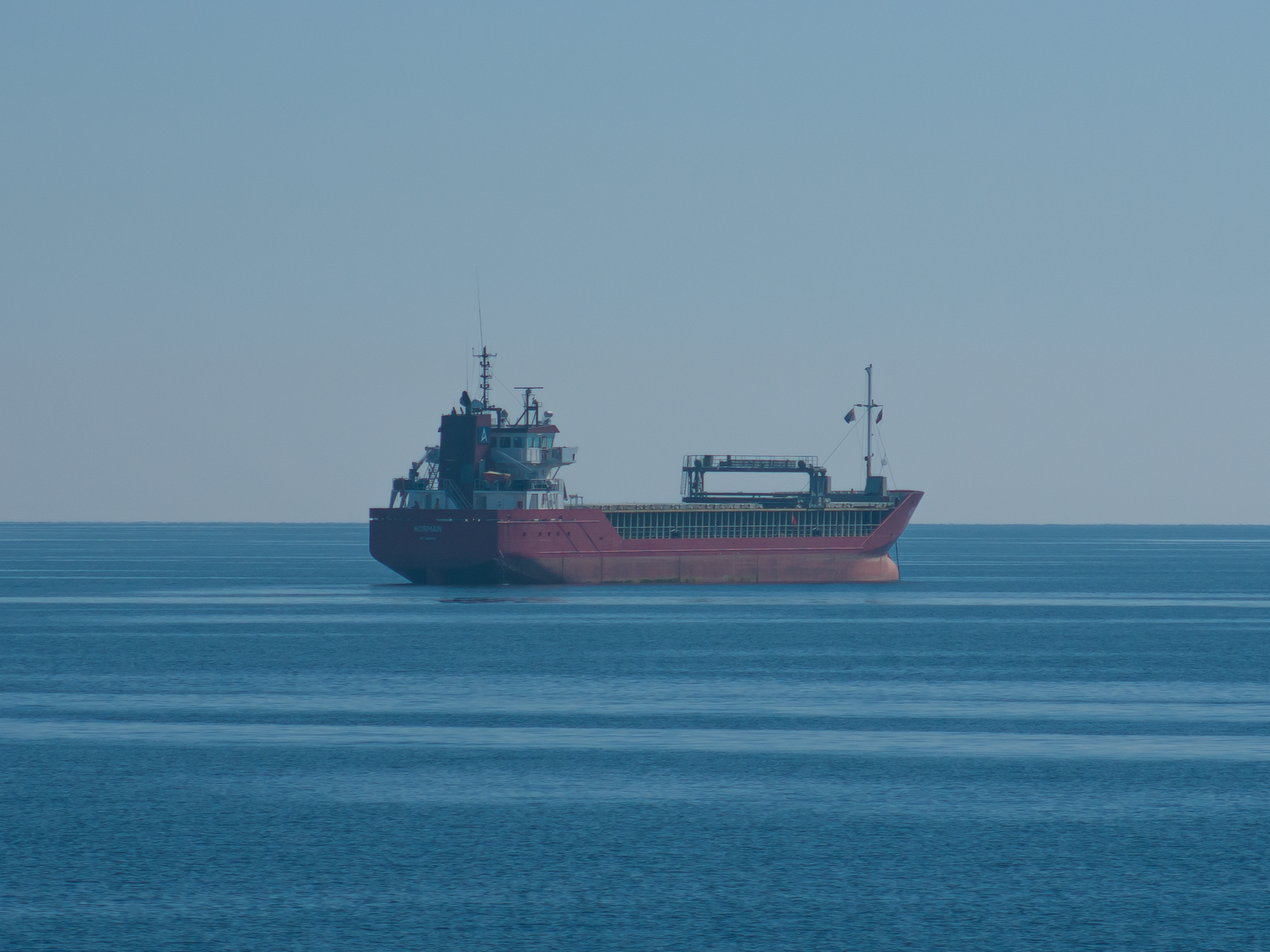
Houthi Attack Kills 6 in Red Sea; U.S. Strikes Cargo Ship
On August 10, 2026, Houthi rebels killed six people aboard the Egyptian-owned cargo ship Tihamah in the Bab el-Mandeb Strait, marking the first fatalities from attacks on Red Sea shipping in over a year. U.S. forces responded by launching missiles at the Panama-flagged Vela Nova after it reportedly attempted to breach a naval blockade of Iranian ports. Yemen's transport ministry stated that the casualties included four crew members, three of whom were Pakistani nationals. This incident underscores increasing tensions in critical shipping lanes that may impact global trade and security for investors.
Read More: Houthi Attack Kills 6 in Red Sea; U.S. Strikes Cargo Ship
Oil Prices Rise Above $83 as Iran Closes Strait of Hormuz
U.S. West Texas Intermediate futures rose 1.4% to $83.27 per barrel, while Brent crude increased 1.3% to $88.85 per barrel. An Iranian official indicated that the Strait of Hormuz will remain closed until certain U.S. conditions are fulfilled. This situation coincides with reports that U.S. crude oil stockpiles are at their lowest in over 40 years. For ordinary investors, this rising oil price may impact energy sector stocks and related investments.
Read More: Oil Prices Rise Above $83 as Iran Closes Strait of Hormuz
FTSE 100 Today: Stocks Slip Amid Mideast Tensions and Iran Blockade
The FTSE 100 index experienced a decline today, reflecting investor concerns amid ongoing tensions in the Middle East and an Iran blockade. As geopolitical instability continues, stocks across the board have shown weakness. The implications of these tensions could lead to volatility in energy prices, affecting markets and investor sentiment. This matters for ordinary investors as it highlights potential risks in their portfolios tied to geopolitical factors.
Read More: FTSE 100 Today: Stocks Slip Amid Mideast Tensions and Iran Blockade
S&P 500 Futures Flat Amid Iran Uncertainty and Inflation Insights
S&P 500 futures are currently little changed as investors monitor the potential reopening of the Strait of Hormuz and await inflation data. Uncertainties surrounding Iran continue to influence market sentiment. Despite these factors, traders are preparing for upcoming economic indicators that may affect market volatility. This is relevant for investors as market reactions to inflation data may impact asset prices and investment strategies.
Read More: S&P 500 Futures Flat Amid Iran Uncertainty and Inflation Insights
Iran Links Hormuz Reopening to US Concessions on Key Demands
Iran has indicated that it will reopen the Strait of Hormuz contingent upon the US meeting several demands. The specific demands and timeline for the reopening have not been disclosed. The Strait of Hormuz is a critical waterway for global oil shipments, with an estimated 20% of the world’s oil passing through it. This situation could impact oil prices and market sentiment as investors monitor developments in US-Iran relations closely.
Read More: Iran Links Hormuz Reopening to US Concessions on Key Demands
Negotiators Reach Key Iran Deal on Hormuz Strait Opening Soon
Negotiators are approaching an agreement with Iran to reopen the Hormuz Strait, a major channel for oil transportation. Successfully opening this route could have important implications for global oil supply and prices. Investors should note that the Strait of Hormuz is vital for shipping about 20% of the world's crude oil. This development is significant as it may impact oil markets and prices, which could affect energy stocks.
Read More: Negotiators Reach Key Iran Deal on Hormuz Strait Opening Soon
Iran's New Strait Demands Impact Shipping in UAE Region
Iran has issued new demands regarding the Strait of Hormuz, a crucial shipping route in the region. The United Arab Emirates (UAE) reported that a vessel was targeted, emphasizing the ongoing tensions affecting maritime security. These developments arise amid broader geopolitical tensions, which could impact the shipping industry and oil prices. Investors should monitor these situations as they have the potential to disrupt trade routes and affect market dynamics.
Read More: Iran's New Strait Demands Impact Shipping in UAE Region
Iran Strait of Hormuz Deal Close but Not Enough for Access
Iran announced that a deal regarding the Strait of Hormuz is close but indicated that it is insufficient to open the waterway at this time. The Strait of Hormuz is a critical route for global oil shipments, impacting international oil supply and prices. An agreement could affect trading volumes in oil markets if access were to improve. Investors should be aware that ongoing negotiations could influence oil prices in the future.
Read More: Iran Strait of Hormuz Deal Close but Not Enough for Access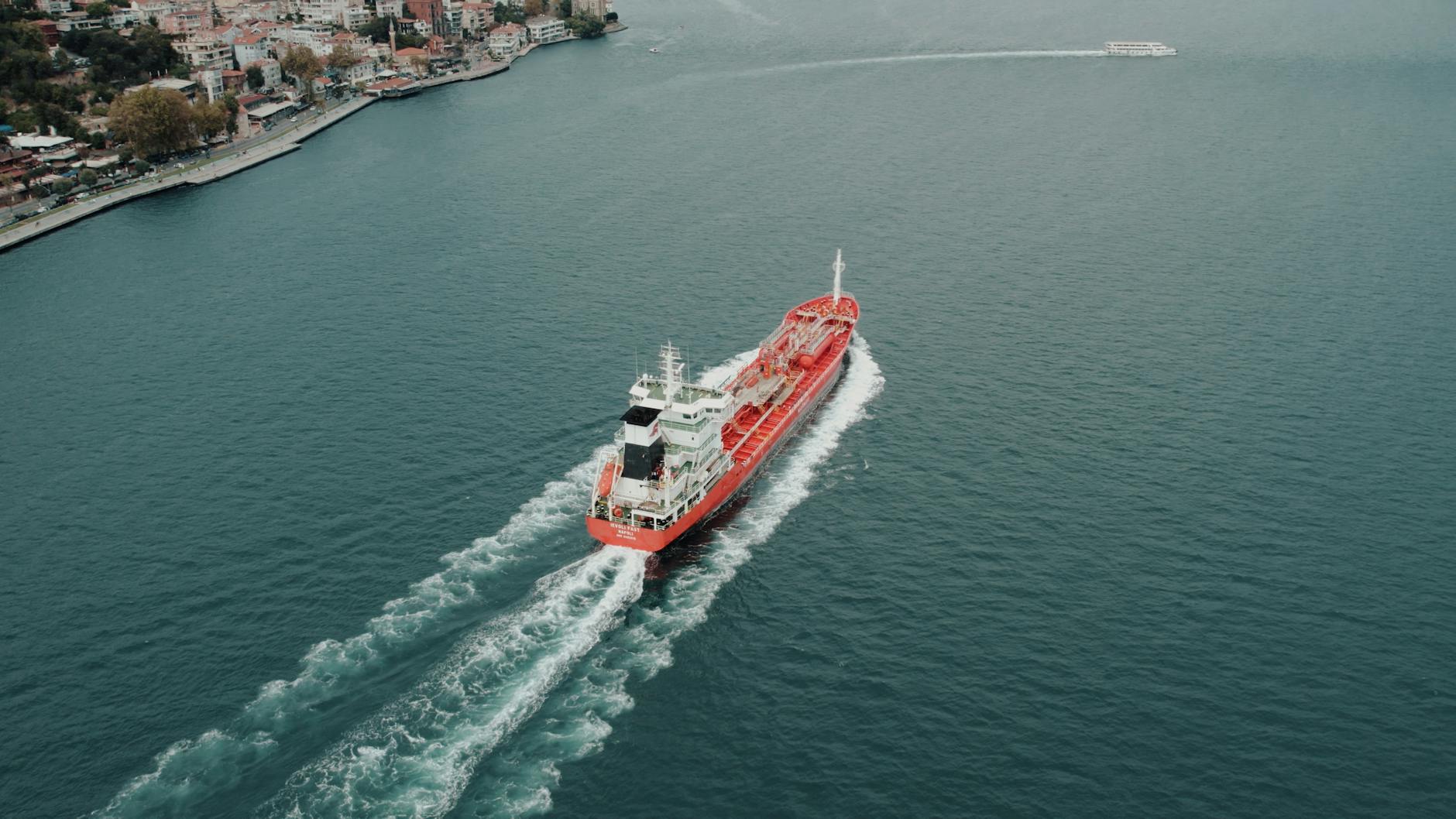
Oil Prices Rise Amid Iran Strikes in Strait of Hormuz
Oil prices have extended gains following Iran's strikes on targets in the Strait of Hormuz. This strategic waterway is crucial for global oil supply, and these actions have raised concerns about potential disruptions. Specifically, tensions in the region could lead to increased volatility in oil prices, impacting market stability. For investors, this development highlights the importance of geopolitical events on commodity prices, particularly oil, which is already sensitive to supply dynamics.
Read More: Oil Prices Rise Amid Iran Strikes in Strait of Hormuz
U.S. Iran Deal Nears with Commitments on Strait of Hormuz
Iran stated the U.S. is ready to 'return to commitments,' following remarks from President Donald Trump about a potential deal. The interim understanding from June 17 involves the transit of commercial vessels through the Strait of Hormuz for 60 days without charge, in exchange for the lifting of the U.S. naval blockade on Iranian ships. Iran's Deputy Foreign Minister Kazem Gharibadadi emphasized that no negotiations with the U.S. are currently happening. The market impact could relate to oil prices and shipping stability in the region, important for investors monitoring geopolitical risks.
Read More: U.S. Iran Deal Nears with Commitments on Strait of Hormuz
Iran-Oman Shipping Deal Nears Finalization Amid Strait of Hormuz Tensions
Iran has reportedly reached an agreement with Oman regarding a shipping route through the Strait of Hormuz, which is crucial for global oil transport. This deal is in the final stages, but Iran's foreign ministry spokesman Esmaeil Baqaei noted that it won't ensure safe navigation due to ongoing US blockades. Traffic through the strait has decreased significantly since conflict escalated, impacting around 20% of the world's oil and liquefied natural gas shipments. The outcome of this agreement is essential as it may influence global energy prices and shipping security, affecting investors and markets.
Read More: Iran-Oman Shipping Deal Nears Finalization Amid Strait of Hormuz Tensions
U.S. Military Declares Strait of Hormuz Open Amid Iran Deal Talks
The U.S. military confirmed that the Strait of Hormuz is open for commercial vessels, following comments from Treasury Secretary Scott Bessent about nearing a deal with Iran. Central Command stated they have assisted over 1,000 vessels in the area despite Iranian aggression. Oil prices reacted to these developments, with Brent climbing 0.43% to $79.70 and West Texas Intermediate rising 0.21% to $75.95 after sharp declines previously. This is significant for investors as stability in the Strait of Hormuz is critical for global oil supply and pricing.
Read More: U.S. Military Declares Strait of Hormuz Open Amid Iran Deal Talks
Trump Iran Talks Expected to Start Monday
Former President Donald Trump has stated that talks regarding Iran will commence on Monday. This development is significant as it may influence geopolitical dynamics in the Middle East, potentially affecting oil prices and global markets. The specific impacts on trading volumes or rates were not mentioned. Therefore, investors should monitor how such diplomatic efforts may impact market conditions.
Read More: Trump Iran Talks Expected to Start Monday
Trump Announces Iran Negotiations to Resume Monday Amid Oil Drop
U.S. President Donald Trump stated that negotiations with Iran will start on Monday after he canceled planned strikes on the country. Oil prices reacted to this potential diplomatic resolution, with Brent crude falling 4.6% to around $83.96 a barrel and U.S. crude down about 4.7% to $80.6. Trump indicated a deal involving the Hormuz Strait and Iran's denuclearization could be imminent. For ordinary investors, developments like this could impact energy markets and oil prices significantly as tensions in the region fluctuate.
Read More: Trump Announces Iran Negotiations to Resume Monday Amid Oil Drop
Oil Price Decline and US Futures Rise Amid Iran Talks
Oil prices have experienced a decline, while US futures have risen on optimism surrounding talks with Iran. This shift indicates potential market volatility as traders respond to geopolitical developments. The impact on oil prices may affect various sectors, particularly energy-related stocks. For investors, monitoring oil price trends is important due to its influence on inflation and broader market performance.
Read More: Oil Price Decline and US Futures Rise Amid Iran Talks
Trump cancels planned Iran attack amid deal discussions
President Donald Trump announced the cancellation of a planned attack on Iran after Tehran made a request and agreed on certain deal terms. Key points include the proposed reopening of the Strait of Hormuz and addressing Iran's nuclear threats. Reports indicated that the U.S. was readying for strikes against Iran, coinciding with rising energy prices and embassy warnings for Americans in the Middle East. This cancellation may impact regional tensions and energy markets as the situation evolves.
Read More: Trump cancels planned Iran attack amid deal discussions
Saudi Crown Prince Urges Trump on Iran War Escalation
The Saudi crown prince has advised US President Donald Trump against escalating the Iran conflict as discussions of new military strikes are underway. This interaction indicates a critical diplomatic stance amid rising tensions in the region. No specific numbers or dates were provided in relation to military actions or economic impacts. The situation may influence market perceptions regarding oil prices and geopolitical stability, which could affect investor sentiment.
Read More: Saudi Crown Prince Urges Trump on Iran War Escalation
U.S. Struggles to Protect Kuwait From Iran - A Complex Situation
The U.S. has historically played a key role in Kuwait's security, having liberated it, but now faces challenges in protecting it from Iranian influence. The complexities of regional tensions have increased concerns for U.S. policy and its implications for Middle Eastern stability. As this situation develops, it may affect global perceptions of U.S. commitment in the region. Investors should monitor these geopolitical events, as they could impact oil prices and market stability.
Read More: U.S. Struggles to Protect Kuwait From Iran - A Complex Situation
Fertilizer Trade Impact Amid Iran War and China Risk
The ongoing Iran war has influenced investor behavior in fertilizer stocks, though the article highlights a significant risk associated with China. While specific data points are not provided, the article suggests multiple trades in the fertilizer market are affected, emphasizing mixed dynamics. The geopolitical context can lead to volatility in the fertilizer sector, potentially impacting stock prices. This information is vital for investors looking to navigate the associated risks in these markets.
Read More: Fertilizer Trade Impact Amid Iran War and China Risk
Iran Threatens Shipping Routes Amid Tanker Attack Reports
A tanker near Oman reported being struck by an unknown projectile, causing damage to its engine room, with no casualties or environmental impact reported. This follows threats from Iran against U.S. military actions that could result in the closure of key shipping routes like the Strait of Hormuz, through which about 20% of the world's oil supplies pass. A temporary ceasefire established on June 17 has effectively broken down, coinciding with increased military actions from both the U.S. and Iran. This escalation is crucial for ordinary investors as disruptions in oil shipping could affect global oil prices and market stability.
Read More: Iran Threatens Shipping Routes Amid Tanker Attack Reports
Iran's Power Structure Complicates Ceasefire Negotiations Amid Conflict
Since the Iran war began on February 28, five months of conflict have highlighted the challenges in achieving a ceasefire. A memorandum of understanding from June 17 initiated a 60-day negotiation period but deteriorated quickly due to Iranian attacks on shipping. U.S. military actions resumed, including 13 consecutive nights of strikes until a pause on July 24, with fighting resuming afterward. Iran has targeted U.S. assets in Kuwait and Bahrain, complicating negotiations as various power centers within the Iranian regime influence decisions, impacting potential economic relief for its population of over 90 million. Ordinary investors should monitor developments in the region for potential impacts on oil prices and trade routes.
Read More: Iran's Power Structure Complicates Ceasefire Negotiations Amid Conflict
Houthis Deny Red Sea Fee Plan Amid Trump Iran Strike Discussions
The Houthis have announced that they will not implement a fee for shipping through the Red Sea, rejecting a plan that would have impacted trade routes. This announcement comes as discussions regarding potential military strikes against Iran are underway, attributed to remarks made by former President Donald Trump. The situation is closely monitored, as disturbances in the Red Sea could influence global shipping and oil markets. For investors in related sectors, this event may have implications for shipping costs and oil prices due to the strategic importance of the area.
Read More: Houthis Deny Red Sea Fee Plan Amid Trump Iran Strike Discussions
Iran War Leads to Price Increases on Beer, Paint, Fries
The ongoing Iran War has prompted various companies to raise prices, affecting products such as beer, paint, and fries. This price increase is a response to escalating costs of inputs, particularly those related to fossil fuels. The article highlights how these changes are contributing to inflationary pressures in markets. These price adjustments may impact consumer spending and market stability, making it crucial for investors to monitor inflation trends and cost increases in various sectors.
Read More: Iran War Leads to Price Increases on Beer, Paint, Fries
Iran’s Missile Threat to U.S. Troops Grows Increasingly Dangerous
Iran's missile capabilities are reportedly becoming more advanced, specifically affecting U.S. troop safety in the region. The increasing sophistication of these missiles poses strategic concerns for U.S. military operations, suggesting potential implications for foreign policy and defense budgets. Heightened tensions could lead to increased defense spending or shifts in military strategy. Given these developments, investors in defense contractors may need to assess the impact on industry dynamics and stock performance.
Read More: Iran’s Missile Threat to U.S. Troops Grows Increasingly Dangerous
Iran Attacks U.S. Assets in Kuwait and Bahrain Amid Ongoing Conflict
Iran's army announced attacks on U.S. assets in Kuwait and Bahrain, targeting military facilities like aircraft shelters and communication systems. This follows a series of U.S. strikes against Iran’s Islamic Revolutionary Guard Corps (IRGC). Oil prices were affected, with Brent crude futures trading down nearly 2% at $87.30 per barrel and U.S. West Texas Intermediate futures down 2.3% at $81.71. The evolving conflict has implications for energy security and market stability, particularly in the Strait of Hormuz, vital for global oil flows.
Read More: Iran Attacks U.S. Assets in Kuwait and Bahrain Amid Ongoing Conflict
Trump Proposes Tariffs on Iran Amid $1.4M Trade Challenge
President Donald Trump is advocating for Congress to add tariffs on Iran to a sanctions bill aimed at both Russia and Iran, despite the U.S. importing only $1.4 million worth of goods from Iran in 2025. This amount is primarily composed of works of art, antiques, and collectibles, making up 55% of the imports. The proposed tariffs may hinder the bipartisan support the sanctions bill currently enjoys. The significance for investors lies in the potential disruption of the sanctions bill's passage, which could impact geopolitical stability and market reactions to U.S.-Iran relations.
Read More: Trump Proposes Tariffs on Iran Amid $1.4M Trade Challenge
U.S. Strikes Iran Following Missile Attacks, Oil Prices Rise 7.9%
On July 29, 2026, U.S. forces conducted a substantial retaliatory strike against Iran at 10 p.m. following Iranian missile attacks on American forces. The operation targeted multiple Iranian military sites, including missile and drone facilities. Following an earlier missile attack that was intercepted by Jordan's air defenses, the tensions have escalated. As a result, Brent crude oil prices climbed 7.9% to $90.74 and U.S. West Texas Intermediate futures rose 6.6% to $84.46, affecting oil markets significantly. This conflict may impact energy prices, which is crucial for investors in the oil sector.
Read More: U.S. Strikes Iran Following Missile Attacks, Oil Prices Rise 7.9%
US Launches Strikes on Iranian Targets After Foiling Missile Attack
The United States conducted strikes on Iranian targets following the foiling of a missile attack on American forces. This military action marks a response to heightened tensions in the region and the protection of U.S. personnel. Such developments can influence market stability and investor sentiment regarding geopolitical risk. Investors will be attentive to how these actions may affect oil prices and overall market dynamics.
Read More: US Launches Strikes on Iranian Targets After Foiling Missile Attack
Iran Missile Attack on U.S. Forces Raises Tensions in Middle East
Iran launched a ballistic missile attack on U.S. forces late Tuesday, according to U.S. Central Command, but all missiles were intercepted. This escalation follows a two-day halt in hostilities and brings renewed tensions after multiple drone attacks attributed to Iran-aligned forces in the region. At least 20 members of the Iran-backed Iraqi Mobilization Forces were reported killed and 32 wounded due to U.S. and Saudi strikes in retaliation. This incident is significant for markets as tensions in the Middle East often lead to fluctuations in oil prices.
Read More: Iran Missile Attack on U.S. Forces Raises Tensions in Middle East
Ukraine's Zelenskyy Meets Trump Amid Ongoing Conflicts and Sanctions
Ukrainian President Volodymyr Zelenskyy met with U.S. President Donald Trump on July 28, 2026, to bolster support for Ukraine amid escalating conflicts with Iran and Russia. Trump has paused airstrikes against Iran to pursue diplomatic efforts, while Zelenskyy aims to improve ties after a previous contentious meeting. Concurrently, the Senate is set to vote on legislation targeting Russia and its allies, which would impose tariffs on goods from significant buyers of Russian energy, including China and India. This meeting matters for investors as political decisions regarding sanctions could impact global markets and energy prices.
Read More: Ukraine's Zelenskyy Meets Trump Amid Ongoing Conflicts and Sanctions
Iran Denies 10-Day Ceasefire Amid US Military Actions
Iran has denied reports of a 10-day ceasefire despite a temporary halt in hostilities with the U.S., which ceased strikes on July 22, 2026. Negotiations are currently ongoing with Oman regarding the Strait of Hormuz, vital for global oil supply, while direct talks with the U.S. are not taking place. Meanwhile, oil prices dropped by over 7% following the ceasefire announcement, reflecting investor optimism despite underlying tensions. This pause is significant as it highlights the potential for improved conditions that can affect oil markets and global supply chains.
Read More: Iran Denies 10-Day Ceasefire Amid US Military Actions
Ukraine Strikes Iranian Vessels; One Sailor Dead in Caspian Sea
Iran summoned a Ukrainian diplomat to express protest over an attack on an Iranian commercial vessel in the Caspian Sea, which resulted in one sailor's death and several injuries. Iran's foreign ministry described the incident as a 'hostile and criminal act.' Ukrainian President Volodymyr Zelenskyy noted that his forces achieved significant results with long-range strikes in the region, including attacks on vessels used for military cargo shipments. This incident highlights the expanding conflict dynamics in the Middle East and could impact regional stability for investors.
Read More: Ukraine Strikes Iranian Vessels; One Sailor Dead in Caspian Sea
Saudi Strikes Houthi Targets After Attack on Oil Tankers
On July 20, 2026, Saudi Arabia's coalition forces targeted Houthi militia in Yemen following an attack on two Saudi oil tankers in the Red Sea. The Saudi-led Coalition's spokesperson Major General Turki Al-Malki stated the strikes focused on military targets threatening commercial vessels. Concurrently, the U.S. indicated it would hold Iran responsible for Houthi actions. This conflict may impact oil export routes and regional stability, which could influence global oil prices for investors.
Read More: Saudi Strikes Houthi Targets After Attack on Oil Tankers
Pentagon Lowers Iran War Death Toll to 14 Amid Controversy
The Pentagon reduced its official death toll for the Iran war from 18 to 14 after the removal of four service members' deaths from the count. This adjustment follows reports of discrepancies regarding U.S. military casualties, and seven of the confirmed 14 deaths are classified as 'hostile.' Three military officials indicated that the removed deaths occurred after a declared ceasefire. This change raises questions about the administration’s transparency on military casualties and strategy. Clarity on casualty data matters for investors observing geopolitical stability and military-related stocks.
Read More: Pentagon Lowers Iran War Death Toll to 14 Amid Controversy
Houthis Strike Two Saudi Oil Tankers Amid Escalating Conflict
The Houthi movement has claimed responsibility for attacks on two Saudi Arabian oil tankers, Encelia and Layla, using drones and missiles, alleging violations of their maritime blockade. The Saudi Press Agency confirmed that the Encelia was targeted while transiting the Red Sea, resulting in a fire on board but no reported casualties among the crew. The U.S. Central Command stated it has completed multiple strikes on Iranian military targets, impacting Iran's capabilities to attack maritime vessels. This conflict raises concerns for markets as oil prices are reportedly up 3.1%, reaching $97.06 per barrel, affecting global oil supply and prices for investors.
Read More: Houthis Strike Two Saudi Oil Tankers Amid Escalating Conflict
Trump Threatens Action Against Pickaxe Mountain Nuclear Facility
President Donald Trump announced intentions to target Pickaxe Mountain, an underground Iranian nuclear facility near Natanz, suggesting military action could occur soon. This marks an escalation in tensions, with U.S. Central Command having conducted airstrikes on Iranian targets for 11 consecutive nights, ongoing since June 17. The strike aims to disrupt Iran's control over commercial shipping in the Strait of Hormuz, a critical oil transit route. This situation may influence oil markets and investor confidence due to the potential for wider conflict in the region.
Read More: Trump Threatens Action Against Pickaxe Mountain Nuclear Facility
FTSE 100 Declines Amid Hormuz Attacks Impacting Markets
Today, the FTSE 100 index saw a decline as attacks in the Hormuz Strait raised concerns over the stability of the Iran ceasefire. The index's shift highlights investor anxiety regarding geopolitical tensions that could impact global markets. These developments underscore the significance of region-specific issues on stock performance. As geopolitical uncertainties mount, traders may anticipate fluctuations in trading volumes and investor sentiment on the FTSE 100. This matters for ordinary investors as geopolitical instabilities can lead to increased market volatility and influence stock prices.
Read More: FTSE 100 Declines Amid Hormuz Attacks Impacting Markets
Asian Nations Face High LNG Costs Amid Iran War
The ongoing conflict in Iran is leading Asian nations to resort to purchasing liquefied natural gas (LNG) at elevated prices due to supply constraints. This situation arises as these countries struggle financially and need to secure energy resources. The heightened demand for LNG amid geopolitical tensions has significant implications for energy markets, potentially driving prices higher. For investors, these developments underscore the importance of monitoring the energy sector as geopolitical factors can influence global prices and supply chain dynamics.
Read More: Asian Nations Face High LNG Costs Amid Iran War
Strait of Hormuz Vessel Traffic Drops 66% Amid Rising Tensions
Vessel crossings through the Strait of Hormuz fell sharply since U.S. President Donald Trump's blockade took effect last week. Lloyd's List Intelligence recorded only 53 vessel transits in the week through July 20, down 66% from 157 the prior week. Tanker and gas carrier movements decreased to 30 from 90, highlighting the impact of renewed U.S. strikes and Iran's maritime traffic ban. This situation significantly affects global oil supply, as the Strait carries roughly a fifth of global oil consumption. This drop in traffic could lead to higher oil prices due to supply constraints for ordinary investors.
Read More: Strait of Hormuz Vessel Traffic Drops 66% Amid Rising Tensions
US Bombing of Iran Expands Amid Troop Casualties and Retaliation
The US has expanded its bombing operations in Iran following the death of American troops. In response, Tehran has retaliated against Gulf states. This escalation may affect regional stability and has implications for oil markets. Investors should be aware of potential volatility as geopolitical tensions rise.
Read More: US Bombing of Iran Expands Amid Troop Casualties and Retaliation
Brent Crude Hits $90 as U.S.-Iran Tensions Affect Oil Supply
Brent crude rose about 2.77% to over $90 per barrel, while U.S. West Texas Intermediate increased approximately 2.4% to $84.49. The escalation in U.S.-Iran conflict, including military strikes and casualties, has raised concerns about energy shipment disruptions through the Strait of Hormuz. U.S. Central Command confirmed ongoing strikes aimed at degrading Iranian military capabilities affecting oil transit security. These developments have contributed to fears of tight global crude markets, prompting analysts to suggest that oil inventories may become constrained by September. This matters for investors as rising oil prices can impact energy stocks and overall market sentiment.
Read More: Brent Crude Hits $90 as U.S.-Iran Tensions Affect Oil Supply
Oil Prices Rise 2.5% as U.S. Strikes Iran for Ninth Night
The U.S. Central Command completed its ninth consecutive night of strikes against Iran, targeting military command centers and missile launch sites. This escalation comes amid rising tensions as American casualties increase, with 17 U.S. personnel reported killed so far. Brent crude futures climbed about 3% to $90.7 per barrel, while U.S. WTI futures rose 2.5% to $84.6. The ongoing conflict and its impact on oil traffic through the Strait of Hormuz, where 20% of the world's oil traffic previously passed, could influence market stability and prices significantly.
Read More: Oil Prices Rise 2.5% as U.S. Strikes Iran for Ninth Night
U.S. Airstrikes Target Iranian Forces After Attacks on Service Members
The U.S. conducted airstrikes against Iranian targets following attacks that killed two American service members in Jordan. U.S. Central Command stated it had executed eight consecutive nights of strikes against various Iranian military facilities. Additionally, U.S. President Donald Trump ordered military action to degrade Iran's capabilities in threatening shipping in the Strait of Hormuz. Tensions have escalated with Iran announcing its suspension of commitments under the memorandum of understanding with the U.S., which affects regional stability and oil shipment security.
Read More: U.S. Airstrikes Target Iranian Forces After Attacks on Service Members
U.S. service members killed, Iran suspends peace agreement commitments
Iran's Supreme Leader Ayatollah Mojtaba Khamenei announced that the country has 'unforgettable lessons in store' for the U.S. after American forces concluded a seventh night of strikes against Iran. The U.S. military reported two service members killed in Jordan and another missing in action, bringing total confirmed deaths to 16 since February 28. Iran also announced the suspension of its commitments to the Islamabad Memorandum of Understanding with the U.S., citing violations by the U.S. This escalation in military conflict could have significant implications for markets, particularly regarding oil prices and geopolitical risk for investors.
Read More: U.S. service members killed, Iran suspends peace agreement commitments
Iran Resumes Attacks on Gulf States Amid US Military Strikes
Iran has renewed its attacks on Gulf states following a night of US military strikes. The recent tension in the region highlights escalating hostilities following the US's response to Iran's activities. This increase in military engagements could impact oil supply routes and market stability in the region, leading to fluctuations in oil prices. Investors should monitor these developments closely as geopolitical tensions can significantly affect oil markets and overall economic conditions.
Read More: Iran Resumes Attacks on Gulf States Amid US Military Strikes
Iran Strikes Saudi Arabia, Escalating Tensions in Strait of Hormuz
Iran recently conducted a strike against Saudi Arabia, marking the first such incident in months. This escalation comes at a time when both nations are attempting to reopen the critical Strait of Hormuz for commercial shipping. The recent military actions could disrupt oil supply routes, impacting global oil prices and trade. This matters for ordinary investors as tensions in the region may lead to increased volatility in oil markets and related stocks.
Read More: Iran Strikes Saudi Arabia, Escalating Tensions in Strait of Hormuz
Iran Expands Attacks Amid U.S. Strikes; 50,000 Troops Deployed
Iran intensified its military actions by targeting U.S. forces in Syria and Bahrain while the U.S. completed its sixth consecutive night of strikes on Iranian military sites. U.S. Central Command reported over 50,000 service members are active across the Middle East. Iran claims that recent U.S. air strikes resulted in eight fatalities and twenty injuries, impacting civilian infrastructure. This situation is critical for investors as escalating tensions could influence regional stability and oil prices.
Read More: Iran Expands Attacks Amid U.S. Strikes; 50,000 Troops Deployed
Iraq Oil Production Drops Over 50% Amid Iran Pipeline Threats
Iraq's crude oil production fell to 1.9 million barrels per day in June, down over 50% from 4.2 million bpd in February as Iran's attacks disrupt exports. U.S. support is helping rebuild a pipeline from Kirkuk to the Mediterranean Sea, while the UAE plans to double its export capacity with a second pipeline to Fujairah. Analysts from Goldman Sachs reported that pipeline capacity in the region could exceed 14 million bpd by the end of 2028. This information highlights the ongoing vulnerabilities in Middle Eastern oil infrastructure, which could affect global oil supply chains for investors.
Read More: Iraq Oil Production Drops Over 50% Amid Iran Pipeline Threats