AsiaMarkets News & Analysis
17 articles
Market Mood

Alphabet (GOOG) and Samsung Results Disappoint; Asia Tech Stocks Mixed
Asian stock markets showed mixed performance following quarterly earnings reports from major tech companies Alphabet (GOOG) and Samsung. Both companies reported results below market expectations, leading to cautious trading across the tech sector in the region. Alphabet's results were described as disappointing, although specific financial figures were not detailed in the article. Samsung's earnings also underperformed relative to investor forecasts. Several other major technology companies in Asia are scheduled to report earnings soon, adding to market uncertainty. This blend of results and upcoming technology sector earnings influences market sentiment and trading strategies in Asia. The mixed outcomes from Alphabet and Samsung underscore the tech sector's volatility and its significant role in regional market movements. Investors may watch upcoming earnings closely to assess sector health and potential impacts on stock prices.
Read More: Alphabet (GOOG) and Samsung Results Disappoint; Asia Tech Stocks Mixed
Asia Stocks Drop Amid AI Sell-Off and Japan CPI Surge Impact
Asian stock markets declined due to a sell-off in artificial intelligence (AI) related shares, particularly affecting South Korean stocks. The AI sector rout contributed to widespread market losses in the region. In Japan, stronger-than-expected Consumer Price Index (CPI) data increased worries about inflation, which added to market nervousness and weighed on Japanese shares. The combined pressure from AI sector weakness and inflation concerns led to declines across key Asian equity markets. This matters because AI stocks often drive technology market performance, while CPI data influences expectations about interest rate policies. The current combination of AI-related losses and inflation pressures is impacting market sentiment and may affect investment flows in Asia and globally.
Read More: Asia Stocks Drop Amid AI Sell-Off and Japan CPI Surge Impact
AI Selloff Hits Hedge Funds, Asia Managers Lead Losses
This week, hedge funds experienced significant losses due to a selloff in artificial intelligence-related stocks. Asian hedge funds were particularly affected, leading the downturn among global investors. The selloff reflects broader market concerns about AI valuations and potential overexposure in portfolios. The impact was most pronounced in Asia, where managers are more heavily invested in AI companies. This development highlights the volatility in AI investments and the potential risks of heavy concentration in a single sector. Investors in hedge funds should be aware of these risks, as they could influence fund performance and returns.
Read More: AI Selloff Hits Hedge Funds, Asia Managers Lead Losses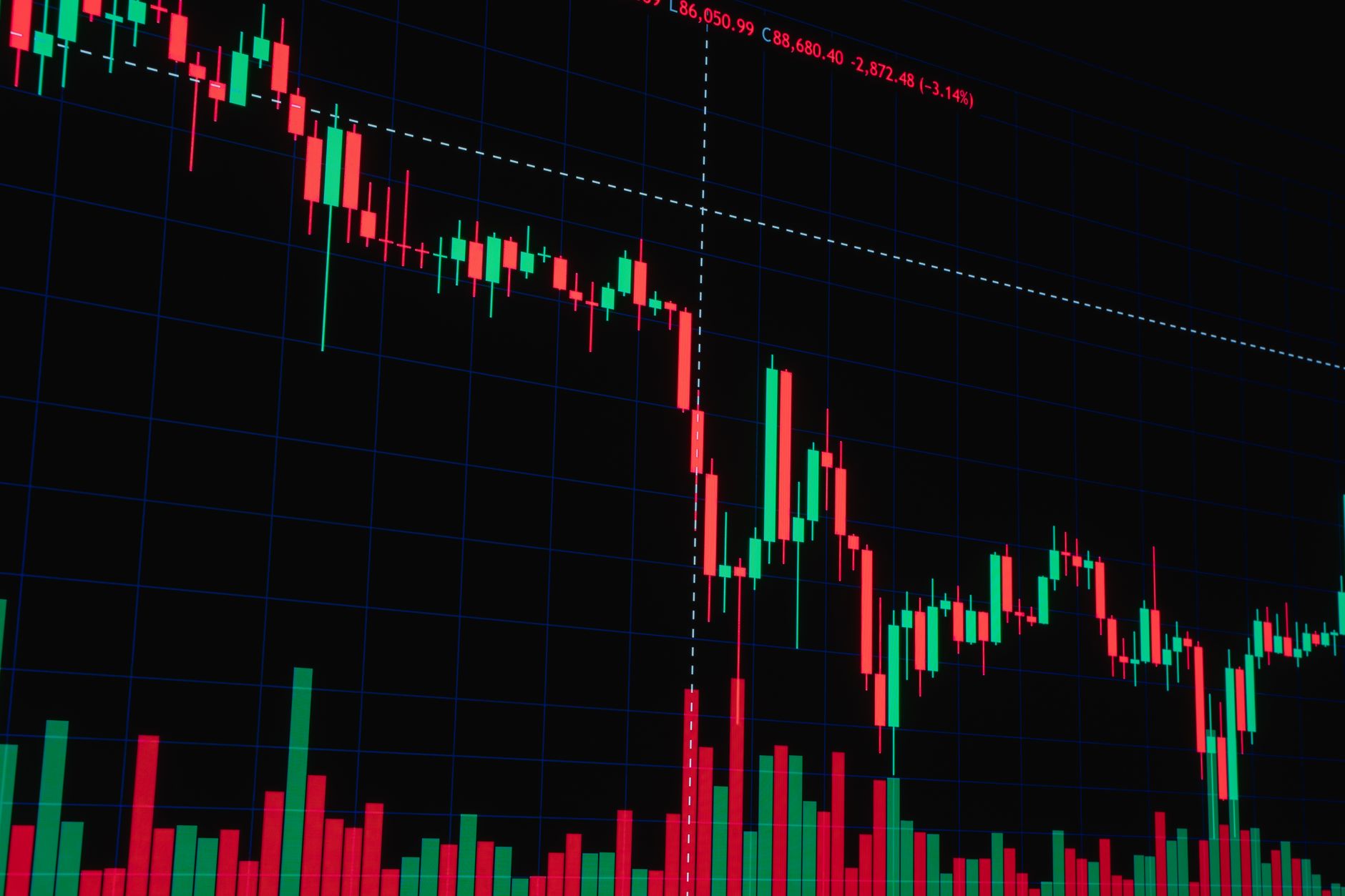
Asia Stocks Mixed Amid Oil Price Drop and Earnings Season
Asian stocks presented a mixed performance recently, correlating with a decline in oil prices and the progression of the earnings season. Key markets experienced varied results, underscoring regional differences in economic activity and investor sentiment. Major companies are reporting their earnings, contributing to volatile movements in stock prices. Additionally, fluctuations in oil prices have influenced sector-specific performances across different industries in Asia. Oil prices have recently fallen, influencing market activities and spotlighting the role of commodity prices in shaping investor expectations. As earnings season continues, investors are closely examining results to gauge company health and future prospects. The interplay between these elements continues to create dynamics that affect asset prices in the short term. For ordinary investors, understanding the implications of earnings reports and oil price changes is crucial, as they can indicate potential shifts in market conditions and help inform investment strategies.
Read More: Asia Stocks Mixed Amid Oil Price Drop and Earnings Season
Asia Markets Fluctuate as Higher Yields Offset Wall Street Gains
Asia stock markets experienced volatility due to rising yields impacting the gains led by Wall Street. Investors showed caution as the higher yields, which make bonds more attractive and may imply tighter financial conditions, weighed on stock prices in the region. The movement in yields followed recent gains in Wall Street indicating a possible shift in investor sentiment. These factors contributed to mixed trading sessions across major Asian markets.
Read More: Asia Markets Fluctuate as Higher Yields Offset Wall Street Gains
Saudi Arabia Reduces Oil Price to Asia to Six-Year Low
Saudi Arabia has reduced the price of its flagship crude oil, Arab Light, to Asian markets. The new price is the lowest in six years. This move comes amid a market environment influenced by global demand dynamics and competitive pricing strategies from other oil-producing nations. The discount is said to reflect Riyadh's aim to maintain its market share in a competitive region primarily driven by recovering economies post-pandemic. The move by Saudi Arabia, the world's largest oil exporter, highlights the kingdom's efforts to remain competitive amidst a volatile oil market. Historically, changes in Saudi pricing strategies are closely watched by market participants, as they can signal shifts in global supply dynamics, especially in Asia, where demand is rebounding. For investors and stakeholders, understanding Saudi Arabia's pricing decisions is crucial as it affects global oil prices and potentially influences energy stocks. This latest pricing strategy might impact oil companies with a significant presence in Asia or those directly influenced by Arabic suppliers.
Read More: Saudi Arabia Reduces Oil Price to Asia to Six-Year Low
Stocks Gain in Asia as Oil Prices Remain Flat
Asian stock markets saw gains amid new proposals concerning Gulf oil supplies. Specific indices or figures are not detailed, but reports indicate a stabilizing trend. Oil prices remained relatively unchanged, providing a mixed picture for commodities. The developments are significant as they may influence investor sentiment and trading volumes in both equity and oil markets.
Read More: Stocks Gain in Asia as Oil Prices Remain Flat
Nikkei and KOSPI Reach Record Highs Tracking Wall St Gains
The Nikkei 225 index has reached an all-time high of 33,223.94, while the KOSPI index has similarly hit a peak of 2,300.05. This surge comes as the U.S. markets continue to perform strongly, prompting investor optimism. Both indices reflect an upward trend attributed to favorable economic indicators and positive earnings reports. Stability in Asian markets may have a significant impact on global trading dynamics going forward.
Read More: Nikkei and KOSPI Reach Record Highs Tracking Wall St Gains
Brent Crude Oil Set for Record Monthly Rise Amidst Asian Stock Declines
Asian stock markets experienced declines, with data indicating a significant downturn. The Brent crude oil price is on track for a record monthly rise, marking a notable increase due to supply concerns and geopolitical factors. This development could impact energy stocks and inflation rates. Specific trading volumes or percentage declines in the Asian market were not provided but are significant market indicators.
Read More: Brent Crude Oil Set for Record Monthly Rise Amidst Asian Stock Declines
Asian Markets Decline as Brent Crude Nears Record Monthly Rise Amid Conflict
Asian stock markets declined as investors reacted to the ongoing conflict in Iran, marking a heightened level of uncertainty one month into the war. Brent crude oil prices are reported to be on track for a record monthly increase. This situation has exerted pressure on global equity markets, with particular reference to Wall Street's prior declines. Understanding the implications of rising oil prices and their potential impact on inflation and consumer spending is critical for market participants.
Read More: Asian Markets Decline as Brent Crude Nears Record Monthly Rise Amid Conflict
Asia Markets Likely to Decline as Iran Rejects Direct US Talks
Asia-Pacific markets are expected to mostly decline following Iran's announcement of no intention to engage in direct talks with the United States. Iranian Foreign Minister Abbas Araghchi stated that messaging does not signify negotiations. Japan's Nikkei 225 futures stand at 53,520, down from the previous close of 53,749.62. Similarly, Hong Kong's Hang Seng index futures are at 25,268, compared to the last close of 25,335.95. In the U.S., the Dow Jones Industrial Average rose by 305.43 points or 0.66%, closing at 46,429.49.
Read More: Asia Markets Likely to Decline as Iran Rejects Direct US Talks
Asia-Pacific Markets Anticipate Gains Amid Trump Comments on Iran Negotiations
Asia-Pacific markets are expected to open higher due to U.S. President Trump's suggestion of ongoing negotiations with Iran, despite Tehran's denial. The Australian S&P/ASX 200 rose over 1.26% in early trading. Japan's Nikkei 225 futures indicated an increase, projected at 53,180, compared to a previous close of 52,252.28. Conversely, Hong Kong's Hang Seng index futures stood at 24,972, down from the last close of 25,063.71. Crude oil prices fell, with West Texas Intermediate down 3.92% to $88.73 per barrel. In the U.S., the S&P 500 decreased by 0.37% to 6,556.37.
Read More: Asia-Pacific Markets Anticipate Gains Amid Trump Comments on Iran Negotiations
Asia-Pacific Markets Decline Over 5% Amid Rising Tensions in Middle East
On Monday, major Asia-Pacific indices experienced significant declines, with Japan's Nikkei 225 falling nearly 5% and South Korea's Kospi dropping over 6%. This sell-off comes as tensions escalate in the Middle East, prompting investors to move away from risk assets. Crude oil prices rose, with Brent crude at $112.68 per barrel and West Texas Intermediate at $99 per barrel, while Goldman Sachs raised its oil price forecasts. The Kospi 200 futures index faced a trading suspension after a drop exceeding 5%. The market's response reflects concerns over prolonged instability affecting energy supplies.
Read More: Asia-Pacific Markets Decline Over 5% Amid Rising Tensions in Middle East
Asia Markets Mixed Following Wall Street Declines Amid Iran Conflict
Asian markets experienced mixed trading sessions in response to losses on Wall Street, as growing concerns over the ongoing conflict in Iran have dampened risk sentiment among investors. The geopolitical tensions have heightened market volatility, influencing investors’ decisions and leading to a sell-off in major indices. Key stock performance varied significantly across the region, reflecting localized investor reactions. This situation raises questions about the sustainability of market recovery and the potential for increased volatility in the near term.
Read More: Asia Markets Mixed Following Wall Street Declines Amid Iran Conflict
Asia Markets React to Wall Street Losses Amid Energy Concerns and BOJ Decision
Asian markets are following Wall Street's downturn as rising tensions from the conflict in Iran heighten concerns over energy prices. The Bank of Japan is poised to maintain its interest rate at 0.75%, a move that could influence regional market dynamics. Investors are closely monitoring this decision, as it may have repercussions on currency strength and economic outlook amid global uncertainties. Overall, the combination of external geopolitical factors and central bank policies are set to shape trading in the Asia-Pacific region.
Read More: Asia Markets React to Wall Street Losses Amid Energy Concerns and BOJ Decision
Asia-Pacific Markets Rally as Oil Prices Drop Amid Trump’s Iran Remarks
Asia-Pacific markets showed a recovery from earlier declines following a significant drop in oil prices. This rebound was also supported by a positive performance on Wall Street. Trump's indication that potential military actions against Iran might conclude 'soon' has eased concerns over supply disruptions, contributing to the decline in oil prices. This shift could have substantial implications for energy stocks and overall market sentiment in the region.
Read More: Asia-Pacific Markets Rally as Oil Prices Drop Amid Trump’s Iran Remarks
Asia Markets Decline as Oil Prices Surge to $120, Biggest Gain in Decades
Asia's markets experienced significant losses as oil prices skyrocketed, with Brent futures rising by 23.38% to $114.30 and U.S. West Texas Intermediate crude climbing 26.35% to $114.85. This surge in oil prices marks the largest single-day gain in nearly 40 years, raising concerns about inflation and economic stability. The spike is primarily driven by supply constraints and geopolitical tensions impacting the energy sector. Investors should monitor how these developments could influence overall market sentiment and inflationary pressures in the coming weeks.
Read More: Asia Markets Decline as Oil Prices Surge to $120, Biggest Gain in Decades