
Microsoft Corporation (MSFT)
Information Technology50 articles
Price chart
Why is MSFT moving today?
+0.8%MSFT is +0.8% today, inside the ordinary range for a session (under 3%). No stories about it reached the feed in the last 24 hours.
What this does not prove. A story on the same day is evidence of timing, not of cause: it explains a move only if it accounts for the size and the direction, and most single-stock moves carry a sector or index component too. Nothing here is a forecast.
Source: Yahoo Finance - quote as of 55 minutes ago
Microsoft Corporation (MSFT) overview
Microsoft is a software and cloud-computing giant best known for Windows, Office, and its Azure cloud platform, and a leading investor in enterprise AI.
MSFT is a member of the S&P 500. It sits in the Information Technology sector. That sector covers hardware, software and semiconductor companies driving the digital economy.
Microsoft Corporation trades on the NasdaqGS under the ticker symbol MSFT. The most recent market data puts the share price at about $533.52. That is up 0.84% on the session. At that price the company is worth roughly $3.96T.
Over the past 52 weeks, MSFT has traded between $349.20 and $553.72. Shares change hands at a trailing price-to-earnings (P/E) ratio of about 29.7. The P/E ratio sets the share price against a year of earnings. A higher number means the market is paying more for each dollar the company earns. MSFT also pays a dividend. It yields around 0.74% at the current price.
Key statistics
Source: Yahoo Finance - quote as of 55 minutes ago
Informational only, not financial advice. Content is AI-generated and may contain errors. How this works.
Why investors watch MSFT
MSFT is one of the larger names in the Information Technology sector, so investors follow it closely. It tends to move with the rest of the sector. This page sums up each MSFT story as it breaks, and tags it bullish, bearish or neutral.
Size matters here as well. The S&P 500 is weighted by market value. MSFT is large enough that its own share price nudges the whole index. So it is worth watching even for investors who only hold index funds.
What moves MSFT
- Earnings. MSFT reports results four times a year. A surprise against the estimate tends to move the stock that day.
- Analyst calls. Upgrades, downgrades and new price targets change what the market expects from MSFT.
- Sector news. Information Technology stocks often move together, so a rival's news can move MSFT too.
- Index weight. MSFT is big enough to move the S&P 500 on its own.
Market Mood
This week for MSFT
5 stories about Microsoft Corporation in the last 7 days- Microsoft Bets on Custom AI Chips to Reduce CostsProductneutralmarketwatch.com
- Lisa McClain Invests in CACI and Microsoft Stocksneutralinvesting.com
- Humans vs AI in Translation: $1.4 Billion Market Impactneutralbbc.co.uk
- Red Bull Racing Uses AI for Critical F1 DecisionsProductneutralcnbc.com
Follow MSFT without checking every day
One email every Monday with the week's biggest moves and the stories behind them. Free, unsubscribe anytime.
Latest MSFT news

Microsoft (MSFT) Faces Impact from $175 Billion Capital Spend
Microsoft (MSFT) plans a significant $175 billion in capital expenditures. The investment has raised concerns about its potential impact on the company's financial performance, particularly in terms of cash flow and return on investment. Analysts believe that such substantial spending could affect Microsoft's ability to generate short-term profits, as capital expenditures usually take time to deliver returns. The focus of the spending is on infrastructure and cloud services, areas where Microsoft aims to strengthen its position. While these investments could enhance long-term growth and competitive advantage, there are immediate financial implications that investors should consider. Large capital expenditures often stretch company resources, and Microsoft will need to carefully manage its finances to ensure sustained profitability. For investors, understanding the trade-off between immediate financial strain and potential long-term benefits is crucial. The investments could position Microsoft as a more formidable competitor, leading to enhanced future revenues. However, in the short term, investors may see a hit to Microsoft's earnings as the capital expenditures are absorbed.
Read More: Microsoft (MSFT) Faces Impact from $175 Billion Capital Spend
Microsoft Bets on Custom AI Chips to Reduce Costs
Microsoft (MSFT) is developing custom chips with the goal of reducing the operational costs associated with artificial intelligence. While the company hopes that these chips will result in lower AI costs, the overall impact on AI expenses may be influenced by several complex factors. Experts suggest that the effectiveness of these chips in reducing costs will depend on broader market conditions and competition within the AI industry. Despite these challenges, Microsoft's efforts to innovate in chip technology highlight its commitment to leading the AI field. For investors, this move could potentially signal Microsoft's long-term strategy in cost management within AI operations.
Read More: Microsoft Bets on Custom AI Chips to Reduce Costs
Lisa McClain Invests in CACI and Microsoft Stocks
Lisa McClain has invested in stocks including CACI International (CACI) and Microsoft (MSFT). While specific amounts or percentages are not disclosed, these investments highlight McClain's interest in the technology and defense sectors, given the focus of both companies. CACI International is known for its work in technology and professional services, particularly in defense and intelligence sectors, while Microsoft remains a leader in software and cloud services. This investment decision is significant as it indicates potential confidence in these sectors. For ordinary investors, such moves by notable figures can offer insights into market trends and confidence in certain industries.
Read More: Lisa McClain Invests in CACI and Microsoft Stocks
Humans vs AI in Translation: $1.4 Billion Market Impact
Human translators face increasing competition from AI systems as large volumes of text are translated each month. In April, Google reported that users translated one trillion words monthly with Google Translate. Machine translation, including services from DeepL, Microsoft, and others, contributed to an estimated external revenue of $1.4 billion last year. Human involvement in translation processes, especially for accuracy-critical work like legal documents, remains crucial despite AI advancements. Errors in AI translations, like misinterpreting legal terms, indicate humans are still needed for precision-oriented tasks. However, in less critical cases, fully automated translation may become viable. The potential for AI to completely replace human translators could significantly affect costs and efficiency in the translation industry.
Read More: Humans vs AI in Translation: $1.4 Billion Market Impact
Red Bull Racing Uses AI for Critical F1 Decisions
Red Bull Racing has implemented artificial intelligence to assist its team with key race-day decisions. This innovative approach was highlighted during the Singapore Grand Prix on October 11, 2026, where driver Max Verstappen achieved his first win at this circuit, marking his 73rd career victory. The AI-powered strategy agent, developed with Oracle, aids engineers by interpreting complex Formula 1 regulations and providing decision-making recommendations. For instance, during the 2025 Italian Grand Prix, the AI advised Red Bull to return a position, which prevented a penalty and allowed Verstappen to regain the lead. The integration of AI in Formula 1 is not limited to Red Bull Racing. Other teams, including McLaren, Mercedes, and Ferrari, are collaborating with tech companies like Google, Microsoft, and IBM to enhance their strategic capabilities and fan engagement through AI and cloud technologies. Oracle's Jack Harington emphasized that AI enhances human capabilities, allowing engineers and strategists to better focus on their strengths amid the diverse variables of Formula 1 racing. This development signifies a shift in Formula 1 towards more technology-driven decisions that can influence race outcomes. For investors, the collaboration between tech firms and racing teams underscores the growing role of AI in sports, potentially impacting the business strategies in both sectors.
Read More: Red Bull Racing Uses AI for Critical F1 Decisions
Microsoft (MSFT) Stock Climbs Amid Key Developments
Microsoft (MSFT) experienced a rise in its stock price due to strategic developments that were perceived positively by investors. The article attributes the increase to recent announcements that have generated optimism among market participants about the company's future prospects. However, specific details and figures regarding these developments were not provided in the article. This upward movement in Microsoft's stock highlights investor confidence and suggests positive market sentiment towards the company's strategic direction.
Read More: Microsoft (MSFT) Stock Climbs Amid Key Developments
Microsoft (MSFT) Shares Drop 4%; Key Factors Explained
Microsoft (MSFT) shares declined by 4%, according to The Globe and Mail. Specific reasons for the drop in share price were not detailed in the article. Despite the decrease, the article's author remains optimistic about Microsoft's future prospects and suggests buying more shares. This viewpoint indicates confidence in Microsoft's potential recovery and long-term growth. However, the lack of specific data points or reasons for the price drop remains unaddressed in the article. For investors, this information highlights a buying opportunity depending on individual risk tolerance and market outlook, focusing on long-term value rather than short-term fluctuations.
Read More: Microsoft (MSFT) Shares Drop 4%; Key Factors Explained
Microsoft's Brad Smith Calls for AI Regulation Standards
Brad Smith, president of Microsoft, has emphasized the need for global safety rules for artificial intelligence (AI), arguing that AI is currently less regulated than everyday items like milk and washing machines. He highlights the necessity of legal obligations for companies to inform victims of breaches caused by AI and calls for independent evaluation of AI products before release. These views contrast with President Donald Trump's position, which favors self-regulation to maintain the competitiveness of US firms against Chinese rivals. Smith described AI as both a 'tool and a weapon' and insists on applying established safety practices to AI technology. Smith suggests that the UK, with its AI Security Institute, is well-positioned to lead the development of these regulatory standards. He believes that the US could be more accepting of UK-driven regulation standards compared to those from the EU, despite Trump's different stance. Smith's comments are part of a broader discussion among AI industry leaders on developing a structured slowdown in AI development to address safety concerns. For ordinary investors, the call for AI regulation suggests potential new compliance costs or operational changes for AI-focused companies like Microsoft. This could affect future profitability if regulatory environments become stricter.
Read More: Microsoft's Brad Smith Calls for AI Regulation Standards
Satya Nadella Warns All AI Models May Be Compromised
Satya Nadella, CEO of Microsoft (MSFT), has stated that all artificial intelligence (AI) models should be assumed to be compromised. This announcement highlights growing concerns about the security and reliability of AI technologies. His comments reflect the industry's acknowledgment of potential vulnerabilities within AI systems, which are increasingly used across various sectors including finance, healthcare, and cybersecurity. Nadella’s statement comes at a time when AI is under intense scrutiny for potential risks and promises it holds for the future.
Read More: Satya Nadella Warns All AI Models May Be Compromised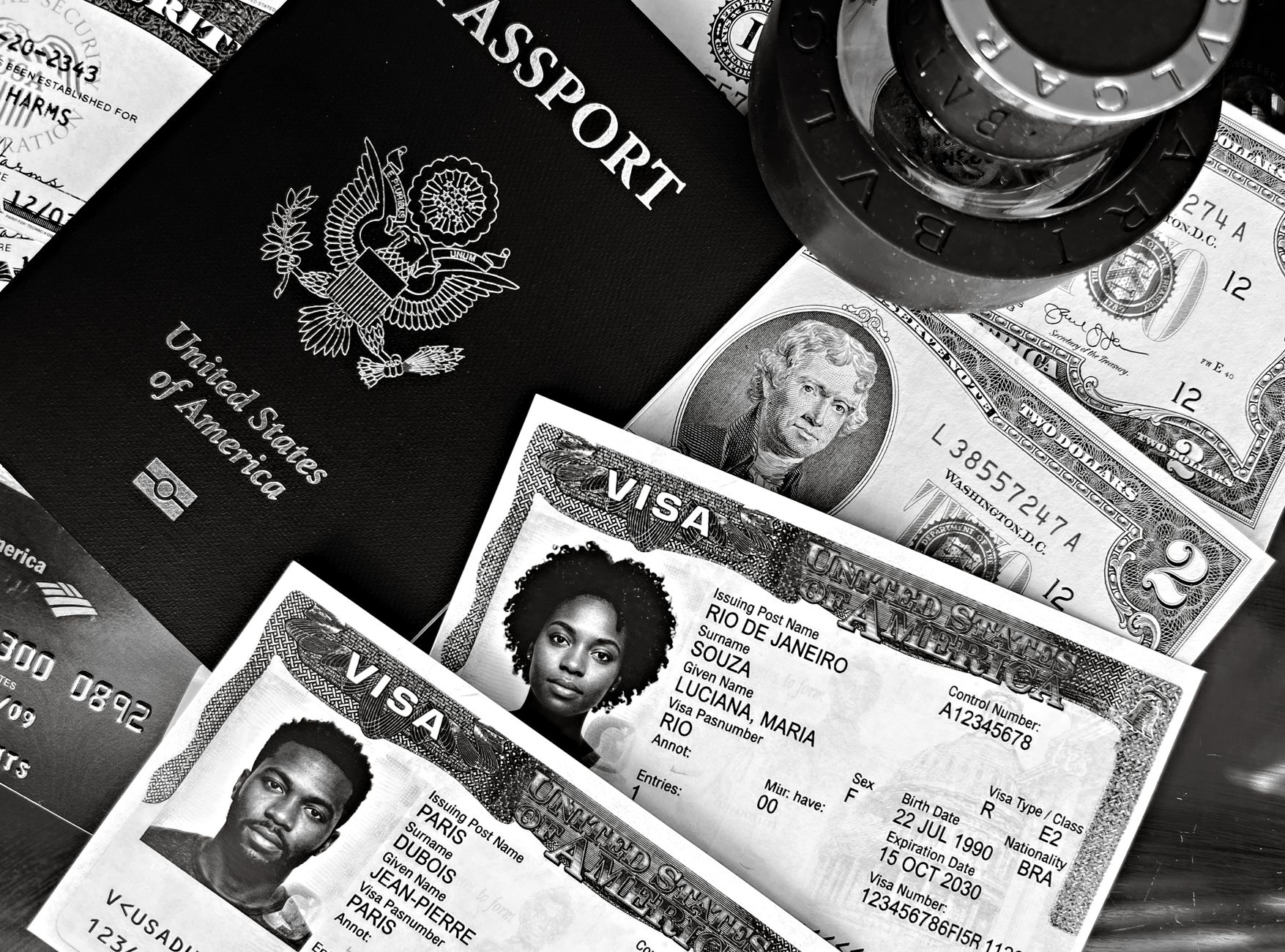
Microsoft H-1B Visa Use Analyzed Amid Layoffs and Suspensions
Microsoft (MSFT) is under scrutiny following accusations from Vice President JD Vance that it replaced 6,000 laid-off workers in 2025 with foreign hires on H-1B visas. The claims come as the Trump administration suspended eight tech companies from sponsoring green card applications. This action, however, does not impact Microsoft's H-1B visas, which remain unaffected as they are temporary work permits. Data from the U.S. Citizenship and Immigration Services shows Microsoft had 6,258 H-1B visa approvals, making it the third-largest sponsor, following Amazon and Meta. The data indicates that about two-thirds of these workers were already employed by Microsoft. Larger rivals Amazon and Meta had 19,178 and 6,294 H-1B approvals respectively, with Amazon leading new H-1B admissions. This matter highlights a broader federal investigation into alleged visa fraud, targeting major universities as well. The market impact may include changes in perceptions of Microsoft's hiring practices. For investors, these developments could signal potential shifts in both government relations and workforce strategies at Microsoft.
Read More: Microsoft H-1B Visa Use Analyzed Amid Layoffs and Suspensions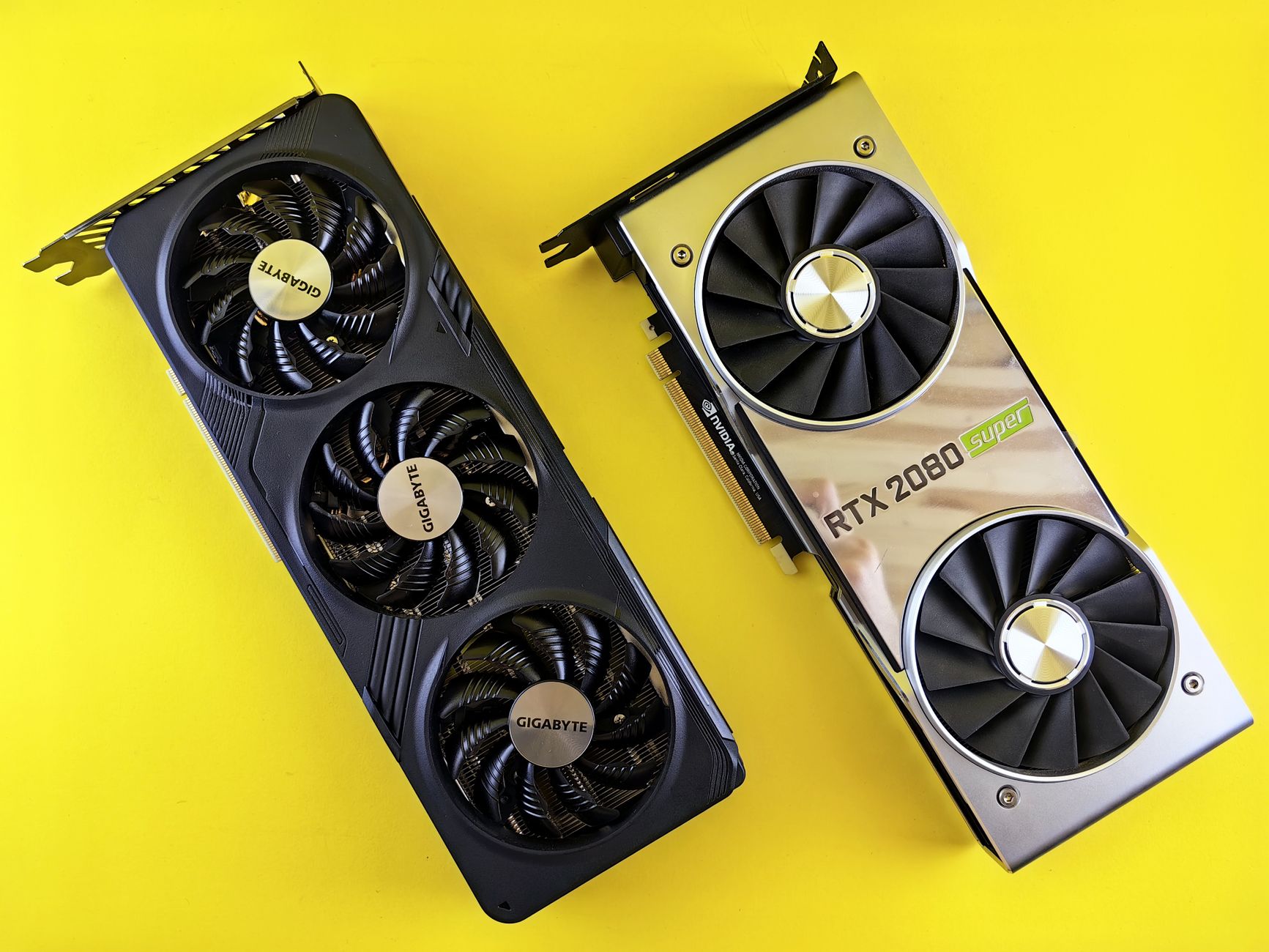
Nvidia's Stock Soars Amid Record GPU Demand
Nvidia's (NVDA) GPUs have become highly sought-after for AI applications, spurring the company's stock to new highs. Its market capitalization is nearing $6 trillion as demand for GPUs continues to grow. Nvidia is projecting $108 billion in revenue for the October quarter, marking a significant 89% increase from the previous year. The expansion in demand is being driven by cloud providers like Amazon, Microsoft, and Google, and new entities known as neoclouds are contributing to this growth as well. Nvidia's business diversification is evident from a filing indicating that five clients each accounted for at least 10% of its accounts receivable in the July quarter, up from three clients in January. The number of Nvidia GPU providers documented as of September rose to 323, compared to 209 less than 11 months earlier. CEO Jensen Huang highlighted at a recent tech conference that these trends will lead to a new array of neoclouds with significant backlog figures. The increased demand for GPUs is tied to companies turning to cloud services to handle AI workloads, particularly following the launch of ChatGPT in 2022. Companies are increasingly using Amazon, Microsoft, and Google for cloud services due to their established reputations, with big firms like Anthropic and OpenAI committing substantial spending with these providers. This continuous demand for Nvidia's products is vital for investors as it signals robust growth potential for the company.
Read More: Nvidia's Stock Soars Amid Record GPU Demand
US Suspends Microsoft from Green Card Program over Fraud Claims
The Trump administration has suspended Microsoft (MSFT) from participating in a green card program, citing allegations of fraud. This move is part of a broader crackdown on foreign workers by the U.S. government. Adobe is also affected by the suspension. The program in question is intended for companies seeking to hire foreign workers in specialty occupations, an initiative primarily benefiting tech firms and universities with specialized labor needs. The U.S. government alleges that some participants have committed fraud, prompting the suspension of these companies from the program. The suspension could impact Microsoft's ability to sponsor foreign workers for permanent residence in the United States, potentially affecting its staffing and operations. As a global tech giant with a diverse workforce, any restrictions on immigration could influence its talent acquisition and retention strategies. Similar ramifications may apply to Adobe, as both companies rely on skilled foreign labor to maintain their competitive edge. This matters for investors as it could lead to operational challenges for Microsoft, impacting its long-term talent pool. The suspension may alter strategic planning for workforce diversity and innovation, potentially influencing future performance.
Read More: US Suspends Microsoft from Green Card Program over Fraud Claims
White House Blocks Microsoft From H1B Visa Hiring Program
Microsoft (MSFT) and several tech firms have been barred by the White House from using a visa program to hire skilled international workers permanently. Vice President JD Vance accused Microsoft of committing fraud through the H1b visa program and replacing American workers with foreign ones. The U.S. government stated that it would not process any new or pending Permanent Labor Certification Program (PERM) applications from Microsoft and seven other companies. Microsoft's spokesperson emphasized that 80% of H1b visa filings were for existing employees, not new hires, and that international workers are paid the same wages as U.S. workers. The H1b visa program is capped at 85,000 per year, and Microsoft had filed 6,800 applications in the last fiscal year, coinciding with approximately 6,000 layoffs. As a response to the allegations, Microsoft stated they look forward to providing more information to the administration to clarify the situation. The company employs over 200,000 people worldwide, with a median salary for H1b workers reported to be $155,000 by an aiding firm, Ellis. The action taken by the White House may affect Microsoft’s ability to source skilled international talent, potentially impacting its workforce dynamics in the U.S. For investors, this decision could influence Microsoft's talent acquisition strategy and operational costs related to workforce management.
Read More: White House Blocks Microsoft From H1B Visa Hiring Program
US Bans Microsoft Sponsorship for Foreign Worker Residency
The US administration has announced a new rule that restricts Microsoft (MSFT) from sponsoring foreign workers for US residency. This measure is part of a broader policy by the White House to restrict immigration, impacting several technology companies. The ban is expected to affect Microsoft's ability to hire and retain international talent, which could influence the company's operations and competitiveness in the technology sector. Technology companies like Microsoft rely heavily on skilled foreign workers to fill specialized roles that are critical for innovation. The restriction may push these companies to reconsider their hiring strategies and potentially relocate certain roles outside the US to maintain their talent pool. For investors, the inability of Microsoft to sponsor foreign workers may have longer-term implications on its innovation and growth. This change could impact the company's ability to maintain its competitive edge, affecting its stock in the long run.
Read More: US Bans Microsoft Sponsorship for Foreign Worker Residency
Microsoft (MSFT) Unveils $2,599 Surface Laptop Ultra with AI Chip
Microsoft (MSFT) announced the new Surface Laptop Ultra, featuring an Nvidia AI chip, with prices starting at $2,599. The laptop is available for preorder and will ship on October 16. It includes a magnetic USB-C port and caters to AI applications that can be run directly on the device, reducing dependency on cloud services. Microsoft aims to enhance AI capabilities in consumer devices through this product, positioning itself alongside other tech giants in the AI space. The device offers up to 128 gigabytes of unified memory and a computing power of up to one petaflop. Microsoft hopes this release will capture interest by offering integrated AI solutions directly in its hardware products as part of its strategic push into the AI market, despite competition in the space from other tech giants like Apple and Google.
Read More: Microsoft (MSFT) Unveils $2,599 Surface Laptop Ultra with AI Chip
Microsoft Expands AI Capabilities in PCs Competing with Apple
Microsoft is enhancing its AI offerings in personal computers, as part of an ongoing effort to compete more effectively with Apple. This move comes as the company aims to integrate advanced artificial intelligence features more deeply into its operating systems. No specific figures or dates were mentioned in relation to this AI expansion effort by Microsoft (MSFT). The company's focus on AI aligns with broader industry trends, but details on implementation or impact remain sparse in the article. The significance of this development for Microsoft lies in its potential to differentiate its products in a competitive market characterized by rapid technological advancements. As technology companies increasingly emphasize AI, Microsoft's strategy could influence its market positioning relative to competitors like Apple. For investors, Microsoft's AI initiatives may signal a strategic effort to capture a larger share of the technology market. However, without detailed information on release schedules or expected performance improvements, the impact on Microsoft's financials remains speculative.
Read More: Microsoft Expands AI Capabilities in PCs Competing with Apple
Microsoft and Nvidia Unveil AI Laptop with RTX Spark Chip
Microsoft and Nvidia are collaborating on a new AI-focused Windows laptop. The device will be equipped with Nvidia's RTX Spark chip, allowing it to run AI models and workloads directly on the laptop itself. This partnership aims to enhance the capabilities of Windows laptops by integrating advanced AI technology without the need for high-performance servers or cloud computing resources. By leveraging Nvidia’s expertise in AI hardware, Microsoft seeks to offer more powerful computing solutions within portable devices. This development highlights a trend towards making AI-related technology more accessible to everyday consumers, potentially boosting demand for both companies' products.
Read More: Microsoft and Nvidia Unveil AI Laptop with RTX Spark Chip
Nasdaq Hits Record As AI Stocks Surge, S&P and Dow Also Rise
Stock futures remained relatively unchanged on Monday evening after the Nasdaq Composite achieved a record high during the regular trading session. S&P 500 futures inched up 0.08%, and Dow futures rose by 57 points, or 0.1%. The Nasdaq-100 futures increased by 0.09%. The day's trading saw the Nasdaq Composite gain around 1% to hit an all-time high. The Dow Jones Industrial Average gained approximately 90 points, or 0.2%, and the S&P 500 added 0.7%. Notably, stocks associated with artificial intelligence, such as SpaceX, Nvidia, and Tesla, made significant gains, rising over 2% each. Meta Platforms and Microsoft, too, saw increases of over 1%. In Asia, market optimism was apparent as indices were expected to open higher. Japan's Nikkei 225 futures indicated a rise, with figures of 70,195, compared to its prior close of 69,946.86. Hong Kong's Hang Seng index futures stood at 24,266, higher than its last close of 24,040.34. However, Mainland China markets remained closed due to a holiday. Meanwhile, oil prices decreased, with Brent crude futures dropping 1.9% and West Texas Intermediate crude down by 1.8%. The U.S. Treasury yields continued to rise, with the 10-year note surpassing 5.3% and the 30-year yield breaching 5.7%, reaching levels last seen 24 years ago. Traders are keenly observing the Federal Reserve's upcoming minutes from its September meeting, set to release on Wednesday, which might reveal insights into future rate hikes. For investors, this matters because higher Treasury yields could influence borrowing costs and market valuations, while record highs in the Nasdaq may indicate strengthening tech stocks.
Read More: Nasdaq Hits Record As AI Stocks Surge, S&P and Dow Also Rise
Microsoft (MSFT) Faces AI Challenges Amid $4 Trillion Market Cap
Satya Nadella, CEO of Microsoft (MSFT), addressed the challenges and opportunities of artificial intelligence (AI) at the Microsoft AI Tour event held on February 25, 2026, in Munich, Germany. Nadella discussed the need for widespread deployment of AI tools within enterprises. This conversation took place as Microsoft aims to expand its role in the AI industry, despite facing challenges such as competition from Nvidia, Anthropic, and Google in AI technologies and models. Microsoft's investment in OpenAI was an early move into AI, but the alliance has weakened over time, and the company struggles to achieve widespread adoption of its Copilot technology in workplaces. The company's AI strategy is under scrutiny, particularly with its Copilot product, which is central to Nadella’s vision. Tiffany Wade, co-portfolio manager at Microsoft shareholder Columbia Threadneedle, expressed that the Copilot product requires further maturity and understanding of appropriate pricing. Despite Microsoft's significant market presence with a nearly $4 trillion market cap and strong historical performance, its stock has only risen 7% this year, lagging behind the S&P 500 and its megacap peers. This matters for investors because Microsoft's ability to navigate the AI landscape successfully could significantly affect its stock performance and market position. The company's progress with AI tools and technologies, as well as the successful integration and pricing of products like Copilot, may influence its competitiveness and growth potential in the AI industry.
Read More: Microsoft (MSFT) Faces AI Challenges Amid $4 Trillion Market Cap
Microsoft's Copilot Key in AI Competition Strategy
Microsoft's Copilot has emerged as a significant element in the company's efforts to compete in the AI sector. Microsoft is advancing in the AI domain, leveraging its Copilot technology to bolster its competitive standing. The technology stands out as a potential differentiator in an increasingly crowded AI field, enhancing productivity tools with AI capabilities. The company's Copilot initiative focuses on integrating AI into existing software platforms, allowing users to perform tasks more efficiently and improving overall productivity. While specifics on the financial impact are not detailed, Microsoft's strategic focus on AI innovation could play a pivotal role in maintaining its technological edge. For investors, Microsoft’s emphasis on AI, including Copilot, could enhance its market position and drive future growth. The move signals Microsoft's dedication to being at the forefront of technological advancements, potentially impacting its long-term profitability.
Read More: Microsoft's Copilot Key in AI Competition Strategy
UK Lawmakers Warn on Reliance on U.S. Cloud Giants
UK lawmakers have raised concerns over the country's dependency on major U.S. cloud providers like Amazon Web Services (AWS), Microsoft Azure, and Google Cloud. A report described the situation as posing a significant strategic and security risk. The lawmakers highlighted issues such as data privacy and the potential for service disruptions in case of geopolitical tensions affecting the tech giants. They urged for regulatory measures and policy changes to address these risks. No specific figures were mentioned in the report. This issue is crucial since it impacts the security and competitive positioning of the UK's digital infrastructure, which is vital for both public and private sectors.
Read More: UK Lawmakers Warn on Reliance on U.S. Cloud Giants
LinkedIn CEO Ryan Roslansky to Leave Microsoft by End of 2026
Ryan Roslansky, CEO of LinkedIn, announced he will leave Microsoft at the end of 2026 after six years in the role. Microsoft's CEO Satya Nadella confirmed the decision in a memo, stating Roslansky leaves LinkedIn in a strong position. Under his leadership, LinkedIn's membership grew from 700 million to 1.3 billion. This change comes after revenue growth for LinkedIn increased to 11% for the June fiscal year, up from less than 9% in the previous year, impacting expectations for LinkedIn's future performance and operations for Microsoft (MSFT).
Read More: LinkedIn CEO Ryan Roslansky to Leave Microsoft by End of 2026
Apple (AAPL), Microsoft, and Meta Show Stock Picking Potential
Apple (AAPL), Microsoft, and Meta have demonstrated that individual stock picking can be viable. This comes as many investors seek opportunities amid market fluctuations. The focus on these companies underscores their resilience and performance, suggesting a positive outlook for active investors. The article indicates that successful stock outcomes are achievable, potentially benefiting individual investors in terms of selecting strong stocks.
Read More: Apple (AAPL), Microsoft, and Meta Show Stock Picking Potential
Dow Jumps Over 470 Points as Bond Yields Drop
On Friday, the Dow Jones Industrial Average increased by more than 470 points, marking a significant upward movement in the stock market. This rise occurred despite a surge in Treasury bond yields. Stocks overall achieved a winning week, driven by investor interest in AI stocks, particularly evidenced by a rally in Microsoft shares. For ordinary investors, this matters as it indicates a potential upward trend in stock performance, likely enhancing investment returns in the short term.
Read More: Dow Jumps Over 470 Points as Bond Yields Drop
Microsoft (MSFT) Launches Updated Copilot AI App for Office 365 Users
Microsoft (MSFT) has introduced an updated Copilot app aimed at enhancing its competitiveness in the enterprise AI market. With over 450 million existing commercial Office 365 seats, currently less than 7% have licenses for AI features. The new app includes coding abilities and productivity task management, shifting from a subscription model to a usage-based payment system. This update is part of a broader strategy to capture more of the market against growing competition from companies like Anthropic. This matters for investors as Microsoft aims to increase AI tool adoption among Office 365 customers, impacting potential revenue streams.
Read More: Microsoft (MSFT) Launches Updated Copilot AI App for Office 365 Users
Only 4 of the Magnificent Seven Stocks Remain Relevant
The article discusses the 'Magnificent Seven' stocks, highlighting that only four still merit this title. The stocks referenced include giants like Apple and Microsoft, but there is no specific data on performance or metrics provided. This change reflects a significant shift in the market as companies lose their legendary status. This matters for investors as it suggests that not all major stocks are solid investment choices, impacting decision-making on portfolios focused on tech giants.
Read More: Only 4 of the Magnificent Seven Stocks Remain Relevant
Trump Discloses 1,156 July Trades Including $25 Million Each in MSFT, AMZN
In a filing released on Tuesday, President Donald Trump disclosed over 1,100 securities transactions made on his behalf in July. These transactions included sales of up to $25 million each of Microsoft (MSFT) and Amazon (AMZN) shares, totaling between $79 million and $270 million. His purchases accounted for at least $43.6 million and sales for at least $35.6 million. This activity represents a significant reshuffling within his investment portfolio, which has featured high trading volumes consistently, with more than 21,000 trades reported across eight accounts valued at over $858 million. This high level of trading could impact market volumes and liquidity for the involved securities.
Read More: Trump Discloses 1,156 July Trades Including $25 Million Each in MSFT, AMZN
Software Pay Surges 46% in AI-Exposed Roles Since 2021
Software pay in AI-exposed positions increased 46% since 2021 while entry-level job postings dropped significantly. The proportion of junior roles fell from 29% to 10% between 2021 and 2026, while senior postings rose from 22% to 47%. Companies like Microsoft (MSFT) and Meta (META) are leading this trend, with senior workers commanding higher salaries. This shift indicates a focus on experienced engineers who can leverage AI tools, which has implications for job training and market dynamics in the tech sector.
Read More: Software Pay Surges 46% in AI-Exposed Roles Since 2021
Xi Jinping U.S. Visit: Execs Attending Trump's Dinner Confirmed
Chinese President Xi Jinping is set to arrive in the U.S. for a three-day trip from Wednesday to Friday, with plans for a dinner in Washington, D.C. Scheduled attendees include prominent executives such as Microsoft CEO Satya Nadella, Nvidia CEO Jensen Huang, and Apple CEO Tim Cook. Other U.S. executives attending include Amazon's Jeff Bezos and Tesla's Elon Musk. This meeting is significant amid heightened U.S.-China tensions, affecting bilateral trade and investment opportunities for these companies and their markets.
Read More: Xi Jinping U.S. Visit: Execs Attending Trump's Dinner Confirmed
Microsoft (MSFT) Software Business Growth Potential Highlighted
Analysts emphasize that while Microsoft's (MSFT) cloud-computing opportunities are well-recognized, the potential revenue from its software business might be overlooked. The software division is becoming increasingly significant alongside cloud revenues. This insight points to a growing market for Microsoft's software products, suggesting a potential for revenue growth that may not be fully appreciated by investors. Understanding this could affect investment strategies centered around MSFT's overall performance.
Read More: Microsoft (MSFT) Software Business Growth Potential Highlighted
Nokia (NOK) Shares Up 62% Year to Date After AI Demand
Nokia (NOK) shares closed at $10.60 on September 17, 2023, reflecting a year-to-date increase of about 62% and over 130% in the last 12 months. Jim Cramer recommended buying Nokia stock on September 16, highlighting its trading at 22 times forward earnings—lower than the typical 30 times for AI stocks. Nokia reported negative free cash flow of $835 million in Q2. This momentum is bolstered by an expanded partnership with Microsoft, which promises faster AI data preparation, resulting in a 3.8% increase in shares after the announcement. This matters for investors as Nokia's AI infrastructure strategy is attracting significant market attention, indicating potential growth.
Read More: Nokia (NOK) Shares Up 62% Year to Date After AI Demand
Microsoft Exec Calls AI ‘Largest Theft of Labor’ in History
A Microsoft executive described AI scraping as the ‘largest theft of labor in human history,’ according to court records. The statement reflects concerns within Microsoft and OpenAI regarding copyright implications and the impact of AI on various industries. This comment underscores ongoing fears about the legality of using copyrighted material for AI training purposes. The discussions highlight significant challenges that could influence regulatory measures surrounding AI deployment and copyright law, potentially affecting technological investments.
Read More: Microsoft Exec Calls AI ‘Largest Theft of Labor’ in History
Microsoft's AI Leader Warns Against Misguided AI Development
Microsoft's AI leader criticized the approach of companies like Anthropic for anthropomorphizing AI models, suggesting they risk creating uncontrollable entities. Speaking on the Today programme, he emphasized that AIs lack consciousness and must be designed to remain subordinate to humanity. He called for increased transparency in AI training and independent scrutiny of AI behavior. This matter is critical for investors focused on AI companies, as it could influence the development protocols and regulatory scrutiny they face.
Read More: Microsoft's AI Leader Warns Against Misguided AI Development
Microsoft (MSFT) Revenue Hits $331.8 Billion by Fiscal 2026
Microsoft (MSFT) generated $331.8 billion in revenue and $155.2 billion in operating income for fiscal 2026, a significant increase from $85.3 billion and $20.2 billion in fiscal 2016. Azure alone contributed over $100 billion to annual revenue, with cloud services revenue growing 43% in Q4 of fiscal 2026. The company invested $115.9 billion in property and equipment, an 80% increase year-over-year. These developments indicate strong demand in cloud and AI sectors, which are essential for long-term growth and may impact future stock performance for investors.
Read More: Microsoft (MSFT) Revenue Hits $331.8 Billion by Fiscal 2026
Top Magnificent Seven Stocks for Long-Term Investors' Strategy
The article discusses the 'Magnificent Seven' stocks, highlighting the importance of patience for investors. Companies included are Alphabet (GOOGL), Amazon (AMZN), Apple (AAPL), Microsoft (MSFT), Meta Platforms (META), Nvidia (NVDA), and Tesla (TSLA). This grouping represents a selection of stocks deemed strong prospects for future growth. For investors, understanding these stocks may influence their long-term investment strategies.
Read More: Top Magnificent Seven Stocks for Long-Term Investors' Strategy
Microsoft (MSFT) Azure Business Move: Potential Market Impact
Microsoft (MSFT) has made a strategic move that could impact its Azure business, though specific details on the nature of this move are not provided. The article suggests that this decision may affect Azure's competitive position, but does not quantify this impact directly. Such actions could influence investor sentiment and market performance of Microsoft shares. Understanding how these changes in Azure could affect overall performance is important for investors considering MSFT stock.
Read More: Microsoft (MSFT) Azure Business Move: Potential Market Impact
NVIDIA Powers Anthropic's $517B Compute Commitment Ahead of IPO
Anthropic has secured a $517 billion compute commitment in preparation for its IPO, primarily powered by NVIDIA (NVDA). This amount notably increases from the previously expected $180 billion through 2029. Major players like Amazon (AMZN) and Alphabet (GOOGL) collectively committed over $300 billion for around 11 GW of capacity, while Microsoft (MSFT) pledged at least $30 billion for Azure compute. These substantial investments indicate strong demand for AI infrastructure and utilization of NVIDIA's technology, pointing to significant growth potential for investors in this sector.
Read More: NVIDIA Powers Anthropic's $517B Compute Commitment Ahead of IPO
Alphabet (GOOGL) Offers Value with 15x Forward P/E Ratio
Alphabet (GOOGL) is currently trading at a forward price-to-earnings (P/E) ratio of 15x. This valuation makes it the cheapest among the 'Magnificent Seven' tech stocks, which include Nvidia, Amazon, Apple, Alphabet, Meta Platforms, Microsoft, and Tesla. Nvidia's latest quarterly revenue reached $96 billion, and Micron's was $41 billion, showing strong performance in the AI sector. As some tech valuations have dipped, this situation presents a potential buying opportunity for investors looking for growth in the AI space.
Read More: Alphabet (GOOGL) Offers Value with 15x Forward P/E Ratio
Microsoft (MSFT) vs Alphabet (GOOGL): Cloud Growth and Financials Compared
Microsoft (MSFT) reported Q4 revenue of $90.01 billion, a 17.8% increase, with Azure growth at 43% and Intelligent Cloud revenue of $39.31 billion, up 32%. In contrast, Alphabet (GOOGL) saw Q2 revenue at $119.80 billion, up 24.2%, driven by its Google Cloud, which surged 82% to $24.77 billion. Alphabet's capital expenditures reached $44.92 billion, compared to Microsoft's $35.80 billion, resulting in a negative free cash flow of $6 billion for Alphabet, while Microsoft generated $20 billion in free cash flow. Investors should note that Microsoft did not make the top 10 stocks list recently, indicating growing competition in the enterprise cloud space.
Read More: Microsoft (MSFT) vs Alphabet (GOOGL): Cloud Growth and Financials Compared
Y Combinator's Garry Tan on AI Distillation Response Amid Criticism
Garry Tan, CEO of Y Combinator, expressed a nonchalant stance regarding calls for action against Chinese firms engaged in AI model distillation. He believes regulators should emphasize creating balance between open weight models and frontier models, rather than restricting distillation. Notably, companies like OpenAI and Anthropic have accused firms like Moonshot AI and DeepSeek of copying their technologies. This ongoing debate ties into legal disputes, including The New York Times suing OpenAI and Microsoft in 2023 for copyright infringement. This matter affects how companies approach innovation and compliance in the AI sector, which is crucial for investors.
Read More: Y Combinator's Garry Tan on AI Distillation Response Amid Criticism
Google (GOOGL) Monopoly Ruling Preserved; Share Price Rises Higher
A federal judge denied the DOJ's request to force Google to sell its AdX advertising exchange, which initially caused shares of Alphabet (GOOGL) to rise. The ruling upholds the finding of illegal monopoly in the publisher ad-server and ad-exchange markets but does not require a structural breakup. At a P/E ratio of 15, GOOGL trades at a discount compared to peers Meta and Microsoft. Analysts have set a price target of $428, and the revenue from the search remedy pending covers $63 billion for Q2. This development may indicate reduced breakup risks and affects investor outlook on GOOGL's market position.
Read More: Google (GOOGL) Monopoly Ruling Preserved; Share Price Rises Higher
S&P 500 and Dow Snap Losing Streaks on September 2, 2026
On September 2, 2026, the S&P 500 and Dow ended higher, breaking a three-day losing streak. This shift occurred as oil prices stabilized, reaching a six-week high. Additionally, Treasury yields slipped, adding to the positive sentiment in the stock market. This matters for ordinary investors because improved stock performance may indicate a more favorable market environment for long-term investment. Key stocks mentioned include Microsoft (MSFT) and Dell (DELL).
Read More: S&P 500 and Dow Snap Losing Streaks on September 2, 2026
Microsoft (MSFT) and OpenAI Face User Outages Across Key Services
On Monday, Microsoft (MSFT) and OpenAI reported user outages affecting their services. OpenAI's ChatGPT Work experienced elevated errors and latency for approximately three hours, with over 1,100 users reporting issues. Microsoft stated that users of Exchange Online faced degraded functionality, with nearly 4,600 reports of problems shortly after 2:24 p.m. ET. Both companies emphasized that they are working to resolve the issues. These outages could affect productivity for businesses relying on Microsoft's and OpenAI's software, highlighting the importance of service reliability for enterprises.
Read More: Microsoft (MSFT) and OpenAI Face User Outages Across Key Services
U.S. Strikes Iran; Stock Futures Fall, Oil Gains 2.1%
U.S. stock futures declined after the U.S. military confirmed airstrikes on Iranian rocket launchers at Larak Island. In Asia, Japan's Nikkei 225 futures were at 65,530 and Hong Kong's Hang Seng index futures at 25,472, reflecting market unease. For the U.S. market, the Dow is up 2.1% in August, aiming for a fifth consecutive monthly advance. August also saw the tech sector, particularly stocks like Nvidia, Microsoft, and Micron Technology, performing well, with increases of 8%, 11%, and 13%, respectively. This matters for investors as rising tensions can impact market stability and oil prices, which increased by 2.1% to $85.14 per barrel.
Read More: U.S. Strikes Iran; Stock Futures Fall, Oil Gains 2.1%
Microsoft (MSFT) Highlights AI Demand at Deutsche Bank Conference
At the Deutsche Bank 2026 Technology Conference, Microsoft (MSFT) discussed the expanding demand for artificial intelligence (AI) across various sectors. The company emphasized AI's pivotal role in transforming industries and enhancing productivity. While specific financial figures were not disclosed during the event, the insights indicate significant market interest in AI technologies. This highlights the ongoing evolution of tech markets, signaling potential growth opportunities for investors interested in AI-driven solutions.
Read More: Microsoft (MSFT) Highlights AI Demand at Deutsche Bank Conference
Constellation Energy (CEG) and GE Vernova (GEV) Thrive Amid Data Needs
Demand for data centers is creating opportunities for Constellation Energy (CEG) and GE Vernova (GEV). Constellation has a 20-year power purchase agreement with Microsoft (MSFT) to restart the Three Mile Island nuclear facility in Pennsylvania, highlighting the need for reliable energy sources. GE Vernova reported $5 billion in revenue from data center power equipment in the first half of the year, more than double its total from the previous year, and has a backlog of $176 billion. These developments indicate significant growth potential for companies supporting the infrastructure behind AI data centers.
Read More: Constellation Energy (CEG) and GE Vernova (GEV) Thrive Amid Data Needs
Amazon (AMZN) Stock Target Increased to $344 with 33% Potential Upside
Amazon (AMZN) is rated a BUY with a price target of $344, indicating a 33% upside based on the company's AWS performance, which achieved 36.7% growth in Q2 FY2026, its fastest in 18 quarters. The stock trades at a forward P/E of 17, lower than Alphabet (GOOGL) at 17 and Microsoft (MSFT) at 24. Year-to-date, Amazon shares have risen 12.69%, but the stock has decreased by 1.89% in the past week. Investors may find opportunities as AWS continues to perform strongly relative to its competitors, suggesting potential returns for those holding AMZN shares.
Read More: Amazon (AMZN) Stock Target Increased to $344 with 33% Potential Upside
AI Investments Reach $700 Billion Amid Investor Scrutiny
Tech companies are increasing their AI investments to over $700 billion in 2023, showing a growing commitment to the sector. Investors are now demanding tangible results from these expenditures, as evidenced by strong earnings from Microsoft (MSFT) and Amazon (AMZN), both reporting significant growth in their cloud and AI operations. Microsoft achieved over $100 billion in cloud revenue and reported $19.9 billion in free cash flow for Q4 of fiscal 2026, despite a 23% decline year-over-year. Amazon increased its capital expense projection to $220 billion, with its AI business exceeding a $25 billion annual run rate. This trend indicates a shift towards a more results-driven approach, which may affect future stock performance.
Read More: AI Investments Reach $700 Billion Amid Investor Scrutiny
Meta (META) Hides $27 Billion in Debt Amid $3 Trillion AI Obligations
Nine tech giants, including Meta Platforms (META) and Microsoft (MSFT), are concealing $3 trillion in off-balance-sheet AI obligations, which is triple their reported debt. This figure surged from an estimated $1.65 trillion in July 2026. Notably, Meta has $27 billion tied to the Hyperion data center, where it is not the majority owner. Alphabet (GOOG) reported $811 billion in purchase commitments by June 30, a 152% increase from three months prior. This significant hidden debt could signal risks for investors in tech stocks as the reliance on AI builds out continues to grow.
Read More: Meta (META) Hides $27 Billion in Debt Amid $3 Trillion AI Obligations
Ohio Congressman David J. Taylor Buys Alphabet and Procter & Gamble Stocks
David J. Taylor from Ohio's 2nd district has purchased shares in Alphabet Inc and Procter & Gamble while selling off his Microsoft holdings. This shift reflects a potential recalibration of his investment strategy, favoring companies in the tech and consumer goods sectors. Specific quantities or financial details regarding these trades were not disclosed. The changes in his portfolio could influence public perception of these companies, especially among retail investors considering similar moves, as investment activity by public figures often draws attention.
Read More: Ohio Congressman David J. Taylor Buys Alphabet and Procter & Gamble StocksMore Information Technology stocks
Frequently asked questions
Is Microsoft Corporation in the S&P 500?
Yes. Microsoft Corporation trades as MSFT and is a member of the S&P 500. The index lists it in the Information Technology sector.
What sector is MSFT in?
MSFT sits in the Information Technology sector of the S&P 500.
Where can I find the latest MSFT news?
Right here. This page collects recent MSFT news and market analysis. Every story gets an AI summary and a bullish, bearish or neutral tag.
What is Microsoft Corporation's stock price?
MSFT last traded at about $533.52. Prices move all through the session, so this is the latest quote rather than a live one.
What is Microsoft Corporation's market cap?
MSFT is worth roughly $3.96T. Market cap is the share price times the number of shares outstanding.
What is MSFT's P/E ratio?
MSFT trades at a trailing P/E ratio of about 29.7. The ratio compares the share price with earnings per share over the past year.