NASDAQ News & Analysis
50 articles
Market Mood

Nasdaq Leads Tech Rally with Oil Prices Falling and Yields Rising
The Dow, S&P 500, and Nasdaq indices moved toward a strong finish as technology stocks rallied. Nasdaq gained notably as investors bought the dip in artificial intelligence-related stocks, contributing to the overall rebound on Wall Street. During this period, oil prices declined while Treasury yields increased, reflecting shifts in commodity markets and interest rates. The tech rally included chip stocks and AI-linked companies showing significant gains. However, European markets fell amid ongoing protests, contrasting with U.S. market strength. This shift matters because tech stock performance often significantly influences overall market indexes like the Nasdaq. The rise in yields alongside falling oil prices could affect sectors differently and influence investor decisions on asset allocation going forward.
Read More: Nasdaq Leads Tech Rally with Oil Prices Falling and Yields Rising
S&P 500 and Nasdaq Rise as AI Stocks Rebound Before Earnings
The S&P 500 and Nasdaq indices saw gains as AI-linked stocks recovered ahead of upcoming earnings reports. Investors showed renewed interest in technology stocks, particularly those connected with artificial intelligence. This recovery occurs as major companies prepare to release their earnings, with an expectation that performance in the AI sector could significantly impact overall market sentiment. The technology sector, which has seen volatility in recent sessions, experienced a positive shift as investors anticipate strong earnings contributions from AI advancements. Companies in this space are expected to provide crucial updates concerning their progress in AI development and integration during their earnings announcements. Analysts and market participants are closely watching how these technological advances translate into financial improvements for major corporations. The movement in AI-linked stocks is important for ordinary investors as it highlights the ongoing interest and potential in technology advancements. These developments could drive future growth opportunities in the market if earnings reports meet or exceed expectations, influencing investment decisions.
Read More: S&P 500 and Nasdaq Rise as AI Stocks Rebound Before Earnings
Lucid Diagnostics Faces Nasdaq Minimum Bid Price Challenge
Lucid Diagnostics has received a notification from Nasdaq indicating noncompliance with its minimum bid price requirement. This requirement mandates a minimum closing bid price of $1.00 per share. Companies failing to meet this can face delisting from the exchange if they do not regain compliance within the specific time frame provided by Nasdaq. This noncompliance with Nasdaq's listing rules poses a risk for Lucid Diagnostics, potentially affecting its stock valuation and investor confidence. The company must address this situation to avoid possible delisting. They may consider actions like a reverse stock split to elevate their trading price above $1.00, a common measure to regain compliance. For investors, this situation highlights the importance of monitoring compliance with stock exchange requirements. If Lucid Diagnostics fails to comply, its stock could be removed from Nasdaq, impacting liquidity and visibility.
Read More: Lucid Diagnostics Faces Nasdaq Minimum Bid Price Challenge
Bending Spoons (NASDAQ: BNDG) Gains 41% After $900M Berkshire Boost
Bending Spoons (BNDG), an Italy-based holding company, received a $900 million investment from Berkshire Hathaway, including a $330 million stake disclosed recently. This news contributed to a 41% rise in Bending Spoons' stock on the Nasdaq. The company's market cap now stands at about $30 billion. Berkshire's investment is viewed as a strong endorsement of Bending Spoons' M&A strategy, designed to acquire struggling software startups, amidst the fast-evolving technology landscape. In August, Bending Spoons acquired Airtable for approximately $1.3 billion, significantly below its peak valuation in 2021. The company announced this week that many pre-acquisition employees from Airtable will leave with severance packages. Layoffs have also occurred across other companies in its portfolio, highlighting the challenges faced by SaaS companies against the backdrop of AI advancements. The technology sector continues to adjust to disruptions generated by AI developments, with Bending Spoons' strategy marking a notable trend in software consolidations. For investors, Berkshire Hathaway's backing offers confidence in Bending Spoons' approach and market positioning during this period of change.
Read More: Bending Spoons (NASDAQ: BNDG) Gains 41% After $900M Berkshire Boost
VIX Surges Above 22 as AI Stocks Fall, Traders Expect More Volatility
The Cboe Volatility Index (VIX) rose above 22, marking its highest level in four months, following a sell-off in AI-related stocks. This increase comes as traders anticipate further volatility, with significant trades in VIX call options betting on the index remaining elevated into November. One trader made notable purchases, buying 9,200 November 18, 20-strike calls for $1.7 million and 12,500 November 18, 23-strike calls for $1.1 million, wagering on the VIX closing above 23 by mid-November. Brent Kochuba, founder of SpotGamma, noted elevated VIX options volume as traders hedge against potential market downturns. This activity suggests that traders are moving from October VIX positions to November, reflecting concerns over market stability. The market reaction also saw the Nasdaq drop by 2%, its worst performance since June 5, partly due to issues in the AI sector and concerns around CoreWeave, which fell by 13%. The anticipation surrounding the upcoming earnings reports from major companies like Tesla, SpaceX, and Meta next week is contributing to the current market anxiety. Investors are closely watching these developments as the market faces heightened volatility, which could impact broader market sentiment.
Read More: VIX Surges Above 22 as AI Stocks Fall, Traders Expect More VolatilityS&P 500 Futures Rise Amid Market Shifts, Dow Gains 500 Points
S&P 500 futures have shown an uptick, although the index is expected to end the week with a loss. This comes as the Dow Jones Industrial Average rose over 500 points, driven by a shift in investor focus away from the AI trade. A sell-off in chipmaker stocks has contributed to the mixed sentiment in the market, with investors seeking safety in other stocks and bonds. The tech sector is experiencing some instability, although Tesla has seen gains in recent trading sessions. The rise in the Dow indicates a rotation from previously popular AI-focused investments to potentially more stable assets as investors reassess their portfolios. This market activity reflects broader trading patterns where investors are adjusting to fluctuations within specific sectors. The changes in the S&P 500 and Dow suggest that investors are actively rebalancing with a cautious approach towards tech stocks. Investors should stay informed of further market trends as these shifts could impact overall market stability.
Read More: S&P 500 Futures Rise Amid Market Shifts, Dow Gains 500 Points
Nasdaq Rises as Bond Rally Offsets Tech Weakness
The Nasdaq Composite index recovered, turning positive in the recent trading session. This was driven by a rally in bond markets, which offset declines seen in technology stocks. The positive movement in bonds followed a stronger-than-expected Producer Price Index (PPI) report, which indicated higher wholesale inflation. The bond rally provided some relief amidst ongoing concerns about inflation affecting technology sector stocks. This movement highlights the interconnectedness between bond markets and equity performance in the current economic climate. Investors are keeping a close watch on inflation metrics such as the PPI, as they can influence Federal Reserve policy decisions. As bonds rallied, the yield on Treasury notes may have adjusted, impacting investor sentiment towards riskier assets like tech stocks. Despite the initial weakness in tech shares, the overall market appeared more optimistic by the session's end. For investors, the rebound in the Nasdaq suggests resilience in market conditions, albeit with caution due to inflation concerns. The contrasting movements between bonds and tech stocks underline the significance of monitoring macroeconomic indicators for future investment decisions.
Read More: Nasdaq Rises as Bond Rally Offsets Tech Weakness
S&P 500 Advances, Nasdaq Declines Amid AI Concerns
The S&P 500 index increased, while the Nasdaq index faced declines due to challenges in the tech sector over concerns related to artificial intelligence (AI). The Dow Jones Industrial Average rose by 500 points as investors regained confidence, despite a technology sell-off. A drop in Treasury yields boosted the Dow's performance, aiding its rise alongside the S&P 500's gains. The tech sector, particularly AI stocks, faced pressure, contributing to the overall decline in the Nasdaq index. Meanwhile, other sectors showed resilience, indicating a possible shift in investor focus. A drop in Treasury yields provided favorable conditions for growth stocks, often sensitive to changes in yields. This matters for investors as sector shifts and changes in Treasury yields could influence investment strategies. The rise in the S&P 500 and Dow suggests confidence in parts of the market, while AI concerns challenge tech stocks.
Read More: S&P 500 Advances, Nasdaq Declines Amid AI Concerns
Dow Rises 500 Points, Nasdaq Declines as Tech Shares Slide
The Dow Jones Industrial Average increased by 500 points, reflecting a notable shift in market dynamics as investors moved away from technology shares. Meanwhile, the Nasdaq Composite experienced a decline as the technology sector faced selling pressure. This rotation indicates changing investor sentiment toward tech stocks amid growing doubts about artificial intelligence investments' long-term value. In recent weeks, there has been a global tech sell-off as enthusiasm for AI-linked stocks has begun to waver. This skepticism has impacted semiconductor companies and other tech-related stocks, contributing to the contrasting performance between the Dow and Nasdaq. Additionally, pressure has increased on companies with significant debt levels, further contributing to the tech sector's volatility. For ordinary investors, this shift highlights potential sector rotation, impacting which industries may lead or lag in future market performance. Understanding these dynamics could influence investment strategies focusing on traditional versus technology sectors.
Read More: Dow Rises 500 Points, Nasdaq Declines as Tech Shares Slide
Nasdaq Drops Sharply on Inflation Data Concerns
The Nasdaq closed significantly lower as inflation data prompted worries about future rate hikes. The concerns emerged following hotter-than-expected inflation numbers, leading investors to anticipate potential actions by the central banks to address the rising inflationary pressures. This development has increased uncertainty around interest rate adjustments, which can affect valuations and borrowing costs for companies listed on the exchange. The impact on the Nasdaq reflects heightened market sensitivity to economic indicators that could influence central bank policies. The inflation data heightened fears that central banks might increase interest rates sooner or more aggressively than previously expected. Investors are closely watching the economic indicators that could dictate monetary policy adjustments. This downturn in Nasdaq was also accompanied by widespread declines in other indexes, as concerns about higher borrowing costs weigh on growth projections. For ordinary investors, this matters as fluctuations in interest rates can influence corporate profit margins and investment strategies. The cost of borrowing could rise, affecting capital expenditures and corporate growth plans.
Read More: Nasdaq Drops Sharply on Inflation Data Concerns
Nasdaq Drops Sharply Amid Rising Inflation Concerns
The Nasdaq closed significantly lower due to concerns over rising inflation. Recently released data showed that inflation rose to 3.7% last month. This has intensified worries about potential interest rate hikes, as investors fear that higher inflation may prompt the Federal Reserve to adjust its monetary policy to keep inflation in check. Overall, U.S. stocks experienced their worst day since July, affecting not just tech stocks but small caps as well, marking a broad market sell-off. Small-cap stocks have entered a true correction, indicating a drop of more than 10% from their recent highs. The current inflation data comes ahead of the midterm elections, presenting economic challenges for policymakers. A rising inflation rate could influence the Federal Reserve's decisions on interest rates and affect the broader economy further in the coming months. This matters because persistent inflation and potential interest rate hikes can increase borrowing costs and pressure company profits, directly impacting stock prices.
Read More: Nasdaq Drops Sharply Amid Rising Inflation Concerns
Inflation at 3.7% Drives S&P 500, Nasdaq Down
Recent data shows that consumer price index (CPI) inflation surged to 3.7% in September. This increase is attributed to rising gas prices. The report has catalyzed fears of potential interest rate hikes by the Federal Reserve as they closely monitor these inflationary pressures. Major stock indices, the S&P 500 and the Nasdaq, experienced a decline as a result of the report, impacting tech stocks significantly on the trading day covered in the article. The decline in stocks highlights the market's sensitivity to inflation data, as the slight uptick reinforces expectations for tighter monetary policy. Investors are particularly cautious of how the Federal Reserve might respond with interest rate adjustments to curb inflation. While the current inflation rate shows an increase, the focus remains on future inflation trends and economic data that could influence Federal Reserve decisions. For ordinary investors, this matters because inflation levels directly impact the central bank's interest rate policies, which can affect borrowing costs and investment returns.
Read More: Inflation at 3.7% Drives S&P 500, Nasdaq Down
Baidu (BIDU) Lead Plaintiff Deadline Set for November 2026
Kaplan Fox is reminding Baidu, Inc. (NASDAQ: BIDU) investors of an important legal deadline. Investors have until November 13, 2026, to serve as the lead plaintiff in pending legal matters against the company. This announcement is crucial for those seeking to take part in legal actions and potentially influence the course of lawsuits against Baidu. Legal outcomes can affect stock performance, so investors should pay close attention to this timeline.
Read More: Baidu (BIDU) Lead Plaintiff Deadline Set for November 2026
Bumble Acquired for $1.3bn by Ithaca Holdings
Bumble, a dating app known for its 'women-first' chat feature, has been acquired by investment firm Ithaca Holdings for $1.3 billion. Ravi Gupta and John Hegeman will serve as co-chief executives following the acquisition. Bumble has recently abandoned its unique chat feature, previously allowing only women to initiate conversations. Bumble's share value increased upon news of the acquisition, reaching a valuation of over $580 million. This rise falls short of its previous valuation peak above $14 billion post-IPO on NASDAQ in 2021. The company had reported its only annual pre-tax profit once in 2023, amidst continued losses while integrating new technologies such as AI. Ithaca Holdings aims to leverage technology to enhance human connectivity through Bumble, seeing it as an investment in the 'future of humanity'. For investors, the acquisition reflects an ongoing interest in AI technology despite challenges in the dating app sector.
Read More: Bumble Acquired for $1.3bn by Ithaca Holdings
Albertsons Pulls Annual Outlook, Accelerates Turnaround
Albertsons Companies Inc., a leading grocery chain, announced it is withdrawing its annual outlook. The company cited changing market dynamics and a focus on accelerating its comprehensive turnaround efforts. Albertsons aims to enhance operational efficiency, optimize pricing strategies, and modernize its store portfolio. These measures are part of the company's strategy to adapt to the current competitive retail environment and improve its market position. No specific revenue figures or targets were disclosed in the announcement. The decision to pull the annual outlook reflects uncertainties in the market and the company's aim to remain flexible. While no financial data were provided, these strategic changes suggest the company is prioritizing long-term transformation over short-term forecasts. This move may aim to better position Albertsons against larger competitors amid industry shifts. For investors, the withdrawal of guidance can signal uncertain earnings, but it may also indicate a proactive approach to improving future profitability and competitiveness. The focus on turnaround efforts suggests potential positive changes in the long run, though the immediate effects on stock performance may be mixed. Albertsons Companies Inc. (NYSE: ACI) will be closely watched for further developments in its strategy implementation.
Read More: Albertsons Pulls Annual Outlook, Accelerates Turnaround
Mizuho Upgrades Rexford Industrial Stock Rating
Mizuho has upgraded the stock rating of Rexford Industrial Realty (REXR) due to a valuation discount. This upgrade reflects a positive outlook on the company's stock, as Mizuho analysts believe the current valuation undervalues the company's potential. No specific price target or financial metrics were disclosed in the report. This upgrade may signal to investors that Rexford Industrial's stock is considered a good buy relative to its market price. For investors, such analyst upgrades can influence market sentiment and potentially boost the stock's performance.
Read More: Mizuho Upgrades Rexford Industrial Stock Rating
Cactus CEO Bender Sells $6.2M in WHD Shares
Scott Bender, the CEO of Cactus, Inc. (WHD), sold $6.2 million worth of shares from the company. This transaction was executed on the NASDAQ, where Cactus is listed. The sale by a key executive often attracts attention, as it can be interpreted in multiple ways by investors. Bender's sale of Cactus shares involves 165,842 common shares priced at $37.50 each. Such insider selling could indicate management's perspective on the company's current valuation, although it does not necessarily imply any negative outlook or impending issues. For ordinary investors, the sale could highlight management's confidence in diversifying personal investment or other personal financial strategies. Insider trades can affect investor sentiment as they look for signals about a company's future prospects.
Read More: Cactus CEO Bender Sells $6.2M in WHD Shares
US Stocks Mixed as S&P 500 Stays Near Record
US stocks showed mixed results with the S&P 500 remaining largely unchanged on Wall Street. The Dow Jones gained while the Nasdaq slipped amid rising oil prices. Key market movements included Micron leading the tech sector lower, contributing to the overall mixed performance of the market. Investors are also anticipating upcoming earnings reports and economic data, contributing to cautious trading behavior. Oil price increases played a significant role in the day's trading dynamics, affecting various sectors differently. Technology stocks, in particular, faced challenges, with chip stocks seeing declines. The headline figures reflect a market contending with diverging forces: ongoing geopolitical tensions affecting energy prices and forthcoming earnings reports that may provide new insights into economic health. These mixed signals are important for investors as they consider potential adjustments to their portfolios.
Read More: US Stocks Mixed as S&P 500 Stays Near Record
Ruanyun Edai (NASDAQ) Receives Warning Over $1 Share Price
Ruanyun Edai Technology has received a warning from NASDAQ due to its share price remaining below $1. This kind of notification usually gives a company time to regain compliance by improving its stock price before any potential delisting. It indicates challenges in maintaining the required listing standards set by the exchange to assure both market stability and investor confidence. The company must take action to avoid further consequences that can affect its marketability and investor interest. Details on how Ruanyun Edai plans to address this issue are not yet disclosed in the article. In the context of NASDAQ's regulations, maintaining a minimum share price is critical for continued listing. A warning for a sub-$1 price suggests the company might face operational or financial difficulties. This can indicate underlying issues that investors need to consider when evaluating the company's potential and risks. For investors, a warning like this is crucial as it may affect the stock’s liquidity and perceived stability. Knowing how and if Ruanyun Edai will regain compliance can impact investment decisions and the company's future financial health.
Read More: Ruanyun Edai (NASDAQ) Receives Warning Over $1 Share Price
Tokenization Could Unlock Billions, Says Nasdaq CEO Friedman
Nasdaq CEO Adena Friedman highlighted the potential of tokenization to release tens of billions of dollars in trapped capital. Speaking at the Token2049 conference in Singapore, Friedman explained that tokenizing assets such as Treasurys and equities could improve liquidity across financial systems. This move is attracting both institutional and retail interest, with the latter demanding 24/7 trading capabilities. Friedman noted that AI would be crucial for managing continuous risk and collateral in a round-the-clock market environment. According to Kraken's co-CEO Arjun Sethi, companies are eyeing tokenization for greater access to U.S. capital markets. The increasing interest in tokenization is supported by the regulatory framework established by the Genius Act in the U.S., which paves the way for stablecoin integration. However, Friedman acknowledged that not all assets would benefit from 24/7 trading due to liquidity concerns. Kraken's Sethi cited a company generating $25 million in revenue as an example of those looking to utilize tokenization for international capital market access. This matters for investors as tokenization could enhance market liquidity and accessibility, potentially leading to broader trading opportunities and new financial products.
Read More: Tokenization Could Unlock Billions, Says Nasdaq CEO FriedmanOpenAI Revenue Miss Impacts AI Stocks, Nasdaq Down 1%
U.S. stock futures remained relatively stable on Thursday night following OpenAI's underwhelming revenue report. The S&P 500 futures rose 0.09%, Nasdaq 100 futures increased by 0.05%, and Dow Jones Industrial Average futures edged up by 23 points, equivalent to 0.04%. However, the AI sector saw significant negative movement, leading to a broader tech slump. Key AI stocks such as CoreWeave dropped over 7%, while Oracle, Intel, and Super Micro Computer each fell by around 5%. Advanced Micro Devices fell nearly 4%, and Nvidia decreased by almost 3% following OpenAI's announcement of $50 billion in annualized revenue, which was lower than the widely reported $68 billion figure which included partner revenues. As a result, the Nasdaq Composite fell by more than 1%, marking its largest one-day loss since mid-August, and the S&P 500 lost 0.5%. However, the Dow bucked the trend, closing slightly positive.
Read More: OpenAI Revenue Miss Impacts AI Stocks, Nasdaq Down 1%
PepsiCo (PEP) Q3 2026 Earnings Call Transcript Posted
PepsiCo (PEP) released the transcript for its Q3 2026 earnings call. The document provides insights into the company's recent financial performance during the third quarter of the year, though specific figures are not detailed in the provided text. Earnings call transcripts typically offer a detailed view of revenue, profit, and strategic initiatives discussed by corporate leadership, but without the actual content of the transcript in the article, specifics cannot be elaborated further. This document is intended for investors and analysts interested in evaluating the company's quarterly financial results and projections. Earnings call transcripts are essential for understanding a company's strategic direction and management's view on future performance. Investors often use these calls to assess the company's financial health and growth prospects, which can influence their investment decisions. For investors in PepsiCo (PEP), the release of this transcript provides an opportunity to delve deeper into company operations, potentially impacting decisions about buying, holding, or selling shares based on management insights.
Read More: PepsiCo (PEP) Q3 2026 Earnings Call Transcript Posted
OpenAI Revenue Misses Estimates, Causes Tech Sector Volatility
OpenAI's revenue report has revealed a significant shortfall, indicating annualised revenues are $20 billion less than previously anticipated. This unexpected downturn has sparked turmoil in the tech sector, leading to declines in technology stocks as investors reassess valuations amid broader market concerns. Specific figures for OpenAI's revenues were not provided, but the impact is amplified by simultaneous pressures from rising oil prices, further weighing on stock markets. The tech sector's performance has been adversely affected by this news, with several reports highlighting the industry's sensitivity to unexpected financial metrics from major players like OpenAI. The NASDAQ saw a decline as investors processed the potential implications of the revised revenue figures for the AI industry as a whole. Broader economic factors, such as the looming energy shock, also contribute to a more cautious market sentiment. For ordinary investors, this episode underscores the volatility inherent in tech stocks and the importance of monitoring sectors sensitive to short-term fluctuations in financial reports.
Read More: OpenAI Revenue Misses Estimates, Causes Tech Sector Volatility
Dow Drops 500 Points as Treasury Yields Reach 24-Year High
The Dow Jones Industrial Average fell by 500 points as the yield on the 10-year Treasury rose to its highest level in 24 years. This significant increase in Treasury yields has also led to declines in the Nasdaq and S&P 500, which slipped from their record highs. The rise in yields comes amidst a recovery in oil prices, contributing to the downward pressure on equities across the board. In addition to oil prices rebounding, the broader stock market faced a downturn following a recent rally in tech stocks. The rise in yields poses a challenge for equities since higher yields make bonds more attractive, drawing investment away from stocks. This situation reflects investor concerns over inflation and the potential for further interest rate hikes. For investors, the sharp decline in the Dow and the concurrent rise in Treasury yields highlight the volatility in the market, driven by shifting expectations of economic conditions. With yields at a 24-year high, market participants will need to consider the impact of potential rate increases on their portfolios.
Read More: Dow Drops 500 Points as Treasury Yields Reach 24-Year High
S&P 500 Reaches Record High as AI Stocks Drive Gains
The S&P 500 reached a new record high, with significant contributions from companies like Astera, GE Vernova, and Arista Networks. This uptrend marks a positive sentiment in the stock market, driven by substantial investments in artificial intelligence technologies. Notably, the results come as investors anticipate upcoming earnings reports, shifting their focus from previous market uncertainties. The increase in AI stock investments has played a major role in boosting key indices, including the Nasdaq. Analysts attribute the robust market performance to investor confidence in technological innovations promising substantial future returns. While the S&P 500 and Nasdaq are setting new benchmarks, certain stocks have experienced declines, indicating ongoing volatility in specific sectors. For investors, the new highs in the S&P 500 reflect broader market optimism fueled by technology advancements. With earnings season underway, companies' financial performance reports will be critical in determining future market directions.
Read More: S&P 500 Reaches Record High as AI Stocks Drive Gains
S&P 500 Hits New Record High Amid Easing Treasury Yields
On October 6, 2026, the S&P 500 reached a new record high, according to reports from WSJ and other financial news outlets. This achievement comes despite recent turmoil in the bond market. Major indices like the Nasdaq also hit record closing highs. The focus in the market is now shifting towards upcoming earnings reports, with investors eager to gauge corporate performance in the face of changing economic conditions. The easing of Treasury yields has played a significant role in boosting investor confidence, contributing to the record highs. Traders will be closely monitoring the earnings season for signals about the broader market's future direction, as economic indicators continue to paint a complex picture. This development is significant for investors as it indicates renewed market optimism, potentially driven by both easing bond market pressures and positive expectations for earnings. Investors will want to pay attention to how companies report as this could impact the ongoing market trajectory.
Read More: S&P 500 Hits New Record High Amid Easing Treasury Yields
S&P 500, Nasdaq Aim for Record Highs as Earnings Loom
The S&P 500 and Nasdaq are on track to close at record highs, driven by upcoming earnings reports. Despite recent bond market disruptions, investors are optimistic about corporate profits, leading to stronger stock performances. The S&P 500, in particular, remained close to setting a new peak as Treasury yields eased, which has relieved some pressure on equity markets. Several factors contributed to this rally, including investor anticipation of robust earnings results. Market analysts are closely monitoring the earnings season, which is expected to impact market trajectories significantly. Notably, the easing of Treasury yields has provided additional support to stock indices, despite broader economic concerns. For investors, the upcoming earnings season is crucial as it could influence stock valuations and market trends. Consistent earnings growth may bolster investor confidence, whereas any significant earnings misses might reverse the current upward momentum.
Read More: S&P 500, Nasdaq Aim for Record Highs as Earnings Loom
TSX Rises 16 Points as Nasdaq Hits Record Close
The Toronto Stock Exchange (TSX) increased by 16 points, reflecting a positive day for the Canadian market. Meanwhile, the Nasdaq set a new record close, showcasing strong performance in the technology-heavy index. This movement in the TSX and Nasdaq indicates investor optimism in both Canadian and US markets. While the article does not provide specific reasons for these gains, the record close for the Nasdaq suggests continued confidence in the technology sector. For ordinary investors, the Nasdaq's record close may signal strength in tech stocks, while the TSX’s modest rise suggests stable performance in the Canadian market.
Read More: TSX Rises 16 Points as Nasdaq Hits Record CloseNasdaq Hits New Record as Tech Stocks Rally
Stock futures have risen after the Nasdaq Composite reached a new all-time high. Both the S&P 500 and Dow Jones Industrial Average also experienced gains, as investor interest in technology stocks remains strong. The Nasdaq's performance is noted amid broader stock market advancements, with traders reportedly less concerned about bond market signals despite a rise in the 10-year yield. This trend indicates steady confidence in tech sector growth despite broader economic indicators. The new record for the Nasdaq comes as technology stocks continue to attract investor attention. Simultaneously, bond markets are seeing a rise in yields, notably the 10-year Treasury yield. These events transpire in an environment where investors are seemingly prioritizing the growth potential of tech companies over possible cautionary signals from fixed-income markets. For investors, the continued strength in the Nasdaq suggests confidence in the tech sector's ability to drive stock market growth. Monitoring the bond yield movements and their potential influence on equity markets will remain important.
Read More: Nasdaq Hits New Record as Tech Stocks Rally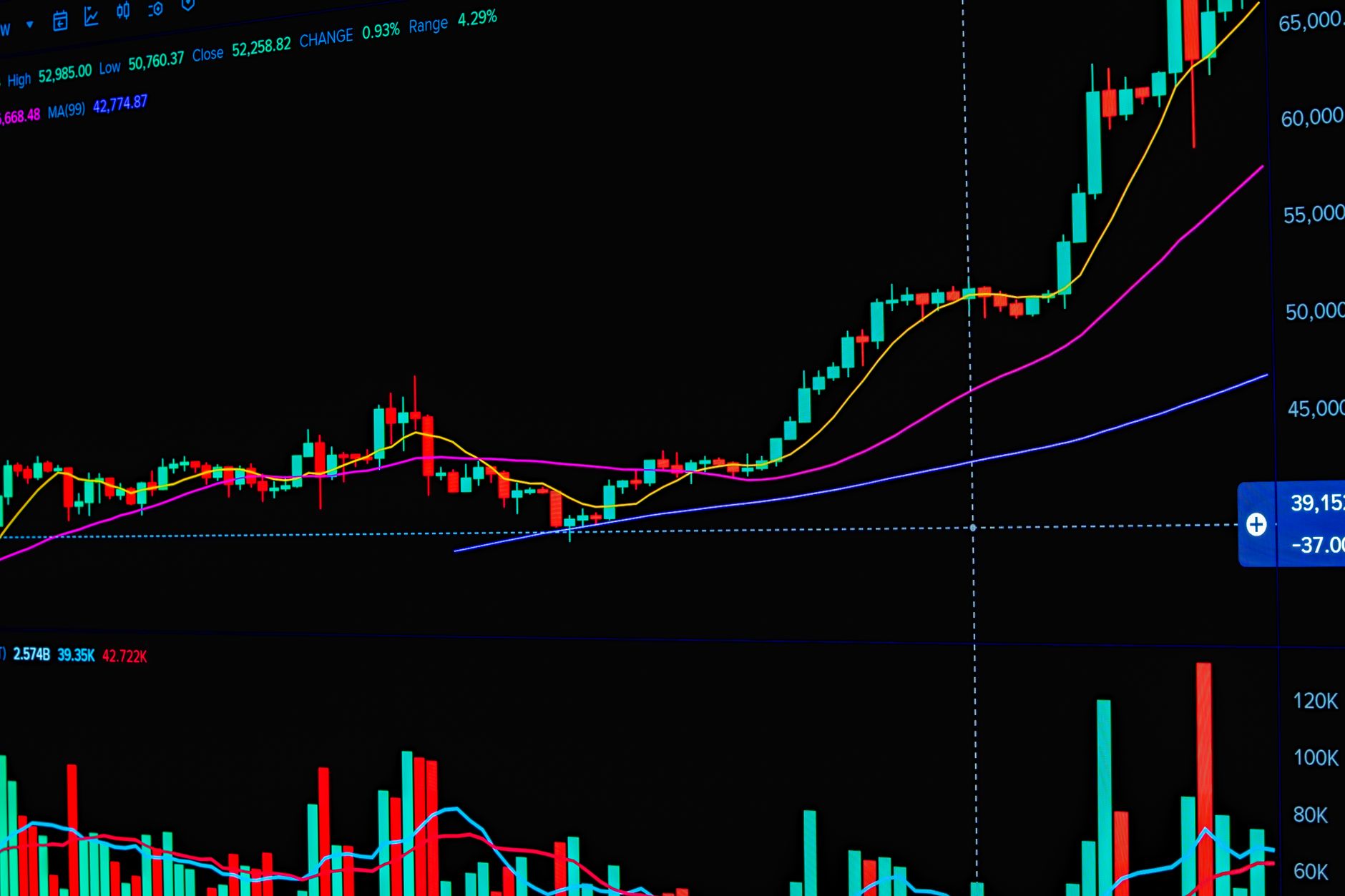
Nasdaq Hits Record As AI Stocks Surge, S&P and Dow Also Rise
Stock futures remained relatively unchanged on Monday evening after the Nasdaq Composite achieved a record high during the regular trading session. S&P 500 futures inched up 0.08%, and Dow futures rose by 57 points, or 0.1%. The Nasdaq-100 futures increased by 0.09%. The day's trading saw the Nasdaq Composite gain around 1% to hit an all-time high. The Dow Jones Industrial Average gained approximately 90 points, or 0.2%, and the S&P 500 added 0.7%. Notably, stocks associated with artificial intelligence, such as SpaceX, Nvidia, and Tesla, made significant gains, rising over 2% each. Meta Platforms and Microsoft, too, saw increases of over 1%. In Asia, market optimism was apparent as indices were expected to open higher. Japan's Nikkei 225 futures indicated a rise, with figures of 70,195, compared to its prior close of 69,946.86. Hong Kong's Hang Seng index futures stood at 24,266, higher than its last close of 24,040.34. However, Mainland China markets remained closed due to a holiday. Meanwhile, oil prices decreased, with Brent crude futures dropping 1.9% and West Texas Intermediate crude down by 1.8%. The U.S. Treasury yields continued to rise, with the 10-year note surpassing 5.3% and the 30-year yield breaching 5.7%, reaching levels last seen 24 years ago. Traders are keenly observing the Federal Reserve's upcoming minutes from its September meeting, set to release on Wednesday, which might reveal insights into future rate hikes. For investors, this matters because higher Treasury yields could influence borrowing costs and market valuations, while record highs in the Nasdaq may indicate strengthening tech stocks.
Read More: Nasdaq Hits Record As AI Stocks Surge, S&P and Dow Also Rise
Telos (TLS) Stock Rallies Following Recent Developments
Telos (TLS), a cybersecurity firm listed on the NASDAQ, is seeing a rally in its stock price today. The increase in stock value is attributed to recent developments within the company, although specific figures driving the change were not disclosed in the article. Investors appear to be reacting positively to the news, although the details remain unclear from the report. This movement highlights Telos's current market position as investors await further announcements. Without specific numbers or detailed events mentioned, it's difficult to assess the precise market impact, but the rally itself signals investor optimism. For ordinary investors, tracking subsequent company announcements and quarterly reports may provide more insight into the company's performance trajectory.
Read More: Telos (TLS) Stock Rallies Following Recent Developments
S&P/TSX Composite Drops Nearly 100 Points as U.S. Markets Stay Mixed
The S&P/TSX Composite Index fell by nearly 100 points, indicating a downturn in Canada's principal stock market. At the same time, U.S. stock markets presented a mixed picture. The decline in the S&P/TSX Composite reflects investor sentiment and market conditions specific to Canada and factors influencing the North American markets broadly. This movement points to variations in market confidence or economic indicators affecting investment strategies on both sides of the border. In the context of these market fluctuations, individual sectors or stocks may have been impacted differently. A shifting economic outlook, policy decisions, or company-specific news often influence such moves, although the article does not specify detailed causes. Such index changes can influence investor portfolios that rely on these markets for returns or diversification benefits. Understanding these movements is significant for investors because they signal potential shifts in market conditions, which could impact returns. Investors should monitor further developments that might influence the indices or underlying stocks.
Read More: S&P/TSX Composite Drops Nearly 100 Points as U.S. Markets Stay MixedNasdaq Reaches Intraday Record as Soft Jobs Data Calms Rate Fears
Equity markets rose on Friday, driven by a softer-than-expected jobs report, which eased concerns about potential future rate hikes by the Federal Reserve. This was led by technology stocks, with Nvidia emerging as a prominent performer, pushing the Nasdaq to an intraday record. Despite the positive day, the Dow and S&P 500 recorded weekly losses, contrasting with the day's upbeat performance on the Nasdaq. The weaker jobs data contributed to a decline in expectations for imminent Federal Reserve rate hikes. As rate concerns diminished, tech stocks, particularly Nvidia, saw strong gains, contributing to the Nasdaq's record-setting intraday performance. Broader market reactions varied, with indexes such as the Dow and S&P 500 still closing their weeks in the red. The market's response to this jobs data is significant for ordinary investors as it temporarily quelled fears of aggressive Federal Reserve actions, potentially influencing future equity market movements and borrowing costs.
Read More: Nasdaq Reaches Intraday Record as Soft Jobs Data Calms Rate Fears
Dow Rises 400 Points, Yield Falls on Soft Jobs Data
The Dow Jones Industrial Average rose by 400 points following the release of weaker-than-expected jobs data. This report led to a fall in bond yields, as the numbers were perceived as reducing the likelihood of immediate interest rate hikes. The Nasdaq also achieved a record high on the back of this data. Analysts, such as BlackRock's Rosenberg, interpreted this data as 'dovish', implying more accommodative central bank policies might ensue. The lower yield perceptions stem from the softened hiring numbers, which have calmed the previously unsettled bond market. Softer job figures have decreased market expectations of aggressive interest rate hikes. This dynamic has positively impacted stock markets, notably the Dow and Nasdaq. The yield fall followed the publication of this employment data, with the bond market responding to the tempered outlook on rate hikes. The bond market's reaction to the job figures shows a more cautious approach, favoring equities. For investors, the reduced pressure on yields and lower anticipated rate increases could boost equities further, improving the attractiveness of stocks over bonds.
Read More: Dow Rises 400 Points, Yield Falls on Soft Jobs Data
Alpha Modus Holdings Completes $250 Million Bitcoin PIPE Transaction
Alpha Modus Holdings has completed a $250 million private investment in public equity (PIPE) transaction focused on bitcoin. This move allows the company to regain compliance with Nasdaq listing requirements. The PIPE transaction signifies continued interest in cryptocurrency investments, which may influence market dynamics. For investors, this completion of a significant capital raise could impact Alpha Modus Holdings' future funding and operations in the crypto space.
Read More: Alpha Modus Holdings Completes $250 Million Bitcoin PIPE Transaction
Robinhood (HOOD) Shares Surge in Premarket Trading Following News
Robinhood (HOOD) is experiencing significant movement prior to market opening, alongside notable stocks like Boeing and Moderna. While specific trading volumes or percentage changes for these companies were not mentioned, the article highlights the increased attention on Robinhood. Understanding these premarket activities may provide investors with insights on market trends and potential price adjustments. This is relevant for ordinary investors looking to assess trading opportunities based on premarket performance.
Read More: Robinhood (HOOD) Shares Surge in Premarket Trading Following NewsDow Jones Futures Up 0.16% Amid Rising Treasury Yields
Stock futures rose slightly on Tuesday, with Dow Jones Industrial Average contracts increasing by 0.16% and S&P 500 futures matching this rise. Nasdaq-100 futures were higher by 0.26%. However, the 30-year Treasury bond yield exceeded 5.6%, the highest level since June 2002, while the 10-year yield approached a 2007 high near 5.3%. These increases led to declines in major indexes during the previous trading session, and traders are now focusing on the upcoming Personal Consumption Expenditures price index, with expectations of a 0.3% increase for August.
Read More: Dow Jones Futures Up 0.16% Amid Rising Treasury Yields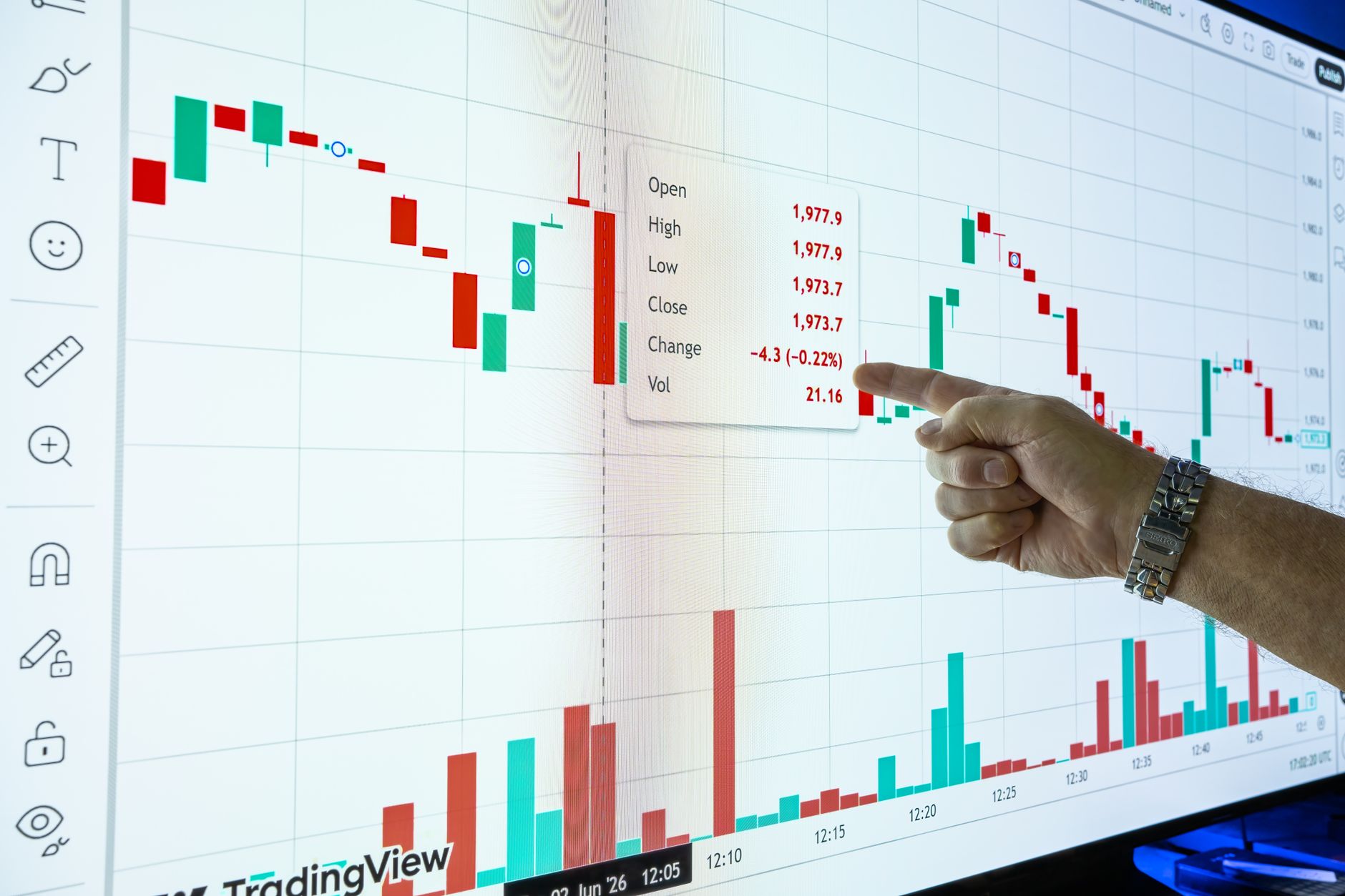
Futures Little Changed after Dow Falls Over 300 Points
Stock futures were mostly unchanged on Monday night, following a session where the Dow Jones Industrial Average dropped more than 300 points. The S&P 500 declined by 0.8%, and the Nasdaq Composite fell by 0.9%. Treasury yields continued to rise, with the 10-year note yield closing above 5.2%, and the 30-year note at 5.56%. This trend signals potential challenges for investors as higher interest rates may impact equity markets moving forward.
Read More: Futures Little Changed after Dow Falls Over 300 Points
Meta Platforms (META) Leads Major Pre-Market Stock Moves
In premarket trading, Meta Platforms (META) showed significant movement alongside United Airlines and Nvidia. While specific figures for Meta were not provided, it was highlighted as one of the stocks to watch in early trading today. This movement in shares may reflect broader market activities ahead of economic indicators and earnings reports. The attention toward these stocks indicates potential opportunities for traders and investors looking for volatility.
Read More: Meta Platforms (META) Leads Major Pre-Market Stock Moves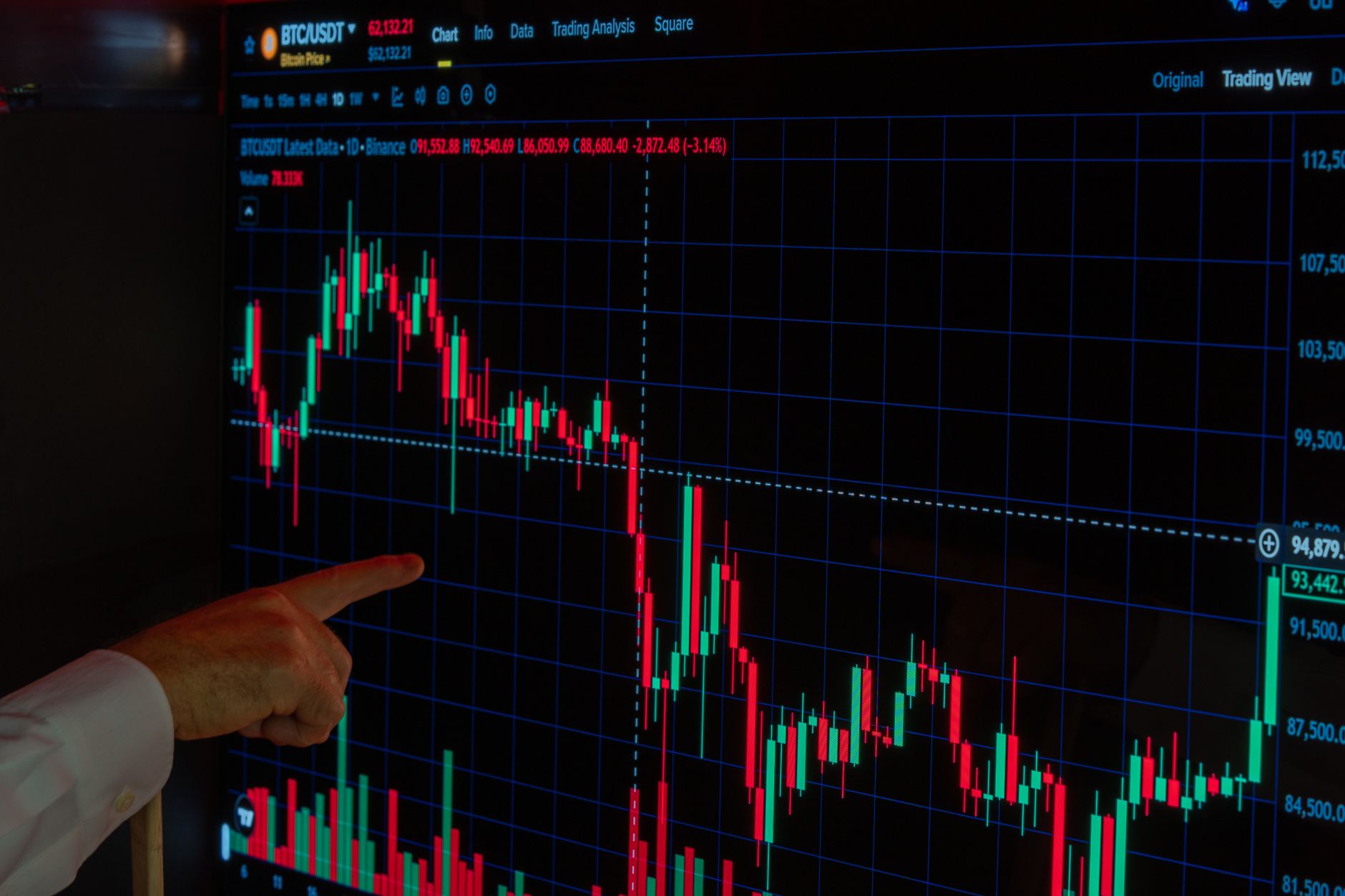
Stock Futures Slip 0.1% Ahead of Inflation and Jobs Data
U.S. stock futures are down 0.1% for both the S&P 500 and Nasdaq. This comes after a previous week of gains on Wall Street. Investors are anticipating upcoming inflation and jobs data that could influence market conditions. The slight decline indicates cautious sentiment ahead of these important economic indicators, which can affect trading volumes and market volatility. For ordinary investors, monitoring these data releases is crucial as they may impact market trends and investment strategies.
Read More: Stock Futures Slip 0.1% Ahead of Inflation and Jobs Data
Bond Yields Surge Above 5% as Wall Street Fears Fed Rate Hikes
Bond yields have surpassed 5%, impacting stock performance on Wall Street. The Nasdaq and S&P 500 indices are declining, retreating from previous record levels. This sudden increase in yields suggests a shift in market sentiment regarding future Federal Reserve interest rate hikes. Higher bond yields typically lead to increased borrowing costs, which can affect corporate profits and investor preferences. Such changes in yields and rates could influence the broader market, affecting investor strategies.
Read More: Bond Yields Surge Above 5% as Wall Street Fears Fed Rate Hikes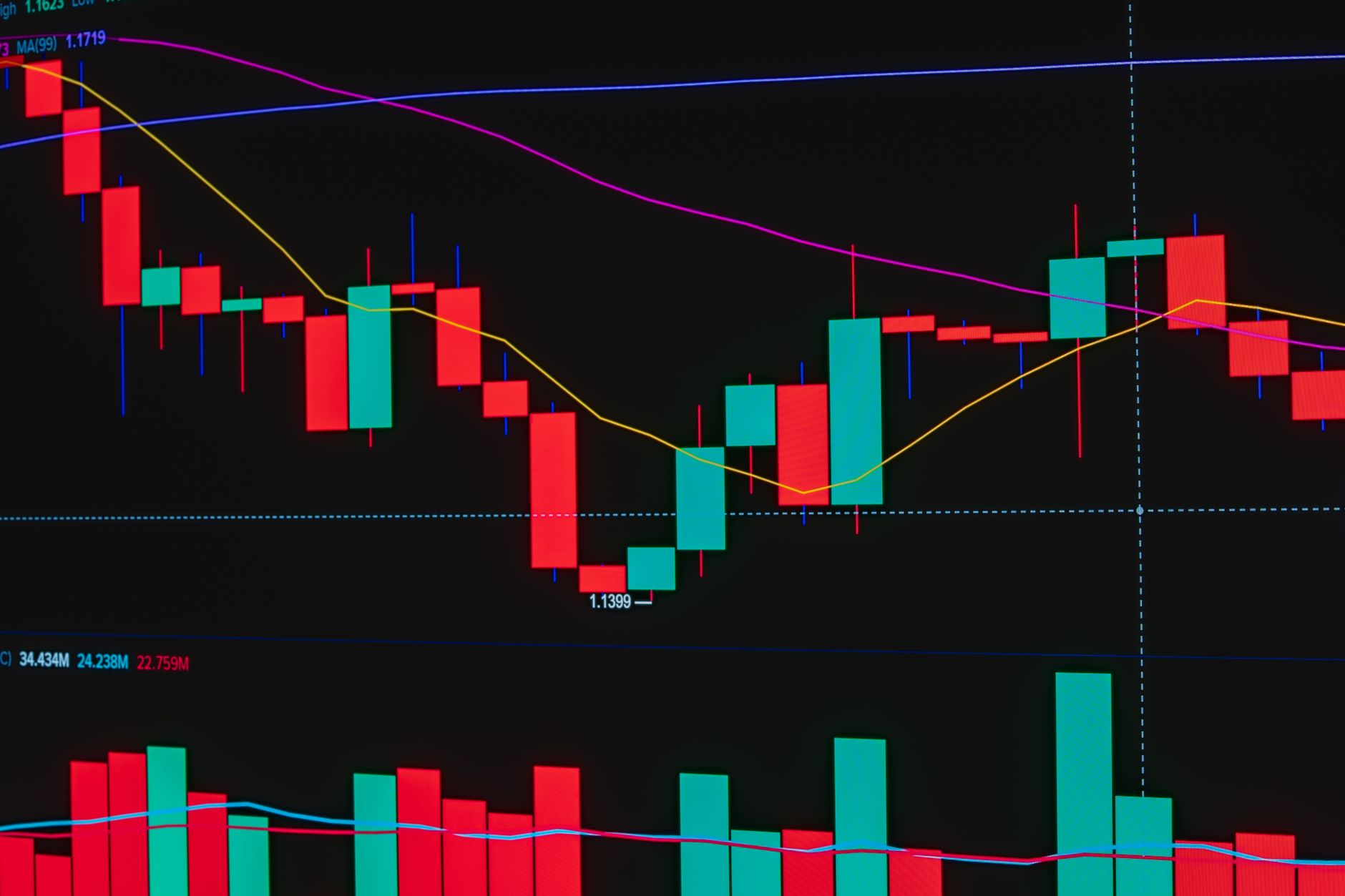
Nasdaq Hits New High; Dow Jones Futures Fall After Latest Signals
The article reports that Dow Jones futures have fallen following a new high in the Nasdaq. Additionally, Sandisk and Micron have triggered buy signals. Despite these developments, specific numbers regarding the extent of the declines or increases are not provided. Investors should pay attention to these signals as they could indicate potential trading opportunities.
Read More: Nasdaq Hits New High; Dow Jones Futures Fall After Latest Signals
S&P 500 Futures Up 0.12% as Nasdaq Hits Record High
U.S. equity futures are trading higher, with S&P 500 futures adding 0.12% and Nasdaq-100 futures up 0.14%. The Dow futures rose by 73 points, or 0.14%. The Nasdaq Composite achieved an all-time intraday high on Tuesday, closing at a record, while the S&P 500 finished slightly lower but remains 0.7% from its all-time high. Traders are also monitoring upcoming earnings reports from companies like General Mills and Paychex, which could influence market movement for investors.
Read More: S&P 500 Futures Up 0.12% as Nasdaq Hits Record High
Oil Sinks Below $100; Dow Futures Gain in Stock Market Updates
Dow futures experienced gains as oil prices fell below $100. Markets like the Nasdaq, Dow, and S&P 500 remained relatively unchanged, influenced by ongoing AI-related trading activity. The Nasdaq has recently hit a record closing level, driven by rising interest in AI stocks. This development in oil prices and stock performance may affect investor strategies regarding energy and technology sectors.
Read More: Oil Sinks Below $100; Dow Futures Gain in Stock Market Updates
Taiwan's Tech Index Rises Over 60% This Year
Taiwan's tech-heavy index has reached its highest level after experiencing an increase of over 60% this year. This surge reflects the optimism surrounding artificial intelligence (AI) and its impact on technology stocks in the region. Additionally, the Nasdaq has also ended at a record high, indicating strong market performance. This matters for investors as it highlights the growing importance of AI-related technologies, which could drive future market gains.
Read More: Taiwan's Tech Index Rises Over 60% This Year
Asia Stocks Rise Tracking U.S. Tech Rally Amid Trump-Xi Meeting
Asian stocks increased in value, following a rally in U.S. technology shares. This trend indicates positive investor sentiment derived from developments in U.S. tech markets. Market participants are also closely monitoring the upcoming meeting between Donald Trump and Xi Jinping, which could influence economic relations. This potentially impactful meeting on trade and tariffs is relevant for investors as it could impact supply chains and market stability.
Read More: Asia Stocks Rise Tracking U.S. Tech Rally Amid Trump-Xi Meeting
Nasdaq Rises 2% to Record High on Cooling Oil Prices
On September 21, 2026, the Nasdaq rose 2% to close at a record high, driven by a surge in AI stocks alongside falling oil prices and bond yields. This uptick represents momentum in the tech sector, indicating investor confidence. The S&P 500 index also sees upward movement, fueled by the same factors impacting Nasdaq. The drop in oil prices directly contributes to this market rally, emphasizing how energy costs can influence stock performance. This situation highlights that reduced oil prices can positively affect tech stocks, benefiting ordinary investors through potential growth in these sectors.
Read More: Nasdaq Rises 2% to Record High on Cooling Oil PricesNasdaq Hits Record-High Close Amid AI Optimism and Yields Retreat
The Nasdaq Composite Index reached a record-high close on an optimistic outlook for artificial intelligence (AI) technology. This surge follows a decline in U.S. Treasury yields, a trend encouraged by investor sentiment favoring tech stocks. Key factors include strong demand in the AI sector and a favorable interest rate environment, which together support growth in technology shares. This shift is important for ordinary investors, as lower Treasury yields often lead to higher stock valuations, particularly in growth sectors like technology.
Read More: Nasdaq Hits Record-High Close Amid AI Optimism and Yields Retreat
Nasdaq Record Close Expected After AI Stocks Rally
The Nasdaq index is poised for its first record close since June, driven by strong performance from AI-related stocks. Meta's stock price surged, contributing significantly to the overall rally in the sector. This boost indicates a growing investor interest in technology, particularly in artificial intelligence. The potential gains in tech stocks could positively impact market valuations, influencing broader investment strategies. Tracking these trends is crucial for investors as technology shares often dictate market movements.
Read More: Nasdaq Record Close Expected After AI Stocks Rally
Robinhood (HOOD) and AMD Lead Market Upticks Amid Mixed Trading
Dow Jones futures are set to open on Sunday evening, with the 10-year Treasury yield at 5%. While the Nasdaq posted modest gains, the Dow Jones and small-cap Russell 2000 fell to three-month lows. The S&P 500 remained stable during the mixed market activity. This matters for investors as the performance of key stocks like Robinhood (HOOD) and AMD can signal shifts in market trends and trading strategies, reflecting broader investor sentiment.
Read More: Robinhood (HOOD) and AMD Lead Market Upticks Amid Mixed Trading