INFLATION News & Analysis
50 articles
Market Mood

$20 Burritos Spark Inflation Debate Among Political Figures
The debate over a $20 burrito ignited discussions about inflation and affordability in America, as political figures weighed in on social media. Andrew Kolvet from Turning Point USA highlighted consumer experiences with rising costs, stating that it feels like basic items are becoming too expensive. Ben Shapiro suggested that paying $20 for a burrito indicates a larger issue unrelated to inflation. Vice President JD Vance and Tucker Carlson acknowledged affordability concerns, emphasizing the relevance of food prices for everyday Americans. This dialogue reflects ongoing apprehensions regarding the economic impact of inflation for the ordinary consumer.
Read More: $20 Burritos Spark Inflation Debate Among Political Figures
30-Year Treasury Yield Hits 5.33%, Highest Since 2002
On Tuesday, U.S. 30-year Treasury yields increased by 2 basis points to 5.33%, marking their highest level since 2002. This rise is attributed to concerns over the U.S. fiscal situation, highlighted by a fiscal deficit of $432.3 billion in July, the highest since March 2021, leading to a year-to-date shortfall of nearly $1.8 trillion. The 10-year Treasury note yield rose to 4.74%, while the 2-year Treasury note yield reached 4.186%. These trends indicate rising government borrowing costs and may impact borrowing rates for ordinary consumers, making it significant for investors.
Read More: 30-Year Treasury Yield Hits 5.33%, Highest Since 2002
Home Depot (HD) Reports Q2 Results, Reaffirms 2026 Guidance Amid Inflation
Home Depot (HD) reported fiscal second-quarter earnings of $4.92 per share, exceeding the $4.73 expected by analysts and generating revenue of $47.86 billion, beating the $47.27 billion forecast. Comparable sales increased by 1.7%, surpassing the 0.9% expectation, marking the highest performance since Q3 2022. Despite a 'frozen housing market,' the company reaffirmed its 2026 fiscal guidance, projecting total sales growth of 2.5% to 4.5% and operating margin between 12.4% and 12.6%. This performance indicates that Home Depot is gaining market share, which is critical for investors to understand in a sluggish housing environment.
Read More: Home Depot (HD) Reports Q2 Results, Reaffirms 2026 Guidance Amid Inflation
Asian Stocks Decline as Oil Prices Rise, Reviving Inflation Concerns
Asian stocks have retreated as concerns about rising oil prices overshadow positive earnings reports. The increase in Brent crude prices has contributed to fears about inflation and stagflation, causing US stocks to also edge further from record highs. This market reaction suggests a tightening environment as investors weigh elevated energy costs against corporate earnings. For investors, the combination of rising commodity prices and inflation fears may signal increased market volatility.
Read More: Asian Stocks Decline as Oil Prices Rise, Reviving Inflation Concerns
30-Year Treasury Yield Hits 5.31%, Highest Since June 2007
On July 23, 2026, the 30-year Treasury yield increased to 5.311%, its highest level in 19 years. Concurrently, the 10-year Treasury yield rose to 4.724%, while the 2-year Treasury yield reached 4.182%. Concerns over persistent inflation and a high U.S. budget deficit have contributed to these increases. Oil prices also rose, with West Texas Intermediate futures trading above $84 per barrel. This trend in Treasury yields and inflation concerns may impact borrowing costs and investor decisions regarding government debt.
Read More: 30-Year Treasury Yield Hits 5.31%, Highest Since June 2007
Philippine Central Bank Projects Gradual Inflation Easing Ahead
The Philippine central bank has stated that inflation is expected to ease gradually, although there have been mentions of potential risks that may keep it elevated. This outlook is essential for markets as it informs monetary policy decisions, which can influence interest rates and economic growth. Key factors affecting inflation will be closely monitored by investors. Understanding inflation trends is crucial for ordinary investors, as it impacts purchasing power and investment strategies in the market.
Read More: Philippine Central Bank Projects Gradual Inflation Easing Ahead
Inflation in Retirement: Strategies to Combat Rising Costs
In retirement, planning for rising costs due to inflation is essential. It's recommended that retirees keep around 50% of their portfolio in stocks to avoid too much risk, while also considering bonds for predictable income. Individuals eligible for Social Security benefits can increase their monthly checks by delaying claims until age 70, which results in an 8% permanent boost for each year delayed. This planning is crucial for retirees to maintain their standard of living and combat inflation effectively.
Read More: Inflation in Retirement: Strategies to Combat Rising Costs
Walmart (WMT) and Target (TGT) Earnings Reports Set to Reveal Consumer Health
Walmart (WMT) and Target (TGT) are scheduled to release their earnings reports. These reports will provide insights into consumer spending during a period marked by persistent inflation. Investor interest is high as these financial results will indicate how well shoppers are managing inflationary pressures. The forthcoming earnings data is essential for understanding retail sector performance and broader economic trends.
Read More: Walmart (WMT) and Target (TGT) Earnings Reports Set to Reveal Consumer Health
Central Banks Face Repeated Crisis Cycle Amid Economic Challenges
Central banks are experiencing recurring crises, impacting their decision-making processes. This ongoing cycle suggests a challenging environment for monetary policy adjustments as economic signals fluctuate. Investors may need to be wary of potential changes in interest rates and the implications for inflation and growth. Understanding these market dynamics is crucial for predicting future movements in asset prices and interest-related instruments.
Read More: Central Banks Face Repeated Crisis Cycle Amid Economic Challenges
Home Depot (HD) Gains $353M Bill Gates Investment Amid Risks
The Bill & Melinda Gates Foundation Trust disclosed a new position in Home Depot (HD) valued at approximately $353 million during Q2. Currently, HD's stock has decreased by about 15% over the past year due to high mortgage rates and inflation pressures affecting home construction and renovation projects. Home Depot anticipates fiscal 2026 comparable-sales growth to be between 0% and 2%, down from 0.3% in 2025. The company expects its adjusted operating margin to decline to between 12.4% and 12.6%, compared to 13.1% last year, despite trading at about 23 times forward earnings.
Read More: Home Depot (HD) Gains $353M Bill Gates Investment Amid Risks
Fed's Goolsbee Indicates Better Inflation Data Impacts Markets
Federal Reserve's Goolsbee stated that the latest inflation data shows improvement, which is a positive sign for the economy. While specific figures were not detailed, this information suggests that inflation pressures may be easing. Improved inflation metrics could influence future monetary policy decisions by the Federal Reserve. For investors, this highlights the potential for a more stable economic environment, which may impact market conditions positively.
Read More: Fed's Goolsbee Indicates Better Inflation Data Impacts Markets
Silver Surges 405% vs Gold's 170% Amid Supply Shortage
Silver experienced a 405% increase from its trough to peak, compared to gold's 170%. In the last month, silver has gained 16%, while gold's recovery stands at 10%. Silver's demand is significantly driven by industrial applications, with 50% of its annual use linked to sectors like solar panels and AI infrastructure. The VanEck Gold Miners ETF (GDX) reported $419 million in inflows this month, including a record single-day inflow of $25 million. This trend indicates that renewed interest in precious metals is likely to benefit investors, particularly in silver and gold.
Read More: Silver Surges 405% vs Gold's 170% Amid Supply Shortage
Gold Prices Open Above $4,400 With 10% Monthly Gain Reported
On August 14, 2026, gold (GC=F) December futures opened at $4,408.20 per troy ounce, down 0.3% from the previous day. However, the price increased to $4,419.60 later in the morning. Gold has shown a monthly gain of over 10%, attributed to softening inflation, which has led to reduced expectations for a rate increase by the Federal Reserve next month. Currently, there is a 69.4% chance the Fed will hold rates steady in September, affecting precious metal prices. This situation indicates that gold may be a hedge for investors seeking stability amid changing interest rates.
Read More: Gold Prices Open Above $4,400 With 10% Monthly Gain Reported
Treasury Yields Change Minutely Amid U.S. Iran Sanctions Threat
U.S. Treasury yields showed minimal changes, with the 10-year note rising to 4.645% and the 2-year note dropping to 4.129%. The 30-year bond yield increased by 2 basis points to 5.231%. This fluctuation follows U.S. Treasury Secretary Scott Bessent's remarks about ongoing economic sanctions against Iran, which could include indefinite naval blockades. For investors, the stability in yields suggests limited movement, but ongoing geopolitical tensions may impact Treasury rates and decision-making in the bond market.
Read More: Treasury Yields Change Minutely Amid U.S. Iran Sanctions Threat
S&P 500 Hits Record-High Close Above 7,800, Affects Markets
Stock futures are little changed following the S&P 500's record close above 7,800. The gains come amid falling oil prices and improving inflation data, contributing to positive market sentiment. The overall impacts include a winning week for the S&P 500 and Nasdaq, while the Dow experienced a dip. This upward movement in major indices indicates a stabilizing market environment, which can influence investor confidence and decision-making.
Read More: S&P 500 Hits Record-High Close Above 7,800, Affects Markets
S&P 500 Hits Record Close Amid Unchanged Wholesale Inflation
The S&P 500 closed at a record high, supported by softer-than-expected inflation data for July and falling oil prices. Wholesale inflation showed no change in July, contributing to easing rate-hike concerns among investors. The Dow experienced a slight decline while the Nasdaq and S&P 500 gained. This development is significant as it indicates a potential stabilization in the market, making it a crucial time for investors to evaluate their positions in relation to inflation trends and interest rate expectations.
Read More: S&P 500 Hits Record Close Amid Unchanged Wholesale Inflation
AI Infrastructure Spending Hits $581 Billion Amid Inflation Challenges
Capital expenditure on AI build-out is projected to reach $581 billion in the U.S. this year, with global spending estimated at $1 trillion. This spending currently represents 1.8% of U.S. gross domestic product (GDP), expected to increase to 2.8% by 2028. Despite the hype surrounding AI's deflationary potential, adoption has been slow, potentially causing short-term inflation. This situation complicates the Federal Reserve's efforts to manage inflation, as rising costs associated with AI infrastructure do not yet translate to clear productivity gains for the economy.
Read More: AI Infrastructure Spending Hits $581 Billion Amid Inflation Challenges
Treasury Yields Drop as Investors Await July Wholesale Inflation Data
U.S. Treasury yields decreased on Thursday, with the 10-year note yield falling 2 basis points to 4.672%. The 2-year Treasury note yield also dropped more than 2 basis points to 4.178%, while the 30-year bond yield fell less than 1 basis point to 5.238%. The upcoming producer price index for July is expected to show a 0.2% increase from the prior month. These inflation readings could influence Federal Reserve decisions regarding interest rates, impacting market expectations and borrowing costs for investors.
Read More: Treasury Yields Drop as Investors Await July Wholesale Inflation Data
European Bonds Flat Amid Mixed Data and U.S. Inflation
European bond yields remained flat as traders processed a mix of data, including U.S. inflation figures that aligned with expectations. The overall performance reflects cautious sentiment in the market, as investors assess economic indicators that could influence future monetary policy decisions. The close tracking of inflation numbers suggests stability, but uncertainty persists in how this will affect interest rates. This environment is particularly relevant for bond investors seeking to navigate these mixed signals.
Read More: European Bonds Flat Amid Mixed Data and U.S. Inflation
UK Economy Grows 0.3% in June Amid World Cup Boost
The UK economy saw month-on-month growth of 0.3% in June, attributed to good weather and the men's football World Cup, which began mid-June. May's growth was revised down from 0.1% to zero growth. The pace of growth has slowed over the three months leading to the end of June, affected by ongoing geopolitical tensions and domestic political uncertainty. Economists predict challenges ahead, with expectations for rising inflation and unemployment, indicating potential difficulties for businesses and households. This matters for investors as it signals an uncertain economic outlook in the UK.
Read More: UK Economy Grows 0.3% in June Amid World Cup Boost
Gold Mining Stocks Surge, Gold Price Drop of 18% Noted
Gold has fallen from a 10-year high over $5,300 an ounce by approximately 18% in 2026. Last week marked gold's best performance since January, while gold mining stocks saw their strongest five-day run since 2008. The People's Bank of China (PBOC) added 19.9 tons of gold in July, the largest month since October 2023 and continuing its 21-month accumulation trend. For ordinary investors, these developments highlight the volatility and potential recovery in the gold market, which could impact investment opportunities in gold and related sectors.
Read More: Gold Mining Stocks Surge, Gold Price Drop of 18% Noted
Lettuce Prices Drop 16.4% Due to Cyclospora Outbreak in July
In July, lettuce prices fell 16.4% from June, marking the largest one-month decline on record due to consumer avoidance linked to a cyclospora outbreak. This drop occurred despite a 7.5% year-over-year increase in lettuce prices, which had previously reached all-time highs. The FDA identified iceberg lettuce from a Taylor Farms facility in Mexico as the outbreak's source, leading to a voluntary recall. The decline in lettuce sales reflects broader consumer concerns affecting restaurants, with prepackaged salad sales down 14% year-over-year. This matters because decreased prices could entice shoppers, but food safety fears may limit spending on lettuce.
Read More: Lettuce Prices Drop 16.4% Due to Cyclospora Outbreak in July
In-Line Inflation Reading Helps Fed Maintain Forecast Approach
The recent inflation data aligns with the Federal Reserve's projections, providing it with more leeway in managing interest rates. The Federal Reserve aims to sustain its inflation targets, observing that the current trends do not necessitate immediate rate adjustments. This stability supports market confidence, as investors anticipate consistent economic conditions. The maintained forecasts reflect a balanced approach towards inflation and interest rates, which could influence investor decisions in upcoming financial periods.
Read More: In-Line Inflation Reading Helps Fed Maintain Forecast Approach
Silver (SI=F) Prices Rise Above $66 Amid Easing Inflation Expectations
On August 12, 2026, silver (SI=F) September futures opened at $64.87 per ounce, down 0.1% from the previous closing price. However, silver prices increased to $66.49 by 7:45 a.m. ET, marking a high not seen since June. Expectations for the upcoming July CPI report suggest easing inflation compared to June. Additionally, silver has increased by 3.9% over the past week, 8.2% over the past month, and 72.8% year-over-year. Understanding these dynamics may help investors assess potential opportunities in the silver market due to anticipated inflation trends.
Read More: Silver (SI=F) Prices Rise Above $66 Amid Easing Inflation Expectations
July Inflation Expected at 3.4%, Markets Await Federal Reserve Decision
US stock futures showed little movement as traders await July inflation data, which is projected to show a 3.4% year-on-year increase, down from 3.5% in June. Dow futures remained flat, while S&P 500 contracts rose 0.2% and Nasdaq 100 gained 0.6%. Traders are weighing a 50-50 chance of a rate hike by the Federal Reserve in September, a noticeable shift following a weaker-than-expected July jobs report. This upcoming inflation data could influence market direction significantly, impacting investor strategies around interest rates.
Read More: July Inflation Expected at 3.4%, Markets Await Federal Reserve Decision
CPI Predictions: July Consumer Price Index Expected to Rise 0.1%
The July consumer price index (CPI) will be released today at 8:30 AM EDT, with economists forecasting a month-over-month increase of 0.1% and a year-over-year rise of 3.4%. Core CPI is expected to rise 0.2% month-over-month and 2.5% year-over-year. Performance on Wall Street may be impacted, as analysts suggest that if numbers exceed expectations, a significant sell-off could occur. Notably, major indices mostly closed lower yesterday, with the Nasdaq down 0.60% and the S&P 500 down 0.32%. This is important for investors as inflation data can affect market conditions significantly.
Read More: CPI Predictions: July Consumer Price Index Expected to Rise 0.1%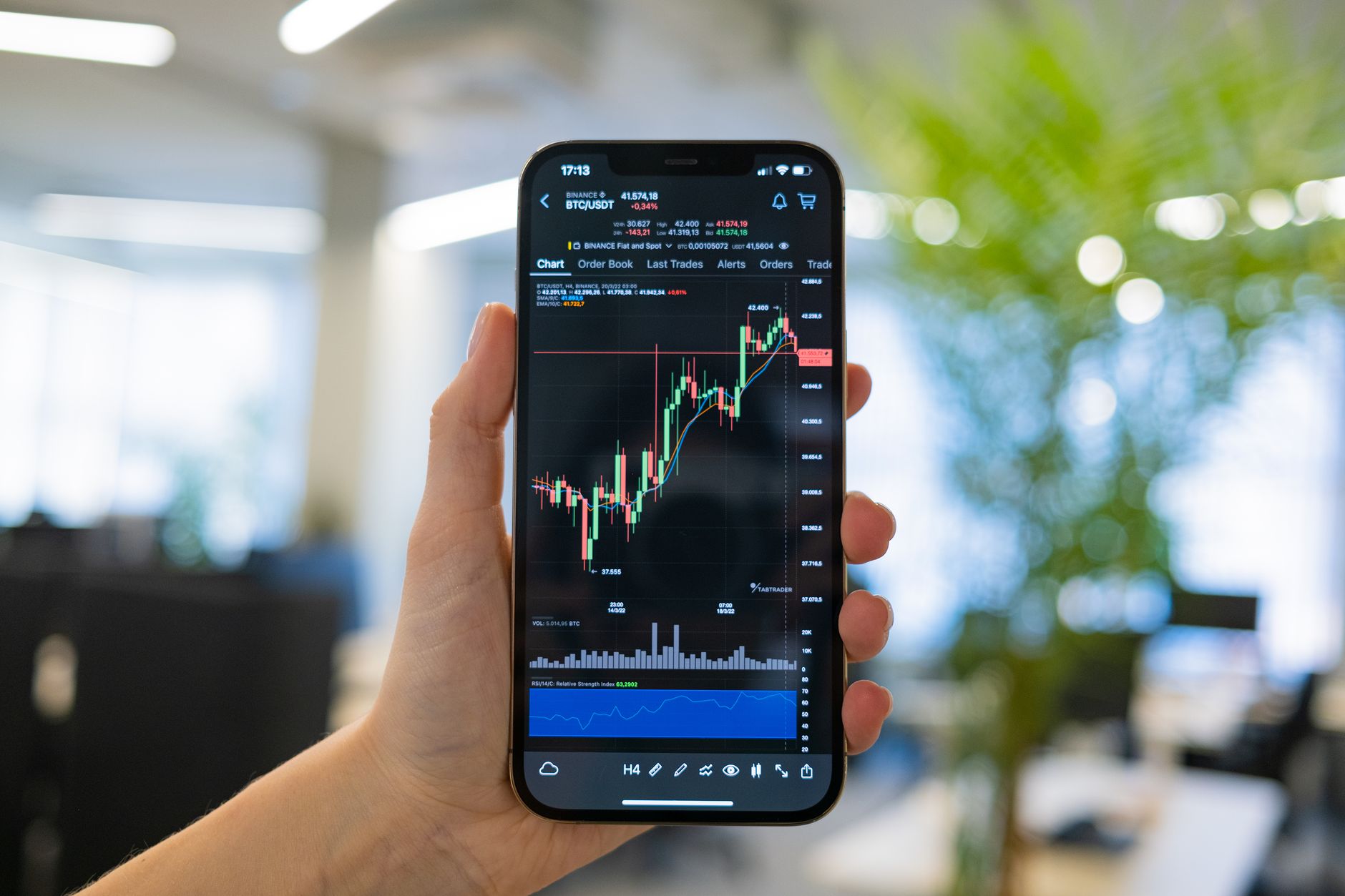
European Stocks Hold Steady Ahead of US Inflation Data Release
European stocks are showing little movement as investors await U.S. inflation data. The current economic sentiment is cautious, with markets anticipating the Consumer Price Index report. With inflation being a major economic indicator, changes in this data can significantly influence central bank policies. The upcoming figures are critical as they may impact markets globally and influence investor decisions. Understanding inflation trends can help ordinary investors strategize their investments effectively.
Read More: European Stocks Hold Steady Ahead of US Inflation Data Release
European Stocks Decline Amid Oil Surge and U.S. Inflation Concerns
European stocks posted a slight decline as investors grappled with a six-day surge in oil prices. This increase, reaching levels not seen in recent months, is compounded by looming U.S. inflation reports, whichcould impact market sentiment. The situation raises concerns about rising production costs that may affect various sectors. The combined pressures of commodity prices and inflation data are crucial for market stability and investor strategies.
Read More: European Stocks Decline Amid Oil Surge and U.S. Inflation Concerns
Euro's Limited Rise Predicted Amid U.S. Inflation Forecasts Impact
Analysts suggest that the Euro is unlikely to appreciate significantly if U.S. inflation data falls short of expectations. This prediction comes amidst growing concerns over how U.S. economic indicators will impact the global currency market. The Euro's movements are closely tied to U.S. inflation metrics, with substantial fluctuations expected depending on the upcoming reports. Ordinary investors should monitor U.S. inflation data as it could influence currency exchange rates and broader market dynamics.
Read More: Euro's Limited Rise Predicted Amid U.S. Inflation Forecasts ImpactTSX Futures Rise Amid U.S. Inflation Data and Oil Prices
TSX futures increased as investors reacted to U.S. inflation data and fluctuating oil prices. The article mentions that choppy oil prices remain a focal point for the market's direction. Market participants are adjusting their strategies based on these factors. This is relevant for investors as U.S. inflation and oil price trends can impact broader market performance and investment decisions.
Read More: TSX Futures Rise Amid U.S. Inflation Data and Oil Prices
TSX Futures Rise Amid U.S. Inflation Data and Oil Price Changes
TSX futures showed an upward trend as U.S. inflation data was released. Investors are focusing on the fluctuations in oil prices, which have been described as choppy. Choppy oil prices can lead to uncertainty in markets, affecting investor sentiment. The movement in TSX futures may signal a cautious optimism among investors based on economic indicators. This matters for ordinary investors as it suggests potential volatility and opportunities in the market.
Read More: TSX Futures Rise Amid U.S. Inflation Data and Oil Price Changes
Brazil Central Bank Confirms Demand-Driven Inflation Amid Rate Hikes
The Central Bank of Brazil stated that inflation persists as demand-driven, despite the rising effects of interest rate increases. The monetary authority faces pressure to balance its inflation targets while managing economic growth. Recent data suggested that inflation may remain above target levels, influencing market expectations. This situation may affect investor sentiment and decisions regarding Brazilian assets going forward.
Read More: Brazil Central Bank Confirms Demand-Driven Inflation Amid Rate Hikes
Gold Prices Open at $4,446.90 Amid Ongoing Iran Tensions
On August 11, 2026, gold December futures opened at $4,446.90 per troy ounce, a 0.6% increase from the previous day. As of 7:40 a.m. ET, the price held steady at $4,445.30. This marks the second consecutive day gold prices have remained above $4,400, despite escalating tensions between the U.S. and Iran. Gold has seen significant price increases, with a one-week change of +9.8% and a year-over-year gain of +31.4%. This matters for investors as potential inflation could impact the Fed's rate decisions, affecting gold prices further.
Read More: Gold Prices Open at $4,446.90 Amid Ongoing Iran Tensions
Oil Prices Rise 5% Amid US-Iran Negotiation Standoff
Oil prices increased by 5% over the last two days, reaching around $88 a barrel as the U.S. and Iran face a deadlock in negotiations over a peace deal and the reopening of the Strait of Hormuz. This situation is contributing to uncertainty regarding global inflation, affecting stock markets. The U.S. consumer price report for July, set for release Wednesday, could influence expectations for the Federal Reserve's September meeting, where a 50/50 chance of an interest rate hike has been noted. For ordinary investors, rising oil prices in conjunction with inflation concerns may lead to increased volatility in the stock market.
Read More: Oil Prices Rise 5% Amid US-Iran Negotiation Standoff
Gold Prices Reach $4,400 as Inflation Data Looms
Gold prices have reached $4,400 amid increased focus from traders on upcoming US inflation data. The rise in gold prices reflects concerns about inflation and potential economic impacts. Market participants are closely monitoring inflation indicators as they could influence the Federal Reserve's monetary policy decisions. This shift in focus is crucial for investors as it may affect gold's value in the face of changing economic conditions.
Read More: Gold Prices Reach $4,400 as Inflation Data Looms
Singapore Revises GDP Growth Forecast to 4.5%-5.5% for 2026
Singapore's Ministry of Trade and Industry has increased its GDP growth forecast for 2026 to between 4.5% and 5.5%, more than double the lower end of its previous estimate of 2%-4%. The revision stems from a stronger-than-expected economic performance in the first half of the year and contributions from AI-related sectors. Singapore also revised its second quarter growth to 5.9%, slightly up from 5.7% in earlier estimates. This growth trajectory may provide the Monetary Authority of Singapore some flexibility to manage inflationary pressures. Investors should note how these developments can impact market strategies and economic outlook.
Read More: Singapore Revises GDP Growth Forecast to 4.5%-5.5% for 2026
Stock Futures Steady Amid Iran Deal Prospects and Oil Price Jump
Stock futures showed little movement as traders assessed the potential reopening of the Strait of Hormuz against ongoing U.S.-Iran tensions. The Dow Jones Industrial Average futures were down 37 points, while S&P 500 futures were slightly lower. Oil prices rose, with West Texas Intermediate crude increasing 5.1% to $82.13 per barrel and Brent crude climbing 5% to $87.72. Investors will focus on upcoming inflation data, including the July consumer price report, which may influence the Federal Reserve's rate decisions, impacting market sentiment.
Read More: Stock Futures Steady Amid Iran Deal Prospects and Oil Price Jump
Fed Chair Kevin Warsh Promises 2% Inflation Amid Rising Debt
Fed Chair Kevin Warsh stated a goal of achieving 2% inflation in the U.S. However, rising national debt poses significant challenges to this target. The article argues that simply having economic growth will not suffice to manage the current debt crisis. This perspective is crucial for investors as it highlights potential economic instability and the Fed's inflation targets, potentially influencing monetary policy and market expectations.
Read More: Fed Chair Kevin Warsh Promises 2% Inflation Amid Rising Debt
S&P 500 Futures Slip Ahead of Inflation Data and Strait of Hormuz Talks
S&P 500 futures declined as doubts grew over a potential deal regarding the Strait of Hormuz, leading to a flat performance for the index. The Dow Jones Industrial Average futures fell by 58 points, or 0.11%. Meanwhile, WTI crude oil rose by 1% to over $79 a barrel. Investors are also anticipating consumer and producer price index readings this week to gauge inflation, with Fed funds futures indicating a 44% likelihood of a Fed interest rate hike in September, down from 67% a week prior. Monitoring these developments is crucial for investors as they could influence stock prices moving forward.
Read More: S&P 500 Futures Slip Ahead of Inflation Data and Strait of Hormuz TalksS&P 500 Futures Flat Amid Iran Uncertainty and Inflation Insights
S&P 500 futures are currently little changed as investors monitor the potential reopening of the Strait of Hormuz and await inflation data. Uncertainties surrounding Iran continue to influence market sentiment. Despite these factors, traders are preparing for upcoming economic indicators that may affect market volatility. This is relevant for investors as market reactions to inflation data may impact asset prices and investment strategies.
Read More: S&P 500 Futures Flat Amid Iran Uncertainty and Inflation Insights
U.S. Stock Futures Dip Ahead of Key Inflation Data This Week
U.S. stock-index futures were little changed as of Sunday while investors await upcoming inflation data. The uncertainty surrounding recent demands from Iran has raised concerns about the reopening of the Strait of Hormuz. Market participants are cautiously monitoring these developments, which could impact trading sentiment. The upcoming inflation data will be crucial in guiding investor decisions and influencing market fluctuations.
Read More: U.S. Stock Futures Dip Ahead of Key Inflation Data This Week
FOMC's September Meeting Faces 55% Rate Hike Likelihood
The Federal Open Market Committee's (FOMC) rate decision for September is uncertain, with a nearly 55% probability of increasing interest rates by 0.25%. In contrast, there is a 45% chance that the Fed will hold rates steady. The outcome will heavily depend on upcoming employment and inflation data. Current inflation forecasts indicate that inflation may reaccelerate after a soft June, complicating the Fed's decision. This is crucial for investors as interest rate changes can affect market conditions and investment strategies.
Read More: FOMC's September Meeting Faces 55% Rate Hike Likelihood
Nine Energy Service (NINE) Q2 Revenue at $141.8 Million Adjusted EBITDA Misses
Nine Energy Service (NYSEAMERICAN:NINE) reported second-quarter revenue of $141.8 million, aligning with its guidance, but adjusted EBITDA was $8.6 million, falling short of expectations due to Coiled Tubing equipment outages and inflation. Approximately 17% of the large-diameter Coiled Tubing fleet was out of service, with one unit returning early in Q3 and the other expected to be out until year-end. Completion Tools revenue rose 44% sequentially to $37.1 million, partially offsetting losses. The company forecasts Q3 revenue between $133 million and $143 million, indicating flat to slightly below Q2 performance. This situation may impact investor confidence as the company manages operational constraints and inflationary pressures.
Read More: Nine Energy Service (NINE) Q2 Revenue at $141.8 Million Adjusted EBITDA Misses
China CPI Inflation Rises at Slowest Pace Since January
In July, China's Consumer Price Index (CPI) rose at its slowest rate since January, indicating a stabilization in inflation rates. The specific percentage increase was not detailed, but this trend suggests that inflationary pressures are easing as the impact from the Iran war lessens. Additionally, factory-gate price growth has decelerated, pointing to reduced costs for manufacturers. This development is significant for markets as it may imply a more stable economic environment, which can influence investment decisions.
Read More: China CPI Inflation Rises at Slowest Pace Since January
China Factory-Gate Inflation Slows to 0.3% in July 2023
China's factory-gate inflation fell to 0.3% in July 2023, below analysts' expectations. This marks a significant decrease from the previous month's rate and suggests weaker demand in the manufacturing sector. The slower inflation reduces pressure on producers and could influence pricing strategies. This news could impact global markets, particularly sectors reliant on Chinese manufacturing. Investors should monitor these developments for potential effects on commodity prices and supply chains.
Read More: China Factory-Gate Inflation Slows to 0.3% in July 2023
China's Producer Inflation Eases 3.0% in July 2023 Below Expectations
China's producer price index (PPI) fell by 3.0% year-over-year in July 2023, which was below analysts' expectations of a 2.5% decline. This marks the continuing trend of easing inflation as the PPI had declined 5.4% in June. The slowdown is expected to affect China's economic recovery and global commodities markets. Investors should monitor the implications of this data on commodity prices and inflation trends, as it could impact market stability.
Read More: China's Producer Inflation Eases 3.0% in July 2023 Below Expectations
July Jobs Numbers Expected: 83,000 Payroll Gain, 4.2% Unemployment
The July jobs report is anticipated to show a gain of 83,000 nonfarm payrolls, with the unemployment rate remaining unchanged at 4.2%. This follows a lackluster June, which recorded an increase of just 57,000 jobs. Economists are particularly concerned about a drop in the labor force participation rate to 61.5%, the lowest since March 2021. Additionally, average hourly earnings are projected to rise 0.3% for the month, a 3.5% increase year-over-year, which aligns with the Federal Reserve's inflation target, influencing potential interest rate decisions.
Read More: July Jobs Numbers Expected: 83,000 Payroll Gain, 4.2% Unemployment
Martha's Vineyard Film Festival Expects Record Attendance Despite Challenges
The Martha's Vineyard African American Film Festival will commence on Friday, with organizers predicting record attendance. Despite challenges such as rising gas prices, inflation, and increased unemployment within the Black community, the audience remains willing to spend. The festival, started in 2002 by Floyd and Stephanie Rance, has evolved over 24 years, showcasing independent films and fostering engagement between creators and consumers. This matters for ordinary investors as the festival's success indicates resilience in consumer spending, particularly in niche markets catered to specific demographics.
Read More: Martha's Vineyard Film Festival Expects Record Attendance Despite Challenges
Eurozone Bond Yields Increase Amid Higher Oil Prices
Eurozone government bond yields have increased due to rising oil prices. Higher oil costs typically contribute to inflationary pressures, which can lead to higher interest rates. This increase in yields can impact borrowing costs across the Eurozone. For investors, the performance of government bonds may vary as market conditions shift in response to energy prices.
Read More: Eurozone Bond Yields Increase Amid Higher Oil Prices
Federal Reserve Maintains Rates, Dow Drops 840 Points After Meeting
Federal Reserve Chairman Kevin Warsh maintained current interest rates with no hikes or cuts during his second meeting in the role. Following Warsh's statements, the Dow Jones Industrial Average dropped 840 points, reflecting market reaction to the Fed's stance on inflation. Warsh noted that there is 'no tolerance for persistently elevated inflation,' suggesting potential future rate increases if needed. The index has since shown signs of recovery as it adjusts to the stability of interest rates. This information is critical for investors as interest rate trends significantly impact borrowing costs and economic activity.
Read More: Federal Reserve Maintains Rates, Dow Drops 840 Points After Meeting