CHINA News & Analysis
50 articles
Market Mood

Federal Agencies Targeted by Chinese Hackers: DOJ Reports Details
The Department of Justice (DOJ) announced that the Federal Reserve, the U.S. Senate, the Department of Justice, NASA, and other agencies were hacked by a Chinese state-sponsored group known as 'QTFY', operated by Nanjing Xinjiuwei Network Technology Company. The hacking platforms 'QScan' and 'QTRouter' targeted U.S. critical infrastructure, including hospitals, telecommunications, power companies, and financial institutions. No specific damages were detailed by the DOJ, but the agency emphasized its commitment to security against such threats. This matter highlights ongoing cybersecurity vulnerabilities that could impact various sectors, including financial markets.
Read More: Federal Agencies Targeted by Chinese Hackers: DOJ Reports Details
Tesla (TSLA) Recalls Nearly 3 Million Vehicles in China
Tesla (TSLA) is recalling nearly 3 million vehicles in China due to potential issues with door handles that may be difficult to open after a crash. This recall is part of a larger action involving several automakers addressing door safety concerns. As a result of this recall, Tesla faces regulatory pressures that could impact its operational reputation and future sales in a key market. The magnitude of this recall is significant and highlights the challenges of maintaining vehicle safety standards. Investors should note that such developments can lead to market volatility and affect stock performance.
Read More: Tesla (TSLA) Recalls Nearly 3 Million Vehicles in China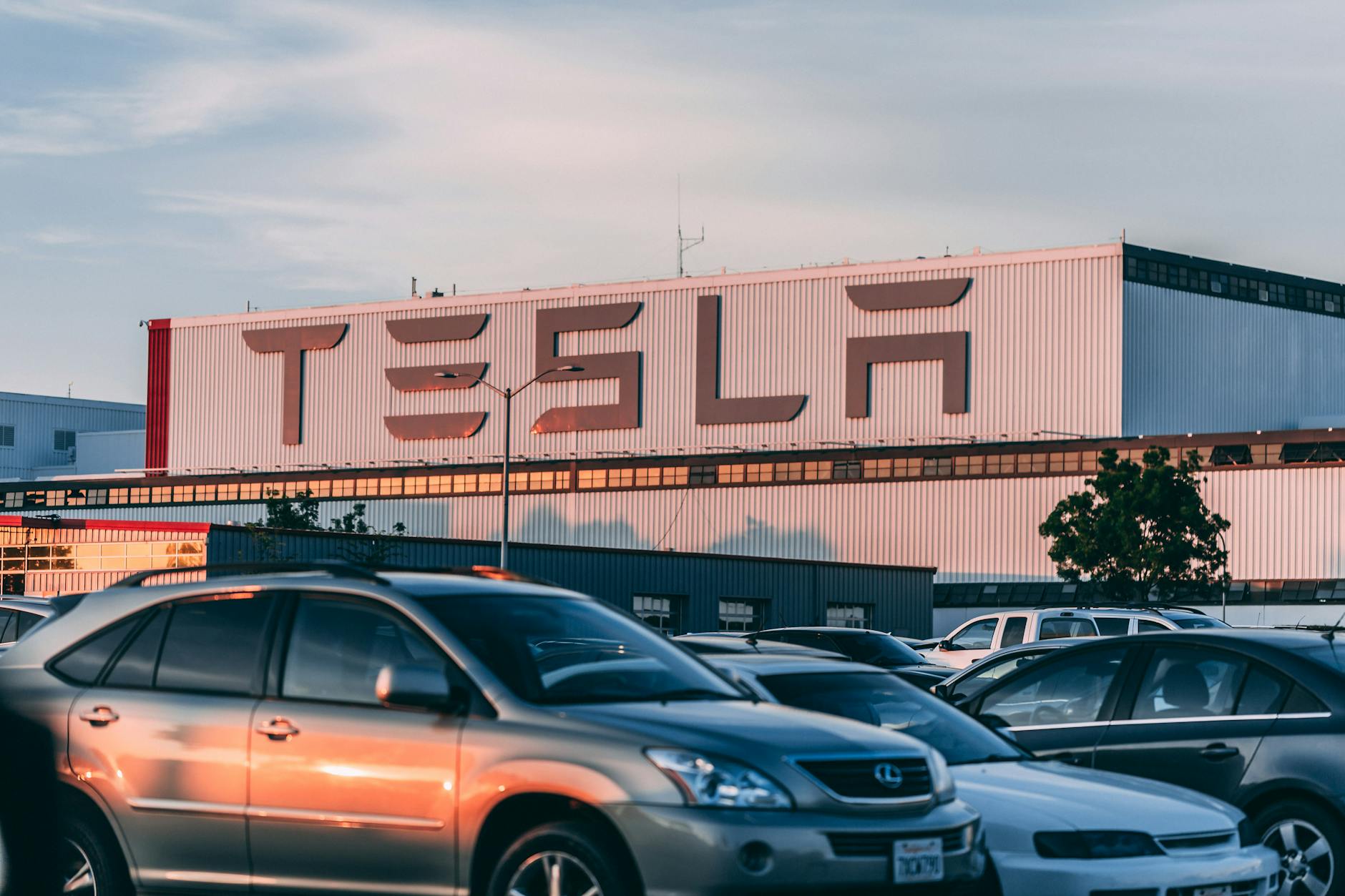
Tesla (TSLA) Recalls 2.98 Million Cars Over Door Handle Issues
Tesla (TSLA) is recalling nearly 3 million vehicles in China due to safety concerns over hidden door handles that may be difficult to operate in emergencies. This recall affects 2.98 million Chinese-made Teslas, part of a larger recall impacting over 4 million vehicles across various brands. The decision follows scrutiny linked to fatal crashes involving similar designs in other electric vehicles. Beginning January 1, 2027, new Chinese regulations will prohibit the use of hidden door handles. This matter is significant for investors as regulatory pressures and safety issues can impact Tesla's market performance.
Read More: Tesla (TSLA) Recalls 2.98 Million Cars Over Door Handle Issues
Evergrande Sentencing Impacts China’s Property Crisis Landscape
Evergrande Group's sentencing has intensified China's ongoing property crisis, influencing market sentiment and investor confidence. While specific financial figures were not provided, the implications of this crisis are significant, as it affects multiple sectors linked to real estate and construction. Analysts speculate that continued struggles in the property market could lead to broader economic impacts due to Evergrande's substantial debts. This matter is crucial for investors monitoring the health of Chinese real estate and its potential effects on global markets.
Read More: Evergrande Sentencing Impacts China’s Property Crisis Landscape
Tesla (TSLA) Recalls Nearly 3 Million Vehicles in China
Tesla (TSLA) is set to recall nearly 3 million vehicles in China due to safety concerns related to door handles and driver monitoring systems. This is reported to be the largest vehicle recall for the company. Chinese regulators have mandated the recall, reflecting safety compliance and oversight in the automotive sector. This significant action may impact Tesla's operations and consumer confidence, as well as the stock performance in the affected markets.
Read More: Tesla (TSLA) Recalls Nearly 3 Million Vehicles in China
Nike, Starbucks, GM face challenges in China market shift
Major American brands, including Nike, Starbucks, and General Motors, are losing market share in China due to rising geopolitical tensions, domestic competition, and disconnects with local consumer needs. Bain & Company’s Aaron Cheris highlighted that consumers perceive the price of American products as not justified compared to local brands, which innovate faster and have better distribution. Despite these challenges, some brands like Lululemon and Kentucky Fried Chicken continue to thrive, underscoring the importance of value and local relevance in their strategies. For investors, understanding these dynamics is key to gauging potential market shifts and brand performance in China.
Read More: Nike, Starbucks, GM face challenges in China market shift
Star 50 Index Up 25% This Year, Surpassing Hong Kong Competitors
The Star 50 index in Shanghai has risen nearly 25% this year, outpacing competitors in Hong Kong. This significant increase reflects a growing interest in Chinese technology stocks. As the index gains traction, it may attract further investment, potentially impacting market dynamics in the region. This trend is noteworthy for investors tracking performance of indices related to technology in Asia.
Read More: Star 50 Index Up 25% This Year, Surpassing Hong Kong Competitors
China's Property Crisis: Impact of Evergrande on Market Prices
China's property market faces turmoil following the collapse of Evergrande, a major property developer. The crisis has led to spiraling property prices, further exacerbating market instability. Investors are closely monitoring the developments as they could signal broader economic implications. This situation matters for ordinary investors, as fluctuations in the Chinese real estate market can influence global market trends and investor sentiment.
Read More: China's Property Crisis: Impact of Evergrande on Market Prices
Young Consumers Rent Cameras Instead of Buying, Challenging Economy
Young consumers in China are increasingly opting to rent items such as cameras, drones, and camping gear instead of purchasing them. This trend poses challenges to the Chinese government's initiative to boost consumer spending. Renting allows these consumers to save money, but it highlights a potential slowdown in retail consumption. This shift in consumer behavior could influence economic policies and market strategies in China.
Read More: Young Consumers Rent Cameras Instead of Buying, Challenging Economy
Evergrande Founder Sentenced to Life for Fraud: Impact on Markets
A Chinese court has sentenced Evergrande founder Xu Jiayin to life in prison for fraud. This significant legal decision could impact the company's financial recovery and raise concerns among investors regarding the stability of the Chinese real estate market. Evergrande has struggled with over $300 billion in debt. The court ruling underscores the ongoing issues within the sector and its implications for market confidence. This matters for ordinary investors as it highlights the risks associated with investing in troubled companies like Evergrande (EGRNF).
Read More: Evergrande Founder Sentenced to Life for Fraud: Impact on Markets
Evergrande Founder Hui Ka Yan Sentenced to Life, Fined $2.35bn
Hui Ka Yan, founder of Evergrande, has been sentenced to life in prison and his personal property has been confiscated. The Shenzhen Intermediate People's Court fined Hui's former companies a total of 15.82 billion yuan ($2.35 billion) for multiple crimes, including corporate bribery and falsifying records. Evergrande's stock market valuation fell by 99% before its removal from the Hong Kong exchange in August 2025. This verdict could impact investor confidence and affect future financing in China's real estate sector, an industry that significantly contributes to the country's GDP.
Read More: Evergrande Founder Hui Ka Yan Sentenced to Life, Fined $2.35bn
China Bonds Offer Diversification Amid Global Yield Surge
Chinese government bonds (CGBs) are positioned for potential outperformance and diversification as their yields have decreased despite rising global benchmarks in the U.S., U.K., and Japan. The country's deflationary environment contrasts with inflation concerns elsewhere, indicating a distinctive rate cycle. July's macroeconomic data showed weaker-than-expected retail sales and industrial production, leading to speculation about further monetary stimulus from the People's Bank of China. This situation highlights CGBs as beneficial additions to global portfolios, especially under current market conditions.
Read More: China Bonds Offer Diversification Amid Global Yield Surge
Fortescue's Profit Falls Amid China Challenges
Fortescue Metals Group Ltd announced a profit decline, attributing the decrease to ongoing challenges in China, a significant market for its operations. These challenges have impacted the company’s performance, highlighting concerns about the demand for iron ore. This situation could influence investor sentiment due to the dependency on China as a critical market for Fortescue’s (FMG) revenue. For ordinary investors, understanding this profit decline is essential due to its potential implications for stock prices moving forward.
Read More: Fortescue's Profit Falls Amid China Challenges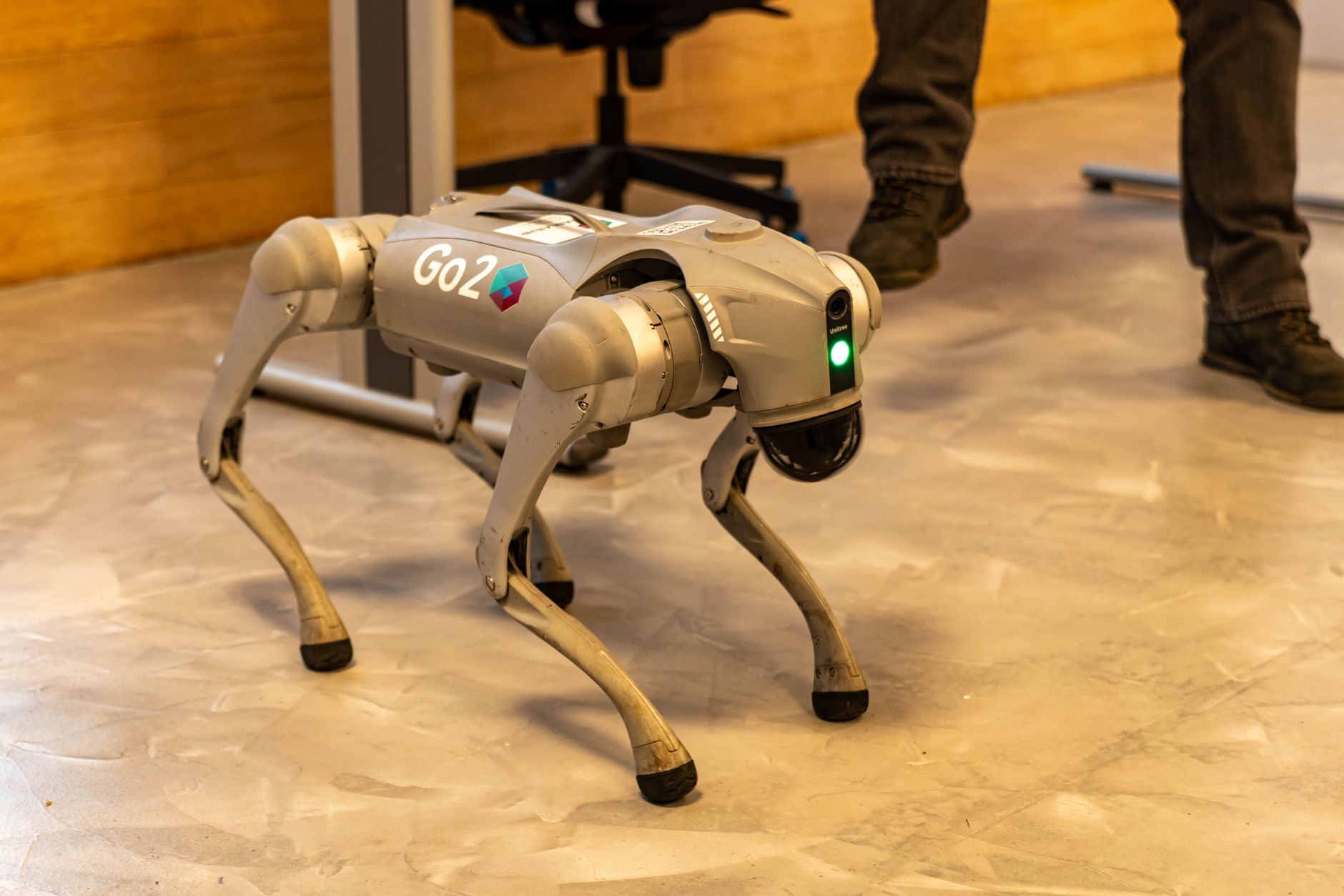
Unitree Robotics (IPO) Debuts with 542% Surge in Shanghai
Unitree Robotics made a strong debut in Shanghai, with shares closing over 460% higher at 845 yuan. Earlier, they had surged nearly 630%. The company raised approximately 6.1 billion yuan ($905 million) in its IPO, backed by investments including 140.8 million yuan from DeepSeek and participation from Tencent. This notable listing highlights significant growth potential in China's humanoid robot market, projected to rise from $2 billion this year to $15 billion by 2030, indicating substantial opportunities for investors.
Read More: Unitree Robotics (IPO) Debuts with 542% Surge in Shanghai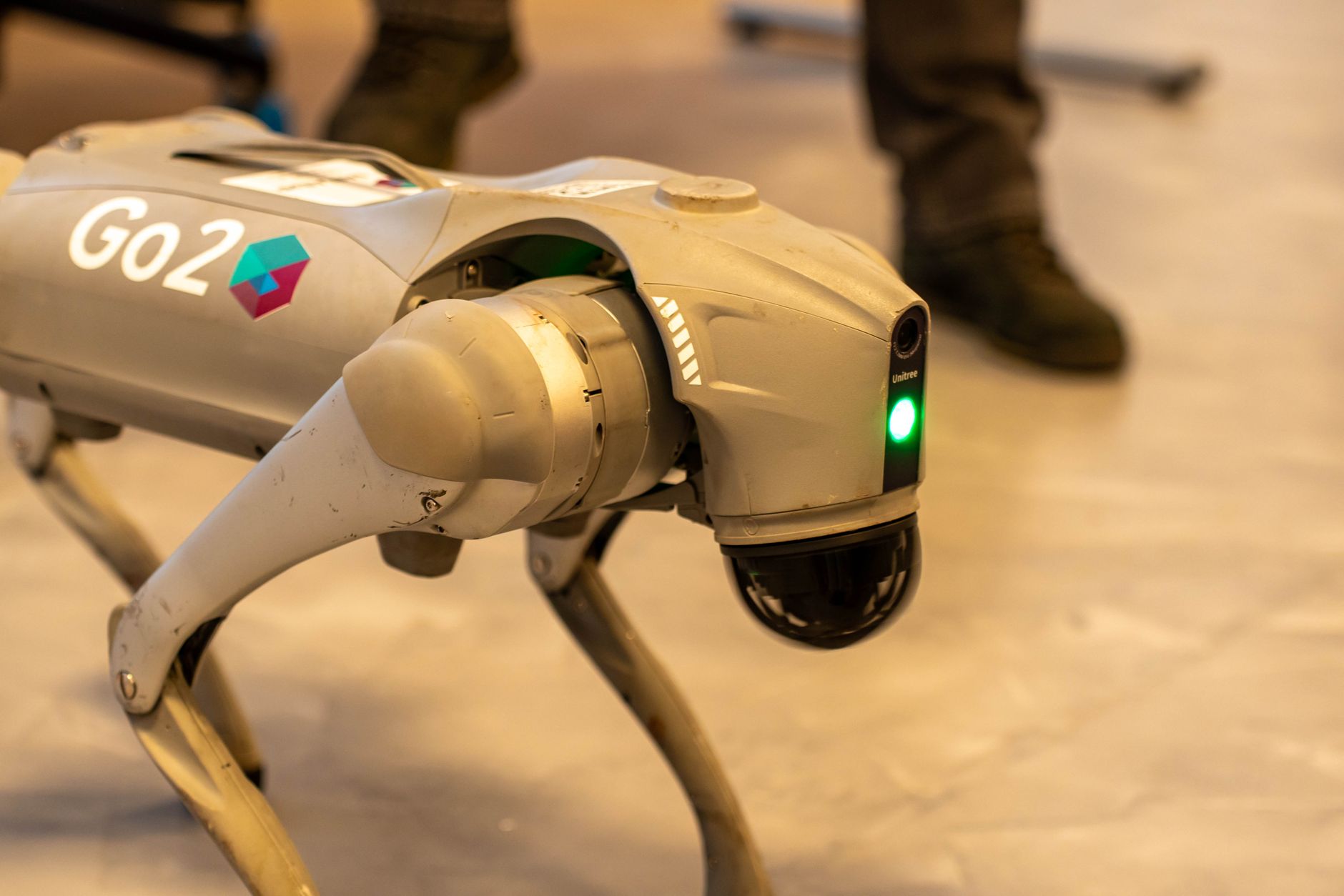
Unitree Robotics Stock Debuts With 460% Surge on Shanghai Market
Unitree Robotics made its stock market debut on the Shanghai Star Market, with shares closing their first day of trading at 845 yuan after being offered at 150.80 yuan. This represents a more than 460% increase in value. Founded in 2016, Unitree shipped over 5,500 humanoid robots last year and reported a net profit of 278 million yuan in 2025. This debut highlights the growing investment in the robotics industry, particularly in light of Beijing's ambitions to enhance its technological capabilities, thus impacting investor interest in tech companies.
Read More: Unitree Robotics Stock Debuts With 460% Surge on Shanghai Market
China Bond Curve Signifies Policy Divide With Global Peers
China's bond yield curve has flattened, indicating a potential policy divergence with other countries. This change may reflect differing economic conditions and monetary policies between China and its global counterparts. Analysts are observing the implications of this flattening on investment strategies and risk assessments in international markets. For investors, this highlights the necessity to adapt to varying economic signals across nations that might affect portfolio allocations.
Read More: China Bond Curve Signifies Policy Divide With Global Peers
Week Ahead: Fed Minutes and China Data Impact on Markets
The upcoming week features significant events, including the release of the Federal Reserve's minutes and important economic data from China. The Fed's insights may influence market sentiment as investors seek clues on future monetary policy. Additionally, the performance of China's economy, reflected through its data, could impact global markets, particularly in currency and bond trading. Investors should pay attention to these developments, as they can affect investment strategies and asset prices.
Read More: Week Ahead: Fed Minutes and China Data Impact on Markets
China's Economy Slows: Retail Sales Grow 0.6% in July
In July, China's economy showed signs of slowing, with retail sales growing only 0.6% year-over-year, falling short of the 1.5% estimate from a Reuters poll. Urban fixed-asset investment contracted 6.7%, worse than anticipated, while the unemployment rate increased to 5.2% from 5% in June. Industrial output rose 4.5%, below the 4.8% expected growth. These figures highlight ongoing concerns about China's economic health and may lead to increased policy support from the Chinese government in the second half of the year.
Read More: China's Economy Slows: Retail Sales Grow 0.6% in July
China Industrial Production Slows 3.7% in July 2023
China's industrial production decreased by 3.7% in July 2023, falling short of forecasts. Analysts had expected a rise of 4.5%. This slowdown has raised concerns about the strength of China's economic recovery post-COVID-19, impacting sentiment across global markets. The decline could lead to increased volatility in investor confidence, especially concerning commodities and trade. This matters for ordinary investors as it signals potential risks in investments related to China's economy.
Read More: China Industrial Production Slows 3.7% in July 2023Chinese Steel Production Declines Amid Economic Challenges
China's steel production has fallen significantly due to worsening economic conditions. In recent months, the production decline has been attributed to reduced demand in various sectors, leading to a contraction in the industry. This drop in output could impact global steel prices and supply chains, as China is a major steel producer. Therefore, the decline reflects broader economic trends that investors should monitor closely for any ramifications on steel-related investments.
Read More: Chinese Steel Production Declines Amid Economic Challenges
China New Home Prices Fall 0.5% in September, Impacting Markets
In September 2023, China's new home prices fell by 0.5% from a month earlier, marking a continued decline and greater than the 0.3% decrease in August. This decline dampens hopes for a rebound in the housing market. The slowdown in the property sector has raised concerns about its impact on the broader Chinese economy. Investors in related sectors should consider these trends as they may influence market confidence.
Read More: China New Home Prices Fall 0.5% in September, Impacting Markets
Goldman Sachs forecasts weak China retail sales growth
Goldman Sachs predicts that China's retail sales growth will remain weak. This assessment indicates ongoing challenges in consumer spending in the region. The firm cited the lack of significant improvement in various economic indicators related to retail activity. For investors, this could suggest caution in sectors linked to China, particularly consumer goods and services.
Read More: Goldman Sachs forecasts weak China retail sales growth
40 Countries Aided China in Dodging US Tariffs - $300bn Impact Report
The White House reported that over 40 countries, including Canada, India, Mexico, Japan, and South Korea, have assisted China in evading US tariffs through transshipping (routing exports through countries with lower import duties). This has reportedly allowed China to sidestep tens of billions of dollars in tariffs on goods valued between $30 billion and roughly $300 billion. White House trade adviser Peter Navarro stated this has cost American jobs and revenue. These findings are pertinent as the US prepares for a meeting between President Trump and Chinese leader Xi Jinping, increasing tensions in ongoing trade discussions.
Read More: 40 Countries Aided China in Dodging US Tariffs - $300bn Impact Report
KOSPI Enters Bull Market as AI Rally Gains Momentum
The KOSPI has entered a bull market, driven by a renewed rally in artificial intelligence stocks. This shift indicates positive market momentum in South Korea, which could impact investor sentiment. Japan's markets also showed gains, while the technology sector in China experienced mixed performance. The resurgence of AI investments suggests growing confidence among investors, particularly in sectors related to technology and innovation. This matters for ordinary investors as it may present new opportunities in the tech sector and related markets.
Read More: KOSPI Enters Bull Market as AI Rally Gains Momentum
Tesla (TSLA) July Sales Reach 93,579 Units Amid Market Decline
In July, Tesla (TSLA) sold 93,579 units to Chinese buyers, despite a 21% decline in China's overall car market. The China Passenger Car Association reported that total passenger car sales fell to 1.46 million, with EV sales down 3.9% to 951,000. Tesla managed to export 66,330 units from its Shanghai plant and produced 450,000 vehicles in Q2 2026. While Tesla’s stock has dropped 26% this year, the sales figures suggest potential resilience against declining trends in the broader EV market, which is significant for investors assessing Tesla's performance.
Read More: Tesla (TSLA) July Sales Reach 93,579 Units Amid Market Decline
China Faces $148 Billion Property Challenge as Leases Expire
China is addressing a $148 billion threat in its property sector as numerous land leases come to an end. The government's response is crucial for stabilizing property prices and market confidence, especially considering the potential economic implications. This situation could impact companies involved in real estate and construction. Investors should monitor developments closely, as government actions could influence stock performance within these sectors.
Read More: China Faces $148 Billion Property Challenge as Leases Expire
Amkor (AMKR) Considers $1.5 Billion Stake Sale in China Business
Amkor Technology, Inc. (AMKR) is evaluating the sale of a stake in its $1.5 billion business in China, as reported by Bloomberg. This move could impact the company's operations and strategy in the region. The potential sale suggests that Amkor is exploring ways to optimize its business amidst changing market conditions. Investors should watch this development closely, as it may affect the company’s financial performance and stock valuation.
Read More: Amkor (AMKR) Considers $1.5 Billion Stake Sale in China Business
Spider-Man Tops 2023 Box Office in China with $7M from 'The Odyssey'
Spider-Man: Brand New Day has entered the top 10 highest-grossing films in China for 2023, while The Odyssey has earned over $7 million in just two weekends of limited screenings before its official release on August 14. There has been a notable increase in Hollywood films shown in China, with Imax screening 14 films in the first half of 2023, compared to just two the previous year. Despite a 40% decline in China’s box office this year, engagement with recent releases suggests shifting dynamics. This matters for investors as the performance of Hollywood films in China could impact related stocks and film industry revenues.
Read More: Spider-Man Tops 2023 Box Office in China with $7M from 'The Odyssey'
ASML Forecasts €43-45B Revenue, Bernstein Sees 50% Upside
ASML (NASDAQ:ASML) raised its full-year revenue guidance to between €43 billion and €45 billion following a 21% year-over-year rise in Q2 revenue to $10.65 billion. Although ASML shares dropped 7% after a report of a Chinese state-backed firm's production of DUV lithography tools, Bernstein maintains a price target of $2,623, implying a 50% potential upside from the current trading price of $1,740.99. In comparison, peers AMAT and KLAC have only about 17% analyst-implied upside. This situation emphasizes market volatility related to geopolitical concerns and company-specific fundamentals, key factors for investors to consider.
Read More: ASML Forecasts €43-45B Revenue, Bernstein Sees 50% Upside
Typhoon Dolphin to Hit China with 162 km/h Winds and Rainfall
Typhoon Dolphin is set to make landfall on China's east coast on August 9, 2026, with sustained winds reaching 162 kilometers per hour (101 mph). This storm has already impacted Japan's Okinawa, injuring six people and cutting power to over 50,000 buildings. Following its arrival in China, authorities have evacuated over 1 million people, including 30,300 from Shanghai, and canceled around 1,500 flights. The storm is expected to bring heavy rainfall of 250-500 mm (9.8-19.7 inches) in some areas, raising the threat of flooding and landslides, which could disrupt markets and local economies significantly.
Read More: Typhoon Dolphin to Hit China with 162 km/h Winds and Rainfall
German Trade Deficit with China Grows by 10% in Recent Reports
Germany's trade deficit with China increased by 10% in 2023 as imports rose while exports decreased. This shift reflects China's reduced reliance on European industries, impacting economic dynamics between the two countries. Specific figures reveal a notable change in trading patterns, with Germany exporting less to China compared to previous years. This trend may influence broader market perceptions and economic strategies concerning European trade relations with China.
Read More: German Trade Deficit with China Grows by 10% in Recent Reports
China Factory-Gate Inflation Slows to 0.3% in July 2023
China's factory-gate inflation fell to 0.3% in July 2023, below analysts' expectations. This marks a significant decrease from the previous month's rate and suggests weaker demand in the manufacturing sector. The slower inflation reduces pressure on producers and could influence pricing strategies. This news could impact global markets, particularly sectors reliant on Chinese manufacturing. Investors should monitor these developments for potential effects on commodity prices and supply chains.
Read More: China Factory-Gate Inflation Slows to 0.3% in July 2023
China's Producer Inflation Eases 3.0% in July 2023 Below Expectations
China's producer price index (PPI) fell by 3.0% year-over-year in July 2023, which was below analysts' expectations of a 2.5% decline. This marks the continuing trend of easing inflation as the PPI had declined 5.4% in June. The slowdown is expected to affect China's economic recovery and global commodities markets. Investors should monitor the implications of this data on commodity prices and inflation trends, as it could impact market stability.
Read More: China's Producer Inflation Eases 3.0% in July 2023 Below Expectations
Optical Stocks Face Challenges from Beijing's Market Control
Optical stocks are currently facing significant issues due to Chinese market control, which is creating supply chain challenges for investors. Beijing's influence creates a chokepoint that complicates the situation, particularly as Washington's responses do not alleviate the pressures on these stocks. The ongoing tensions may impact trading volumes and investor sentiment in this sector. This matters for investors as it highlights underlying risks in optical stocks that could affect potential returns.
Read More: Optical Stocks Face Challenges from Beijing's Market Control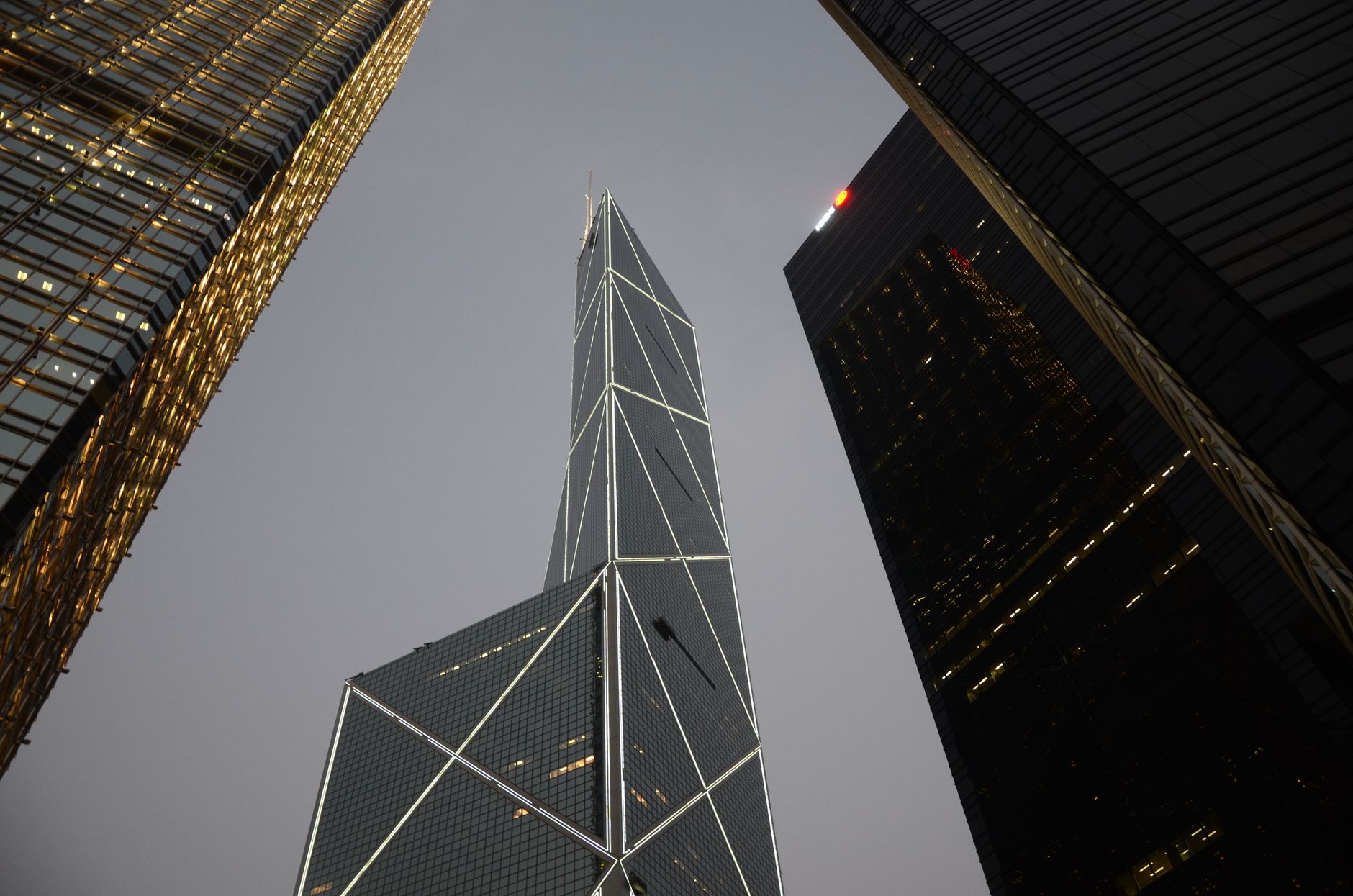
China's July Bank Lending Expected to Plummet Amid Seasonal Slowdown
China's bank lending in July is projected to decline significantly due to subdued demand and a typical seasonal slowdown. This decrease in lending could impact the country's economic growth, as banks traditionally see a drop in loan issuance during this period. The exact figures for the anticipated downturn have not been specified, but analysts are concerned about the implications for the broader market. This is crucial for investors as reduced lending may signal caution in the Chinese economy.
Read More: China's July Bank Lending Expected to Plummet Amid Seasonal Slowdown
China’s Exports Rise by 24% in July Amid Strong Demand
China's exports increased by 24% in July compared to the previous year, exceeding market expectations. This growth was attributed to a surge in shipments driven by advancements in AI technology. The trade surplus narrowed, indicating a robust demand but also potential challenges from rising import costs. This export performance is significant for global market dynamics and investors as it could influence trade balances and economic outlooks. China’s (CHN) trade activity holds ramifications for various sectors reliant on foreign demand.
Read More: China’s Exports Rise by 24% in July Amid Strong Demand
China's Exports Rise 23% in July, Trade Surplus Hits $112.5 Billion
China's exports grew 23% in July from the previous year, surpassing analysts' expectations of 22.2%. Imports also rose by 27.5%, slightly below forecast at 27.9%. The trade surplus was reported at $112.5 billion, exceeding estimates of around $107 billion, though down from June's $125.6 billion. Continued demand for high-tech goods, including integrated circuits whose exports surged 117%, has supported this export growth. This trend is significant for investors as it showcases China's robust trade position amid international tensions.
Read More: China's Exports Rise 23% in July, Trade Surplus Hits $112.5 Billion
China Exports Rise 25% in July Amid Resilient Trade
China's exports increased by nearly 25% in July, indicating strong trade performance in the country's economy. This surge suggests resilience despite global economic challenges. The positive trade data is likely to influence market confidence, as China's economy stabilizes. For investors, understanding China's trade dynamics can provide insights into potential market movements and wider economic trends.
Read More: China Exports Rise 25% in July Amid Resilient Trade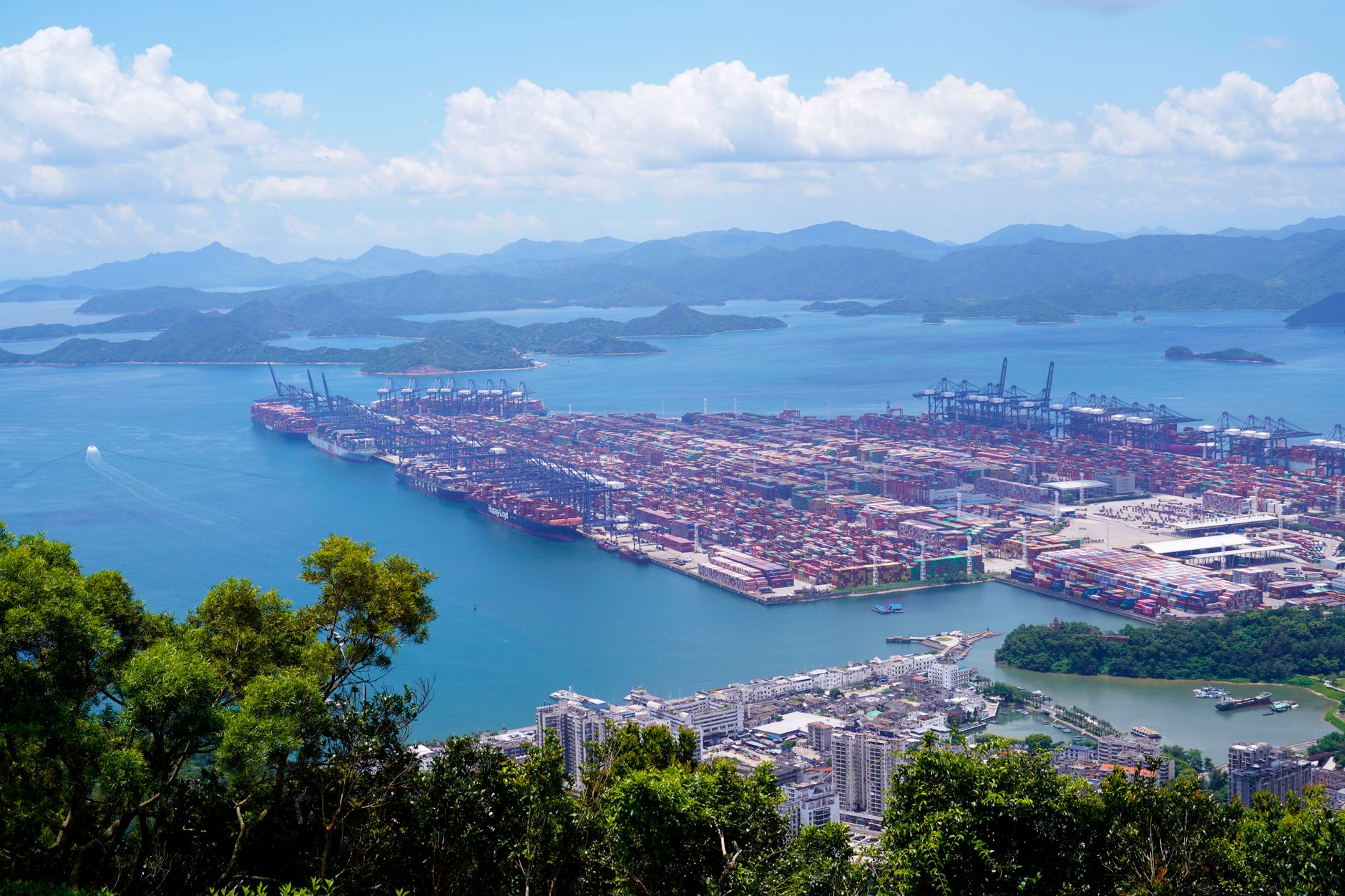
China's July Exports Beat Expectations on High-Tech Demand
China's exports in July exceeded forecasts, driven by strong demand in the high-tech sector. The specific figures for July were not provided in the article, but it highlights a shift towards higher value products. This trend is significant as it may influence global trade dynamics and investor sentiment towards markets linked to Chinese manufacturing. Investors should consider how these developments could impact companies with exposure to China or those in high-tech sectors.
Read More: China's July Exports Beat Expectations on High-Tech Demand
Copper Futures Reach Record High of $6.90 per Pound
U.S. copper futures surged to a record high of approximately $6.90 per pound on Thursday, reflecting constrained supply and high demand driven by electrification rather than traditional economic growth. Key factors behind the price increase include weak mine supply growth, particularly affected by disruptions in Chile due to adverse weather, as well as potential U.S. tariffs impacting copper imports. In the first half of 2026, China's grid investment rose by 13% year over year, with a plan to invest around $574 billion in power grid upgrades further supporting demand. This matters for ordinary investors as elevated copper prices can indicate shifts in supply and demand dynamics that could affect related sectors.
Read More: Copper Futures Reach Record High of $6.90 per Pound
China imposes 20% tax on offshore trusts, affecting $667 billion assets
China's Ministry of Finance has announced a 20% tax on offshore trusts, which affects an estimated HK$5.2 trillion ($667 billion) held under trusts in Hong Kong as of 2023. Families must declare and pay outstanding tax amounts on assets transferred into these trusts since the start of 2023 by October 22, creating urgency for wealthy clients. This move has prompted a rush to legal advisors and a scramble for cash among China's ultra-rich. The new tax rules significantly impact wealth planning for Chinese families, highlighting changes in asset management strategies.
Read More: China imposes 20% tax on offshore trusts, affecting $667 billion assets
GM (GM) and SAIC Extend Joint Venture Partnership for 20 Years
General Motors (GM) and China's SAIC Motor Corporation have extended their joint venture partnership for an additional 20 years. This partnership is significant as it allows GM to continue its operations in the growing Chinese market. The joint venture has been critical for GM, contributing to its sales and presence in China. This long-term commitment could help stabilize GM's market position and growth in one of the world's largest automotive markets.
Read More: GM (GM) and SAIC Extend Joint Venture Partnership for 20 Years
China AI Stocks Fall as U.S. Considers Data Center Ban
Chinese artificial intelligence (AI) optical stocks experienced a decline following reports that the United States is contemplating a ban on certain data center components. The anticipated actions by the U.S. government reflect ongoing tensions in trade and technology between the two countries. Companies involved in AI technology may face headwinds that could affect their market positions and valuations. For investors, this potential regulatory change highlights risks associated with investing in the tech sector, particularly for companies exposed to U.S.-China trade issues.
Read More: China AI Stocks Fall as U.S. Considers Data Center Ban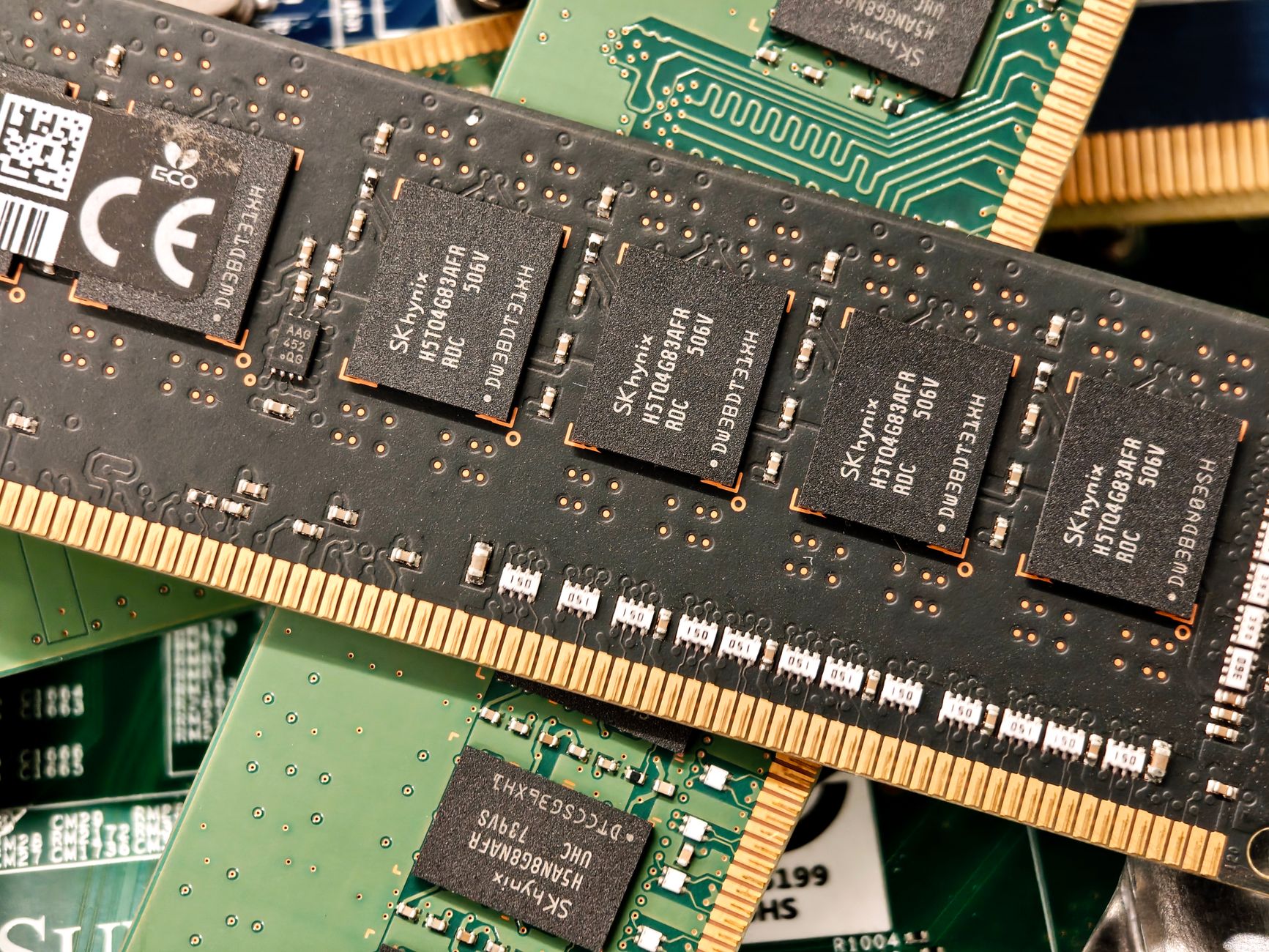
Samsung (SSNLF) and SK Hynix Test Chinese Chip Tools Amid U.S. Curbs
Samsung (SSNLF) and SK Hynix are testing chip manufacturing tools from China in response to potential U.S. regulatory curbs affecting technology exports. This move comes as the U.S. continues to impose restrictions on semiconductor technologies targeted at China. The testing aligns with a broader strategy by the companies to maintain access to advanced semiconductor capabilities. This development is significant as it could impact supply chains and production costs in the semiconductor industry, affecting market dynamics and investor sentiment.
Read More: Samsung (SSNLF) and SK Hynix Test Chinese Chip Tools Amid U.S. Curbs
GM Extends Joint Venture for 20 Years with SAIC Motor
General Motors (GM) and SAIC Motor have confirmed a 20-year extension of their joint venture, originally established in 1997, which was set to end in 2024. The deal will focus on boosting domestic sales of Buick and Cadillac and exporting Chevrolet models built in China. GM's earnings from China dropped from approximately $2 billion annually in 2018 to consecutive losses in 2024 and 2025. As the largest global exporter of vehicles, China's market dynamics have shifted, pushing companies like GM to adapt, with the joint venture delivering over 20 million vehicles since its inception.
Read More: GM Extends Joint Venture for 20 Years with SAIC Motor
China AI Risks Impact U.S. Stocks Amid Policy Communication Issues
Recent developments in China's technology sector may increase concerns among U.S. investors regarding tech stocks. The China Securities Regulatory Commission announced a probe into Fang Xinghai, affecting market sentiment. There have been significant market reactions, such as Trip.com's shares dropping nearly 20% in January and Futu's shares falling over 27% on May 22 due to regulatory crackdowns. This instability highlights the contrasting communication strategies of China's markets compared to the U.S., which can create unpredictability and increased market volatility for investors. Understanding these factors is crucial for ordinary investors evaluating the risks in Chinese tech investments.
Read More: China AI Risks Impact U.S. Stocks Amid Policy Communication Issues
Chinese VC Firms Raise Funds Amid US Market Uncertainty
Chinese venture capital (VC) firms are raising funds quickly following a three-year period of low fundraising activity. This surge is driven by investors seeking to hedge against uncertainties in the US market. The article highlights how managers are tapping into this investor interest to capitalize on new opportunities. The recent fundraising efforts reflect a significant shift in the market sentiment and underline the importance of diversification, especially in light of global economic conditions. This trend is significant for investors as it may indicate shifting investment strategies and opportunities in the VC space.
Read More: Chinese VC Firms Raise Funds Amid US Market Uncertainty
U.S. AI Competition: American Alternatives to China's Cost-Effective Models
Chinese AI models are reportedly challenging U.S. labs, including Anthropic and OpenAI, by offering cheaper solutions. Analysts note that models like Z.AI and DeepSeek are leading in terms of cost-effectiveness compared to their American counterparts. This competition highlights a growing disparity in AI development and cost structures between the U.S. and China. For investors, understanding the competitive landscape in AI could inform future investment strategies related to technology companies like Nvidia (NVDA).
Read More: U.S. AI Competition: American Alternatives to China's Cost-Effective Models
Fertilizer Trade Impact Amid Iran War and China Risk
The ongoing Iran war has influenced investor behavior in fertilizer stocks, though the article highlights a significant risk associated with China. While specific data points are not provided, the article suggests multiple trades in the fertilizer market are affected, emphasizing mixed dynamics. The geopolitical context can lead to volatility in the fertilizer sector, potentially impacting stock prices. This information is vital for investors looking to navigate the associated risks in these markets.
Read More: Fertilizer Trade Impact Amid Iran War and China RiskTesla (TSLA) Expands China Operations Amid Global Production Growth
Tesla's (TSLA) operations in China, a critical component of its global production strategy, continue to expand. The company's factories in Shanghai contribute significantly to its overall output, underscoring the importance of the Chinese market for Tesla. In recent reports, production levels in the region are expected to increase to meet growing demand for electric vehicles. This expansion may positively impact Tesla's supply capabilities and overall market position, which is vital for investors monitoring the competitive EV landscape.
Read More: Tesla (TSLA) Expands China Operations Amid Global Production Growth