All News
27216 AI-summarized articles, newest first - page 71 of 1134

First Eagle Fund Manager Shifts Focus from AI to Housing
Bill Hench, a fund manager at First Eagle, has pivoted away from artificial intelligence investments after achieving a 33% gain in the first half of the year. Hench is now focusing on small-cap stocks in the U.S. housing construction sector, indicating a belief in its potential recovery. This move highlights a strategic shift in response to market conditions and sector opportunities. Hench's decision may affect the allocation strategies of investors following similar market trends. For individual investors, Hench's change signals potential growth opportunities in housing construction beyond tech investments.
Read More: First Eagle Fund Manager Shifts Focus from AI to Housing
REIT Returns Rise Despite Recent Interest Rate Increases
Real Estate Investment Trusts (REITs) have shown resilience despite rising interest rates. Recent analysis shows that as of 2023, REIT returns are up over 6% according to the FTSE NAREIT All REIT Index, which goes against the traditional view of an inverse relationship between interest rates and REIT performance. Experts like Seth Laughlin from Cohen & Steers and David Auerbach from Hoya Capital Real Estate attribute this to strong real estate fundamentals outpacing the challenges posed by increased rates. Key factors include improved earnings growth, attractive property valuations, and healthy cash flow growth. Specifically, earnings growth is expected to be 8% next year, and 58 of 98 REITs have raised their full-year guidance. The increase in earnings and stable cash flow are supported by reduced new supply, excluding data centers, and attractive valuations compared to other asset classes. The correlation between REIT performance and interest rates is currently at its lowest in four years. This market shift is attributed to the strengthening of real estate fundamentals, despite the general impact of higher borrowing costs from 2022 to 2024. This change in REIT performance is relevant for investors, as it illustrates the potential of real estate assets to deliver stable returns even in a rising rate environment. Improved fundamentals and strong returns make REITs an attractive investment option in 2023.
Read More: REIT Returns Rise Despite Recent Interest Rate Increases
Reliance (RELIANCE) Leads in Venezuelan Crude Imports, India
Reliance Industries, led by Indian billionaire Mukesh Ambani, has become the largest buyer of Venezuelan crude outside the U.S., significantly contributing to the country's imports. According to Kpler data, Reliance imported 76% of the 257,000 barrels per day of Venezuelan crude into India in September, with the Jamnagar complex being the main destination. The Jamnagar facility is known for its capacity to process heavy and extra-heavy Venezuelan crude, which is challenging to refine elsewhere in India. Reliance has a market capitalization of over $169 billion and is also investing in a U.S. oil refinery project proposed by President Donald Trump, labeled by Trump as a $300 billion initiative. India's imports of Russian oil remain high, with 1.82 million barrels per day in September, despite political pressure from the U.S. to reduce reliance on Russian energy. The strength of Reliance's Jamnagar refinery in processing Venezuelan crude aligns with its strategic move to diversify energy sources, particularly during geopolitical tensions influencing global oil supply. Reliance's involvement in expanding crude imports underlines its commitment to ensuring energy security for India. The company's strategic investments in both Venezuelan and U.S. energy projects could influence costs and stability in India's energy markets.
Read More: Reliance (RELIANCE) Leads in Venezuelan Crude Imports, India
Argenx (ARGX) shares plunge 16% after trial halt
Argenx (ARGX) shares fell 16% following the announcement that the clinical trial for its Sjögren’s drug was halted. The pause in the trial was due to an unspecified issue, which has impacted investor confidence, as reflected in the share price drop. No further details about the trial's issues have been disclosed by the company, leaving the future of the drug uncertain at this time. This news represents a significant setback for Argenx, as developments in their pipeline are crucial for the company's growth and investor expectations. Clinical trials are a central component of the pharmaceutical industry, directly affecting potential future revenues depending on their success or failure. The halting of a trial usually indicates setbacks in reaching the market, which worries investors about the company's prospects. For investors, this matters because it affects the company's potential future revenue streams and profitability, given the importance of new drug approvals to Argenx's business strategy.
Read More: Argenx (ARGX) shares plunge 16% after trial halt
argenx Stock Falls Amid Unspecified Concerns
argenx (ARGX) stock experienced a notable decline today, with no specific reasons outlined in the article. The lack of detailed data points or concrete events contributing to this downturn leaves investors questioning the cause of the stock movement. The company did not release new financial reports or guidance updates that could clarify this decline. This lack of clarity emphasizes the importance of cautious monitoring by shareholders and potential investors. For investors, it serves as a reminder that movements in stock prices can occur even without clear catalysts or news, highlighting the need for diligent market analysis.
Read More: argenx Stock Falls Amid Unspecified Concerns
Deloitte fined £6.05 million by UK watchdog for audit failures
Deloitte has been fined £6.05 million by the UK financial regulator due to failures in its audits of Go-Ahead, a transportation company. The Financial Reporting Council (FRC) determined that Deloitte did not conduct its audits for Go-Ahead in 2016 and 2017 to the required standards. As part of the settlement, Deloitte admitted to the shortcomings and agreed to a set of measures aimed at improving its audit practices in the future. Go-Ahead was not found responsible for the audit failures themselves.
Read More: Deloitte fined £6.05 million by UK watchdog for audit failures
Seven & i Reports 11% Drop in Q2 Operating Profit
Seven & i Holdings reported an 11% decrease in its second-quarter operating profit. The decline reflects challenges the company is facing in the current market. This decrease in profit may impact the company's ability to invest in future growth and maintain its market share. Investors should consider how this financial performance could affect the company's long-term strategy and valuation.
Read More: Seven & i Reports 11% Drop in Q2 Operating Profit
Asia Stocks Drop as Oil Prices Surge; Samsung Profit Impact
Asian stock markets faced declines due to rising bond yields and surging oil prices. This pressure affected several sectors, as observed in a recent market downturn. Despite a record profit, Samsung's (005930.KS) shares also fell, indicating broader market challenges overshadowing positive individual earnings results. The increase in oil prices and bond yields has raised concerns among investors, contributing to a downward pressure on Asian equities. The release of the latest U.S. Federal Reserve meeting minutes, perceived as hawkish, further added to investor apprehension, impacting sentiments across markets worldwide. This matters because rising oil prices and yields can increase costs for companies and reduce profit margins, potentially slowing economic growth in the region. Investors may need to reconsider their positions as these economic pressures mount.
Read More: Asia Stocks Drop as Oil Prices Surge; Samsung Profit Impact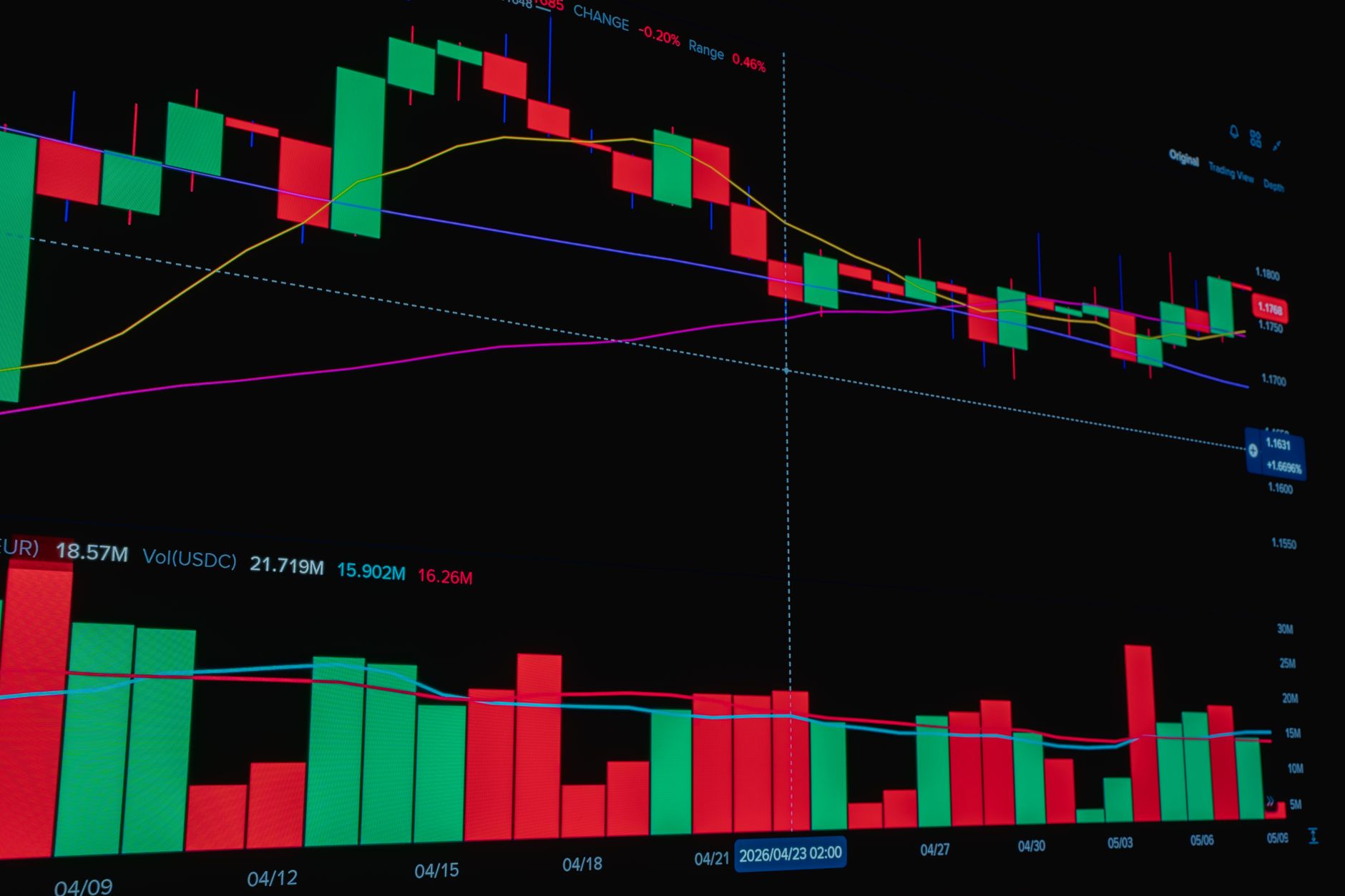
Opmobility Stock Experiences Significant Decline
Opmobility's stock saw a significant decline today. The article does not provide specific figures or reasons behind the stock's movement. No official statement has been released that outlines the cause of the drop, and no specific events have been mentioned. As a result, the factors leading to the stock's decline remain unclear. Investors are left without precise data on the developments affecting the stock price today. It is crucial for investors to keep an eye on any forthcoming announcements or reports from the company for clarity on this issue.
Read More: Opmobility Stock Experiences Significant Decline
Imperial Brands Stock Surges Amid Positive Market Momentum
Imperial Brands (IMBBY) stock experienced a rally today, driven by favorable market momentum. The company's shares are moving higher due to increased investor interest, although no specific company-driven news or earnings announcements have been identified as the cause for the spike. This movement aligns with a general positive trend observed across the consumer goods sector in recent trading sessions. Market participants may perceive this upward move as a sign of Imperial Brands' potential strength relative to sector trends. While no concrete figures or official statements have been released, the rally suggests growing confidence among investors in the company's positioning in its market niche. This uptick matters for ordinary investors as it highlights potential trading opportunities and investor sentiment around Imperial Brands' future performance.
Read More: Imperial Brands Stock Surges Amid Positive Market Momentum
OPmobility Slashes Jobs, Lowers 2026 Targets Amid Market Slump
OPmobility announced a significant workforce reduction and lowered its financial targets for 2026. The adjustments come as the company deals with challenging market conditions. Facing a market slump, OPmobility plans to cut jobs to better align with its revised business goals and anticipated market conditions for 2026. No specific numbers were disclosed regarding the extent of job cuts or the new target figures for 2026. The company's decision to reduce staff and adjust targets is a response to external pressures and internal evaluations of market trends. This strategic shift underscores the challenges the company faces in its current operating environment. For investors, OPmobility's moves signal potential challenges ahead in achieving growth, given the broader market issues that prompted these decisions.
Read More: OPmobility Slashes Jobs, Lowers 2026 Targets Amid Market Slump
Unite Stock Decline: Key Figures and Market Impact
Unite's stock has experienced a notable decline today with market analysts examining potential causes behind this movement. While the article does not specify exact percentages or dollar amounts in the decline, the slide is significant enough to warrant attention. Analysts are exploring factors and market conditions that might have contributed to this downward trend in Unite's stock performance. This decline could impact investor decisions and the company's market valuation going forward.
Read More: Unite Stock Decline: Key Figures and Market Impact
Manus Raises Over $500 Million Following Meta Exit
Manus has successfully raised over $500 million following its separation from Meta. This significant funding round is expected to help Manus in its future endeavors. Specific details regarding the investment sources or the strategic goals for these funds were not disclosed in the article. Manus's independence from Meta might allow it to pursue more autonomous strategies and enter new market segments previously inaccessible under Meta's umbrella. The substantial amount raised indicates strong investor interest and confidence in Manus's potential post-Meta. While the article does not provide detailed numbers beyond the total amount raised, this capital injection will likely support new initiatives and expansion plans as Manus sets to bolster its position in its market sector. For investors, Manus's significant funding signals potential growth opportunities now that the company is independent. The funding could lead to new product developments or market expansions, enhancing Manus's competitive edge and revenue potential.
Read More: Manus Raises Over $500 Million Following Meta Exit
Dollar Hits 18-Month High, Asian Currencies Stable
The US dollar reached an 18-month high, putting pressure on the euro while Asian currencies remained stable. This development is significant in the foreign exchange market as the stronger dollar impacts trade balances and capital flows worldwide. The euro is facing challenges due to investor concerns over economic conditions in the eurozone, contrasting with the relatively stable performance of Asian currencies. For market participants, these dynamics can influence export competitiveness and investment inflows/outflows in different regions.
Read More: Dollar Hits 18-Month High, Asian Currencies Stable
Manus AI Raises $500M in Funding After Meta Split
Manus, an AI agent startup, has successfully raised over $500 million in its first funding round post-breakup with Meta. The funding round was led by Boyu Capital, IDG Capital, and included investments from existing shareholders Tencent, HSG, and ZhenFund. While the post-funding valuation was not disclosed, previous reports indicated a possible $4 billion valuation, making Manus one of the most valuable AI agent makers in the country. This funding demonstrates continued investor confidence despite the collapsed acquisition by Meta, which was blocked by Beijing. The investment underscores a growing interest in AI startups, even as regulatory challenges obstructed previous acquisition plans. Beijing blocked Meta's $2 billion acquisition of Manus, pressing Meta to halt its integration efforts. However, Manus has resumed its operations independently and has made significant strides, launching Manus 2.0 and the Cue personal-agent app as part of its business restructuring efforts. For investors, Manus' successful funding round and increased valuation suggest positive prospects for profitability and scaling. It shows a robust demand for AI technology, even amid complex geopolitical and regulatory landscapes.
Read More: Manus AI Raises $500M in Funding After Meta Split
TSMC (2330.TW) September Sales Increase 54.6% Year-on-Year
Taiwan Semiconductor Manufacturing Co (TSMC) posted a September revenue of $511.86 billion New Taiwan dollars, equivalent to $16.03 billion, representing a 54.6% increase from the previous year. However, September revenue was slightly down by 0.6% compared to August. For the third quarter, TSMC's revenue was approximately $NT1.49 trillion. Despite the increase in sales, TSMC's stock closed 1.35% lower the day before the monthly figures were released. The company, known as the world's largest contract chipmaker, is benefiting from strong demand for advanced AI chips and has committed to integrating ASML's High NA extreme ultraviolet lithography machines, following Samsung Electronics in adopting this crucial technology. TSMC is scheduled to report its third-quarter earnings next week. The increase in revenue, driven by AI chip demand, showcases the current strength in the semiconductor sector. Investors will focus on the upcoming earnings report for further insights into TSMC's financial health and growth prospects.
Read More: TSMC (2330.TW) September Sales Increase 54.6% Year-on-Year
Markel International Unveils New Energy Property Offering
Markel International has introduced a new energy property offering targeting small to midsize businesses in the US. This initiative aims to support companies operating in the chemical and oil & gas sectors by providing specialized coverage. The new product is expected to address specific insurance needs of these industries, focusing on US-domiciled businesses in the energy sector. The launch is part of Markel International's strategy to enhance its footprint in the energy market. By targeting small and midsize enterprises, Markel aims to capture a significant portion of this niche segment. This move could potentially boost Markel's market share within the specialized insurance industry. For investors, this development indicates Markel's commitment to expanding its product offerings and tapping into underserved markets. Such strategic initiatives could positively impact revenue from these sectors in the long run.
Read More: Markel International Unveils New Energy Property Offering
Yankees Eliminated from ALDS After Sweep by Rays
The New York Yankees were swept by the Tampa Bay Rays in the American League Division Series (ALDS). A pivotal moment occurred when fan interference denied Anthony Volpe a potential game-tying home run in the final game of the series. This sweep marks a disappointing end to the Yankees' season as they failed to advance beyond the ALDS. Volpe's missed home run due to fan interference highlights challenges players face with external interruptions in crucial games. The series loss suggests gaps in the Yankees' postseason performance against division rivals like the Rays. The outcome indicates the competitive strength of the Rays, underlining the Yankees' need for strategic adjustments in future seasons. The missed home run was seen as a turning point in the game that could have shifted momentum. For investors in sports franchises, the Yankees' exit reflects that even high-profile teams can face early postseason exits. This may influence decisions in team management and investment going forward.
Read More: Yankees Eliminated from ALDS After Sweep by Rays
AI Bubble May Trigger Worst S&P 500 Crash Since 2008
A strategist has warned that the potential bursting of an AI-driven market bubble could lead to the worst crash in the S&P 500 index since the 2008 financial crisis. The strategist suggests that the current enthusiasm around artificial intelligence could be overstated and that the market may be increasingly vulnerable to a significant downturn if expectations do not materialize. This comment suggests wide-ranging uncertainty about valuations driven by AI-related stocks, which have been a major influence on market gains recently. Investors should be cautious regarding potential volatility in the S&P 500, as this prediction indicates a possible downside risk if AI growth does not meet current market expectations.
Read More: AI Bubble May Trigger Worst S&P 500 Crash Since 2008
Yield Curves Not Showing Significant Steepness
Yield curves, which represent the difference between short-term and long-term interest rates, currently lack significant steepness. This suggests that the market does not expect substantial economic growth or inflation pressures. Typically, a steep yield curve indicates strong future economic prospects, while a flat or inverted curve suggests a potential recession. The current state of the yield curves implies that economic expectations remain subdued, affecting decisions by investors and policymakers. In this context, evaluating changes in the yield curve helps assess future economic conditions.
Read More: Yield Curves Not Showing Significant Steepness
Rays Sweep Yankees 4-3 in Division Series
The Tampa Bay Rays defeated the New York Yankees 4-3, securing a sweep in their 3-game Division Series. The victory was highlighted by a home run from player Mesa, along with a notable fan interference call that contributed to the Yankees' loss. This win allows the Rays to advance further in the postseason. The Rays' success in this series can be attributed to strong performances and decisive moments, such as Mesa's home run. Fan interference played a pivotal role in shaping the game's outcome, impacting the Yankees' chances of turning the tide in their favor. For investors and fans, this win signifies positive momentum for the Rays as they continue their campaign in the postseason. The team's ability to capitalize on key opportunities could bolster their standing and performance in future games.
Read More: Rays Sweep Yankees 4-3 in Division Series
Asian Stocks Forecast to Dip Amid Rising Oil Concerns
Asian stock markets are expected to decline due to increasing concerns over oil prices and their impact on inflation. Rising oil prices may contribute to inflationary pressures, influencing investor sentiment negatively. This trend follows global patterns where increasing oil costs contribute to broader economic worries, particularly impacting markets sensitive to energy fluctuations. The rising cost of oil may raise operational expenses for businesses, potentially squeezing profit margins and dampening economic growth expectations. Investors are wary of how sustained oil price increases could influence central banks' monetary policies, possibly affecting interest rates and economic activity. The expected dip in Asian stock markets might lead to increased volatility in the short term as markets adjust to these potential new pressures. For ordinary investors, higher oil prices could mean increased costs for companies and potentially weaker earnings, affecting stock values.
Read More: Asian Stocks Forecast to Dip Amid Rising Oil Concerns
UK Faces Chinese EV Tariff Dilemma Amid EU Pressure
The United Kingdom faces a challenging decision as it deliberates whether to adopt the European Union's tariffs on Chinese electric vehicles (EVs). Currently, Chinese EVs only incur a 10% standard import duty in the UK, contrasting sharply with the EU's additional tariffs on Chinese vehicles, which can reach up to 35.3%. The UK's consideration aims to align with EU trade policies and avoid potential barriers that 'Made in Europe' proposals might impose on UK companies selling into the EU market. Moreover, Chinese car brands have significantly increased their market presence in the UK. Data from JATO Dynamics reveals that Chinese automakers' registrations between January and August climbed to 519,424, capturing a 28.1% market share, a notable rise from 12.9% during the same period in 2025. The increase was more pronounced in hybrid vehicles, with an addition of 62,655 registrations, compared to 32,565 for battery-electric vehicles. This decision is important for investors because it affects the competitive landscape in the UK automobile industry and could influence Chinese automakers' growth in the market. It also highlights the potential impact of international trade dynamics on domestic policies and market opportunities.
Read More: UK Faces Chinese EV Tariff Dilemma Amid EU Pressure
Hormuz Transits Drop to Lowest in 2 Months After Attacks
Recent data shows that the number of transits through the Strait of Hormuz has reached its lowest level in over two months following a series of attacks. The Strait of Hormuz is a crucial passageway for global oil shipments, and any disruptions can have significant implications for global oil markets. The reduction in transits could lead to supply concerns and potential price fluctuations in the oil sector. The article highlights the importance of maintaining security and stability in the region to ensure the uninterrupted flow of oil shipments. Global markets must monitor the situation for any further developments that could impact oil supply and prices.
Read More: Hormuz Transits Drop to Lowest in 2 Months After Attacks