capitalSpending News & Analysis
6 articles
Market Mood
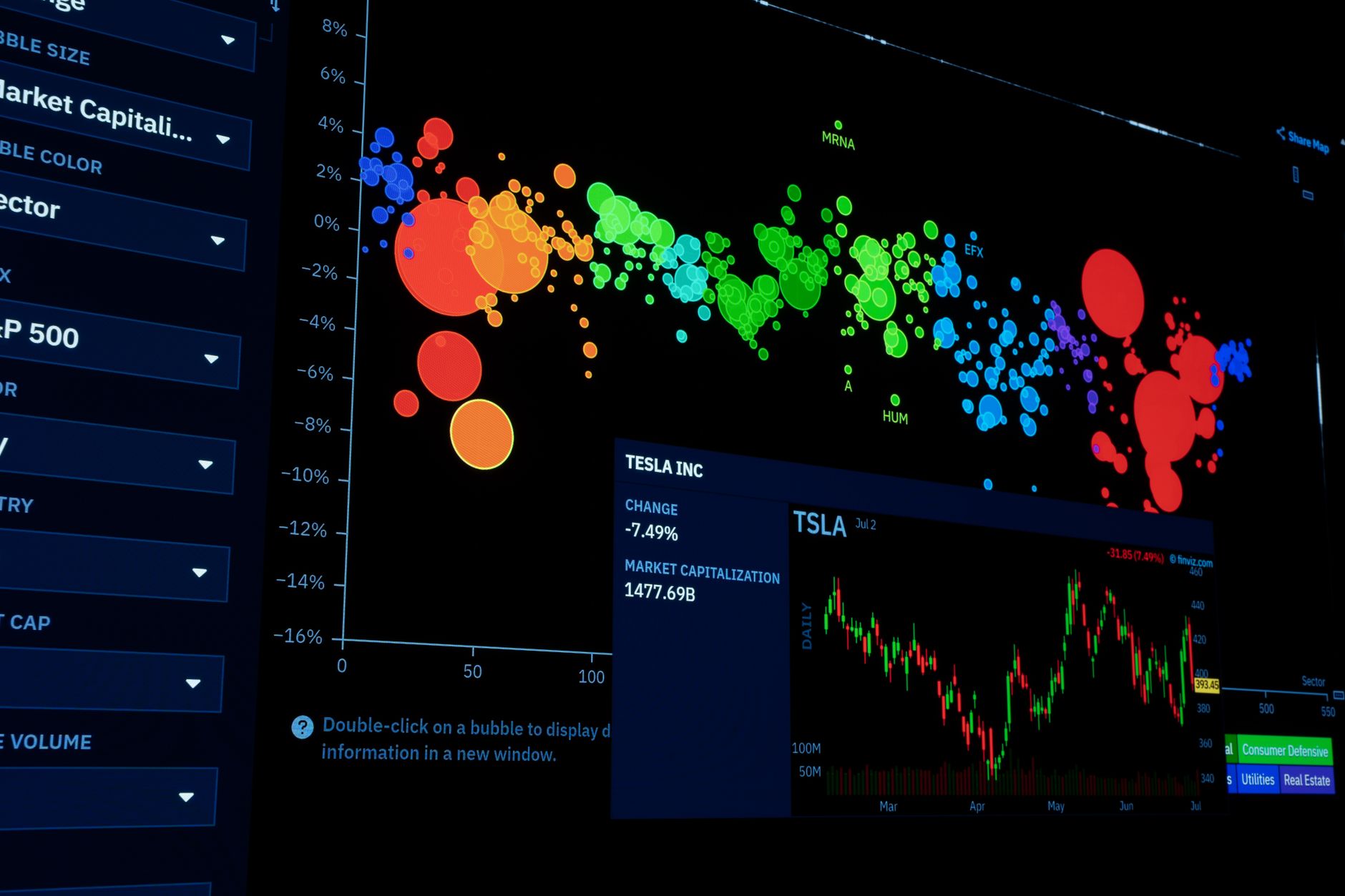
Tesla (TSLA) Faces Risks Amid Increased Capital Spending Plans
Tesla (TSLA) is ramping up capital spending on its Cybercab/robotaxis and Optimus robot initiatives, which could risk its cash flow. The company is projected to transition from free cash flow (FCF) to being a net user of cash by 2026, as earnings and operating cash flow (OCF) do not meet the rising costs. Analysts expect cash outflows until 2028, with a potential FCF return expected in 2029 tied to revenue from these projects. This is important for investors as delayed revenue growth may pressure Tesla's existing business and cash flow.
Read More: Tesla (TSLA) Faces Risks Amid Increased Capital Spending Plans
Ring Energy (REI) Q2 Earnings: Sales Up 3% to 19,990 BOE/day
Ring Energy (NYSEAMERICAN:REI) reported second-quarter sales volumes of 19,990 barrels of oil equivalent (BOE) per day, a 3% increase from the previous quarter. Revenue reached approximately $104.7 million, with realized pricing rising 36% to $57.55 per BOE. The company's lease operating expense fell to $10.12 per BOE, down 3% from $10.41 per BOE in Q1. Ring also increased its second-half capital spending plan to between $80 million and $100 million, aimed at supporting production growth and infrastructure investments. This matters for investors as the company's improved financials and capital plans may positively impact its future performance.
Read More: Ring Energy (REI) Q2 Earnings: Sales Up 3% to 19,990 BOE/day
Microsoft (MSFT) Stock Rally Erases Year-to-Date Losses After 26 Years
Microsoft's (MSFT) stock has experienced a rally not seen in 26 years, successfully erasing its year-to-date losses. Analysts suggest that this rally is fueled by the effectiveness of the company's capital spending. The substantial increase in share value indicates strong market confidence in Microsoft's financial strategies. This situation underscores the potential for continued growth and investor interest going forward.
Read More: Microsoft (MSFT) Stock Rally Erases Year-to-Date Losses After 26 Years
Alphabet (GOOGL) raises $84.75 billion in equity offering
Alphabet (GOOGL) has increased its equity offering to $84.75 billion, signaling strong investor interest in tech firms expanding their AI capabilities. Initially set at $80 billion, the new plan includes $18 billion through Class A and C shares, and $16.75 billion via depositary shares. The company's overall capital spending forecast has also been raised by $5 billion to between $180 billion and $190 billion. This strategy reflects a shift in funding methods among major tech companies as they collectively aim to exceed $700 billion in spending this year on AI infrastructure.
Read More: Alphabet (GOOGL) raises $84.75 billion in equity offering
Constellation Energy (CEG) Price Target Raised to $360 by Barclays
On April 4, Barclays reiterated its Overweight rating for Constellation Energy Corporation (CEG) and increased the price target to $360 from $356. The company anticipates 2026 earnings between $11 and $12 per share, with Barclays forecasting a rise to $19 per share by 2029. Constellation plans to invest $3.9 billion in capital expenditures in 2026 and has increased its share buyback authorization to $5 billion. This positions CEG to meet the increasing demand for clean electricity in the U.S., particularly following the record power demand seen in 2025.
Read More: Constellation Energy (CEG) Price Target Raised to $360 by Barclays
S&P 500 Climbs 78% in 3 Years; VIX Hits 24 Amid AI Sector Uncertainty
The S&P 500 has increased by over 78% in the past three years, primarily driven by artificial intelligence (AI) stocks. Recently, the market has faced volatility, with the CBOE Volatility Index (VIX) rising to 24. Concerns about AI revenue opportunities in relation to spending levels, alongside geopolitical tensions and interest rate uncertainties, have contributed to investor apprehension. Major tech firms are projected to invest nearly $700 billion in capital spending this year, much of which will enhance AI infrastructure.
Read More: S&P 500 Climbs 78% in 3 Years; VIX Hits 24 Amid AI Sector Uncertainty